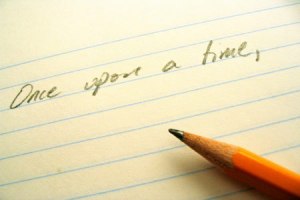
 If you’re like me, you have to build up to writing, ease into it. To wake up and start writing is like jumping out of bed and going to work without coffee. There are people who can do this; God bless their perky morning souls. I approach things a little differently by creating a positive work environment and attitude for myself. This is achieved with a cup of hot tea and reading my Bible. The simple activity sets the stage for the rest of my writing day.
Then I take a few minutes to mentally organize and deep breathe. I rid myself of negative thoughts and focus on the positive. As a writer, one of the most negative things I encounter is writer’s block. I can feel the ideas in my head, but I just can’t get them out. I accomplish this by acknowledging that I’m not truly blocked. Rather, I’m giving in to fears, doubts, and insecurities. Being able to say this makes the fears, doubts, and insecurities manageable, and I can move on. Also, I stop guilting myself for what I may or may not be as a writer, and I stop playing the comparison game. Once I’ve dealt with these issues, I’m free to write.
One of the most important things I’ve learned since I took up writing is to keep my equipment simple. All I need to create literary brilliance is a single subject notebook and a pencil. I choose a pencil over a pen because they make noise as they move across the paper. This light scratching is satisfying to my brain and is proof writing efforts. I see and hear my progress. Another technique that helps with this process is to sometimes write on lightly textured paper such as a sketch pad.
I write in capital letters. It took some getting used to, but by doing so, the process slows down my writing and focuses my attention at the same time. My ideas actually flow better. As new ideas pop into my head, I write them in the margins of my notebook.
One of the hardest things to conform to is a writing schedule. You would think making your own hours would be bliss, but I find as my own boss, sometimes I have the tendency to not take my writing seriously. I become lax beyond the point of flexible, and my writing suffers. When I set a schedule and stick with it, choosing the time of day that works best for me, I am more productive. Of course, I allow for emergencies in my life and some flexibility, but I don’t allow myself to get too far off the schedule I created.
As for social media, it took me a while to learn to not be controlled by it. Author platforms are good, but when you spend all your time maintaining them, you’re not writing. Not to mention the rising stats are addictive, and the minute you tell yourself you’ll only be on a minute, you’ve wasted thirty minutes playing. Remember: writers write; they don’t build reputations on what they’re going to do. Resolve this issue by scheduling the time you’ll spend maintaining your social media, and again, stick to it.
Another trick I use to nudge my writing along is the daily word goal. It’s effective, but I learned that when I write what needs to be written, completing a scene or story in fewer words, I still consider myself successful. In other words, I write until I’m finished. I’ve been surprised how long or short a handwritten portion turns out to be when typed. Coming short of the goal isn’t failure as long as I’m writing.
That’s when I reward myself with chocolate, a cup of tea or coffee, pleasure reading, napping, calling a friend, cooking, taking a walk. I warn against using social media or television as a reward because they lure one away from focusing.
Also, I do not punish myself for not meeting my writing goal. There are already too many negative thoughts bombarding my head, negative influences toward my writing from outside, and my resistance will pounce on these to keep me from writing. The goal is writing. The quantity is negotiable.
I keep one main project to work on, usually my novel, and resist the urge to put too many irons in the writing fire. However, I also maintain a notebook of other writing projects I’d like to work on in case I need to switch things up. Sometimes I need a project while waiting for a response to a research question or if my main project becomes heavy and I need a small break. Alternative writing includes journaling, blog posts, letter writing, flash fiction, and short stories. I use caution when setting aside my main writing project for a period of time, making sure it’s for a valid reason such as research, time to think and/or reflect, or major upheavals in my life. I know when I truly need a break and when I’m just sloughing off.
In short, I found what worked for me. Good writing habits take time to establish, so I never quit. I carry a notebook with me everywhere, have one in every room of my house, and write on the run. If I mess up, I start again. My resistance battles me along the way, but I am stronger. Resistance tells me these methods are weird, lame, and ineffective. I do them anyhow.
The easiest thing I do for my writing is be present. I simply put myself in a chair at the table with a pencil and paper. Then I made this process enjoyable by scouting out the best location in my home where I can be the most productive and tailored it to my needs with music, silence, windows, shade, snacks, and beverages. Sometimes I change locations to keep from stagnating.
One of my writing jump starts is to write twenty different words on index cards (the first twenty that come to mind or twenty things that interest me), turn them upside down, take one from top of stack, and free write for ten minutes. I do this for twenty days as a warm up and repeat as needed until I trust myself to jump into my writing day without assistance.
Another is my list of ten. In three minutes, I write down a list of ten things I did yesterday. In ten minutes, I free write about one of the things I did on my list. If nothing grabs me, I choose number three. A month of this particular warmup helped me set healthy routines. Keep in mind that these simple exercises are like mental stretching. No athlete competes without first stretching. True, it can be boring, it isn’t pretty, but it does massage your brain into creative mode.
I never forget good ole visual or audible writing prompts. Some of my best writing has been jumpstarted by a picture or piece of music. The funny things is, when I went looking for a pretty picture to write about or music to put me in the writing mood, I couldn’t find anything. Then there are pictures I wouldn’t have looked at twice and music that crossed my path that flashed a story through my brain so quickly I knew I had to put it down on paper. Don’t discount any source of inspiration.
Making myself accountable to others is effective for meeting my writing goals. I chose a writing buddy who will encourage me to stick to my goals and help me address why I might not be. I’m careful not to compare what I am doing to what my buddy is doing, and I don’t swap work with them. My buddy should have a different writing buddy to help manage his writing goals. In that vein of thought, choose wisely with whom you share your writing. He or she should be able to provide constructive feedback because poorly given feedback can knock you off your focus.
Based on my own personal experience, I don’t read writing books while I’m writing, especially the how to variety and those on writing style. I find them to be distracting because I try to incorporate all the wonderful new ideas I’m reading into my writing, and they don’t all fit. They don’t all belong, and they can hamper my writing if I’m not careful.
Most of what I learned about creating a writing life came from Heather Sellers’s book Page After Page. Some of it came from other inspirational sources. I’d love to hear what works for you and your writing, your process, and your thoughts on what I’ve written. Remember, feedback is what we authors live for.
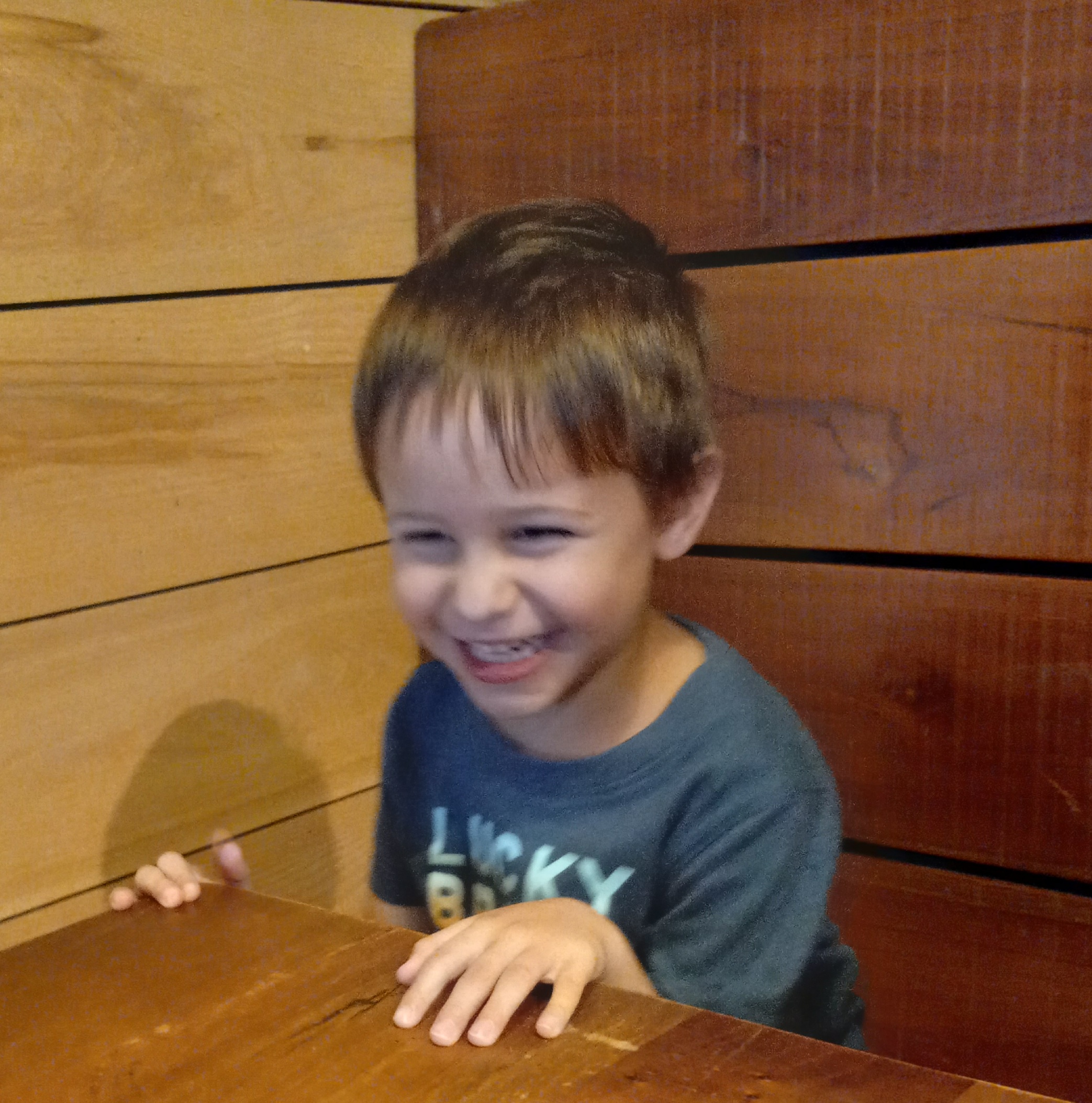 I have chosen a different approach to keep myself writing while larger works, like my novels and blog posts, swirl about my mind waiting to crystalize into something I can put on the page. For example, yesterday I left the laptop, pencils, and notebooks behind to spend the day with my grandbaby, Jacob. My writing flourished from the exercise.

 hl gibson, author