The Sweetest Libation This Side of Heaven

Bourbon whiskey plays an important role in the life of my protagonist, Dr. John Welles. Bourbon is the souvenir of choice for John and his two best friends, Sam Feldman and Claude Willoughby, as they spend a bachelors’ weekend in Kentucky watching the Derby and celebrating Sam’s upcoming marriage. Later in my novel, John employs the contents of this special bottle of bourbon to drown the guilt he endures for his part in a secret cover up regarding the death of a child.

a3f4b1eaa0a14348aa91ede804788043_adf390df7753413c870a7e4655fcf9bd_headerI chose bourbon as John’s drink of choice after a trip to Kentucky with my brother and sister-in-law in 2010. They completed the Kentucky Bourbon Trail the year before and knew which distilleries we would enjoy visiting. Woodford Reserve, Wild Turkey, Heaven Hill, and Maker’s Mark rounded out our initial bourbon experience.

I loved every minute of it. From the heady aroma emanating from the enormous vats of sour mash, to the dusty, blackened rickhouses, to the generous samples imbibed in the tasting rooms, our tour was an education steeped in the warm glow of bourbon. While I’m partial to Elijah Craig 18 Year-Old Single Barrel, Parker’s Heritage Fifth Edition Cognac Barrel Finish, Woodford Reserve, and Wild Turkey Kentucky Spirit, we’ve also discovered several other bourbons worthy of purchase. Don’t miss Willet Pot Still Reserve or 1792 Ridgemont Reserve.

The history of bourbon is as rich as the copper color of the drink itself. Baptist preacher Elijah Craig has been credited for the invention of bourbon whiskey although the tale may be a little on the tall side. We were told during one distillery tour that the charred oak barrels used in making bourbon whiskey came about as the result of an accident in which the barrels were burned. Preacher Craig, either too poor or too cheap to replace the barrels, used them anyhow and bourbon first received its signature color.

Whether or not this is true, bourbon whiskey is an all-American beverage. Strict requirements must be met before the whiskey can be labeled and advertised as bourbon. The Federal Standards of Identity for Distilled Spirits state that bourbon made for U.S. consumption must be 1) Produced in the United States, 2) Made from a grain mixture that is at least 51% corn, 3) Aged in new, charred oak barrels, 4) Distilled to no more than 160 (US) proof, 5) Entered into the barrel for aging at no more than 125 proof, and 6) Bottled at 80 proof or more.

Impressive standards for an impressive drink.

Recycling Before Recycling Was Cool

25bcf1fd2283ff81a59233bb01a448faDetails, details. They really can make or break a piece of writing. Too many and the passage is bogged down, too few and the reader will visualize what they choose, too gaudy and you’ll be accused of purple prose. But if you can capture a scene with the right amount of description formed by carefully chosen words, you will achieve Olympic writing gold. We’ve all experienced that moment when we sit back in open-mouthed awe of a perfectly crafted sentence that conveys exactly what we meant to say.

I recently experienced this during my fifth round of editing on my novel, The Secrets of Dr. John Welles. I needed to show the quaint but tidy lifestyle Lyla Welles maintained in her home. Her husband, John, is a farmer, and while the family does well enough, there isn’t money for frivolous luxuries such as lace curtains.

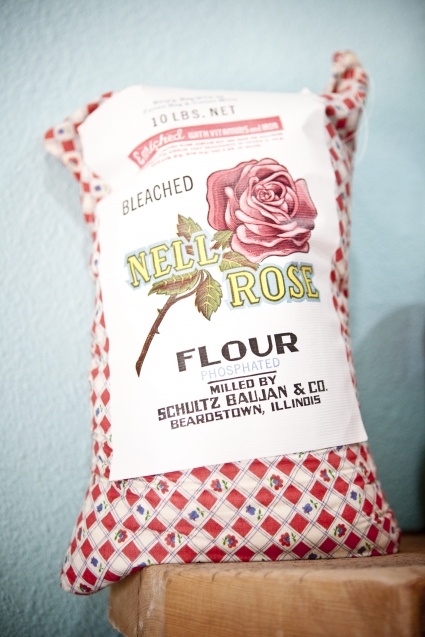
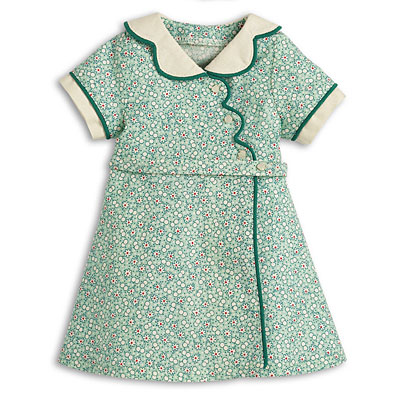
When I described what I wanted for the scene, my mother suggested feed sack curtains. Images of stained, coarse fabric crudely stitched togetherfeedsack-dress came to mind. Mother informed me that they were quite pretty and, in fact, feed sack was used to make dresses for little girls, tea towels, and aprons. I had to go in search of the fabric that could be used for such items while baring a name more plain than homespun. What I found prompted this post.

Ingenious women of low income reused the fabric from feed sacks for undergarments, curtains, pillowcases, etc. Initially, the fabric was white and without pattern. A company logo, which had to be scrubbed out or strategically placed on the homemade item, was the only ornamentation. These plain white feed sacks were probably what Lyla Welles would have used during the time period for the above-mentioned scene. I imagine her hand lovingly embroidering a simple pattern or trimming the edges.

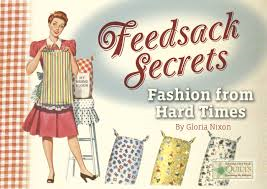
It wasn’t until the 1920s that patterned feed sack became popular as a marketing tool. Women chose the products they purchased depending on the pattern on the feed sack fabric. Contests were held to design prints and artists were consulted to make them more appealing.untitled (5)

The following link from the Buchanan County, Iowa Historical Society provides a complete history on the evolution, popularity, and history of feed sack fabric. I recommend utilizing Google to see a myriad of garments and household items made from the repurposed fabric. There are even Pinterest boards and quilting forums dedicated to the humble feed sack.

Understanding Prudence

Joan CrawfordI devoted chapter seven of my novel, The Secrets of Dr. John Welles, to developing the character of Prudence Welles Mayfield. Unfortunately, her interesting backstory didn’t move the rest of the plot forward. I struggled with cutting what became known as Chapter Prudence because I really like her, and the writing was good. In the end, I discarded it in favor of keeping the story focused on my protagonist alone.

The following account details Prudence as a child and young woman. There are a few references to things that occur later in my novel, tidbits that I dealt with in others ways upon removal of this chapter, but nothing so confusing that you won’t be able to understand what’s going on.

Although her backstory went by the wayside, Prudence herself did not. She is very much an influential presence in the life of the nephew, John Welles. I hope reading about her youthful adventures, and the following character sketch, give you a better perspective into the personality of Prudence.

Chapter Prudence

You believe you already know Prudence; she’s the stunning woman with an expensive, tailored wardrobe you would give your eye teeth to own. You would probably label her an arm ornament until she opens her mouth, and you realize an intelligent, well-spoken woman resides in the beautiful package. Suddenly, you want her as your friend.

You will find Prudence with drink in hand at the center of every social engagement, commanding her audience with a stellar personality, smoking long before it was fashionable for women to do so. She’s a lady to the core, despite what society may think about her, and would sooner burn her shoe collection than be caught drunk in public.

Don’t be fooled by Prudence, though. The petit woman isn’t afraid to speak her mind and can back down the most assertive man. Other women, especially those vying for a place in her beloved nephew’s life, are her particular kryptonite.

From the outside, it looks as if Prudence has a charmed life. She has plenty of money, secured by a good head for business, so she and John want for nothing. Her life is full of quality items from the home she lives in, the car she drives, the vacations she takes. Yet closer inspection would reveal sadness in Prudence kept hidden from the world. Her care of John, while altruistic on the surface, also services to satisfy her need for penance and motherhood.

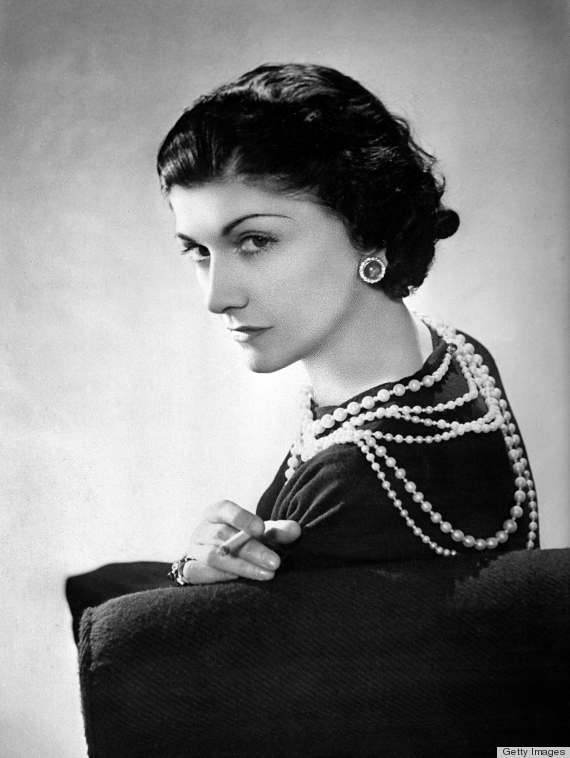
Still, she isn’t the type to sit around mourning an unfortunate circumstance. She is proactive in her own restless life and will seek satisfaction until she has secured it instead of waiting around for a man to provide it.Coco Chanel, French couturier. Paris, 1936 LIP-283

For all her forthrightness, Prudence can still be wounded at heart. As much as she loves John, it is he who most often draws the line on her outrageous behavior especially in regards to her creative honesty. She’ll never let on that she feels the sting of his rebuke, and if pressed, Prudence would admit that her nephew is a positive influence in her life.

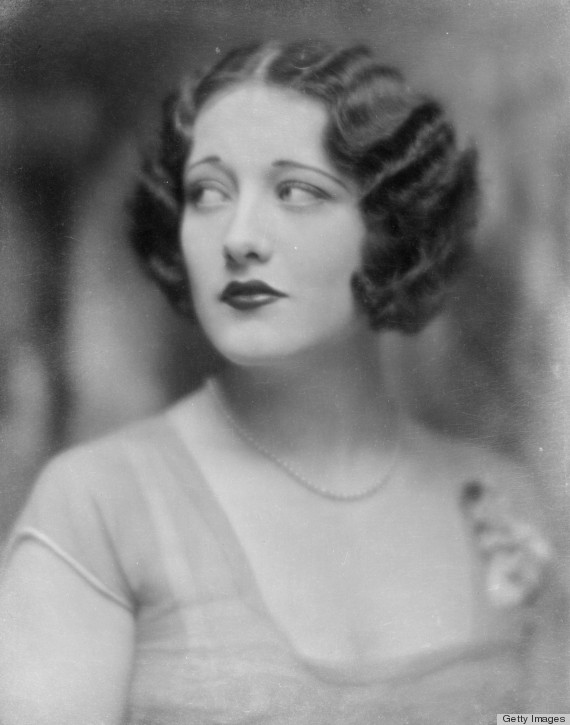
The pictures of Joan Crawford and Coco Chanel capture the essence of Prudence as I envisioned her.

Riding the Belair Bullet

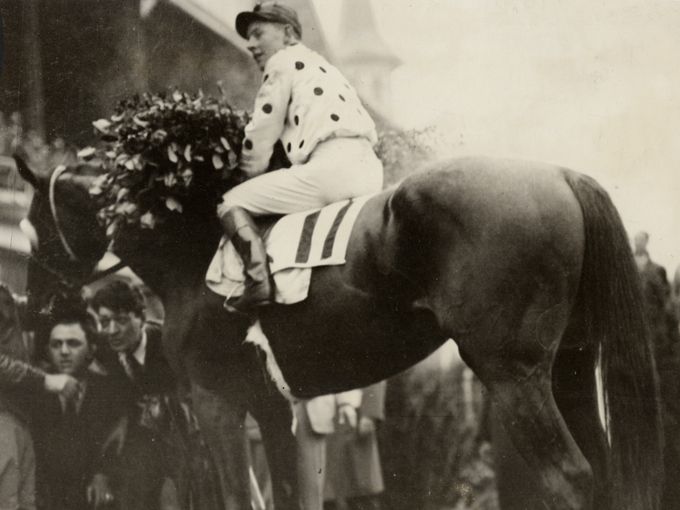
1398463924000--DERBY-1935-OMAHA-IA secret, three-day bachelor party that includes a trip to Kentucky to watch the Derby is just what John Welles and Claude Willoughby have in mind for their best friend, Sam Feldman. They believe they’ve given the bride-to-be and Sam’s mother the slip, but the ladies are on to them.

Claude, whose father used to breed races horses in Kentucky, undoubtedly suggested their entertainment. Even though the three friends don’t gamble, they are excited about the opportunity to attend the running of the Kentucky Derby. Unbeknownst to the trio, they picked a good year to go. In 1935, the thoroughbred racehorse, Omaha, owned and bred by William Woodward Sr., owner of Belair Mansion and Belair Stud Farm, was on his way to winning the Triple Crown starting with his performance at the Kentucky Derby.

Of course, horses don’t get to the finish line by themselves. The year Omaha won the Kentucky Derby, jockey William “Willie/Smokey” Saunders was aboard for the ride.

Saunders learned to ride in Alberta, Canada, and Montana. He earned his first win at Tanforan Racetrack in northern California on April 14, 1932, and was tutored in riding by the famous jockey, George “The Iceman” Wolfe of Seabiscuit fame.

The outbreak of World War II, as well as weight problems, interrupted Saunders’ career. He joined the Army, serving in the Pacific theater for four years. During his service, he contracted malaria which led to considerable weight loss, a silver lining to an unpleasant condition for the jockey who returned to racing when the war ended.

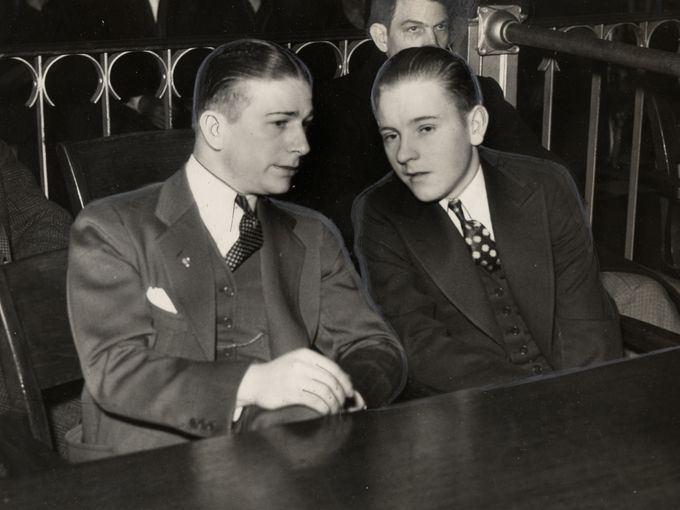
Saunders finished his career as a jockey in 1950, and he served as a racing official at various tracks in New Jersey, Florida, and Illinois. He worked as a trainer then as a placing judge. His final honor in the world of horse racing came in 1976 when he was inducted into the Canadian Horse Racing Hall of Fame.1398463924006--SCHAEFFER-AND-SAUND

Unfortunately for Saunders, the same year he won the Triple Crown, media attention of the less desirable sort also followed him. In October of 1935, Saunders faced the accusation of accessory to murder of Mrs. Evelyn Sliwinski.

The case cast a bad light on Saunders riding career, and he never rode in another Kentucky Derby. His final days were spent in Florida where he died of cancer at the age of seventy one.

Race to the Finish Line

imagesThe year is 1935, and one of John Welles’ best friends, Sam Feldman, has just been swept off his feet by the beautiful and charming Abigail Cohen.

Gladys Feldman, Sam’s mother, orchestrated the initial meeting between her son and Abigail, called Babby. Gladys’ goal was to curtail her late-blooming son’s wild dating spree and settle him down with a good Jewish girl. Her planned work, and before the end of their first visit, Sam and Babby were in love.

Fast forward a few months to Sam’s bachelor party. John, along with his other best friend, Claude Willoughby, takes Sam on a three day bachelor’s weekend prior to his marriage to Babby. The trio sneaks off to Kentucky to watch the Derby and revel in the festivities.

The only hitch to their plans is a small white lie told to keep the women in their lives from worrying; they claim they’re going to a pediatric conference. Being the savvy women they are, Mrs. Feldman, Babby, and John’s Aunt Prudence laugh over their boys believing they’ve gotten away with their scheme.

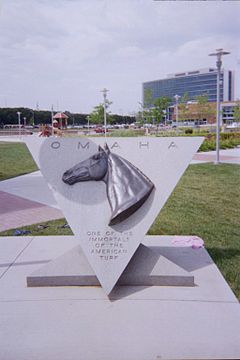
The Kentucky Derby is rich with too much history for one blog post. For this reason, I decided to start with the horse who won the Derby in 1935, Omaha. The chestnut horse with a white blaze stood at an impressive 16.3 hands high. The third horse to ever win the Triple Crown, Omaha was the son of Gallant Fox, the 1930 Triple Crown winner.

I have included footage of Omaha being ridden to victory at the Kentucky Derby by jockey, Willie Saunders, as well as a clip of all three of his Triple Crown wins.

In January of 1936, Omaha made the move to England to continue his racing career with the Ascot Gold Cup the desired goal. While he ran well in several races, he never achieved the coveted trophy.

During retirement, Omaha failed to impress as a stud horse. He was moved a couple of times before landing in Nebraska where he lived for another nine years. Upon his death in 1959, Omaha was buried at the Ak-Sar-Ben Racetrack in Omaha, Nebraska.

240px-OmahaHorseStinsonParkOmahaNE

Wardrobe Selection

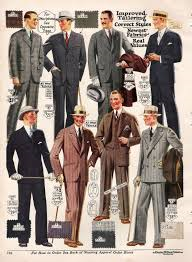
untitled (6)In yesterday’s blog post, When the Clothes Really Do Make the Man, I provided a link to a website for excellent information regarding vintage clothing.

Today’s trip down Research Road stops at a post by Liz Michalski on Writer Unboxed. In her article, Clothing Your Characters, Liz offers insight into why the clothing you choose for your character is important in how it relates to character development.

After reading Liz’s article, I stepped back for a moment to see how well I portrayed clothing in my novel, The Secrets of Dr. John Welles. There were a couple of scenes where the clothing my characters wore was important to the story, however, I may use the tips Liz suggested to create a more tactile feel to other parts of my story.

When the Clothes Really Do Make the Man

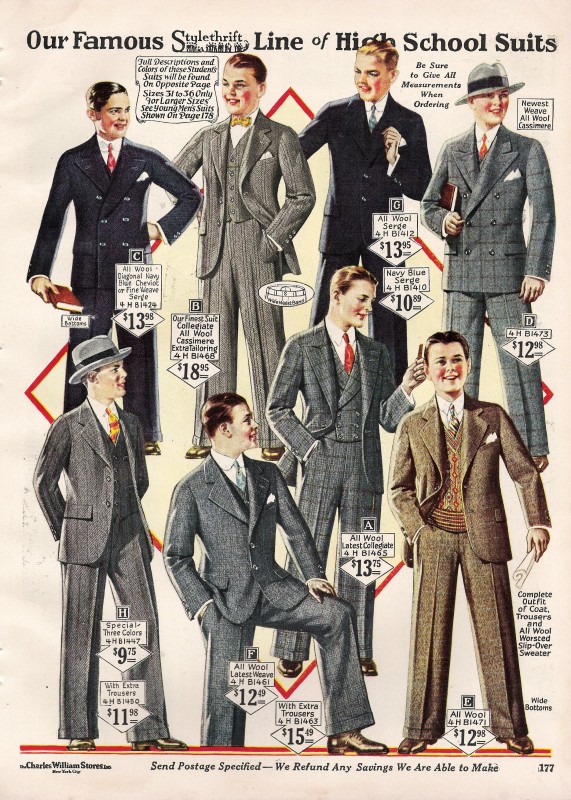
1927-boy-teens-color-pg-177-571x800While writing my novel, The Secrets of Dr. John Welles, I found that food played in to what I wrote more than what they wore. I guess that’s because I enjoy feeding real people and have a tendency to do the same with my fictional characters (Edible Fiction). However, there was one special scene that took place in June of 1925 where I needed the perfect outfit for my protagonist, John Welles.

I didn’t want to clothe my main character based on what I thought was correct or what I’d seen in movies. To be off by even a few years would have proven to be embarrassing. My goal was to create an authentic outfit, so I sought the help of someone with more fashion experience than I possess.

During my search for clothing appropriate to the time period, I came across Debbie Sessions’ website, The Vintage Dancer. Sure enough, Debbie had a section devoted to clothing from the 1920s. Fortunately for me, she went one better when she answered a personal e-mail resulting in the follow article, 1920’s Teenagers Men’s Fashion – Suit, Shoes, & Hats with Pictures.

Thank you, Debbie, for dressing John so perfectly for his high school graduation.

Open up and say, Ahh!

images (5)Despite what the government has done to healthcare, what we experience in America today is light years ahead of healthcare in the early 1900s. Consider Calvin Coolidge, Jr., the President’s son. After developing a blister on his toe while playing lawn tennis, he contracted an infection from a relatively common bacterium, Staphylococcus aureus. Within a week, the sixteen year-old was dead. Something we all take for granted today wasn’t readily available when young Calvin needed it: penicillin.

I cannot imagine what it must have been like for people whose life expectancy was 53 for men and 54 for women. Every nick, scrape, and cut had to be taken seriously, or it could lead to death. My own great-grandfather lost his life to a cut he received while working on the railroad. After blood poisoning set in, the only option was amputation. He refused to let the doctor take his leg, and the infection took his life.

Consider childbirth. Often unsanitary conditions led to a high rate of infant and mother mortality. Midwifes or female relatives or neighbors were responsible for delivering babies, especially among the poor. Having a doctor present was a luxury, and even then, life hung in the balance.

It sounds rather third-world when you read about it and not at all like America today where there’s a pill to pop for just about every illness or disease and organizations dedicated to medical research.

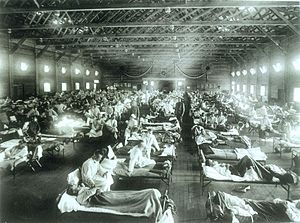
Before this post becomes too morbid, I’ll focus on the research I conducted for the one disease that threatened the lives of the characters in my 300px-CampFunstonKS-InfluenzaHospitalnovel, The Secrets of Dr. John Welles. It also occurred during the above-mentioned time period of the early 1900s.

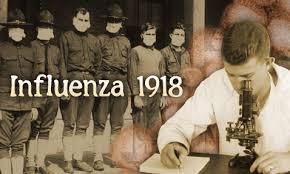
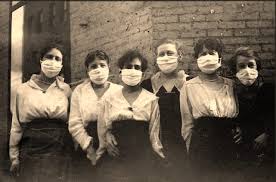
Known by the nickname Spanish Flu, the 1918 flu pandemic hit the world in two waves and reached remote places such as Pacific Islands and the Arctic. Around 500 million people were infected and 50-100 million died, 3-5% of the world’s population.

The deadly H1N1 virus attacked healthy young adults by causing an overreaction of the body’s immune system. The very young, elderly, or previously sick patients actually had a better chance of surviving because their immune system was already underperforming.

It’s also no coincidence that the flu virus thrived among the soldiers fighting in World War I. They were weakened from malnourishment and stress, and troop movements helped spread the disease. Obituaries of those who succumbed to the flu piled up next to those of soldiers who lost their lives in battle.

The Great Pandemic website provides valuable information on what is still one of the most well-known natural disasters in the world today. With all of the improvements in medicine, it’s hard to fathom something like this occurring again. Yet I wonder if we’re not living in the shadow of the flu pandemic or possibly its more lethal, mutated cousin.

images (6)

Your Old Friend, Collie Mercer

You probably already know someone like Collie Mercer. Her laughter can be heard over everyone else in the room, and it continues long after the joke is over. She’ll be wiping tears from her eyes as she quietly repeats the punchline, cackling to herself. You can’t help but love her as you laugh along.

Collie is the person who shows up first, works the hardest, and stays the longest to make sure things are completed. It would surprise her to know that people look to her for direction. She would never think of herself as being in charge; she’s just doing what needs to be done.

Grandma Smith Jane Deniece Dad

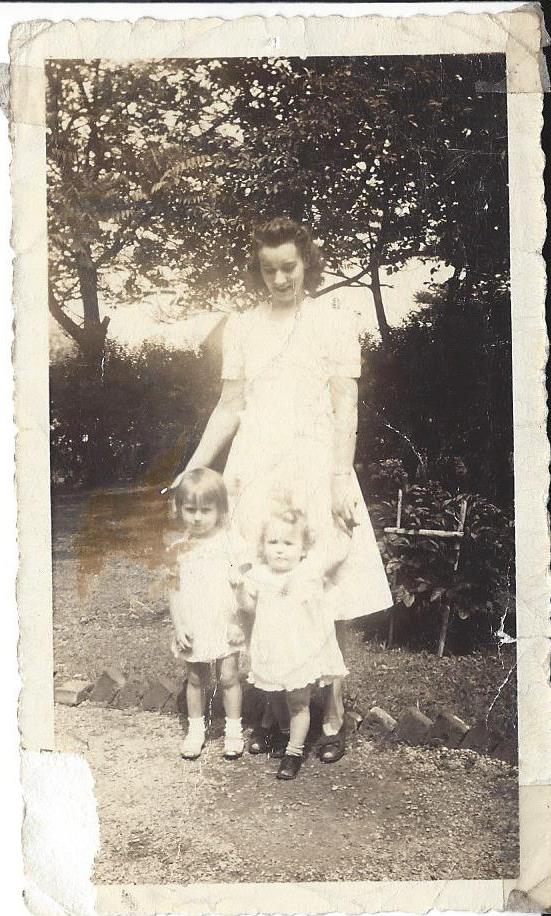
Before she was Grandma Smith. Pictured with my aunts, Jane and Deniece, pregnant with my dad.

At church events and community picnics, everyone scrambles to get a portion of whatever Collie brought. Her pies alone would set grown men to fighting for a piece if they didn’t already know that she always brings two.

Yet no one ever fought over Collie herself. She’s a robust woman, standing no less than five foot ten, and she’s as plain as a freshly sawn board. The truth of the matter is that she can outwork most men, putting quite a few to shame. There has never been a task to make her pause and think, “I wonder if I can do that.”

Five minutes in Collie’s presence will reveal her strong faith in God. She lives out her beliefs in front of her family and friends instead of preaching it to them, and even if someone doesn’t adhere to her faith, they know where to turn in a time of need. Prayers, food, clothing, and sometimes tough love are in ready supply when someone taps the fount of Collie’s generosity.

She’s quick to forgive except when it comes to her own mistakes. Like most people, Collie is hardest on herself. When the time comes to ask forgiveness of others, she knows how to humble herself and admit that she messed up.

You would never know that she didn’t finish her education. What she lacks in formal schooling, she makes up for in boundless practical knowledge. Although this limits the boundaries of her world, Collie never shuns the opportunity to learn new things. The only place she feels intimidated is in the presence of her worldly sister-in-law, Prudence.

Neat as a pin would be the phrase used to describe Collie. Her home and stepchildren are also spotless. She won’t tolerate tobacco or alcohol usage in her house and all animals must live in the barn including the family pets.

Collie’s influence in the lives of her stepchildren is significant. She is as firm in her love and devotion toward her family as she is her discipline of them when needed. The role of protector is one she takes quite seriously, especially toward John who never knew his birth mother. At times, she shields him too much. However, one characteristic she will never be accused of is favoritism.

At the end of the day, Collie Mercer is the kind of person you want to have as a friend. She will stand by you through the good and the bad, tell you when you’re wrong, mediate between you and another person until the situation is resolved without any hurt feelings.

For some people who will read this character sketch, Collie Mercer may sound extremely familiar. Without intentionally doing so, I created a character that is strongly based on my beloved grandma, Dorothy Smith.

More than physical appearance, Collie possesses the essence of what made my grandma a great woman. They aren’t a perfect match, but the similarities are comfortingly familiar. Perhaps I subconsciously did so because in the back of my mind, everyone should have had a chance to meet my grandma.

By the time you and Collie Mercer part ways, I guarantee you’ll be friends.

Nothing Minor About These Birds

Minor League Logo for Baltimore Orioles

Minor League Logo for Baltimore Orioles

You can’t live in Baltimore, Maryland, and not be an Orioles fan, right? My protagonist, John Welles, and his two best friends, Sam Feldman and Claude Willoughby, certainly didn’t think so. Of course, in 1928, the Baltimore Orioles were in the International League, one of the top minor leagues of the time, but that fact didn’t deter John, Sam, and Claude from cheering on their favorite players.

Researching the Baltimore Orioles for my novel, The Secrets of Dr. John Welles, proved to be interesting for a woman who never followed baseball in her life. I admit I took the easy road out when I chose a team located in the same city where my boys lived. The Orioles had been on my mind ever since I decided to set my story in Maryland, but I wasn’t sure how to work them in. The solution presented itself after writing a scene where the three friends had a major falling out.

During the first year of medical school, the situation between Claude and his father, J.D., truly began to unravel. Two years of pre-med bonded the boys, but their friendship was pushed to the limits by the stress at school as well as Claude’s unwillingness to admit what was happening at home. John and Sam were helpless as they watched Claude drift away.

While neither John nor Sam was aware of the truth, Sam assumed John knew more than he was letting on. The accusation was born of Sam’s frustration at not knowing how to help Claude. Strong words turned into a shoving match and then a full blown fist fight.

Without giving away the interesting details, I will tell you that the three friends eventually worked out their differences. Taking in an Orioles game was their first post-fight activity. Unfortunately, it was a small patch on a bigger problem that had yet to be resolved.

Thank you to Mr. Bill Stetka, Director, Orioles Alumni, for providing the names of players for my characters to follow. Mr. Stetka’s information led me to shortstop, Joe Boley, who became John’s favorite player. Sam followed the career of third baseman, Frederic ‘Fritz’ Maisel, and Claude’s favorite player was pitcher George Earnshaw. In addition to player information, Mr. Stetka supplied a brief but interesting history on the Orioles.

Thank you, also, to Bruce Markusen, senior researcher of the National Baseball Hall of Fame, for supplying information on the Orioles compiled from author James H. Bready’s book, The Home Team, as well as research conducted by the Orioles Public Relations Department.