Second Children Are Easier

I’ve been told repeatedly that second children are easier. As the mother of an only child, I must assume that’s true. Perhaps I’ll have the privilege of witnessing this phenomenon when I have grandchildren.

While being a grandmother is one of the highest goals on my life list, the statement about second children is the lead-in for what this blog post is actually about. For, you see, I have birthed another type of child. One that took me eight years to incubate, so to speak, until it was ready to be presented to the world.

I’m talking about my first novel, Realm. Oh, how I fretted and paced and cried over that book while making it reader-worthy. BookBaby, through whom I published Realm, was with me every step of the production process like a publishing doula. Many of the encouraging e-mails I received from them had the subtle message, “Breathe, just breathe. You’re doing great. We’re almost there.”

I can laugh about this now even though the memory of presenting Realm to the public was not unlike placing my beautiful newborn on a table and saying, “Okay, people. Tell me what’s wrong with my perfect baby.”

There were pre-publication blog posts, cover reveals, teaser videos, and a book launch party that satisfied me as much as my baby shower. It really was spectacular, but hey, I’m not bragging. Grandma just wanted her first child’s first book to come into this world with a bang! And we did have such fun that day. The memory still brings a huge smile to my face when I relive every special moment.

Realm was well received at every book signing, and Realmers, fans of the book, were incredibly supportive. I advertised on social media throughout the first year with posts tailored to the month, especially if a major gift-giving holiday occurred. It was so much fun passing these milestones with my first novel.

One of the best parts was taking a small break from writing as I basked in the glow of my first publication. But as Realm gently aged, I returned to writing because I had a desire to satisfy and a longing for another baby. I mean novel.

It turns out that the story I began in Realm wasn’t over. In fact, in many ways, it had just begun. What an exciting fact to discover! I had more energy and creativity within me just bursting to come out. Such a blessing from Adonai, especially when He had already answered my prayers concerning Realm.

And so, slowly, another written work began to take shape. The funny thing is that I always knew the story even before I believed it would become a reality. There were no big announcements, no pre-publication activities, and only a handful of people even knew of its existence. Still, it was no less special in my heart than Realm.

But it has been a whole lot easier this time around.

Don’t get me wrong; I have had a couple knee-jerk moments where my primary beta reader had to give me a hearty shove between my shoulders via a text message. He’s really good at that, which is probably why I admit to him when I’m freaking out about something.

The thing is, I might have forgotten to mention to everyone asking, “When is your next book coming out?” that it’s right around the corner. Literally any day now. Maybe any moment. BookBaby has been working on it for several weeks, and that was after the years of initial creation, four beta readers and my editor combing through it, and two additional read-throughs by me.

I don’t love this novel any less, but I can’t pretend it isn’t a second child. I’m a lot calmer this time around with fewer panic moments. Sure, I questioned my parenting—I mean writing—behind the scenes as my husband can attest, but balancing those few down moments with the multiple pleasant surprises I’ve had with this book has added to my writing experience in a positive way.

I’ve learned quite a bit too. And I’ve grown as a parent—writer! I’ve grown as a writer. Anyhow, this analogy has been enjoyable, so without further ado, I present to you . . .

Yeah, if you want to see the cover of my new novel, you’re going to have to like and share this blog post. I’m thinking at least one hundred hits across all my social media should just about do it. We can’t let the second child feel unappreciated, now can we?

Journey on, Realmers!

Words Count

Hello, Realmers! If you’ve been with me for the last few posts, you know I’ve stepped back from writing to undertake some serious editing. I knew for a few chapters that I needed to do so, but I was trying to finish my current WIP before I conducted any edits. I had heard or read several years ago that this was the best way to proceed so that I didn’t become bogged down in edits, which might prevent me from ever completing my WIP as I spun my wheels fretting over changes.

I am so glad I overcame my fears in that regard and didn’t take the advice.

What I found as I returned to the beginning of my current WIP is a couple structural errors, which needed to be smoothed out so specific details and certain plotlines would be accounted for. There was much as the author that I knew but hadn’t been conveyed in such a way as to ensure my reader picked up on important points without me spoon feeding the story to them.

All the plotters are nodding knowingly and thinking this is why we outline our story. But if I didn’t know exactly what I wanted to write as I created my story, how could I have outlined it? And I certainly wasn’t interested in “finding my groove” as I have heard many plotters say, which to me interprets as “I write the same story over and over again, which makes plotting that with which I am familiar quite easy, and all I do is change the names to fool people into thinking it’s a new story.”

I know that sounds harsh but stick with me because I’m honestly not criticizing plotters. If plotting works for you, do it. It just doesn’t work for me because if I’m going to spend time writing, it’s going to be toward the actual WIP and not an outline that I know I’m going to change and/or from which I’ll stray anyhow. Exploring the rabbit trails is an exciting part of the writing process for me.

This entire scenario prompted me to look up a favorite quotation that has been attributed to Flannery O’Connor and goes something like “I Do Not Know What I Think Until I Read What I’m Writing.” However, and this is a sidebar to the point of my post, it appears that Flannery wasn’t the only author, or perhaps even the first author, to express that she needed to write her thoughts down and, dare I say it, edit her writing to reflect what she actually meant?

Follow the link above to find out how many other authors expressed this same sentiment regarding their writing. You might be pleasantly surprised to find out that you’re not alone. But here’s the thrust of my blog post. Do something toward your writing as often as you’re able.

If word count works for you, then set a goal and write toward it. If accountability works, then let someone know how you’re progressing so praise or guidance can be offered. Maybe writing for a set time on a set day is your thing. Great! Find whatever works to keep you writing and remember that editing is a part of this process.

The thing I would warn you against is beating yourself up when a goal isn’t met.

I like to achieve a thousand words during a writing session, but I hold that goal loosely. I have sat for an entire day and only banged out three hundred mediocre words, but I stood up from my laptop with the understanding that something was better than nothing. And there are times when I’ve had an hour while dinner cooked, and I cranked out sixteen hundred brilliant words that I couldn’t believe came from my brain.

And there are days that I don’t write at all because I need to read, relax, tend to friends and family, fulfill obligations, etc. These are also good days because I recharge my energy and refuel my thought process.

Writing is hard but writing is worth it. Will I return to my WIP today or will this blog post be the only thing I create? Right at this moment, I honestly couldn’t say. There’s a cup of tea and the desire for a nap vying for attention over the great chapter edit which surfaced last night right before bed. Fear not, Realmers, I wrote it down.

Not Alone in the Realm

Writing often seems like a lonely endeavor. I’ve spent a lot of time tapping away at the laptop or scribbling in a notebook. I’ve stared out the window visualizing a scene, softly speaking it aloud to hear how it sounds. I’ve walked the valley of burnout and scaled the mountain of inspiration. The writing comes fast and furiously, or the writing doesn’t come at all.

I presented myself faithfully to my writing (almost every day) even as I wanted to join friends and family in other activities. I declined invitations and didn’t issue any of my own.

I’ve been in the house alone (except for five demanding cats), but if anyone was present, I politely requested quiet, which meant I was alone in my thoughts and in the world I was creating.

As I reflect, though, I have come to realize that I was never alone at all.

There was much about writing/the writing process with which I struggled. I’m not going to detail everything here because it’s deeply personal, but the short version is that I turned everything about writing over to God. I made it my goal that all my writing and my talents would glorify God, and when I did, that’s when I understood that all the guidance I’d been praying for had occurred as I’d hoped, just not in the ways I expected. I wasn’t alone.

Then, a savvy friend, who pointed out that better critiques could be given if the beta reader was familiar with the entire work, committed to being part of my project. We traded novels from beginning to end, and what we came away with was better writing. I was not alone.

Factor in four additional beta readers, all reading the entire manuscript and all providing a different perspective. What each found polished Realm even more. Again, not alone.

Then there was my editor, whose enthusiasm for my project and sharp eye for detail, put the final polish on my novel. We met several times, e-mailed, and texted throughout the process. Amazing critiques and suggestions were offered and applied, we worked through some points to clarify what I wanted to say, and I even got to keep some things I liked without changing them. A working relationship was born, but the friendship that came from it trumped everything. Still, not alone.

Writers’ groups, friends, family, and the occasional stranger all offered encouragement and advice in person and on social media. Slowly but surely, the perceived vacuum of the writing life transformed into a community of support. And this support only intensified once Realm was published. Absolutely not alone.

And then there was everyone at BookBaby from the publishing specialist to the design team to the support staff who walked this first-time author through the process and calmed all her worries, concerns, and not a few fears. So totally not alone.

I mention all of this because if you’re considering taking the first step toward writing, please know that writing is hard. The writing life is full of highs and lows, but one thing it never need be is lonely. If you’re doing it right, you’ll be surrounded by people even when it’s just you tapping away at the laptop or scribbling in a notebook.

Step Into the Realm

Have you ever longed for a dream project to become a reality all the while living in a state that hovers somewhere between excitement and fear? If so, then you’re probably an artist. And if you’re an artist, then you know that talking about what you’re going to do is where creativity goes to die and fear to thrive.

For writers, we often talk about all the great stories we’re going to write. Many of us even have a notebook devoted to story ideas where we jot them down so we can pretend to stay focused on our WIP. Then one day, when the guilt gets to be too much, we make the commitment to not just set aside time for writing but actually write.

We attend writers’ groups, join online writing communities, and scour the Internet for writing advice all in the hopes of producing a piece of writing worthy of publication. There are good days and bad days, and then one day, it all pays off.

Stepping out in faith has been a large part of my writing process, and I’d say finding an excellent beta reader was where it started. I have been blessed to have a beta reader who catches my mistakes, asks the right questions to keep my plot on course, and challenges me to see things from a different perspective. He also provides amazing feedback and encouragement.

Then there’s my editor, who is a Godsend. When I was feeling my most resistant to completing my own dream, she entered the picture as an answer to prayer. Her expertise and energy never cease to amaze me. Combined with my beta reader, I have two people in my corner who often believe in me more than I believe in myself.

My blessings don’t end there. My husband has been through every high and every low of the writing process with me. I know I sometimes take him for granted, but as soon as I remember, I express my gratitude. He’s so compassionate and forgiving that occasionally I agree with my mother: I don’t deserve him.

My son lies on the other end of the spectrum from my husband, but that’s not a bad thing. Sometimes, his tougher approach riled me up, but it made me strive to be a better writer and prove to the little upstart that I could finish. Besides, what kind of parental example would I be setting if I didn’t complete what I started, which is the whole point of this post.

It is my very great pleasure to announce that my novel, Realm, is officially in production.

Thank you, dear followers, for taking this journey with me. Stay tuned for all the exciting updates.

~HL Gibson

Read to Write

Every year I take the Goodreads pledge to read twenty-four books. This year, I finished with sixty-one books. This is a new record for me. I’m actually going to end with sixty-two as soon as I get to the one sitting on my to-be-read stack, but I’m also kind of a stickler about not counting a book until it is absolutely finished. You never know what could occur during the course of my day to prevent me from completing it. I wouldn’t want to offend the Goodreads gods or something.

I’m sure I’ve said it on my blog before, but I’m going to say it again: if you want to write well, you must read well.

Let’s start with quantity first. Get your hands on everything you can and read it. Books, articles, newspapers (do we still have those?), fiction, non-fiction, read inside your favorite genre and outside your favorite genre. Read, read, read.

There are going to be people who tell you what the best is by labeling it classic, best seller, or some other tag to entice you. That’s fine, give it a whirl. Remember, though, that the final decision is yours on whether or not the book deserves such high and lofty praise. Keep in mind, however, that good writing can occur even if you don’t care for and/or disagree with the piece of writing (fiction or non-fiction), so analyze every aspect of what you’re reading before bringing the hammer down on a particular work.

Now let’s talk about quality. The more you read, the more you will expose yourself to the good and bad in writing. Very soon you’ll be able to discern not just what appeals to your reading tastes, but what lends to the foundation of good writing. Again, this will only occur if you crowbar yourself out of your reading rut and into the vast libraries of the world. Keep in mind that the popularity of the book/how well it was received, the money it made, shocking subject matter, being written by someone the public did not expect, and the tale being turned into a movie are not factors by which one should judge the writing.

I’m not going to include the research, data, or links to posts about how much smarter one becomes by reading, but it’s true. It just is. Your vocabulary and knowledge will increase, and at the very least, you’ll spark new interests and have something worthy to discuss with other people.

So, I challenge each of you reading this to set a goal for the quickly approaching new year and get to reading. Take a moment to let me know in the comments what you read this past year, what you loved, what you hated, and why. Word of mouth is often how I find my next great read.

What You Write is as Important as What You Write

What you write is as important as what you write. No, that’s not a typo. It’s the beginning of something I’d like to discuss with you.

Writing inspiration comes in many ways from many different places, and if you’re like me, it never fails to arrive at a moment when you’re unable to grab a pen and paper to jot it down. Regardless of how you gain inspiration, you now have a great story idea in your head that you know in your heart must be released into the world.

The writing process usually begins with some plotting, perhaps a little research, and maybe a smidgen of editing along the way. Before you know it, you have a first draft in hand.

You love this piece of writing because it’s your creation from start to finish. When you dig in for the fine-tuning, you realize that your WIP could use something. It’s good, but it’s not great like when you first conceived it. Obviously, you don’t want to add superfluous dialog or excessive description that reads like filler. Still, there is something needed.

Hopefully, your writing journey has not led you to the dark side of writing. What I mean is the use of foul language and/or violence in any of its hideous forms as a means of ramping up your story.

One of the promises I made to myself and my readers was to realistically portray life in my writing. I don’t shy away from difficult topics. The tagline on my blog says as much: Writing Life One Word at a Time. With that being said, there are certain topics that, if written about, must be handled carefully and certain expressions that should be used judiciously and sparingly.

I remember several years ago attempting to read a novel about a violent assault on a young woman complete with some of the most callous description I’d ever read. The novel was highly acclaimed, but all I could think was Dear God . . . this very thing has happened to someone’s daughter, and here it is being written about most insensitively for use as entertainment. In addition to that book, there have been many other novels that I stopped reading because the language was so vile and added nothing to the story.

Do these scenarios happen in real life? Of course. Do people spew foul language for numerous reasons? Yes. Can a writer incorporate painful situations and extreme emotion into his/her writing without compromising quality? Absolutely. My point is that if you’re including violence and swearing simply for shock value, then your approach to writing is immature.

Another instance where writers need to exercise maturity is when writing about intimacy. I cannot tell you how many cringe-worthy sex scenes I skimmed until I could locate the storyline again. These books were often tossed aside because most people are especially bad at writing a sex scene.

Before you assume that all I read is smut, please be assured that is not true. Unfortunately, though, examples of what I’ve described slipped into otherwise terrific novels written by good writers. I have been shocked out of an engrossing storyline by such miserable scenes, and I had to wonder if the author had a moment in which he/she lapsed into poor judgment.

Is it because we live in an era where everything—no matter how vulgar, painful, or private—is made accessible that writers have allowed this into their writing? I would implore you to exercise extreme caution regarding what you set before your eyes because it becomes that which you take into your heart and mind. And there are some things that are not meant for entertainment.

To take the beautiful tool that is language, drag it through the mud, and slap it on the page for thrills is the shallow end of the writing pool. I encourage you to write deeper. Use your fiction to shed light on the complicated matters in life but do it without glorifying evil.

Why You Write is as Important as What You Write

Have you ever asked yourself why you’re writing? I’ve been seriously pursuing writing since about 2014, and there are days when this question niggles the back of my mind. I have ridden a roller coaster of emotions where my writing is concerned, changed my goals many times, sought and rejected help, entertained quitting altogether, searched my heart to determine why I tortured myself so, and kept writing all along.

Here’s what I’ve discovered.

Show me the money

I’d be lying if I said I didn’t want to earn money for my writing, and there was a time when I struggled with this even though I was able to approach my writing leisurely because my husband’s salary was more than sufficient. I didn’t have to panic that I needed to produce a living wage and therefore churn out garbage just to make some cash.

I examined the root of my overwhelming desire to make lots of money from writing, and I realized that an unrealistic dream was being sold to writers. It’s the one in which I fantasized being the next J.K. Rowling or Stephen King, dreamt about large advances and/or Hollywood knocking on my door with movie deals, and imagined that I’d be the next newly discovered writing sensation.

These types of dreams are nice, but they are the exception rather than the rule, and you need a stronger reason for writing. This isn’t compromising or settling. It’s being mature enough to understand that money alone is poor motivation for writing. I urge caution with your writing dreams and stress learning the satisfaction that comes from a job well done.

Keep in mind that if you want writing to be your only career, you’re most likely going to need another source of income until you reach your writing-for-money goal. I highly recommend starting while you’re young if you want writing to be your only career. However, don’t be discouraged if you waited until you were older. There are many circumstances that may necessitate waiting, but there are also some advantages such as wisdom, experience, and more time.

If, one day, you find yourself abundantly blessed by earning money for your writing, exercise prudence on where you allow that money to take you. I suggest investing it back into your writing and/or assisting others with their writing.

Fame is a vapor

Fame is money’s wily cousin who can lead to dangers because fame plays into one’s ego. I re-examined my objective of simply writing for the thrill of adoring fans or seeing my name on the cover of my book. This doesn’t mean that I’m against a solid fan base for a well-written book, but should I attain this level of success for my writing, I will maintain professional boundaries to ensure that my writing doesn’t succumb to my need for celebrity.

I strongly urge you to not waste your writing potential on fame. Rather, live your writing potential to its fullest. Find a method whereby you can maintain humility and focus on your craft. Again, investing in others, especially fellow writers, with your time and expertise is a great way to achieve this.

Just for the joy of it

As hard as writing is sometimes, there is a joy that comes from it. You know that moment I’m talking about, when the words are pouring out of you, and you can’t get them down fast enough? This is why I write.

I won’t pretend that I haven’t had to work for these moments, but they’re worth it because writing is a deeply satisfying way to express myself. Every word can be carefully placed and edited to perfection.

There are times I write with the intention of no one ever reading it. It’s quite liberating, and the privacy it affords removes all anxieties and invigorates my soul. It is perfectly acceptable to save my writing for me alone.

But the best lesson I learned was to write without the expectation of making any money. The willingness to share my writing without compensation as the goal produces some of my best stuff, and the joy I experience in doing so let’s me know how far I’ve come on my writing journey.

Answer the question, please

While there is more I could say on the topic of why I write, my reasons would start to overlap. What I’ve presented here are the highlights of my writing journey. Now it’s your turn to share.

So, tell me. Why are you writing?

When You Write is as Important as What You Write

When you write is as important as what you write, but as many writers know, time is often an elusive commodity in the writing life.

I’ve read a couple of writing books that address the issue of time, and the one thing that always annoys me is that the author is writing from a place of success, i.e., he/she is financially stable enough to do nothing but write. And that’s great for him/her.

The rest of us, however, still have regular jobs as spouses and parents, not to mention careers that take us outside our homes. Of writers who comprise this group, I extend much grace to the parents, especially if their children are still young. But hear me, O Potential Writer parenting babes: those little ones won’t be little for long, so enjoy them now.

In the meantime, jot your fabulous story ideas into a notebook to be revisited upon your child’s/children’s growing independence. Right now, the best thing you can do is raise them with love and devotion. This also applies to the writer caring for elderly parents or children who will always be with you due to circumstances beyond anyone’s control. Grace and peace to you as you set aside your dream for just a little while. I promise it will be waiting for you when the time is right.

Probably everyone who reads this post is old enough to remember his/her childhood when the days seemed endless, and sometimes, they even became boring because we exhausted all the great, fun things we wanted to do. Of course, we also know that the days aren’t any shorter now. We’re just busier with all the activities vying for our time and attention.

Gaining time at this stage of the game is a matter of prioritizing activities. I find that a calendar helps. Start by blocking off chunks of time when you’re required to complete non-writing activities (outside-the-home job, shopping, mowing, laundry, bills, cooking, etc.) and see what’s left. Analyze how well you’re doing some of these tasks and strive to do them better. Example: instead of running to the grocery store every time you need something, make a list and shop all at once. It really is that easy, and the minutes you’ll gain add up.

You’re going to have to sacrifice to make time for yourself, too. The first place you can do this is by cutting the amount of time you spend on social media. It’s crazy how much time we give to scrolling through nonsense that adds nothing of any value to our lives. Yes, it’s fun but pay attention to how long you’re actually on social media. It follows us everywhere, and like slaves, we attend every beep on our cell phones as if we absolutely must respond to that cute kitten picture or comment on the recipe for a triple-stack burger with peanut butter and jelly.

In fact, because writing is such hard work that requires a large amount of focus, you may need to separate yourself from technology for awhile until you have established good writing habits.

Giving up television is another way you can gain large amounts of time. TV has become as invasive as social media in that it’s possible to watch your favorite shows everywhere. I include the endless quantity of videos watched on YouTube in this category. Now that we live in the age of on-demand viewing, TV/YouTube/any streaming service needs to be monitored lest it continue to consume our lives.

Another time saving/time gaining measure is the ability to say, “No, thank you.” By this I mean choose what invitations you allow to take you away from your writing. This one requires some tactful maneuvering on your part, especially when the invitation is to a family function. Grandma’s 99th birthday party? Yes, you must go. Uncle Jimmy opening the pool for the season? You can miss that.

You may need to be strong with friends who don’t understand your commitment to writing. Multiple coffee dates, long phone chats, and just hanging out can chew through your writing time faster than hungry teenage boys through a pizza. Instead, schedule a dinner date with a group of friends to maintain your relationships.

So, you’ve bought back some time for yourself, but guess what? There’s still more to be had!

I find travelling with a single-subject, college-ruled, spiral-bound notebook and pen to be a lifesaver. This is especially true when I must leave the house in the middle of a fabulous writing session and I don’t want to lose the flow of the story. My husband drives and I write.

I also keep pens or pencils and notebooks around the house for the same purpose. While working in the basement, I’ve maintained the flow of my story by jotting down details in between folding t-shirts.

Enlist the help of others toward building your writing time. Politely explain your need and work out times when you can create uninterrupted. Even fifteen minutes a day can go a long way to building your writing confidence. To minimize the amount of time it takes to get back into the groove for your next session, quickly note the next idea in your chain of thought. You can use it as a launching point rather than scrambling to remember what you intended to write next.

There’s always getting up half an hour earlier or going to bed half an hour later, but I urge caution here because sleep is so essential in our 24/7 world. Then again, if you’re at the age where you’re awake for long periods of time through the night, grab that notebook beside your bed and jot something down. Remember to be considerate of the person who may be sleeping next you to.

Make good use of the recording feature on your cell phone while walking the dog or rocking the baby to sleep. Your speaking voice will soothe both.

Ask someone to take dictation when you’re elbow deep in a sink full of dishes or while your grease-stained hands are working under the hood of your vehicle. This is a great way to get words on the page as well as draw loved ones into your writing process. Not only will they come to understand your vision, but they’ll also get to spend time with you in a way that is productive rather than interruptive.

So, you see, there are many ways to accumulate time for your writing passion. Again, writing is hard work, and one way in which you may feel as if you’re wasting your own time is when you find yourself staring at the blank page or computer screen without having produced a single word. In this instance, you’re going to have to extend yourself some grace. It happens to every writer.

I will caution you against believing that it’s writer’s block. In truth, you haven’t found your groove yet, the muse isn’t speaking, or you’re a little unfocused. Don’t beat yourself up and don’t stop writing. Try again the next time you’ve scheduled yourself to write or the moment presents itself.

How You Write is as Important as What You Write

This post was going to appear a little later in my writing series, but thanks to Arthur Miller, who was in the same vein of thought as me, we’re jumping into the how of writing. You can enjoy Art’s story, and once you do, you’ll probably see why he thought how one writes is as important as where one writes.

If you haven’t figured it out yet, the how of writing has to do with the writing instrument you’ve chosen to use. You probably didn’t think it was any big deal, right? Just jot some scribbles on the page and call it a day. Sometimes, that really is how it must be. I’ll admit that many short stories were written on McDonald’s napkins with a goopy ink pen rummaged from the bottom of my mom’s purse while we drank coffee.

But that’s not what I’m talking about here. I’m going to assume you’ve done yourself the enormous favor of creating your writing environment in an effort to nurture your writing muse as she whispers to you. This is a calmer scenario where you can decide what you want to hold in your hand as you create writing gold. There are a couple approaches to this.

Go Elegant or Go Home

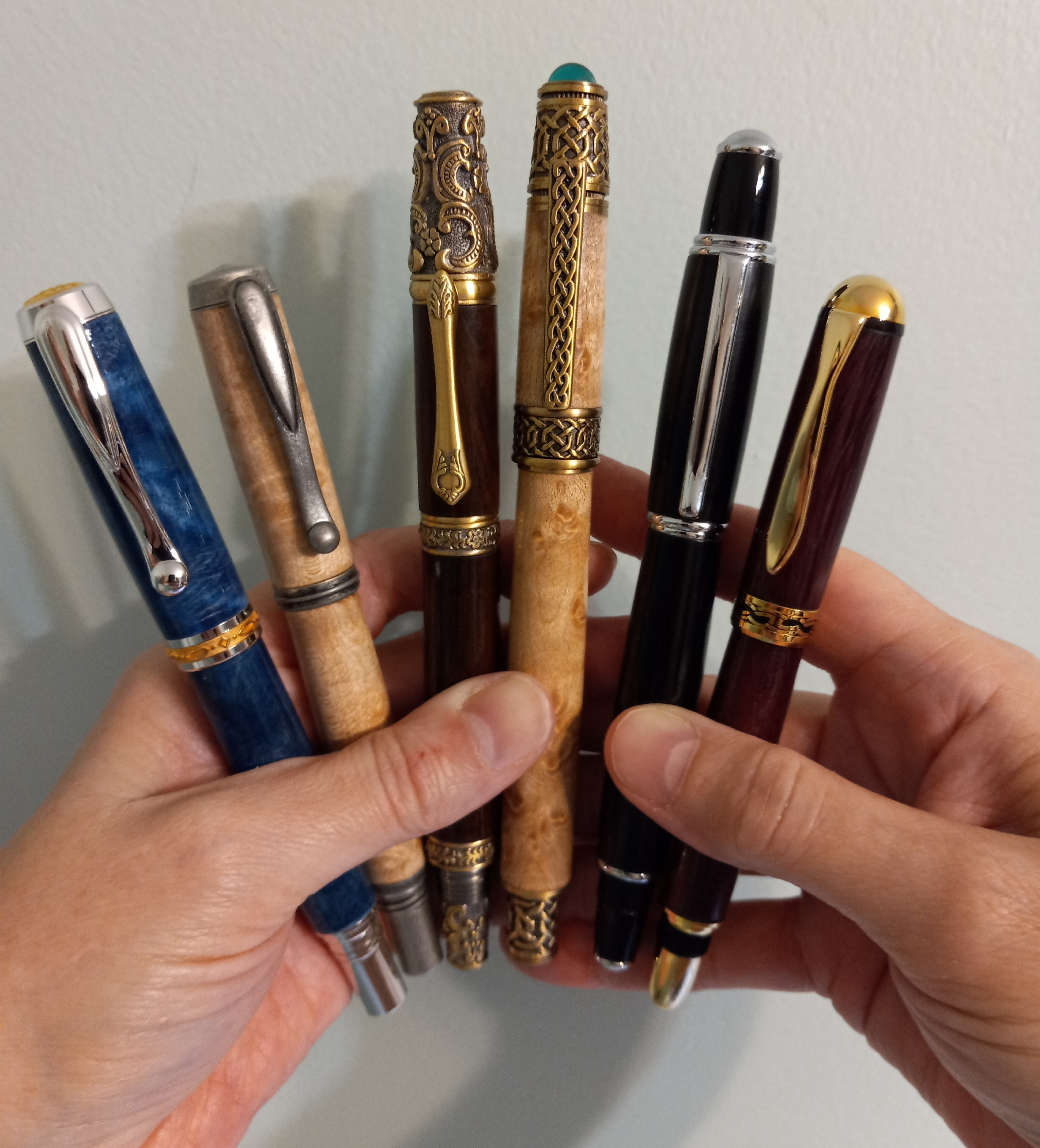
This is where my friend, Art, comes in. Art creates gorgeous fountain pens, rollerball pens, and refillable ink pens. There is something about holding one of these affordable treasures in your hand that inspires writing in ways that a Bic pen just doesn’t. I promise you’ll feel more connected to your craft because you’ll want to write something worthy of the pen! Even if you’re crossing out a portion you don’t care for, you’ll enjoy doing so with ink in your personal color preference. Don’t be surprised if you find yourself fantasizing about using your classy pen to autograph your published book.

Keep It Simple

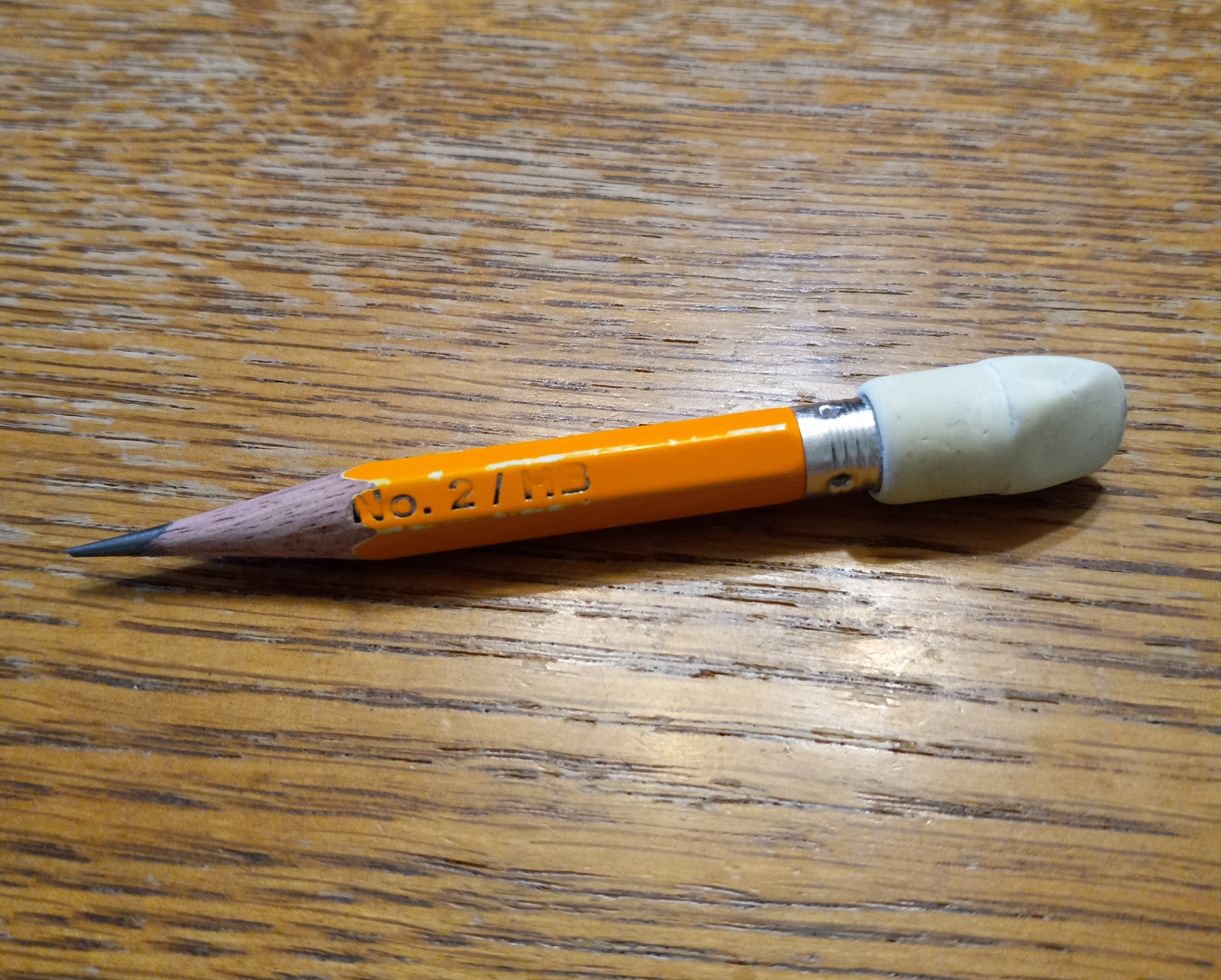
Let’s not forget the humble pencil, however. Whether you enjoy a refillable mechanical or a good ole wooden No. 2, pencils lend that forgiving quality to your writing known as the eraser. Just make that purple prose disappear for good with a couple abrasive scrubs across your paper. What’s more, use your pencil on paper that has a good tooth, i.e., a little grain to the page. The sound of a pencil scratching across gritty paper is the sound of progress being made. You’ll come to love it.

Not This Time, ThinkPad

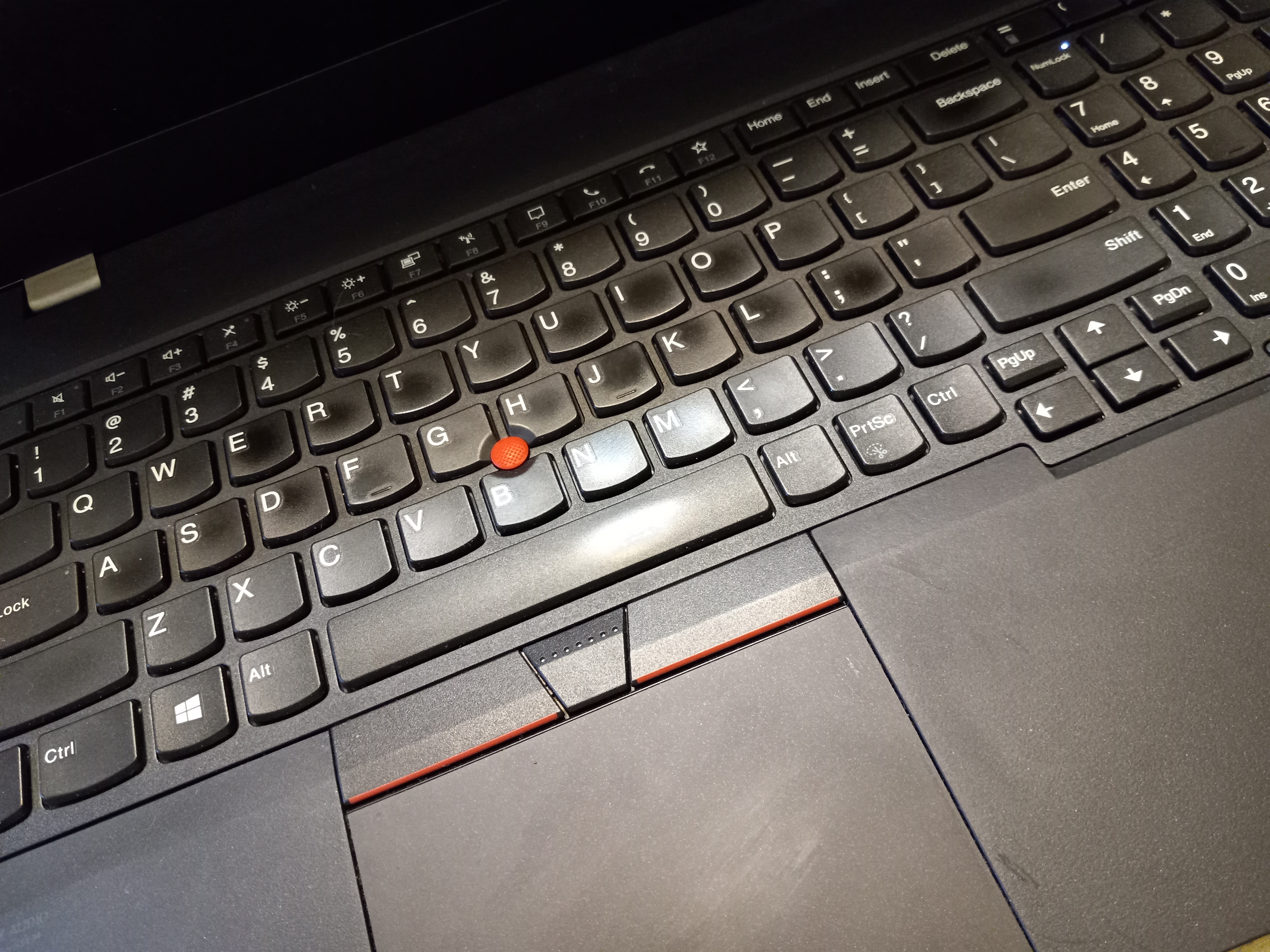
Did you notice I haven’t mentioned creating straight to a laptop? Technology has its place in the writing process but allow me to share a bit of advice. Using a pen or pencil to write will slow you down, and that’s a good thing, especially in the initial stages of your work in progress. We’re so afraid we’re going to forget a great piece of writing when, in fact, what we’ve failed to do is get our thoughts in order. Bullet point your ideas, organize them, and write in longhand or, if you truly want to sharpen your focus, print in all capital letters. This technique will help you find your groove.

Let me know in the comments which you prefer for capturing that next great piece of writing—pens or pencils.