How I Cheated at NaNoWriMo and Won

how-i-cheated-at-nanowrimoA couple years ago, my friend and fellow writer, S of JSMawdsley, talked me into trying NaNoWriMo. She mentioned it at the writer’s group she facilitates at the library where we worked. At the time, I was mainly a short story writer and dabbled in the occasional picture book. As luck would have it, I had an idea for a novel in mind, and NaNoWriMo seemed like the perfect way to get it out of my head and on my laptop.

Being new to the world of NaNoWriMo, I didn’t prepare at all. I just started writing on November first and quit on November thirtieth. I had 50,000 words, which satisfied the requirements of NaNoWriMo, but I didn’t have a complete novel. What I did have was a lot of work ahead of me and the conviction that maybe I really hadn’t won.

At this point, S would probably have told me I needed to outline my novel, but the first thing I discovered from writing such a lengthy piece is that I’m a pantser. I plot a little when approaching my writing, but I love to explore the rabbit trails because that is where I discover my best writing. My opinion on pantsing can be read here: Are You A Pantser?

So, did I win NaNoWriMo or did I cheat? I started at about the last one-third of the novel because I had the most information for writing that portion. In short, I learned the valuable lesson of researching before you write especially if it’s for a contest such as NaNoWriMo. You don’t want the added stress of trying to conduct research while keeping up a word goal.

I pressed on throughout the year editing what I had written and creating the rest of the novel as I wanted it to be. I researched more thoroughly and ended up chucking quite a bit of what I wrote for NaNoWriMo. Again, part of that was my fault, but I also wondered if one 50,000-word novel every year is what I wanted. Is that what the creators of NaNoWriMo want?

I suspect and sincerely hope the purpose of NaNoWriMo is to keep people writing because that’s what I did. Before I knew it, November had rolled around again, and with it NaNoWriMo. I wasn’t finished with my first novel, so why on earth would I abandon it for the added pressure of creating a new novel. Admittedly, I had no new ideas at the time, and I didn’t want the burden of coming up with one. Also, there was no time to research even the slim ideas that passed through my head.

Instead, I cheated, and I cheated grandly! I signed up for NaNoWriMo, and without a single ounce of shame, I re-entered my novel, The Secrets of Dr. John Welles. Dr. Welles’s story was almost complete, but I needed a little motivation to finish the missing chapters and tie it all together. NaNoWriMo provided this inspiration by keeping me on track with a daily word goal, but it also became a beneficial editing tool. If I edited my daily word goal, I counted it along with any new writing.

What I achieved wasn’t another half-baked novel, but rather a well-written, well-edited novel with which I was extremely pleased. A titch more editing after the fact, and Dr. Welles was ready for the hands of beta readers.

I took a couple years off from NaNoWriMo, but the point of the contest was always close to my heart. I knew I couldn’t devote time to a new novel and make The Secrets of Dr. John Welles all I wanted it to be.   Then there is the fact that when story inspiration comes to me, I have to begin which sometimes means starting before NaNoWriMo starts. Yes, there is Camp NaNo, but my heart belongs to the original taking place in November.

When NaNoWriMo rolled around this year, I was already a little over halfway through my current novel. During the month of October, I had to set my writing aside to prepare for my son’s Eagle Scout Court of Honor. When I was ready to restart, good ole NaNoWriMo once again came to the rescue as a means up jumpstarting my writing. Although I didn’t sign up with the official website, I created a spreadsheet to track and tally my daily writing goal. I’m using it to finish the current novel, for which I am prepared research wise, as well as for any writing I do that can be published including my blog posts.

Yes, that’s cheating because it’s not a single new novel of at least 50,000 words. But again, I have to believe the heart and soul purpose of NaNoWriMo is to keep writers writing. That is what I am doing.


One Little Letter Makes All the Difference

UNITED STATES - CIRCA 1950s:  Businessman with worried expression.  (Photo by George Marks/Retrofile/Getty Images)

Today’s The Weight of Words is one I’ve seen popping up with some frequency on Facebook. I’m sure it was a simple error in typing and not a misunderstanding or lack of knowledge that led to the misuse of then when what the person really meant was than. But just in case, let’s revisit exactly when, how, and where one would use then and than.

When considering which word to use, remember then, mainly an adverb, deals with the element of time. Think what comes next or after and apply then to the sequence of events. It can also be used in Ifthen constructions. Don’t forget using then as a noun meaning that time (fifth example) and as an adjective meaning at that time (sixth example).

EXAMPLES:

I’ll mow the grass and then I’ll play golf.

We watched television and then we went to bed.

She made dinner and then her family ate it.

If you don’t complete your chores, then you aren’t going to your friend’s house.

I wanted lunch at 11:30, but then was not a good time.

My then sister-in-law stays in touch with me since the divorce.


Than, a conjunction, is used when comparing things. Think instead or rather. A choice may be involved.

EXAMPLES:

I’d rather play golf than mow the grass.

We prefer watching television than going to bed.

She’d opt for dining out rather than making dinner for the family.


Also keep in mind than has no one-word synonyms whereas then has many synonyms that can be used as replacements except in Ifthen constructions where then is usually required when paired with if.

Comfort Food

comfort-foodThe spring of 1920 sees the end of a turbulent time in the life of Johnny Welles. Three tragedies for which he feels responsible plague him until he seeks to escape the only life he’s ever known. Nothing his stepmother, Collie, or his three older siblings do helps to put Johnny’s mind at ease. Prudence Welles Mayfield, the aunt Johnny has never met, provides the solution to her nephew’s grief.

Prudence visits the Welles farm when Johnny is twelve with the express purpose of taking him to live with her in Baltimore. She has an agenda that will not only please her nephew, but will also satisfy her own hidden desires. Without waiting for an invitation to lunch, Prudence seats herself at the kitchen table to eat the simple, delicious food Collie prepared and reveal her plan.

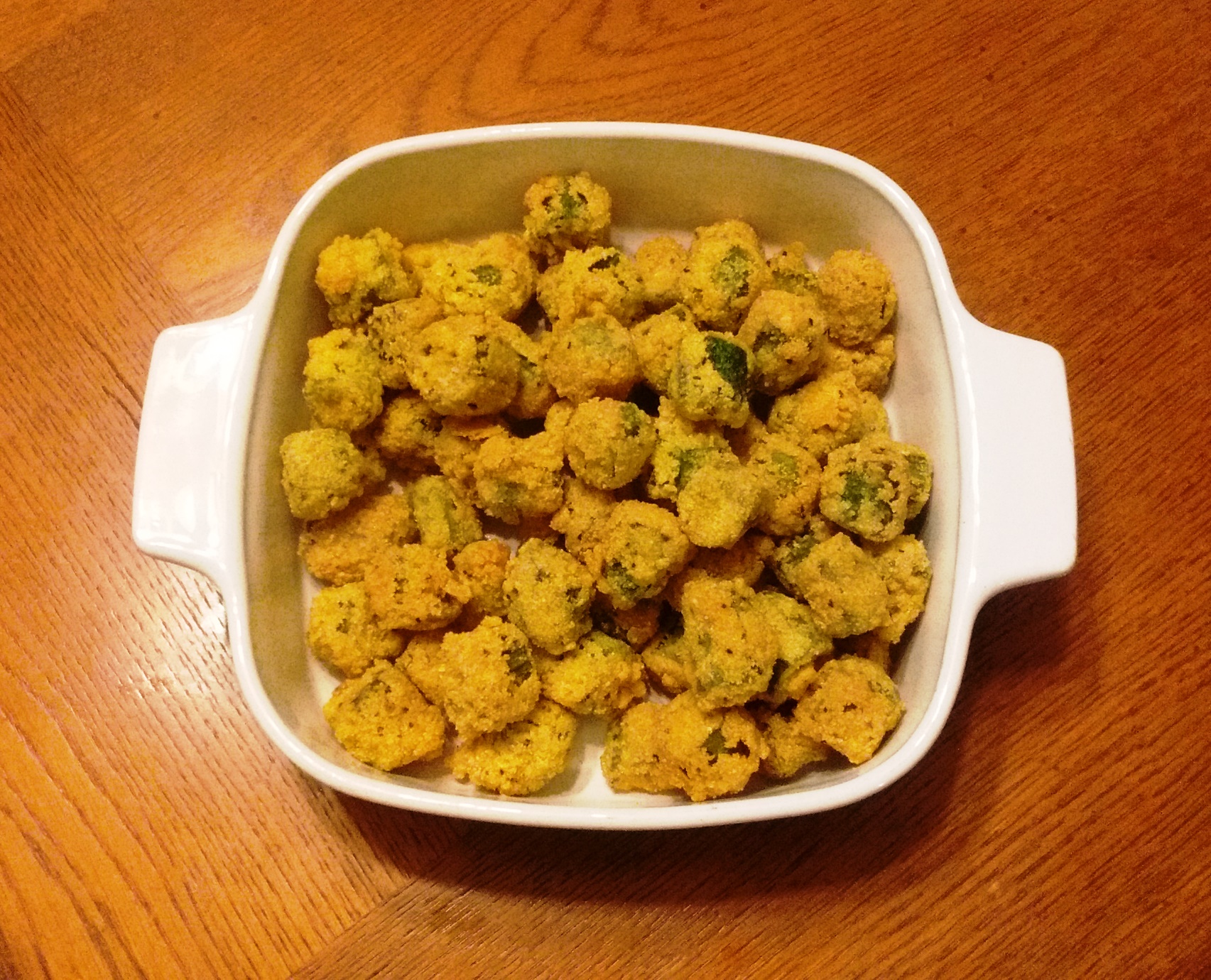
I had fried okra in mind as a side dish when I wrote the scene above. It’s amazingly simple to make, but tastes incredible. The great thing about okra is that it can be canned for frying and enjoyed in the middle of winter or any other time the vegetable is out of season.  Simply open a jar, don’t rinse it, and proceed with the following recipe.

Collie’s Fried Okra

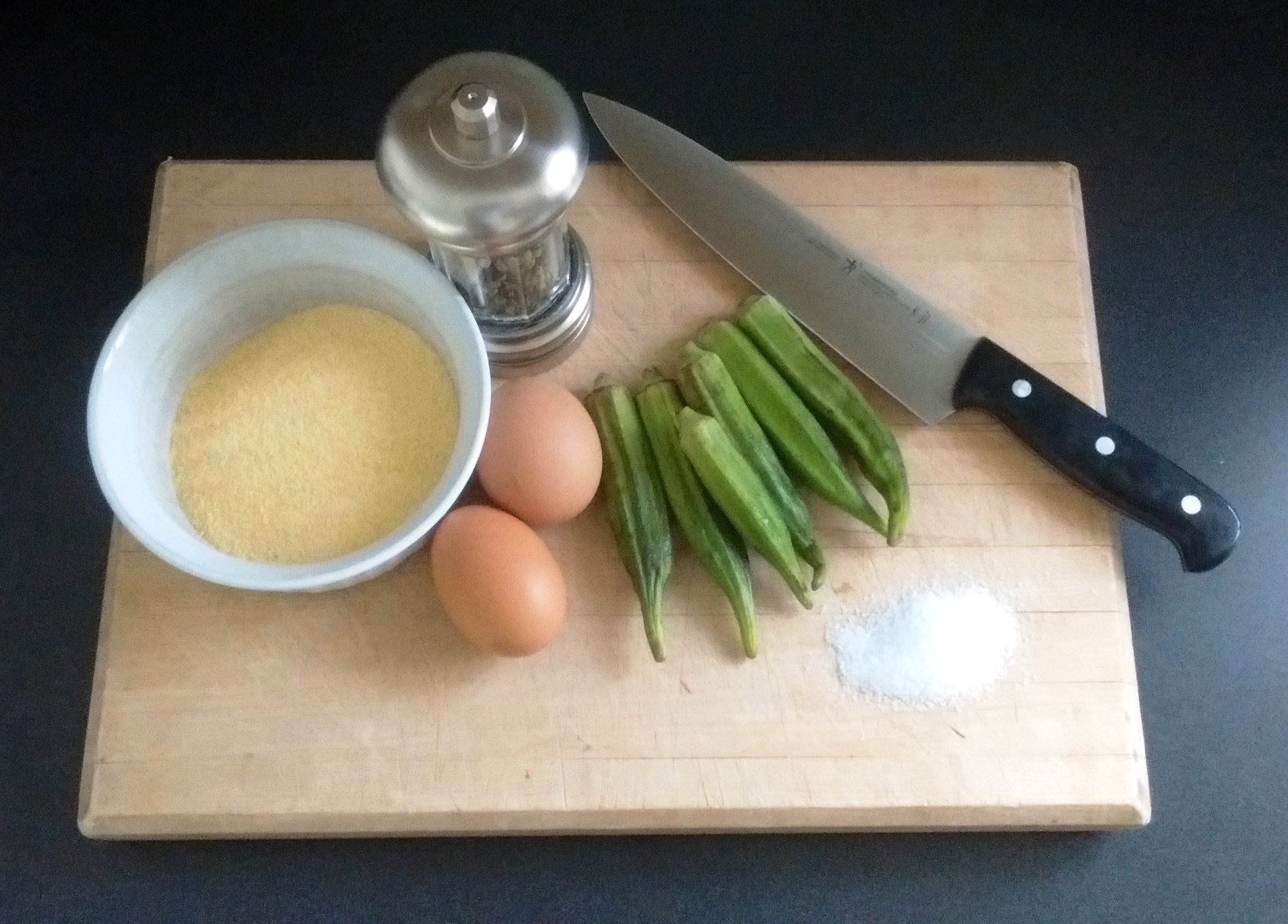
1 lb. fresh okra (choose small, bright green pods free of rust or black spots)

1 egg

Tabasco

1 c cornmeal

3 T flour

1 ½ t sea salt

½ t black pepper

⅛ t cayenne

Dash of garlic powder, optional

Peanut and/or canola oil for frying

Bring about one inch of oil up to 400° in an electric skillet or in a cast iron skillet with a thermometer to gauge the temperature.

Wash the okra and pat dry. Trim both ends and cut into ½ inch pieces. Mix the cornmeal, flour, salt, pepper, and cayenne. Add garlic powder to this step if using. Toss the dry ingredients with a fork to blend.

Break the egg into a bowl and add several hearty dashes of Tabasco. Beat the egg thoroughly. Dip one-third of the okra in the beaten egg and toss to coat. Transfer the okra to the dry mixture and stir to ensure the pieces are thoroughly covered.

Carefully float the coated okra in the heated oil in small batches. Allow them to cook on one side then turn them to finish cooking on the other. When the coating is golden brown, transfer the okra to a paper towel-lined plate to drain. Repeat with the remaining okra.

Season with more sea salt if desired. Keep the okra warm in a baking dish in the oven while cooking in batches. Serve warm.

Enjoy!

comfort-food-4

A Soldier’s Story – Omar N. Bradley

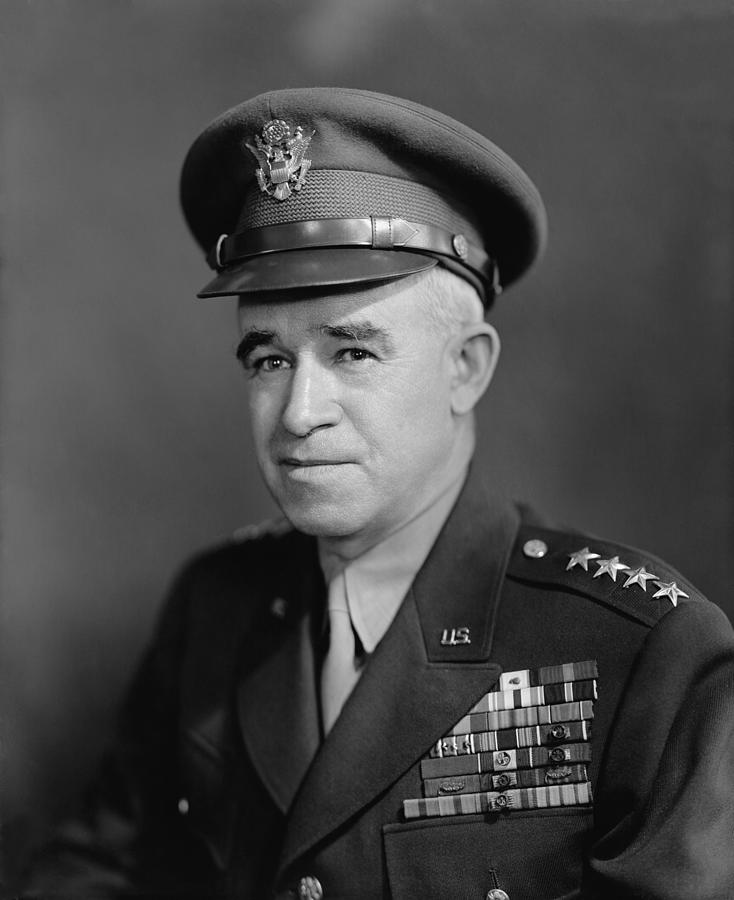
a-soldiers-storyA Soldier’s Story by General Omar N. Bradley is one of the most profound books I’ve ever read.  My friend and fellow writer, William Alford, loaned Bradley’s autobiography to me as a source of research for my novel, The Secrets of Dr. John Welles.  My research required a closer look at World War II, such as those provided by doctors and nurses (And If I Perish, Heroes From the Attic), but I still read Bradley’s account of the war, and I am extremely glad I did so.

He prefaces his autobiography with the inscription, “To those soldiers who must often have wondered WHY they were going where they did.  Perhaps this will help answer their questions.”

I believe Bradley answered these questions truthfully and without the ego that might have come from a lesser man achieving such rank and accomplishing what Bradley did.  As for the tough issue regarding loss of life, he explained how every move made by troops was analyzed and not conducted until the loss was the lowest number possible.  The decision to go ahead, shouldered by Bradley and other men like him, was not taken lightly, and it is not one I would ever want to have.

There are many who would argue that the war was unnecessary, but I concur with General Bradley:  the evil that swept through Europe wasn’t going to go away on its own.  Even with the combined forces of the Allies, the battles were not easily fought or won.  Perhaps unavoidable would be the better word choice in regards to World War II.

Bradley was against actions such as taking a site simply for the prestige of location.  Yet when other commanders’ egos swelled, he remained cordial with them even while strongly disagreeing with their decisions and/or actions.  He went so far as to put his career on the line to get the truth out to the American public regarding one such instance.

Further testimony to Bradley’s humility and strength of character are his accounts of his friend, General Patton.  Bradley spoke frankly about the times Patton overstepped his bounds, yet he never criticized in a way that tore Patton down.  When Patton was placed under Bradley’s authority, the two men worked together quite well and held each other in high regard.

Bradley includes comments from Prime Minister Winston Churchill that are chilling predictions come true.  Considering that the conversation took place in 1945 and wasn’t published until 1951, when Churchill says, “There may come a day when we shall walk into a cabinet room, break the glass over a switch, dial to the nation to be bombed, and push a button to declare war,” I can’t help but wonder if this technology was in place long before we were aware.  More unsettling are Churchill’s words, “But we shall never sit by and permit a minority to force its will upon a helpless majority anywhere,” which speak to the current world situation.

The book concludes with the end of the war in Europe, an occasion that was no doubt worthy of celebration, but I was left with a feeling of melancholy that I could only attribute to the realization that the type of patriotism displayed during World War II no longer exists.  Still, I believe that Bradley’s explanations successfully bridged the gap between those in command and those in the field.  I highly recommend A Soldier’s Story as a worthy read.