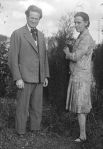
 One of my favorite topics of research for my novel, The Secrets of Dr. John Welles, was for an architect to build Prudence Welles Mayfield’s mansion.
I started by Googling architects for the era in which her house was built. The list, which I believe came up on Wikipedia, gave a brief synopsis for each architect. There were many interesting choices including Frank Lloyd Wright. As appealing as I find Mr. Wright’s style, I didn’t want someone quite so famous or well known for my novel. I’m not exactly sure why.
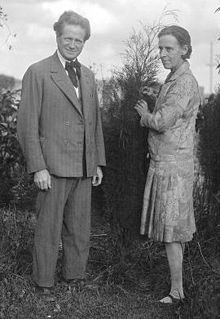
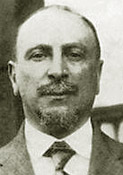
I kept reading through the list of architects, noting several who were of interest to me,  when I came across Walter Burley Griffin. I wish I had the original paragraph regarding Mr. Griffin. Between what I read and pictures of him I found online, I knew he was perfect for building Prudence’s dream home.
Adding to my choice of architect was Griffin’s wife, Marian Mahoney Griffin. Marian was an outspoken, artistic woman. She was the second woman to graduate with a degree in architecture from the Massachusetts Institute of Technology and the first licensed female architect in history. These 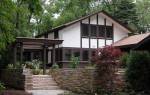 facts alone made her a believable choice for my forthright character, Prudence. I imagine these two ladies would have worked wonders together.
The next thing I needed to do was locate a neighborhood in Maryland that would be suitable for Prudence’s fabulous mansion. Again, after researching several well-to-do areas where her home could be built, I decided on the community at Guilford. This is one detail where I took some liberties in my novel.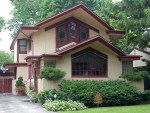
You will most likely not find a home such as those built by the Griffins in a neighborhood like Guilford, however, Prudence wasn’t the type of woman to be told no. If she wanted her house built in Guilford, then the developers of the neighborhood would have had to resign themselves to the fact that her home was going to be built in Guilford. As mentioned in my novel, a generous donation from her husband, Wallace, toward the development of streets and parks went a long way to smoothing over her demands.
The last detail I needed for Prudence’s mansion was a name. I hoped to come up with something memorable and elegant like Falling Water. Even though the home I created was fictional, I wanted it to have an impact upon my readers to the degree that they would always remember the  sprawling mansion as if they had walked through it themselves. Maybe based on the fact that I used real architects and a real neighborhood, they would even go in search of data to see if the house actually existed.
I wish I could find my original, handwritten manuscript and/or notes so I could tell you some of the names I worked on for the mansion. Thinking about them now, I have to laugh to myself; they were that ridiculous. Of course, that’s why we writers edit, right? In the end, I settled on Mayfield House for Prudence’s home because the design, building, and habitation thereof really were all about her. In its simple elegance, Mayfield House proved to be the best choice.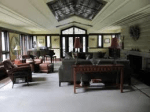
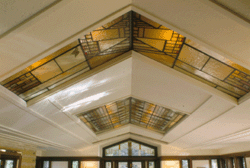
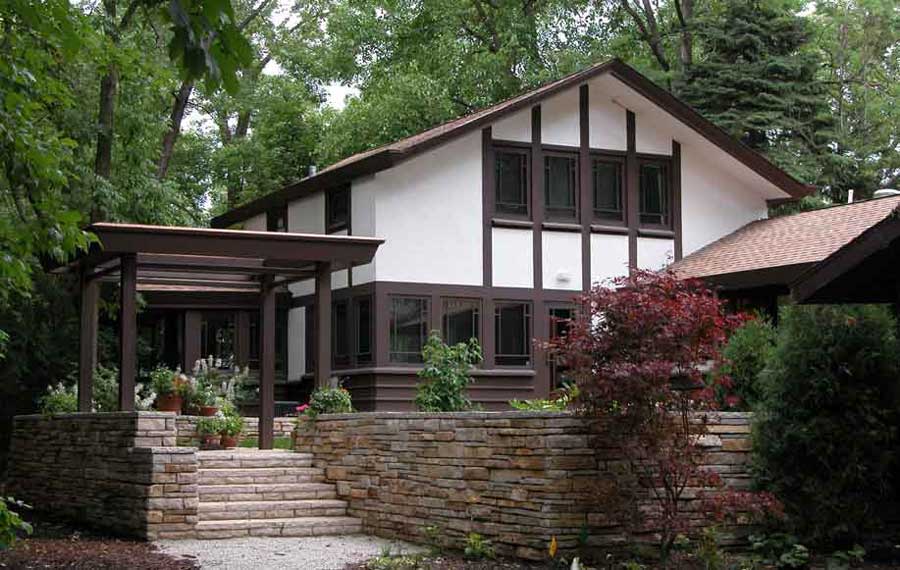
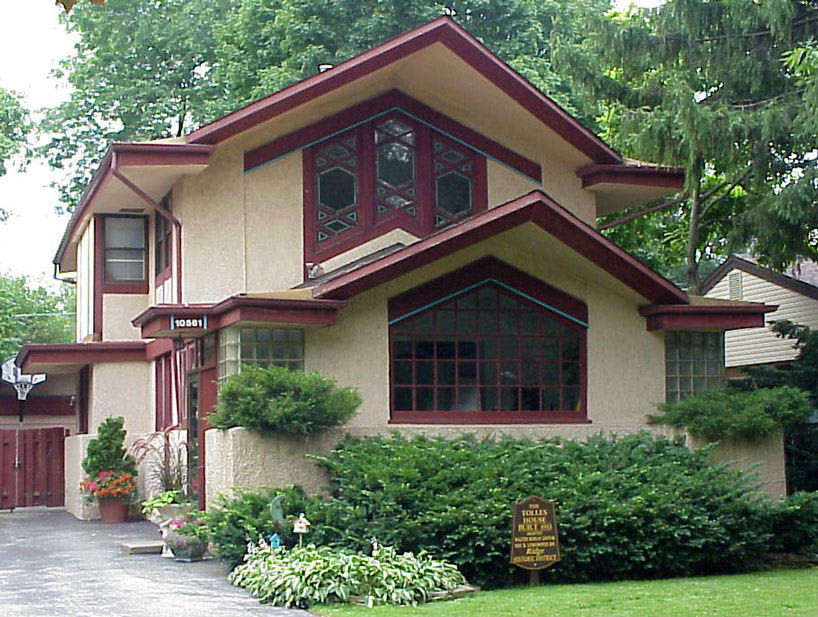
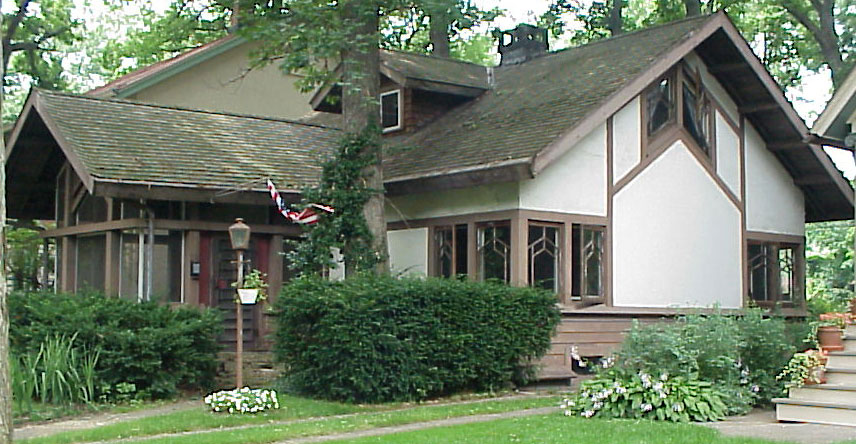
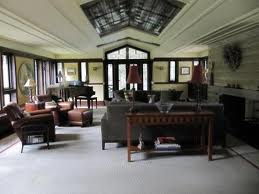
I have included several pictures within my post to give you a feel for what Mayfield House would look like and a link to other homes built by Walter Burley Griffin. I hope you enjoy mentally walking through Prudence’s home. Please remember to wipe your shoes at the door. (Prudence’s words, not mine.)
 The Lark Ascending, by Ralph Vaughn Williams, is an exquisitely beautiful and haunting piece of music that perfectly captures the joy of returning from war and the pain of what had to be endured. I believe it was nothing short of Divine coincidence that this piece played while I attempted to write what my main character, John Welles, would have experienced as he returned from the European theater of World War II.




 hl gibson, author