This one isn’t a quote, but it does explain a lot with the perfect visual. Shabbat Shalom, dear friends. May your weekend be peaceful and productive.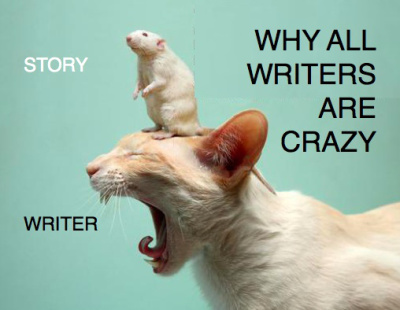
Category Archives: Writing Toolbox

Quotation Station
I’ve been rather hard on ole F. Scott lately, so I thought I’d feature a quote from him to make amends. Shabbat Shalom, dear followers. May your weekend be peaceful and productive.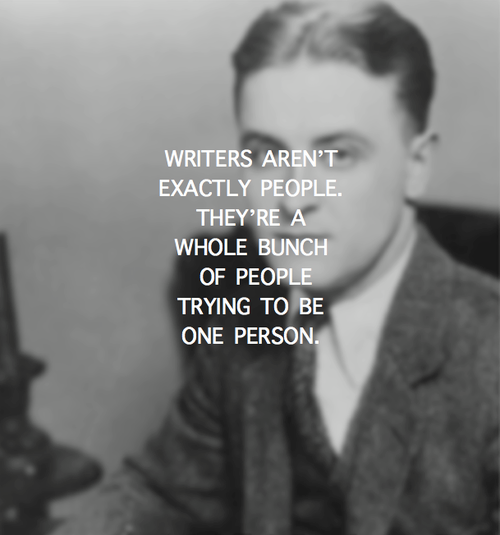
Share this:

Quotation Station
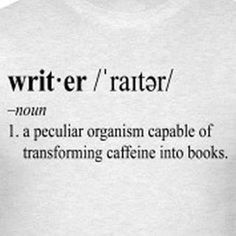
Wishing all my Friends a peaceful and productive weekend! Shabbat Shalom!
Share this:

Just a Titch

No, this is not me!
I am on a roll with The Weight of Words this week. Microsoft Word keeps telling me that titch isn’t really a word. Every time I type it, the red squiggles instantly appear beneath it. Since I used it in yesterday’s blog post, I feel obliged to pay homage to tiny, little titch.
I first heard titch as a teenager while trying to explain to the stylist about to perm my hair into a mass of curls that would make any teen of the ‘80s green with envy exactly how little hair I wanted removed prior to perming. She assured me that any hairdresser would understand I wanted nothing more than the dead ends cut off if I simply told him or her to cut just a titch. Lo and behold, to this day, her advice holds true.
Titch is informal British for a small person. The slang originated in the 1930s from Little Tich, the stage name of Harry Relph, an English music-hall comedian of small stature. Apparently, Relph earned the nickname because he resembled Arthur Orton, the Tichborne claimant.
Somewhere along the way, it came to mean a small amount, to tut-tut someone in disapproval, or a small child.
I’ll have a titch of coffee before I go.
Titch—you ate all the cake and didn’t save me any?
He’s just a titch of a thing who hasn’t grown much in the past year.
Fortunately, you will not need to expend several cans of Aqua Net to employ the word titch.
Share this:

Using Vulgar Language
I’m not bragging when I say I read voraciously. Ever since I discovered reading as a child, it has been one of my absolute favorite pastimes. My personal library attests to this as does my activity on Goodreads. Reading has added a few words to my vocabulary that I didn’t think were all that unusual, but apparently they are. One such word is unbeknownst. I don’t use it all the time and I’m certainly not trying to sound haughty when I do. It appears a few commentators do not agree with me.
Today’s The Weight of Words is in honor of unbeknownst, a humble adjective usually used with ‘to’ that simply means happening or existing without the knowledge of a specified person or persons.
Unbeknownst to my mother, my brother and I are planning a surprise birthday party for her seventy-fifth birthday complete with a cruise to Hawaii as a present.
According to one site I checked, the first known use of unbeknownst was in 1626, so yes, it probably does sound a little archaic. But that doesn’t render the word useless or worthy of exclusion from the English language. I used it recently in a blog post which prompted this post in turn!
Unbeknownst derives from beknown, an obsolete synonym of known. Unbeknownst has widespread usage, including appearances in the works of Charles Dickens, A.E. Housman, and E.B. White, yet despite its candid history, unbeknownst has caused a ruckus among usage commentators. It has been called everything from “obsolete” to “vulgar.”
 I’ll continue to use the word, especially since it still crops up in new writing, and unbeknownst to those who have no idea what it means, I shall talk over their lazy, empty heads. Okay, now that did sound a titch haughty.
Share this:

Triple Play on Words
 Today’s The Weight of Words arose from a conversation I had with a Facebook friend regarding which flavor of MoonPie appealed to my palate. I paused over what I had typed, and since I’m a writer (and it would look bad to post a typo) and a perfectionist, I took a moment to double check myself.
Turns out I used the correct spelling of palate which refers to the taste of something, one’s preference in taste, and the top of your mouth.
Her discerning palate detected the flavor of oak, apples, and honey in the chardonnay.
Banana MoonPies reign supreme on my palate!
Touch your tongue to the roof of your mouth to feel the hard and soft palate.
Palette can be the board upon which artists place dollops of paint or a range of colors.
She mixed cerulean and cobalt blue on her palette to create a most beautiful shade for clouds.
The sunset was a palette of subtle pinks and smoky purples dashed with mandarin orange rays.
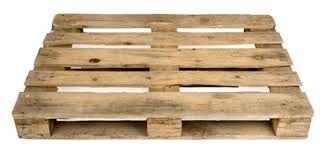
Pallet is a platform used for moving things. It can also refer to a small bed or straw mattress.
The warehouse workers loaded the pallets with dry goods before shrink-wrapping them.
Mother made a small pallet of blankets on the porch during summer for us to sleep on.
Sidebar: Did you know that MoonPie has a website where you can buy the delicious treats and other cool stuff!
Share this:

Quotation Station
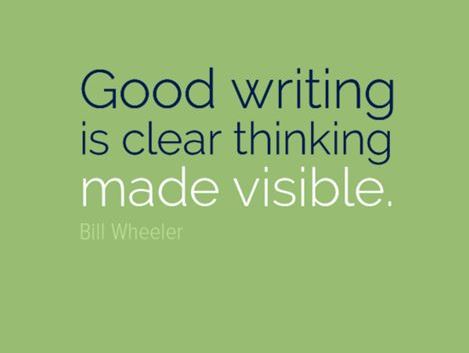
Shabbat Shalom Dear Friends! Wishing you a peaceful and productive weekend!
Share this:

Brilliant In Its Simplicity
 In continuation of providing support to my fellow writers, today’s blog post offers further assistance with the publication of your short story. I touched on how to format your short story for submission, but now I’ll address the query letter. I don’t know about you, but those two simple words often strike fear in my heart. After working so hard on your piece of writing, now you have to craft a brilliant letter to entice your chosen agent or editor in the hopes of receiving publication of your short work or a request to see more of your longer pieces.
The good news is that a query letter to accompany your short story is more like a cover letter. You’ll probably spend more time researching magazines that are compatible with your work than you will crafting your submission cover letter. In fact, I’m amazed I have this much to say about one of the shortest things you’ll ever write. As an added bonus, this letter works for poetry, too.
Start you letter with your name and contact information at the top left-hand side of the document. Immediately following is the name of the editor-in-chief or appropriate genre editor and the name of the magazine. Next is the genre of the piece you are submitting.
Sidebar: I must admit that I didn’t know short story was a genre especially since many people indicate that a piece is fantasy, horror, etc. I double checked this because I always love to learn something new and pass it on. It would appear to be true. I suppose if one has written a piece in a more specific genre, such as those mentioned, you could state this. I also suppose one would be smart enough not to send a short work of romance to a sci-fi journal.
The word count for the short story comes next, or if you’re submitting poems, indicate the number you have included. A brief bio highlighting your previous publications should be included. If you are well published, congratulations; however, resist the urge to mention every piece you’ve ever placed. One or two of those placed with well-known magazines or journals will suffice. If your education is relevant to your writing career or topic of choice, include that as well. The same goes for your professional background.
Be sure to mention whether or not your submission is simultaneous. There are a few places that will not accept a simultaneous submission, and I will withhold my opinion about them. Some editors assume a submission has been sent to multiple magazines/journals, but they still want this noted. Quite frankly, I can’t imagine why one wouldn’t be sending out simultaneous submissions especially if he or she is attempting to build reputation as a writer. When your piece of short fiction has been accepted, immediately notify and/or withdraw it from other places to which you have submitted.
The good thing about cover letters for short fiction is that they do not require a synopsis of the written work. Another unnecessary addition is your life story, so don’t be tempted to include it. Only short works of non-fiction need this type of information, and even then, filter what you include. Use good sense and don’t gush over the magazine/journal to which you are submitting. Don’t tell how many times the piece has been rejected.
And that, fellow writers, is the long and short of it.
Share this:

Short But Sweet Information
 I love finding valuable resources for writing, but even more than finding them, I love sharing them. One of my goals for my blog is to provide another place where fellow writers can find gems such as the two I’m featuring today.
In addition to writing novels, I churn out a short story from time to time. Now that I have a few stacked up like firewood, I thought I might as well submit them. Ah, but how to format a short story when I’ve been focusing on how to format entire manuscripts? Turns out it’s not all that different, and it’s actually quite easy.
The first link I’m providing is How to Format a Short Story Manuscript for Submission: a Checklist by Joe Bunting. Who doesn’t love a good checklist, right? In addition to this is a wonderful visual resource called Proper Manuscript Format: Short Story Format by William Shunn. Mr. Shunn is brilliant when he not only tells us how to format our short fiction, but he shows us what it should look like as well.
I hope you find these helpful, and that you’ll pass on the useful information.
Share this:

Quotation Station
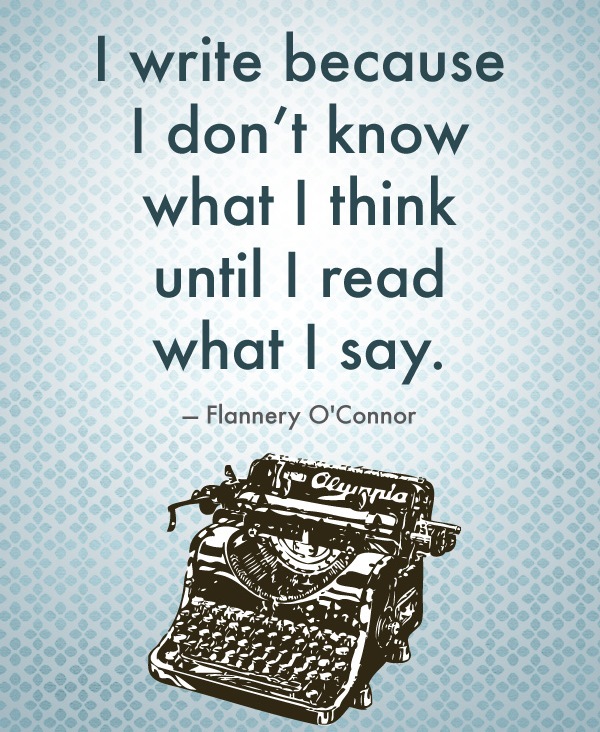
Shabbat Shalom to all my Friends! May your weekend be peaceful and productive!

 hl gibson, author