Do The Mash

do-the-mash-1Mashed potatoes figure in to my novel, The Secrets of Dr. John Welles, in a couple places. As I mentioned when I started Edible Fiction, I love to feed people whether real or imagined. For real people, it’s because I enjoy watching them appreciate what I’ve prepared. For my characters, I have discovered that food is an extension of the scene taking place and/or their personalities.

For Marian Watley Welles, wife of Johnny’s older brother, James, she attacked several mounds of mashed potatoes tipping off her mother-in-law, Collie, to the fact that she was pregnant. In fact, Collie’s suggestion to have another helping and Marian’s willingness to comply was what made Collie so sure of her daughter-in-law’s pregnancy. What hungry first-time mother could resist one of the ultimate comfort foods?

Another instance where I employed mashed potatoes was during Prudence’s first visit to the Welles Family Farm. Along with the other items Collie prepared for dinner, mashed potatoes featured on the menu. I wished to convey a homey setting complete with all the family favorites. Prudence forced herself into this scenario, upsetting the Welles Family, because deep in her heart, it’s what she longed for.

A high starch potato like Yukon Gold or Russet makes the fluffiest, smoothest mashed potatoes. They absorb flavors well (chicken broth when boiling, dairy when mashing). Avoid waxy potatoes like Red Bliss or fingerlings which have a tendency to turn gummy or gluey upon mashing. Choose one large potato per person when deciding upon quantity. I include one or two extra potatoes in case someone wants seconds or leftovers.

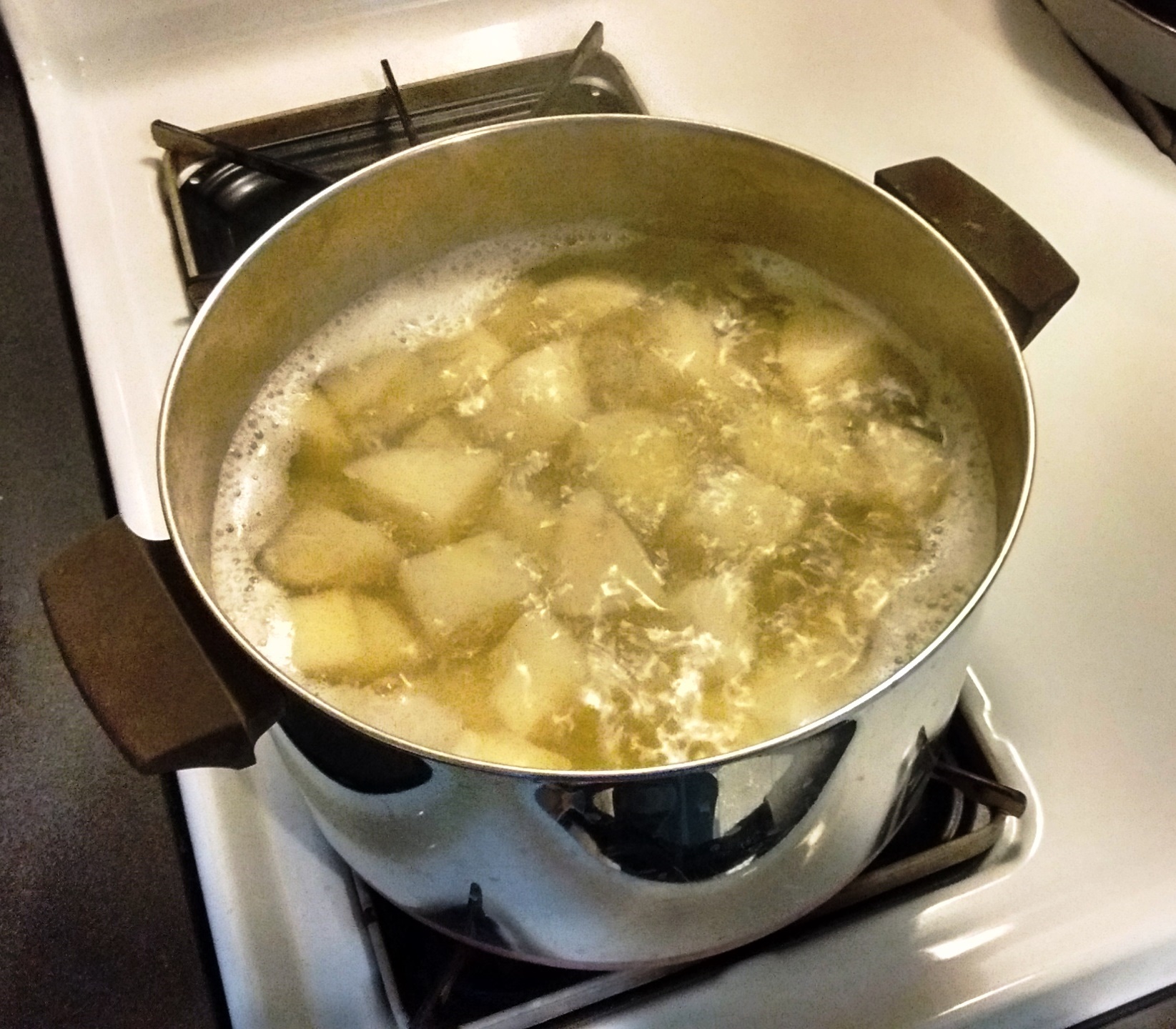
I didn’t used to believe it myself, but salting the water truly makes a difference. It’s the first step toward seasoning, so don’t skip it. Also, start with cold water to ensure even cooking. On the other hand, when adding your butter and cream, they should be warm. I do this in the cooking pot while my cooked potato chunks are draining in a colander. Your potatoes will absorb all the deliciousness of the dairy and you’ll have to work them less to incorporate the butter and cream. This means lighter, creamier potatoes.
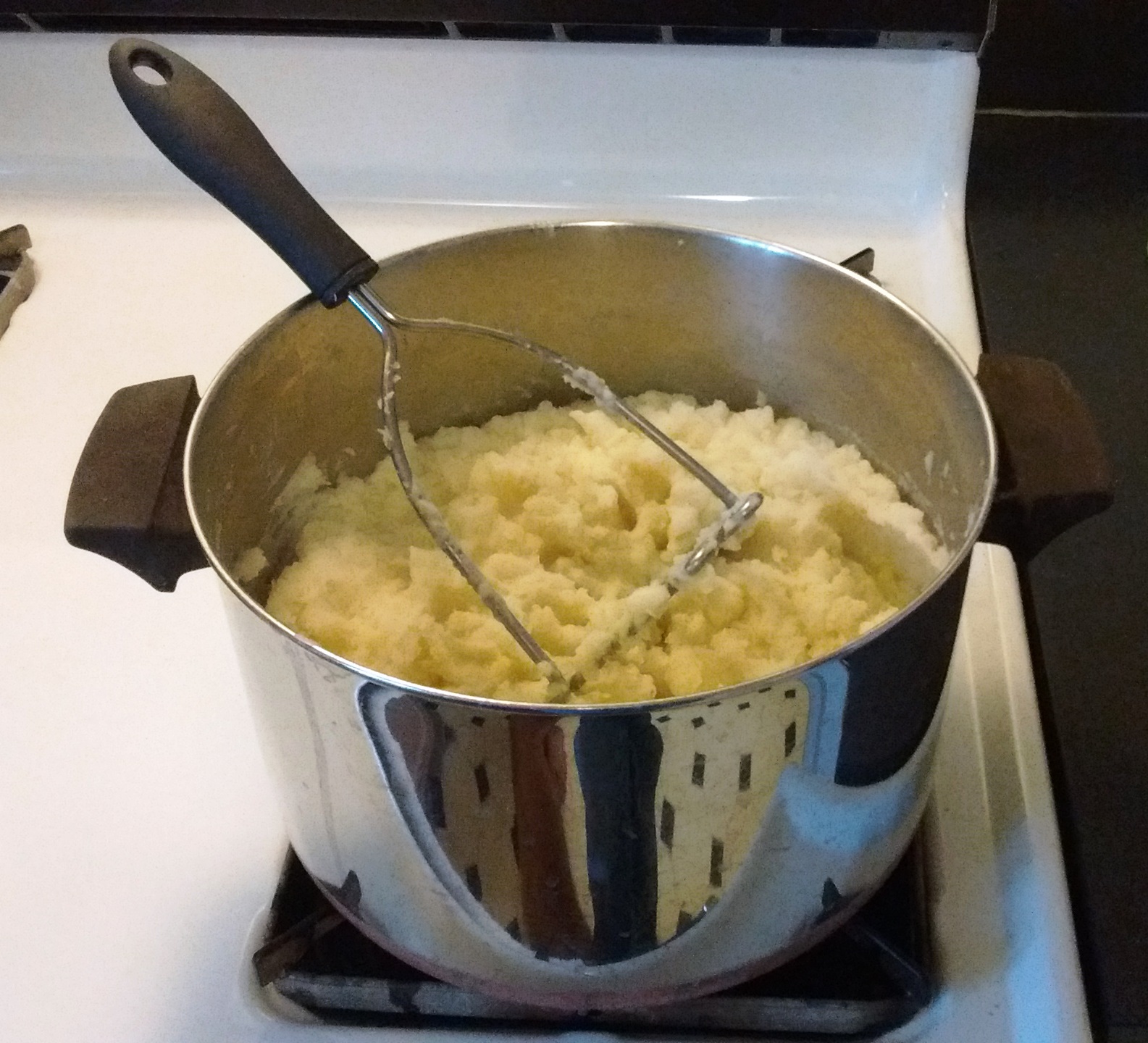
Weapon of Mash Destruction

Weapon of Mash Destruction

And since we’re on the subject of overworking mashed potatoes, put down the hand-held mixer, place the food processor back on its shelf, and tell your standing mixer you’ll see it later. These devices are too aggressive and will turn your potatoes into grainy food glue. Pull your potato masher from the drawer and gently mash your potatoes. Remember, lumps are not a bad thing in mashed potatoes; they add to the homemade quality. If you insist on completely smooth taters, non-electric ricers or food mills are the only acceptable, alternative tools.

Perfect Mashed Potatoes

Yukon Gold or Russet Potatoes

1 stick unsalted butter (This quantity for a full pot. Adjust to taste as needed.)

Sea Salt

Freshly cracked pepper (I use quad-colored peppercorns.)

Whole milk or heavy cream (Amount of liquid also dependent on quantity of potatoes.)

Choose one large potato per person. Fill a large cooking pot with cold water and about a teaspoon of salt. Wash, peel, and cut the potatoes into evenly sized chunks. Place the chunks into the water while working to keep the potatoes from turning brown or gray.

Bring the water to a boil and cook the potatoes until the biggest chunk is tender. Pierce with a paring knife to check for doneness. Drain the potatoes but do not rinse.

Melt the butter in the pot over a low heat and stir in the milk or cream. You may need to adjust the liquid based on the quantity of potatoes, but keep in mind that you want the potatoes creamy without being too dry or too runny.  Add the cooked potatoes to the butter and milk or cream.  Mash gently with a hand-held potato masher.

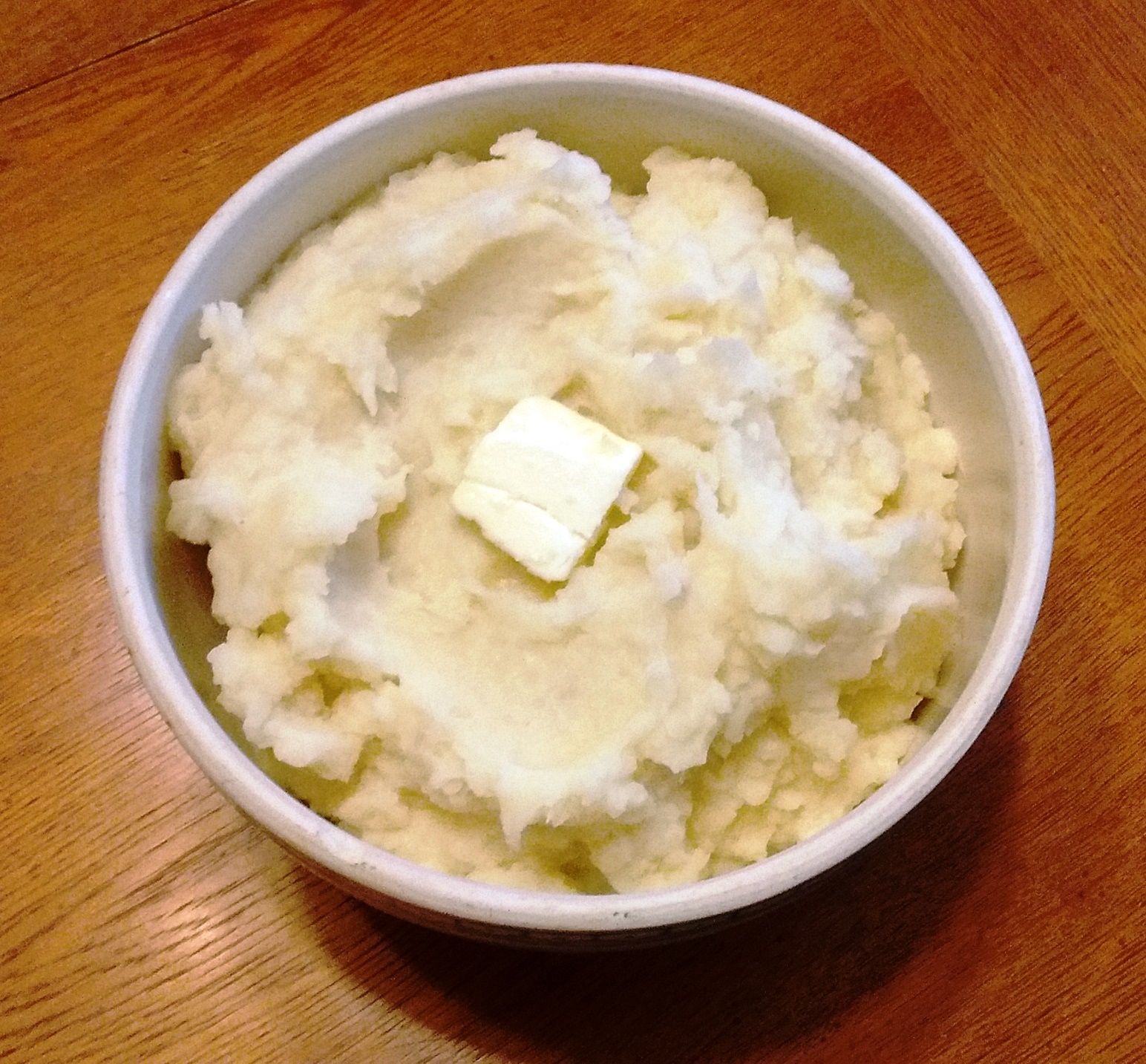
Season with salt and pepper. Transfer to a serving bowl.

Enjoy!
do-the-mash-3

Two Peas in a Pod

two-peas-in-a-podLike most children, Johnny Welles at twelve was rather oblivious to the world of adults going on around him. His life on the farm with his family consisted of happy days in which he lived secure in the knowledge that he was loved. And then his drunken father decided to return.

The devastation John Welles the elder inflicted upon the family would affect all of them for many years but Johnny most of all. Little did he know that help would come from an aunt he barely knew. His father’s sister, Prudence Welles Mayfield, supplied the much needed means of escape that would set Johnny on the course to becoming a doctor.

Prudence arrived at the farm just as Collie was setting dinner on the table. Without waiting for an invitation, she seated herself, dug in to Collie’s excellent cooking, and proposed the plan that would change Johnny’s life. One of the items on the menu was black eyed peas. The following recipe is the one I had in mind when I wrote the above-mentioned scene.

Black Eyed Peas

1 lb. dried black eyed peas

2 T unsalted butter

6 – 8 oz. pork shoulder, diced into 1/2-inch cubes

6 strips thick sliced bacon, cut into 1/2-inch pieces

1 medium onion, diced

5 garlic cloves, pressed

1 1/2 t salt

1 t freshly cracked black pepper (I used quad-colored peppercorns)

1/2 t crushed red pepper

6 cups chicken broth (I prefer low-sodium, low-fat broth)

2 bay leaves

Place the dried peas in a colander and swirl around to remove any loose shells or debris. Be sure to sift through with your fingers to remove larger unwanted particles. Place the peas in a large pot and cover with four inches of water. Soak them overnight, then drain the water and rinse the peas in a colander.

(Quick Soak: Sift the peas for debris, bring them and the water to a boil, cook for two minutes. Remove from heat, cover and soak for one hour. Drain and rinse. They are ready to use.)

Rinse and wipe the pot the peas were in then melt the butter. Add the pork shoulder to the pot and brown on all sides until there is a nice sear on the meat and brown bits formed on the bottom of the pot. Add the bacon, onion, and garlic, and cook until the onion has browned, almost caramelized. Be sure to scrape the browned tidbits off the bottom as it cooks.

Add the seasonings to the pot, being sure to coat the meat and onion evenly, and cook for about two minutes. Add the six cups of chicken stock and bay leaves. Bring the mixture to a boil, then reduce to a simmer, cover, and cook for about thirty minutes. When the pork becomes tender, add the peas to the pot and simmer until they are very soft, about 1 – 1 ½ hours. When the peas are finished cooking, you can purée one cup of peas and broth and return to the pot if you desire an even creamier consistency.

When finished cooking, remove the bay leaves and transfer the peas to a serving bowl. Vinegar, especially the hot-pepper variety, is often a condiment for this dish. There are also many stir-ins that people add based on the version of black eyed peas they grew up with. Consider a stalk of celery, a chopped red or green pepper, or corn during the cooking process. Some recipes even call for cooking with the bone from the pork shoulder.  Remember to remove it prior to serving.

Enjoy!

Getting Out of a Sticky Situation

getting-out-of-a-sticky-situationGladys Feldman, mother to Sam, is determined to make the holidays happy for one of her son’s best friends, Claude Willoughby. Sam and John are also trying to cheer up their friend who has been left in Maryland as punishment while his family returns home to Kentucky to celebrate Christmas.

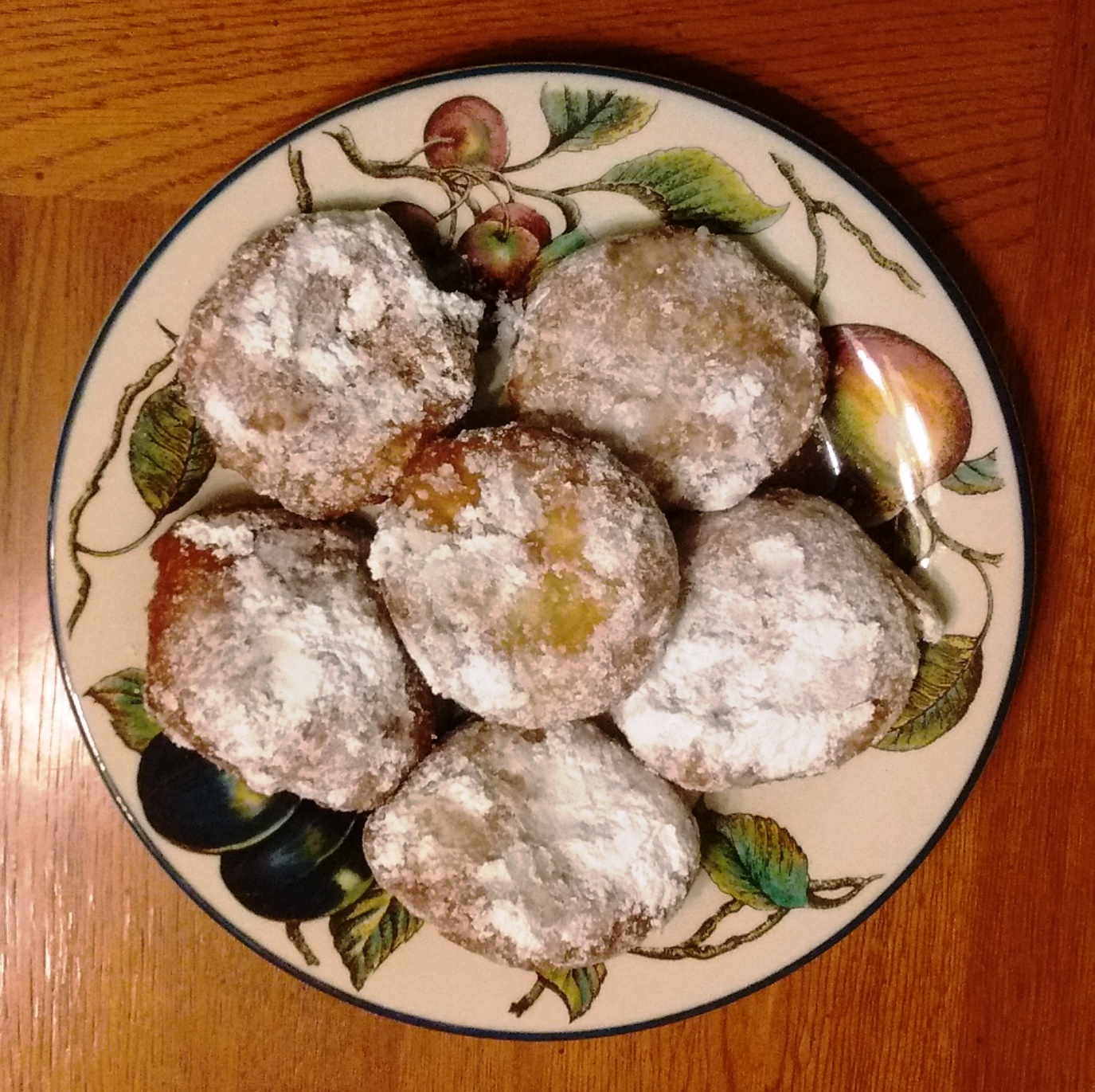
What the trio comes up with is an after-the-fact Chanukkah party to lift Claude’s spirits. Gladys invites her son’s friends over for a meal of brisket and latkes. As delicious as the meal is, the real fun doesn’t begin until she guides them through the process of making sufganiyot, and all four end up in a friendly powdered sugar fight before settling down to play dreidel.

The following recipe is the one I had in mind when I wrote the scene above. Sufganiyot are traditionally served at Chanukkah, but they are so easy to make that you’ll probably want to sample them a couple times throughout the year.

Enjoy!

Sufganiyot

1 package active dry yeast

1 teaspoon granulated sugar

¼ cup granulated sugar

3 ¾ cups all-purpose flour

¾ cup whole milk

6 tablespoons unsalted butter

1 teaspoon salt

½ teaspoon ground nutmeg

2 large eggs

4 cups vegetable oil, for frying (I used canola)

1 cup seedless red raspberry jelly or other favorite jelly flavor

Powdered sugar for sprinkling

Mix the yeast, one teaspoon granulated sugar, and ¼ cup warm water (105 to 115 degrees F) in a large bowl (preferably not metal). Let stand until yeast mixture foams, about five minutes.

With a wooden spoon, stir flour, milk, butter, salt, nutmeg, eggs, and remaining ¼ cup granulated sugar into yeast mixture until evenly blended. The dough will be very sticky. Cover the bowl with a clean cloth towel, and let the dough rise in warm place (80 to 85 degrees F) until doubled, about 1 ½ hours.

With floured hands, punch down the dough. Turn the dough onto a heavily floured surface, and let rest ten minutes. With floured hands, pat the dough ½-inch thick. With a floured, three-inch round biscuit cutter, cut out as many rounds as possible. Place the rounds, about two inches apart, on lightly floured cookie sheets. Gently press any trimmings together. Repeat steps above. Cover the rounds, and let them rise in a warm place until doubled, about one hour.

In a ten-inch skillet, heat the oil over medium heat until the temperature reaches 375 ° F on a deep-fry thermometer. With a wide metal spatula, carefully place two or three doughnuts in the hot oil. Fry until golden brown, about 1 ½ minutes, turning over once. With a large slotted spoon, transfer doughnuts to wire racks lined with paper towels to drain. Repeat with the remaining dough rounds.

When the doughnuts are cool enough to handle, using a small sharp knife, pierce the doughnuts from one side almost to the opposite side. Place the jelly in a decorating bag fitted with ¼-inch round tip. Squeeze a small amount of jelly into each doughnut through the slit. Cool the doughnuts completely on a wire rack. Sprinkle doughnuts with powdered sugar to serve.

A Sour and Sweet Situation

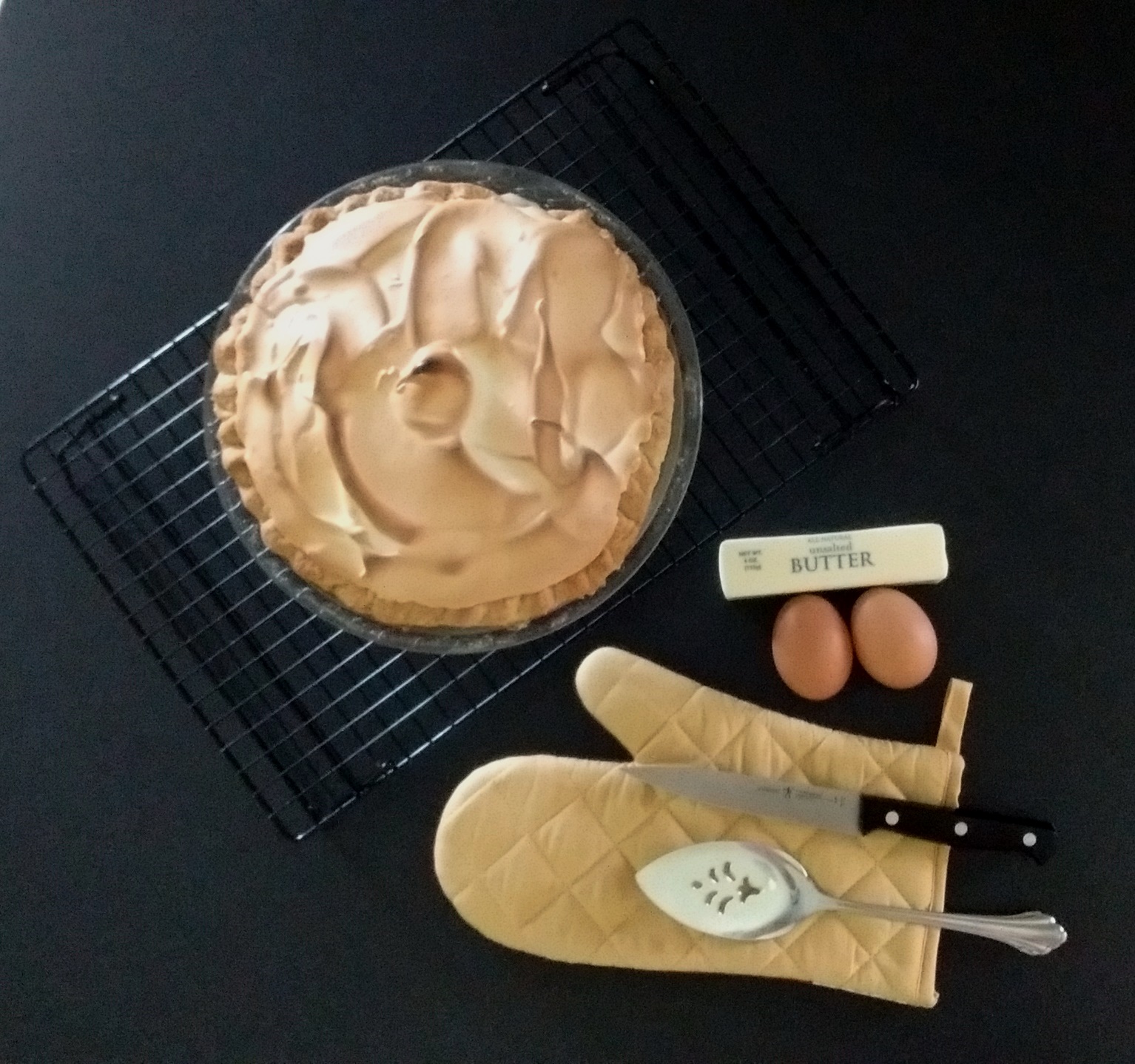
a-sour-and-sweet-situation-3The first time Dr. John Welles meets diner owner Bea Turner, he’s entangled in an embarrassing misunderstanding between himself and the town police officer. People in Addison had stopped to watch the encounter, but the situation became unbearable when John spied the voluptuous brunette sauntering toward him and Officer Boyce.

John would come to know Bea quite well in later years, but at the moment, he wished she had chosen another time to deliver a lemon meringue pie to the burly cop. Bea’s laughter upon departure only worsened the doctor’s humiliation; he believed he hadn’t made a good first impression.

When I choose lemon meringue pie for the above-mentioned scene, I didn’t realize how perfectly the dessert complimented what took place. John’s attitude toward life had turned sour, but in the hands of Bea Turner, he would know sweetness again.

Bea Turner’s Lemon Meringue Pie

Single Crust:

1 c flour

¼ t salt

1 stick unsalted butter, cold and diced into ¼-inch pieces

½ c cold water with an ice cube

To make a bottom crust, combine the flour, salt, and butter. Work with your hands until the flour and butter combine to make pea-sized pieces. Add the water a tablespoon at a time and work through until you can form a ball. Wrap the dough ball in plastic wrap and chill for twenty minutes in the refrigerator.

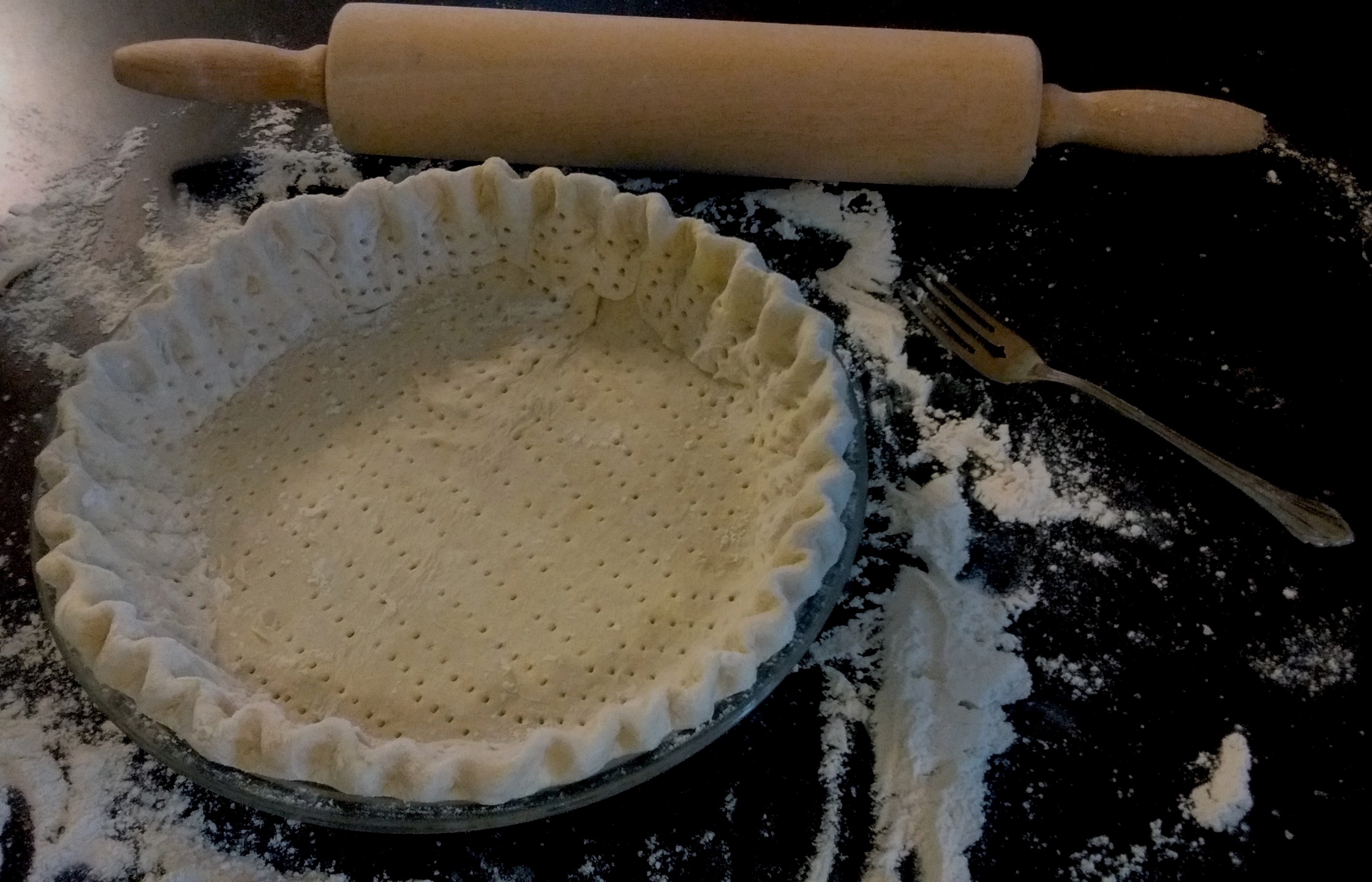
a-sour-and-sweet-situationPreheat oven to 425°. Roll the dough on a floured surface to fit a nine-inch pie plate. Crimp the edges and prick the bottom and sides of the shell with a fork. Line the pie shell with aluminum foil or parchment paper and fill with pie weights or baking beans. Bake at 425° for 10 minutes, remove the baking weights and continue cooking for 10 minute in 5 minute increments or until the crust is golden brown. Remove from the oven and place on a cooling rack.

Filling:

1 cup of sugar (I used raw)

2 T flour

3 T cornstarch

¼ t salt

1 ½ c water

2 lemons, juiced and zested

1 t vanilla

2 T unsalted butter

4 egg yolks, beaten

Combine the sugar, flour, cornstarch, and salt in a saucepan. Whisk to combine thoroughly. Add the water, lemon juice, lemon zest, and vanilla. Cook the mixture over a medium-high heat, stirring frequently, until it comes to a boil. Stir in the butter. In the thinnest thread possible, slowly pour the egg yolks into the hot mixture directly where you are whisking vigorously. This will keep the eggs from cooking and becoming scrambled eggs in your lemon filling. Continue cooking while stirring constantly until the mixture thickens. Strain the lemon filling through a wire mesh sieve to remove any pieces of zest. Pour into the baked pie shell.

Meringue:

4 egg whites

6 T sugar (I used white as the raw is too coarse for this step)

Pinch of cream of tartar

Whip the egg whites on a high speed until foamy. Gradually add the sugar and a pinch of cream of tartar, and continue whipping until stiff peaks form. Spread the meringue over the pie and seal at the edges of the crust. Set the meringue in a 425° oven for eight minutes or until it is golden brown. Cool the pie on a wire rack until you can handle the edges of the pie plate and serve warm, or chill the pie in the refrigerator for a couple hours and serve cold.

Enjoy!

Tips for success:

Chill the beaters and bowl in which you will beat the egg whites for meringue

That pinch of cream of tartar is what will keep your egg whites from breaking down and becoming watery

If you must buy citrus out of season, and you don’t want to risk pricey eggs and butter on bitter fruit, I suggest a test batch of lemonade to see how the lemons are doing. Another trick if you absolutely must make lemon meringue pie when lemons aren’t in season is a teaspoon of pure lemon extract to help take the edge off. I prefer having faith in my lemons, but that’s not always possible. Makes me wonder why so much lemonade sells in the summer!

Here’s a wonderful article on choosing citrus and when it’s in season

Comfort Food

comfort-foodThe spring of 1920 sees the end of a turbulent time in the life of Johnny Welles. Three tragedies for which he feels responsible plague him until he seeks to escape the only life he’s ever known. Nothing his stepmother, Collie, or his three older siblings do helps to put Johnny’s mind at ease. Prudence Welles Mayfield, the aunt Johnny has never met, provides the solution to her nephew’s grief.

Prudence visits the Welles farm when Johnny is twelve with the express purpose of taking him to live with her in Baltimore. She has an agenda that will not only please her nephew, but will also satisfy her own hidden desires. Without waiting for an invitation to lunch, Prudence seats herself at the kitchen table to eat the simple, delicious food Collie prepared and reveal her plan.

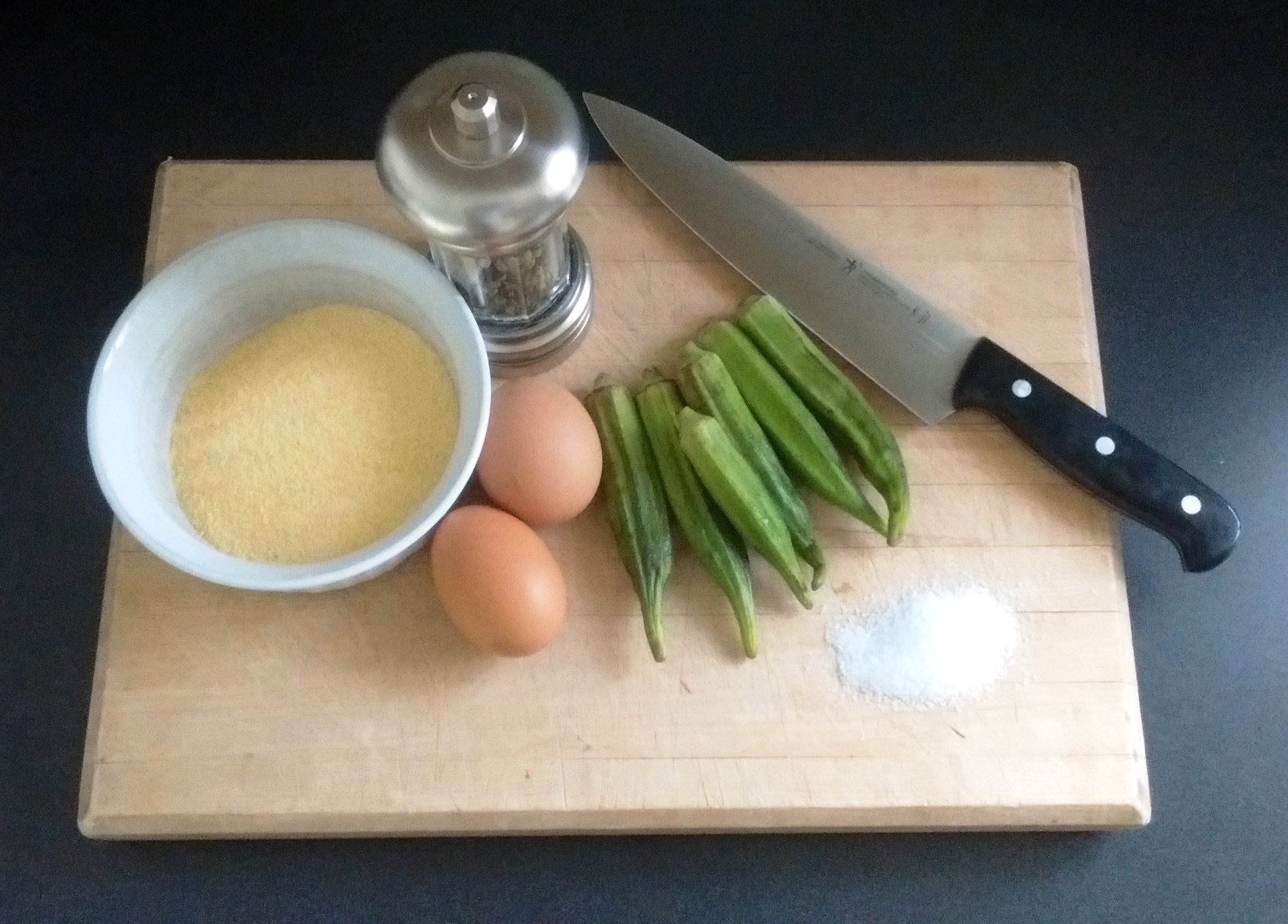
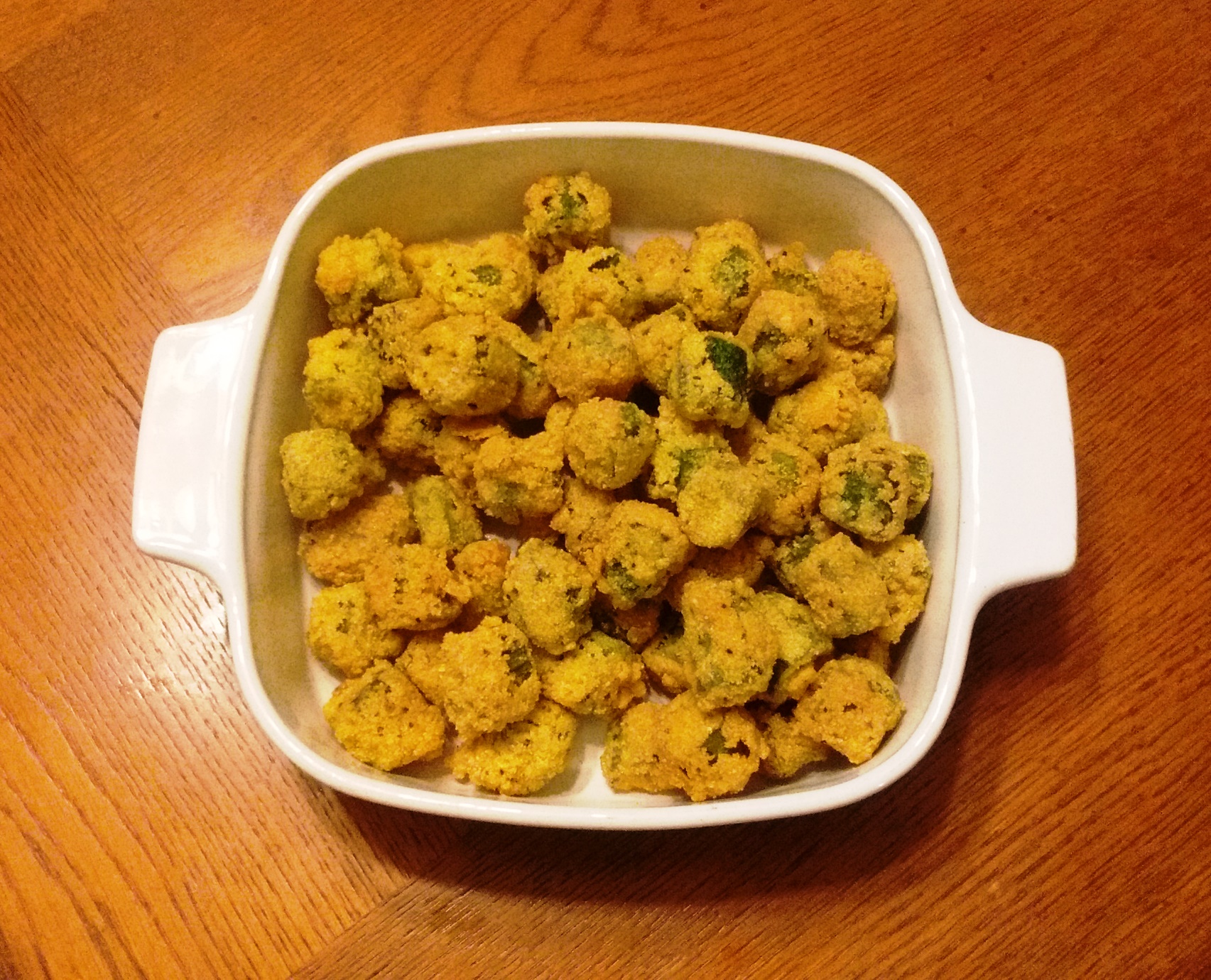
I had fried okra in mind as a side dish when I wrote the scene above. It’s amazingly simple to make, but tastes incredible. The great thing about okra is that it can be canned for frying and enjoyed in the middle of winter or any other time the vegetable is out of season.  Simply open a jar, don’t rinse it, and proceed with the following recipe.

Collie’s Fried Okra

1 lb. fresh okra (choose small, bright green pods free of rust or black spots)

1 egg

Tabasco

1 c cornmeal

3 T flour

1 ½ t sea salt

½ t black pepper

⅛ t cayenne

Dash of garlic powder, optional

Peanut and/or canola oil for frying

Bring about one inch of oil up to 400° in an electric skillet or in a cast iron skillet with a thermometer to gauge the temperature.

Wash the okra and pat dry. Trim both ends and cut into ½ inch pieces. Mix the cornmeal, flour, salt, pepper, and cayenne. Add garlic powder to this step if using. Toss the dry ingredients with a fork to blend.

Break the egg into a bowl and add several hearty dashes of Tabasco. Beat the egg thoroughly. Dip one-third of the okra in the beaten egg and toss to coat. Transfer the okra to the dry mixture and stir to ensure the pieces are thoroughly covered.

Carefully float the coated okra in the heated oil in small batches. Allow them to cook on one side then turn them to finish cooking on the other. When the coating is golden brown, transfer the okra to a paper towel-lined plate to drain. Repeat with the remaining okra.

Season with more sea salt if desired. Keep the okra warm in a baking dish in the oven while cooking in batches. Serve warm.

Enjoy!

comfort-food-4

Putting Your Butterflies to Bed

John Welles’s first day of school at the University of Maryland was marred by a bad case of nerves. His Aunt Prudence eased the situation by planning a large, country-style breakfast like those John used to enjoy as a boy on the farm. Unfortunately, Prudence couldn’t cook to save her life, but the rich socialite didn’t trouble herself with such minor details. Instead, she wisely placed all responsibility for any culinary success upon her brilliant cook, Lucia.

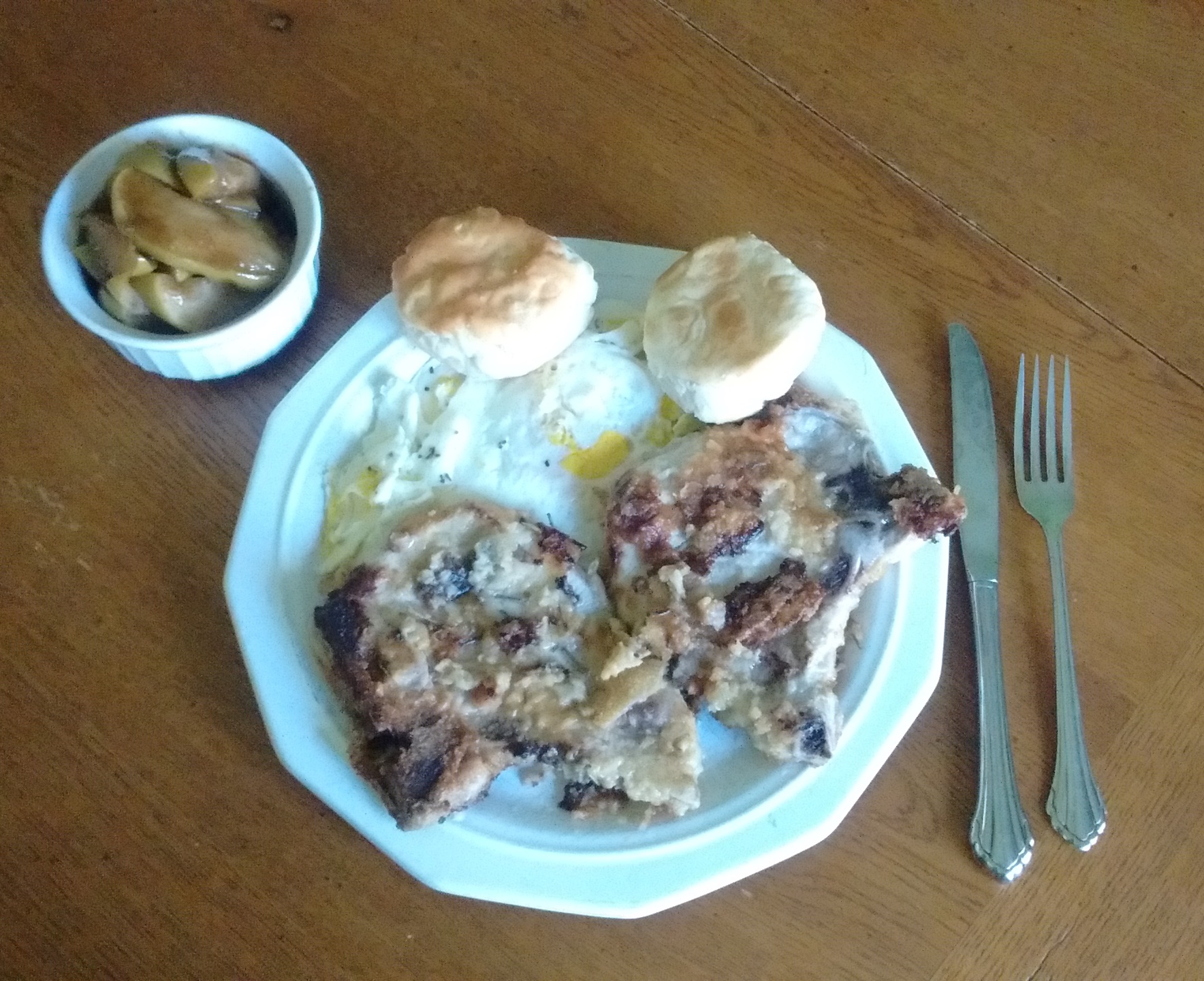
The ever-observant Lucia knew there was more troubling John than new school jitters. She calmed his distress by preparing his favorite dishes including pan-fried pork chops, fried apples, buttermilk biscuits, and fried eggs.  The following recipe for pork chops is the one I had in mind for the above-mentioned scene. The originator of the recipe is the type of cook who doesn’t measure as she creates, preferring to cook by taste, smell, and sight. I watched closely, and being a good judge of quantity, I copy-catted her recipe for this post.

Lucia’s Pan-Fried Pork Chopsputting-your-butterflies-to-bed

2 center cut, bone-in pork chops

2 T olive oil

Approximately 1 c buttermilk

1 t honey

1 T rosemary

½ t salt

Several grinds of black pepper (I used quad-color peppercorns when preparing the chops.)

Rinse the pork chops and pat them dry. Don’t trim the fat as it will flavor the chops while cooking. You can trim them afterward if you desire.

Put 2 T of olive oil in a one-cup measure and fill with buttermilk to make a full cup. Pour into a mixing bowl and add the honey, salt, pepper, and rosemary. Whisk thoroughly.

Pour half the marinade in an 8 x 8 glass baking dish, add the chops, and pour the remaining marinade over the top. Cover with plastic wrap and marinate in the refrigerator at least four hours or overnight.

Coating:

¼ c flour

2 T yellow cornmeal

½ t salt

¼ t garlic powder

¼ t onion powder

¼ – ½ t cumin

¼ freshly cracked black pepper (Again, I used quad-colored peppercorns.)

Combine the dry ingredients. Remove the chops from the marinade and drain them thoroughly. Dredge them through the coating mixture on each side.

2 T unsalted butter

Peanut Oil

Bring the butter and enough peanut oil to cover the bottom of a 12-inch cast iron skillet to a medium-high heat. Place the coated chops in the skillet and fry each side for eight minutes, turning in four-minute intervals, until they are no longer pink inside and the coating is crispy.

Serve with the suggested menu items for which I have provided recipes. This recipe can be increased as needed by doubling or tripling the quantities.

Enjoy!

Juicy Secret

img_20161018_200827945January of 1958 found Dr. John Welles alone and bored. He could usually count on the weather to keep him busy with the typical winter illnesses of colds, sore throats, and flu, but the residents of Addison were driven inside to hibernate much like the doctor himself. After a vigorous round of house cleaning and catching up on his pleasure reading, Dr. Welles was saved from his tedium by a dinner invitation from Reuben and Hannah Wise.

The Wises were humble people who offered the very best they had to Dr. Welles including homemade grape juice to drink with dinner. When the tangy beverage was incorporated into the dinner blessing, Dr. Welles suspected there was more to his neighbors than met the eye. But it is the Wises’ request made during dinner that truly shook the foundations of their friendship with the doctor.

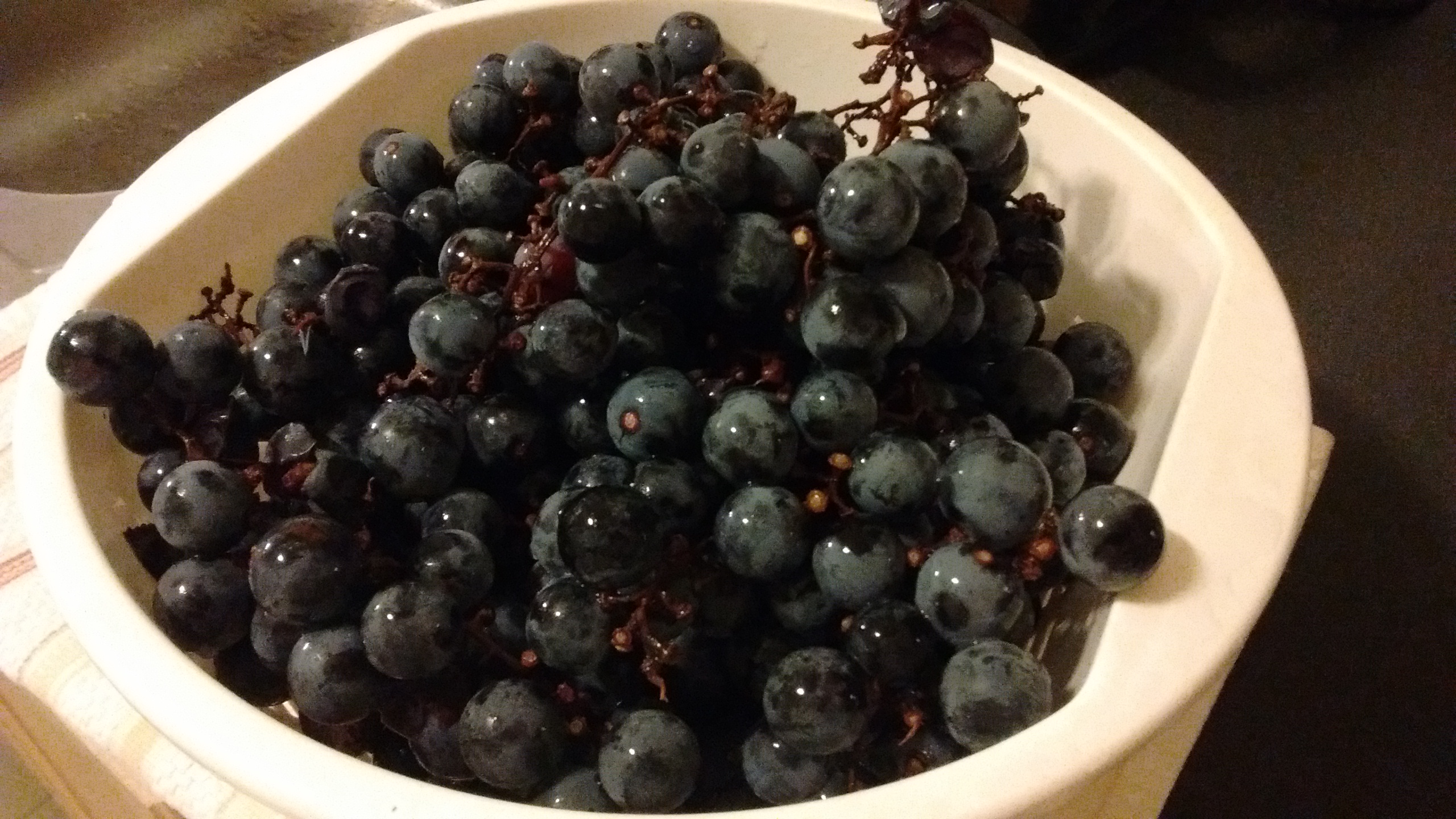
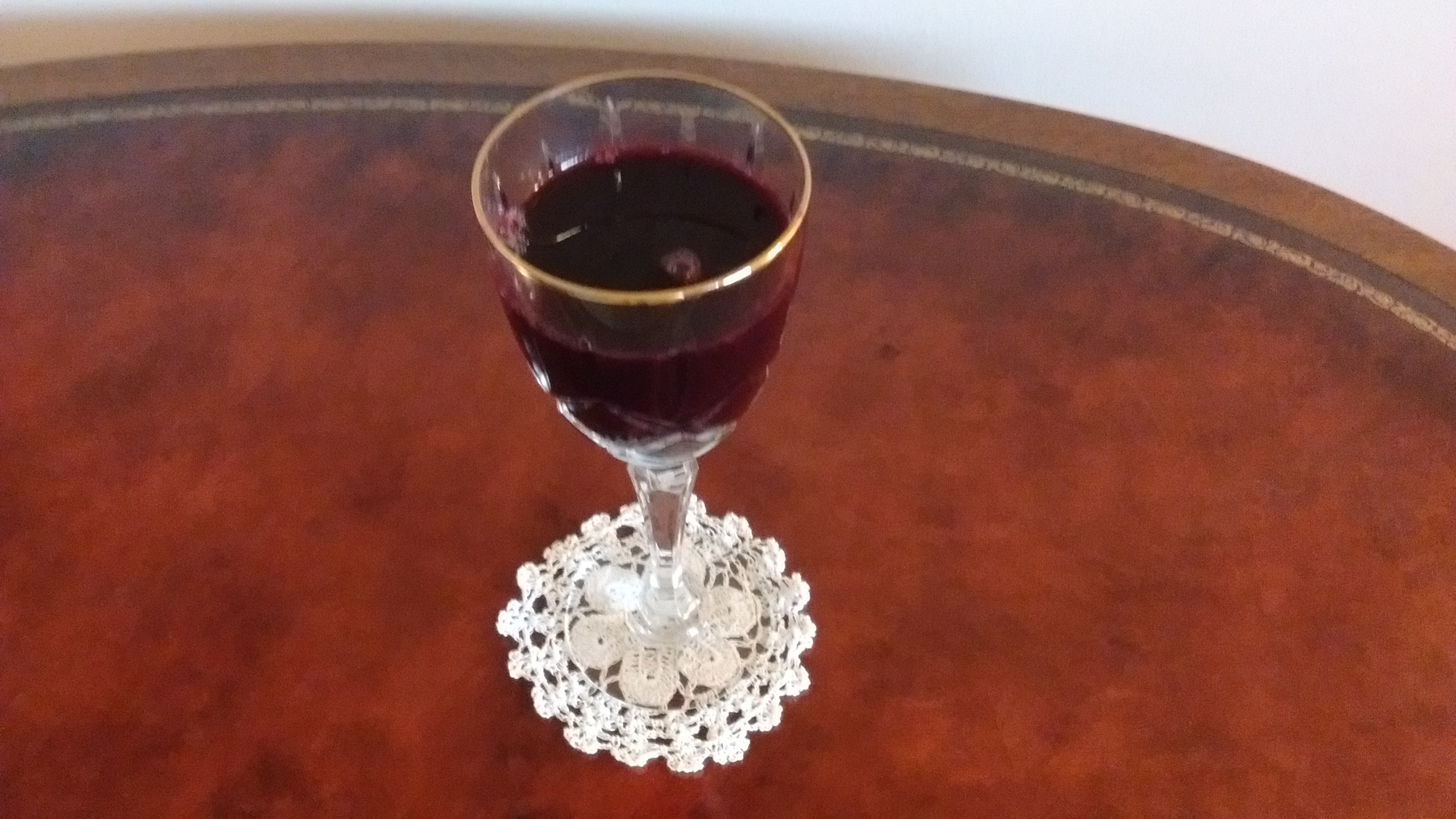
There really isn’t a recipe for making grape juice; it’s more of a quantity issue. For the sake of this post, I used two one-quart containers of concord grapes which yielded exactly 3 ½ cups of juice. After tasting it, I can see why people make it in large batches to drink on the spot and/or can it for the winter.

Whether picking or purchasing grapes, place them in a colander and rinse thoroughly under cold water. Discard any grapes that are insect damaged, smashed, moldy, shriveled, or imperfect in any way. Remove the good grapes from the stem and place them in a pot large enough for your desired quantity. Some people prefer to add just enough water to cover the grapes for the cooking process, but I find this weakens the flavor somewhat.

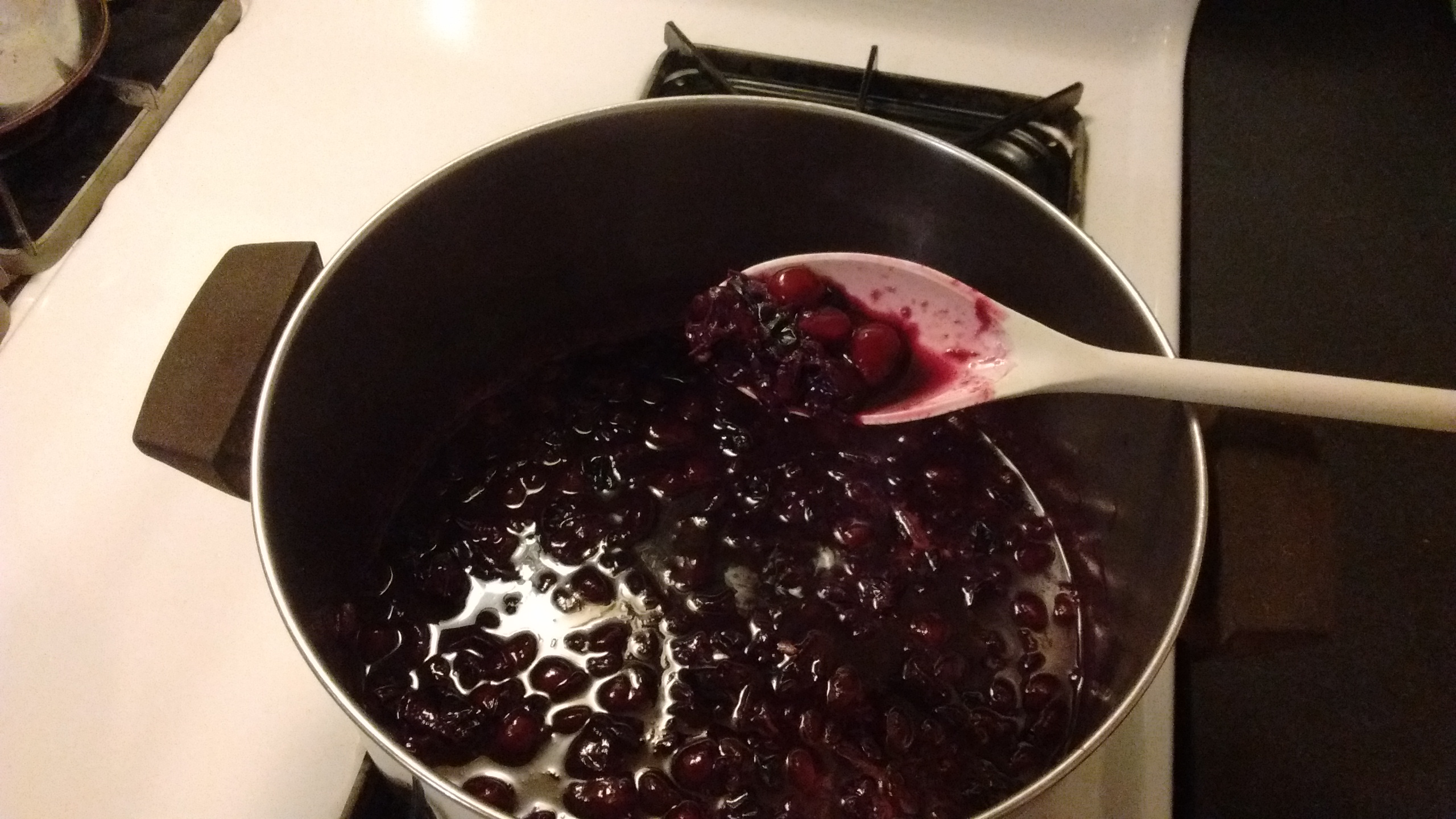
img_20161018_204844113Mash the grapes with a potato masher and bring to a simmer over a low heat. Don’t heat them quickly or boil them. Stir frequently to keep the grapes from sticking to the bottom. Once they reach a decent simmer, time them for ten minutes. Mash the grapes again half way through the cooking process.

Carefully pour or ladle the smashed grapes through a fine wire sieve, with or without cheesecloth, which has been set over another pot or bowl of adequate size. Gently stir through the mash to extract all the juice. Depending on your quantity, you may need to finish this step in the refrigerator overnight. Allow any sediment to settle to the bottom. Straining the juice once more through cheesecloth will ensure that most of the sediment is removed.

Depending on your taste, you can add sugar to the grape juice or drink as is. I added two tablespoons of raw sugar to the above-mentioned quantity, but really, it’s up to you. I recommend adding any sweetener while the juice it still warm. At this point, you can chill it to serve or can it for later.

Enjoy!

img_20161019_081301021

Night on the Town

night-on-the-town-2The Alexander cocktail features in my novel, The Secrets of Dr. John Welles, during the winter of 1927 when John and his two best friends, Claude and Sam, sneak away for a night on the town. Prohibition limits their choice of establishments where they might procure a decent drink, but the young men are looking for a little wild entertainment. Where they end up provides more than they bargained for in quite a few ways. I’ll leave you with that little teaser (I have to save something for the publication of my novel), and provide you with the recipes I found and my experience with the drink.

I don’t keep ingredients on hand for cocktails, so I ventured out with my best friend, Emily, to find a bartender who could make the drink for us. It took us three tries at different restaurants before we found one that had the ingredients to make an Alexander. The drink is old-fashioned, and only one bartender knew what we were talking about.

When you mention an Alexander, the drink that most often comes to mind is the brandy version with white crème de cacao.   Even if you don’t order a Brandy Alexander, this is probably what you will receive.

Brandy Alexander

¾ oz. brandy

¾ oz. white crème de cacao

¾ oz. heavy cream

Add all the ingredients to a cocktail shaker and fill with ice. Shake, and strain into a chilled cocktail glass. Garnish with freshly grated nutmeg.

But let’s tiptoe back a little farther in history to 1910 and Jacob Abraham Grohusko’s book, Jack’s Manual on The Vintage & Production, Care & Handling of Wines, Liquors, etc., which is supposedly the oldest reference to a drink called The Alexander. It sounds lovely and like it might have a bit of kick with the rye whisky.

Alexander Cocktail

75% rye whisky

25% Benedictine

1 piece of ice

Twist of orange peel. Stir and serve.

And let us not forget the 1916 mention in Hugo Ensslin’s book, Recipes for Mixed Drinks, which provides this version of The Alexander.

Alexander Cocktail

⅓ El Bart gin

⅓ white crème de cacao

⅓ sweet cream

Shake well in a mixing glass with cracked ice, strain, and serve.

So which drink would John, Claude, and Sam have imbibed during their night on the town? For recipes, I’m following the lead of Gary Regan in his 2011 article, Behind the Drink: The Brandy Alexander, but I’m putting the gin back in the drink as it was originally created.

The Alexander

The lovely Gretchen

The lovely Gretchen

2 oz. gin

1 oz. dark crème de cacao

1 oz. heavy cream

Add all ingredients to a cocktail shaker and fill with ice. Shake, and strain into a chilled cocktail glass. Garnish with freshly grated nutmeg.

Emily and I requested Tanqueray gin, and the lovely bartender, Gretchen, was kind enough to procure heavy cream from the kitchen to make our drink. The restaurant where we dined makes a Brandy Alexander with gelato, but we were striving for authenticity. In our opinion, the drink was delicious. Not too cloying, the flavor of each ingredient blended well, but they also remained well defined. The gin made for a light, crisp drink despite the cream. For the sake of research, we tried the brandy version.

Brandy Alexander

2 oz. Cognac or other fine aged brandy

1 oz. dark crème de cacao

1 oz. heavy cream

Add all ingredients to a cocktail shaker and fill with ice. Shake, and strain into a chilled cocktail glass. Garnish with freshly grated nutmeg.

The Brandy Alexander was also a delicious cocktail but with a titch more warmth to it. The flavor was richer which we attributed to the brandy. Again, the three ingredients complimented each other without losing their identity and becoming something else entirely.

Traditionally, the drink was served in a cocktail glass, sometimes called a champagne glass, and if you aren’t familiar with it, it’s the saucer style glass on a stem. Today, if you find a restaurant or bar that can make a Brandy Alexander, or the gin version, you’ll receive the cocktail in a martini glass.

For an interesting tidbit, Barry Popik, historian, states the cocktail was invented at Rector’s in New York. According to Mr. Popik, Troy Alexander, the bartender, created the white drink to celebrate Phoebe Snow, the fictional character used in advertising for Delaware, Lackawanna & Western Railroad. The snowy beverage was used to emphasize the fact that the railroad powered its locomotives with anthracite, a clean-burning variety of coal, and was backed up by images of Phoebe Snow in a snow-white dress. The Brandy Alexander was originally known as Alexander #2.

Cheers!

Suits Me to a Tea

suits-me-to-a-teaI remember the first time someone asked me if I wanted regular tea or sweet tea. I was a teenager on vacation with my parents in North Carolina. I thought the best thing that would happen to me that week was endless basking in the sun and swimming in the ocean. Who knew that a counter person working the register at McDonald’s could bring such happiness to a Northerner from Ohio? Even better, the delicious beverage was served at every restaurant we visited during that trip. My family had discovered sweet tea and drank it by the gallons that week. We even purchased large cups of sweet tea to drink on the way home. The restaurant wasn’t out of sight before it was consumed.

Flash forward a couple of years to the advent of sweet tea reaching McDonald’s in Ohio and other restaurants as well. We Northerners were elated, but we had a few things to learn: keep your sweet tea refrigerated so it doesn’t grow bacteria and don’t try to pass off that junk in the beverage machines as sweet tea.

All this to say that sweet tea factored in to my novel, The Secrets of Dr. John Welles, the first time John met Sam Feldman and Claude Willoughby at the University of Maryland. John had been invited to visit Sam’s home along with Claude. While he instantly liked amiable worrier, Sam, John’s initial opinion of Claude was reserved at best. Claude sneaked bourbon into the sweet tea without John’s knowledge. When John took a large swallow, he choked on the presence of the strong alcohol much to Claude’s entertainment. The conversation that followed would either make or break their tentative relationship.

There are many recipes out there for sweet tea and the history is quite enjoyable to read. I had no idea that iced green tea was the original favorite. The following recipe is the one I had in mind when I wrote the above-mentioned scene. Of course, you can always put a splash of bourbon in yours; just remember to warn your guests first.

Sweet Tea

¾ c sugar (I use raw)

¾ c water

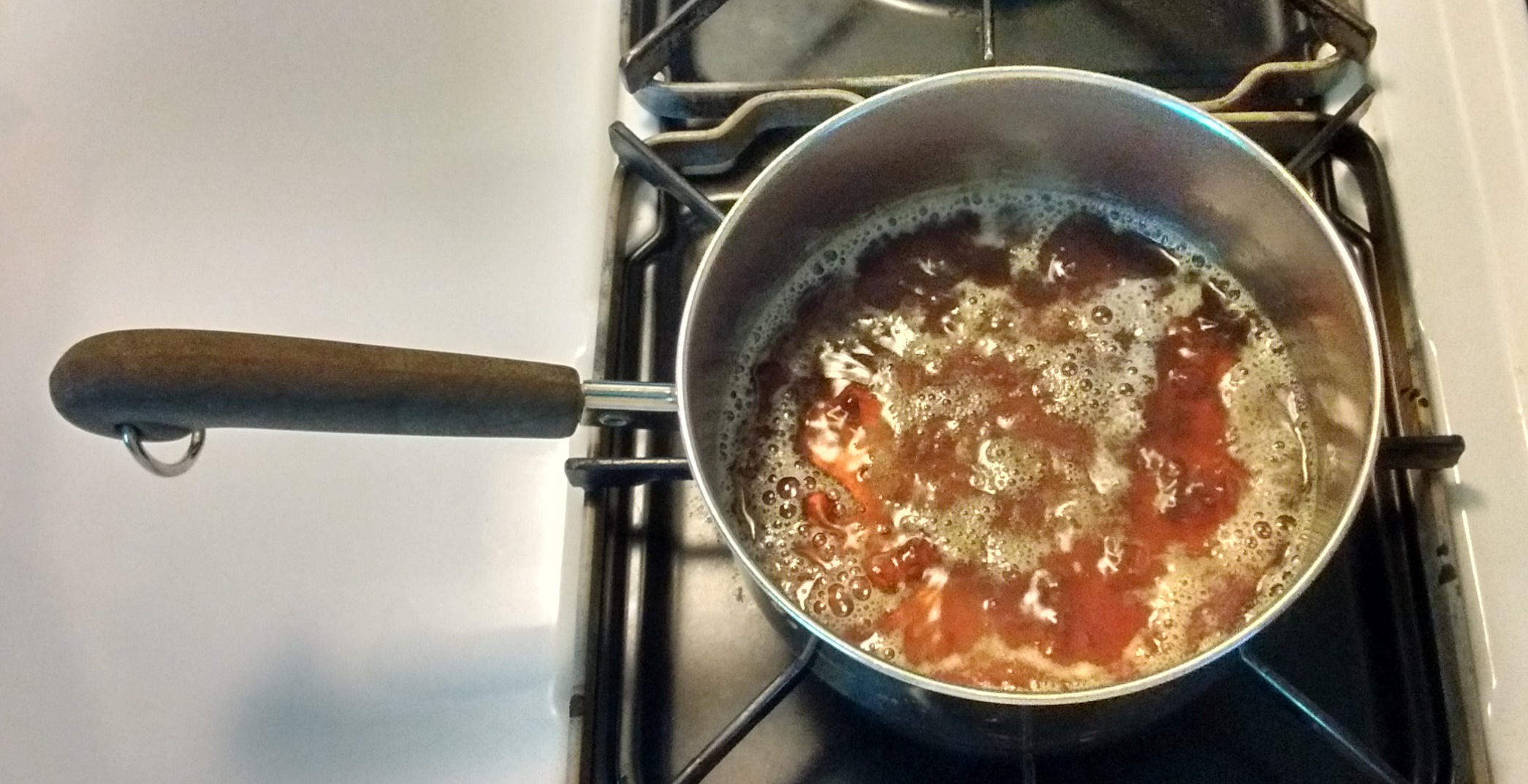
suits-me-to-a-tea-2Place the sugar and water in a saucepan, stir thoroughly, and bring to a boil over medium heat. Boil the mixture for seven minutes, stirring occasionally. Keep an eye on the heat so the syrup doesn’t scorch. You should attain a gentle, rolling boil. Remove from the heat, and set aside to cool.

10 cups water, divided

6 regular-sized tea black tea bags

1 pinch baking soda

Ice

Lemon slices (optional)

In another saucepan, bring three cups of water to a boil. Remove the pot from the range and place on a trivet. Add tea bags and baking soda, and steep for six minutes. Do not squeeze the tea bags when removing. Add the simple syrup and stir. Allow to cool to room temperature.

When the tea/syrup mixture has cooled, pour into a pitcher and add the remaining seven of cups water. Serve over ice with lemon slices if desired.

Enjoy!

No Bad Apples

no-bad-applesToday’s post falls into the category of Research Road, however, the information I discovered didn’t make it into my novel, The Secrets of Dr. John Welles, or more correctly, it was removed. The reason for this underscores my admonition to always check your facts. Whether you’re writing historical fiction or fantasy with factual details familiar to the known world, it’s important to present the particulars accurately.

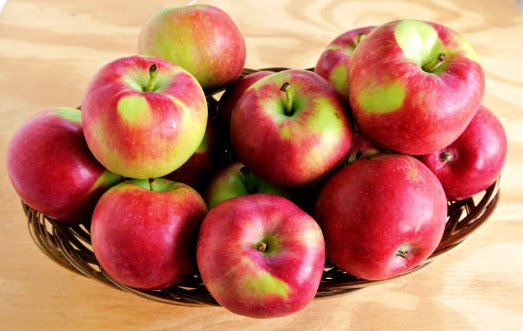
In an effort to entice potential readers once my novel is published, I have familiarized them with characters and situations through the food I featured in the story. Recipes for these meals can be found in Edible Fiction. Last week, I wrote a post for an apple pie eaten in a scene relaying Dr. Welles’s first trip into the town where he decided to spend his later years. For this particular pie, I chose to use Paula Red apples. They are among my favorite pie apples because they have an old fashioned flavor and become sauce-like when baked. I thought a little history on the heirloom apple would make for an interesting blog post, and that’s when I learned my mistake.

According to several websites devoted to antique apples, Paula Reds were discovered as a seedling in Sparta, Michigan in 1960 by Lewis Arrends. The apple, named for Arrends’s wife Pauline, was a happy accident that appears to have descended from the humble McIntosh. Why is this important you ask? Because the scene in which a Paula Red apple pie is eaten by Dr. Welles took place in 1958, two years before their discovery and ten years before they hit the market. Perhaps my favorite apple wasn’t as vintage as I first believed.

There are those, my mother among them, who will argue that this is a minor detail, one that wouldn’t be discovered by the casual reader. But as I’ve stated before, I’m not a casual reader or writer, and these details are important. How can I expect my readers to have faith in what I say if I don’t conduct thorough research? (Who is in Your Details?)

I know readers are expected to suspend some belief at times and trust their favorite writers, yet I can’t allow that one person who could nail me on the facts to be disappointed any more than I could tell blatant lies. Obsessed with the facts? I think so! In closing, I hope that another writer will benefit from the information presented about Paula Red apples. At the very least, I hope I’ve prompted writers to check their facts.

By the way, if you want a great recipe for an apple pie, check out the post All-American Goodbye.