Simple Fare, Shocking Secret

An invitation to dinner is a most coveted offer for a bachelor to receive. While many of them are experts at instant foods or eating out, single men rarely take the time to prepare a decent meal for themselves. It is no different for my protagonist, Dr. John Welles.

John grew up eating delicious food prepared by his stepmother, Collie, and later by his Aunt Prudence’s cook, Lucia. Unfortunately, their culinary skills never rubbed off on John. If not for the good food he eats at Bea Turner’s diner, John would probably lose a considerable amount of weight while living on his own in West Virginia.

During the snowbound winter of 1955, John accepts an invitation to dine with Rueben and Hannah Wise. The Wises own a small grocery store, and while they aren’t wealthy people, they provide a meal that is both simple and delightful. In addition to saving him from his own bachelor cooking, the Wises second, more important reason for inviting John to dinner completely catches him off his guard.

The following recipe for salmon patties is the one I had in mind as I wrote this scene. Salmon patties were cause for nose wrinkling when I was a 1422563010122child; I didn’t develop a taste for them until I became an adult. I do suggest making them when you can have the windows open or prepare them in a skillet that can be covered. Salmon patties are delicious, but they will leave a pungent, lingering aroma in your home for a couple of days!

Salmon Patties

1-14.75 oz. can of pink salmon, drained

½ cup crushed Ritz crackers

1 egg

1 T parsley

1 stalk of celery, minced

2 T onion, minced

Tabasco, several hearty shakes

Black pepper & Sea Salt to taste

Approx. 2 T Olive Oil

Approx. 2 T Butter

Mix all of the ingredients in a bowl until well blended. If mixture is dry, add 1 tablespoon of half and half at a time until mixture forms a ball. Gently press out salmon patties on a cutting board using your hands. Be sure to keep the edges neat so patties won’t crumble while cooking.

Melt the butter in a skillet with the olive oil. When the skillet sizzles, add the salmon patties and cook on a high heat to set each side. Take care not to burn. Flip once to cook the other side. Patties should be nicely browned and lightly crisped. Serve immediately.

Nothing Minor About These Birds

Minor League Logo for Baltimore Orioles

Minor League Logo for Baltimore Orioles

You can’t live in Baltimore, Maryland, and not be an Orioles fan, right? My protagonist, John Welles, and his two best friends, Sam Feldman and Claude Willoughby, certainly didn’t think so. Of course, in 1928, the Baltimore Orioles were in the International League, one of the top minor leagues of the time, but that fact didn’t deter John, Sam, and Claude from cheering on their favorite players.

Researching the Baltimore Orioles for my novel, The Secrets of Dr. John Welles, proved to be interesting for a woman who never followed baseball in her life. I admit I took the easy road out when I chose a team located in the same city where my boys lived. The Orioles had been on my mind ever since I decided to set my story in Maryland, but I wasn’t sure how to work them in. The solution presented itself after writing a scene where the three friends had a major falling out.

During the first year of medical school, the situation between Claude and his father, J.D., truly began to unravel. Two years of pre-med bonded the boys, but their friendship was pushed to the limits by the stress at school as well as Claude’s unwillingness to admit what was happening at home. John and Sam were helpless as they watched Claude drift away.

While neither John nor Sam was aware of the truth, Sam assumed John knew more than he was letting on. The accusation was born of Sam’s frustration at not knowing how to help Claude. Strong words turned into a shoving match and then a full blown fist fight.

Without giving away the interesting details, I will tell you that the three friends eventually worked out their differences. Taking in an Orioles game was their first post-fight activity. Unfortunately, it was a small patch on a bigger problem that had yet to be resolved.

Thank you to Mr. Bill Stetka, Director, Orioles Alumni, for providing the names of players for my characters to follow. Mr. Stetka’s information led me to shortstop, Joe Boley, who became John’s favorite player. Sam followed the career of third baseman, Frederic ‘Fritz’ Maisel, and Claude’s favorite player was pitcher George Earnshaw. In addition to player information, Mr. Stetka supplied a brief but interesting history on the Orioles.

Thank you, also, to Bruce Markusen, senior researcher of the National Baseball Hall of Fame, for supplying information on the Orioles compiled from author James H. Bready’s book, The Home Team, as well as research conducted by the Orioles Public Relations Department.

Staring Down the Barrel of Chapter One

Staring Down the Barrel of Chapter OneI have heard that the first chapter of a novel is the most rewritten chapter of all. I have also heard this is because everything that we want our novel to be and everything that it should be comes spooling out of those first words, sentences, and paragraphs. If the groundwork for the rest of the book isn’t compellingly laid out for our potential readers, and if our readers aren’t hooked by our initial efforts, our novel is doomed. No pressure there.

For the past week, I have been staring at the pages of the first chapter in my novel, The Secrets of Dr. John Welles. Based on the paragraph above, you can probably guess what my current goal is. Still, I refuse to force my story into an outline or someone else’s expectations and/or opinions of what my novel, as a whole, should be. I will, however, accept advice that helps me tell my story the way I know it needs to be told.

Today, I’m stocking my Writing Toolbox with two pieces of writing advice relevant to my situation. The first comes from Jacob M. Appel’s March 29, 2011, post for Writer’s Digest, 10 Ways to Start Your Story Better. I’ll be employing a combination of Mr. Appel’s suggestions to refine the essence of my first chapter.

The second, more recent piece of writing advice is from K.M. Weiland, Most Common Writing Mistakes, Pt. 38: Irrelevant Book Endings. I’m exploring the end of my novel to ensure that the beginning of my book set up my desired ending. If not, a chapter one rewrite and restructure may be in order.

Somewhere, an outliner is screaming, “You could have avoided this if you’d only outlined to begin with.” That may be true, but I enjoy exploring the rabbit trails too much. It’s where I often receive my next piece of writing inspiration, and I’m certainly not interested in turning off the creative supply outlet.

Peas, Glorious Peas!

My Great Aunt Edie, a classy lady who never ceases to amaze me, once told me a story about a trip she and my Great Uncle Bud took to Maryland to attend the Butler Family Reunion. The most interesting part of the story included her description of the breakfast menu.

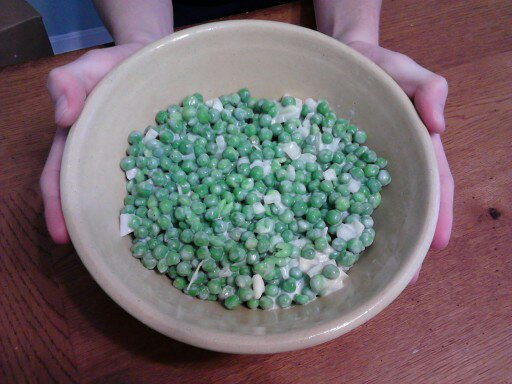
1422562899611One morning, Aunt Edie, Uncle Bud, and the relatives with whom they were staying ate breakfast with close family friends. Their hosts served the usual breakfast fare, but my aunt was surprised to see pork chops, creamed peas, and bowls of other vegetables on the table. She mentioned this to my uncle.

He explained that the men had been up early and already completed a full day of work before she and my uncle woke up. After breakfast, the men would return to work, break for lunch, return to work again, and finally eat dinner well after dark when all the barn chores had been completed.

I recalled this story as I wrote the scene in which the family of John Welles celebrated his arrival with a huge breakfast. Although the birth of a new baby was exciting, it didn’t take precedence over the work that had to be done. Those not involved with bringing young John Welles into the world still had chores to complete.

Once my novel has been published, I’ll be interested to see if anyone comments on creamed peas for breakfast. Will readers find it odd or familiar? The following recipe is the one I had in mind as I wrote the celebration scene in my novel, The Secrets of Dr. John Welles.

Enjoy!

Creamed Peas

2 cups of frozen peas

1 T butter

1 T flour

½ cup of whole milk

black pepper, I use a mixture of black, white, green, and pink peppercorns

sea salt

1 t sugar, I use raw sugar

2 green onions (white and green portion), diced

Bring water to a boil in a three quart saucepan. Add the peas, reduce heat, and stir. Cook/defrost the peas for three to five minutes, until they begin to float. Drain the peas.

Melt the butter in the hot pan. Whisk in the flour until smooth, be sure to not burn the mixture. Add several grinds of cracked black pepper, salt to taste, and the sugar. Slowly pour in the milk and whisk over medium heat until thickened. Stir in the cooked, drained peas. Toss lightly and stir in the onions.

Handling Those Pesky Info Dumps

untitled (6)Recent comments from a beta reader generated concern regarding two passages in my novel, The Secrets of Dr. John Welles. In her insightful critique, she tactfully suggested that the two aforementioned passages might come across as info dumps.

I realized this before I sent my novel out for the initial round of beta reading. The offending paragraphs were pared back considerably and again upon return. Still, a round-two reader thought them a bit excessive.

I decided to go in search of advice on how to handle info dumps and to discover whether or not they are the evil creatures we’ve been led to believe. The second part of this quest was in response to the fact that I’ve read brilliant fiction by well-known and new authors who info dumped to their heart’s content.

Author Jami Gold supplied the guidance I was looking for as well as a remedy in her blog post, Four Tips for Fixing the Infamous “Info Dump. What Ms. Gold suggested applies to all genres. I recommend using the tips as questions to ask yourself, then honestly answering them, to see if you truly wrote an info dump or not.

The questions and answers helped me to focus on what needed to be rewritten or left alone. Editing became much less daunting, and I didn’t feel as if I had to cut crucial information from my story. Thanks again to Jami Gold for helping to stock my Writing Toolbox.images

Welcome Home, Dr. Welles

I’d like to share one piece of inspiration to which I returned repeatedly while writing my novel, The Secrets of Dr. John Welles.

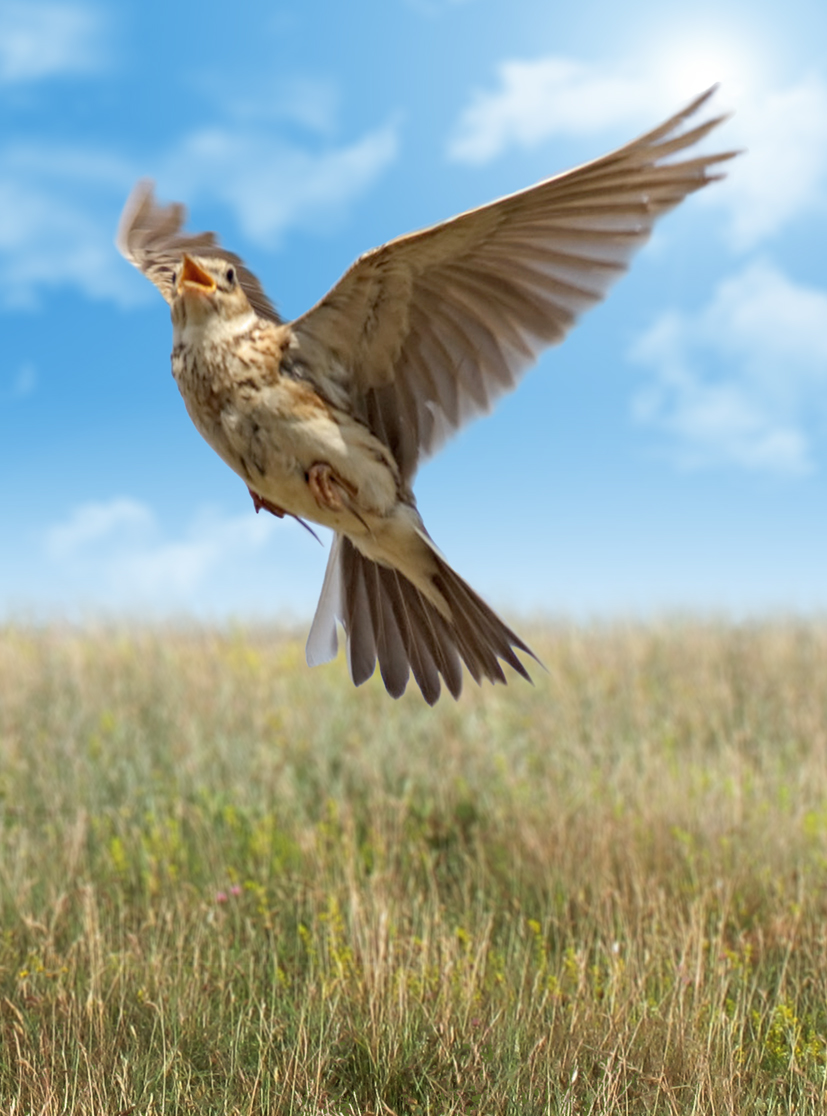
Welcome Home, Dr. WellesThe Lark Ascending, by Ralph Vaughn Williams, is an exquisitely beautiful and haunting piece of music that perfectly captures the joy of returning from war and the pain of what had to be endured.  I believe it was nothing short of Divine coincidence that this piece played while I attempted to write what my main character, John Welles, would have experienced as he returned from the European theater of World War II.

John’s participation in the war was brief due to a horrific tragedy that leaves him scarred both physically and emotionally.  Nothing could have prepared him for the burden he must bear; he alone is responsible for the terrible secret.  His one wish is to escape the pain he caused by seeking refuge with his family.  Unfortunately, the memories at home plague him every bit as much, if not more, than his time in the war.

English poet George Meredith’s 122-line poem, also titled The Lark Ascending, was the inspiration for Williams’s musical work.  The poem is a hymn to the skylark and his song.  I admit that I’m no poet and certainly not qualified to decide what makes good poetry.  However, I am pleased that Meredith’s poem led to the creation of music that led to the writing of one of my favorite scenes in my novel.

Please take a pause in your busy day to listen to The Lark Ascending above and read The Lark Ascending below.  Enjoy!

The Lark Ascending, George Meredith (1828 – 1909)

Welcome to Mayfield House

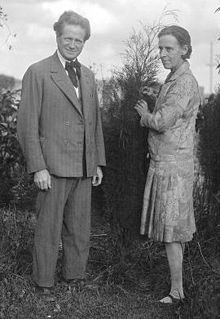
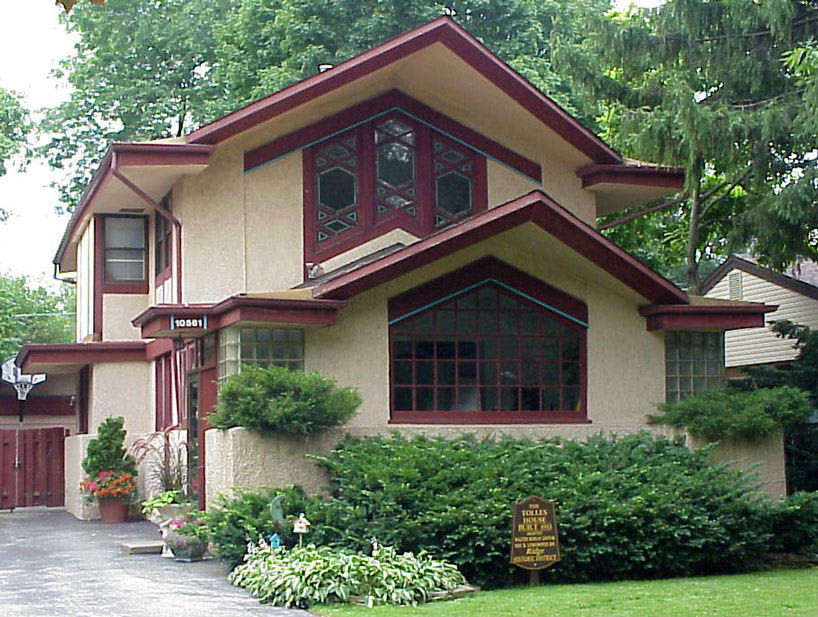
220px-WalterburleygriffinOne of my favorite topics of research for my novel, The Secrets of Dr. John Welles, was for an architect to build Prudence Welles Mayfield’s mansion.

I started by Googling architects for the era in which her house was built. The list, which I believe came up on Wikipedia, gave a brief synopsis for each architect. There were many interesting choices including Frank Lloyd Wright. As appealing as I find Mr. Wright’s style, I didn’t want someone quite so famous or well known for my novel. I’m not exactly sure why.

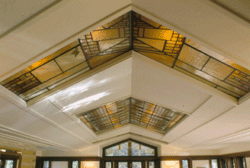
I kept reading through the list of architects, noting several who were of interest to me, ceiling-lights-mueller-1when I came across Walter Burley Griffin. I wish I had the original paragraph regarding Mr. Griffin. Between what I read and pictures of him I found online, I knew he was perfect for building Prudence’s dream home.

Adding to my choice of architect was Griffin’s wife, Marian Mahoney Griffin. Marian was an outspoken, artistic woman. She was the second woman to graduate with a degree in architecture from the Massachusetts Institute of Technology and the first licensed female architect in history. These schwartz_rear1facts alone made her a believable choice for my forthright character, Prudence. I imagine these two ladies would have worked wonders together.

The next thing I needed to do was locate a neighborhood in Maryland that would be suitable for Prudence’s fabulous mansion. Again, after researching several well-to-do areas where her home could be built, I decided on the community at Guilford. This is one detail where I took some liberties in my novel.tolles

You will most likely not find a home such as those built by the Griffins in a neighborhood like Guilford, however, Prudence wasn’t the type of woman to be told no. If she wanted her house built in Guilford, then the developers of the neighborhood would have had to resign themselves to the fact that her home was going to be built in Guilford. As mentioned in my novel, a generous donation from her husband, Wallace, toward the development of streets and parks went a long way to smoothing over her demands.

The last detail I needed for Prudence’s mansion was a name. I hoped to come up with something memorable and elegant like Falling Water. Even though the home I created was fictional, I wanted it to have an impact upon my readers to the degree that they would always remember the vannostrandsprawling mansion as if they had walked through it themselves. Maybe based on the fact that I used real architects and a real neighborhood, they would even go in search of data to see if the house actually existed.

I wish I could find my original, handwritten manuscript and/or notes so I could tell you some of the names I worked on for the mansion. Thinking about them now, I have to laugh to myself; they were that ridiculous. Of course, that’s why we writers edit, right? In the end, I settled on Mayfield House for Prudence’s home because the design, building, and habitation thereof really were all about her. In its simple elegance, Mayfield House proved to be the best choice.untitled (6)

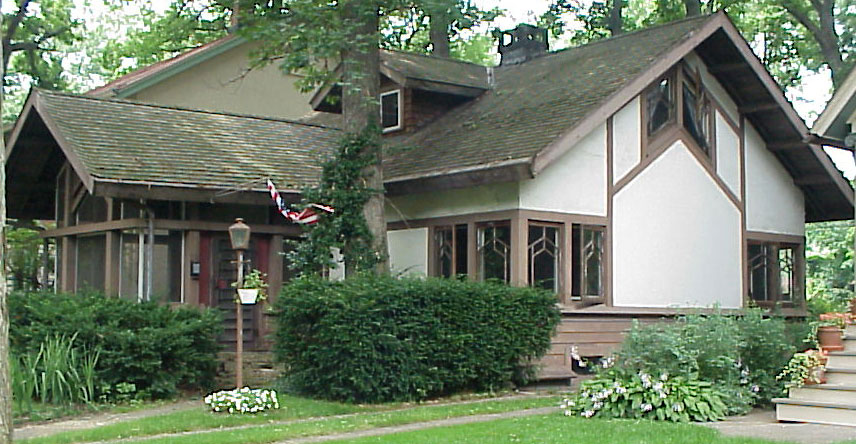
I have included several pictures within my post to give you a feel for what Mayfield House would look like and a link to other homes built by Walter Burley Griffin. I hope you enjoy mentally walking through Prudence’s home. Please remember to wipe your shoes at the door. (Prudence’s words, not mine.)

Saved by the… Beef?

The year is 1927. John Welles’ best friend, Claude Willoughby, has had a falling out with his father. John isn’t aware of the details yet, but he suspects J.D. Willoughby isn’t as charming as he would like everyone to believe.

Part of Claude’s punishment is to remain in Baltimore while the rest of his family returns to Kentucky for Christmas. He’s heartbroken. Only the support of his two best friends, John Welles and Sam Feldman, manage to lift his spirits.

Part of their suggestion for Claude’s untraditional holiday is to spend some time with both of them at their respective homes. Sam goes one step further and proposes an after-the-fact Hanukkah celebration including traditional Jewish dishes such as brisket.

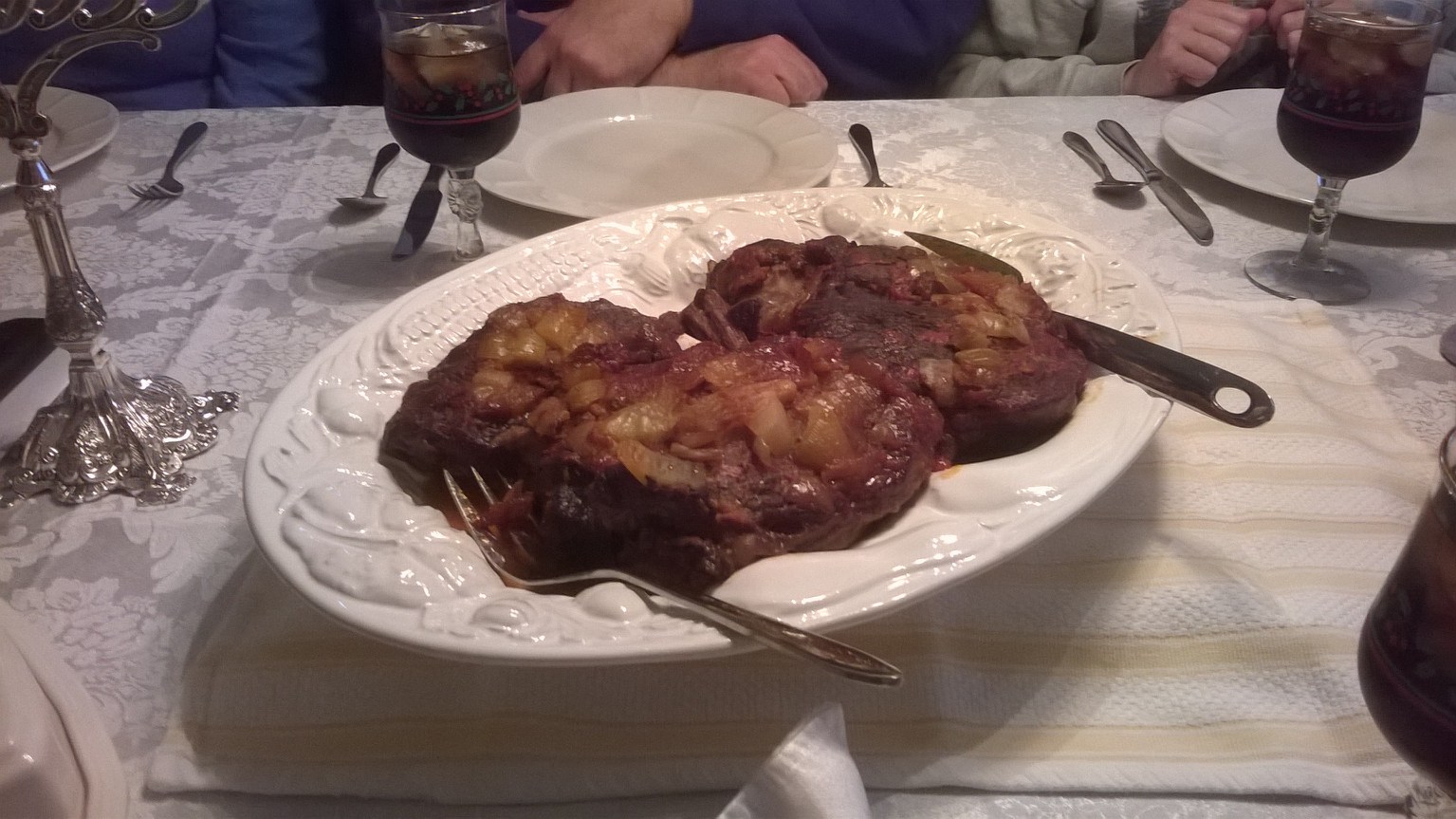
I had the following recipe in mind when I wrote the above-mentioned scene in my novel, The Secrets of Dr. John Welles. My family looks forward to eating brisket every Hanukkah. This recipe is perfect for celebrating any time of the year. I hope you’ll enjoy it, too.

Jewish Brisket

4 pounds beef brisket

Olive Oil

1 cup water

1 cup ketchup

½ white vinegar

2 onions, sliced

1 clove garlic, minced

¾ cup brown sugar

1 tablespoon salt

Drizzle olive oil in a large skillet or Dutch oven.  Add the brisket and heat over medium-high heat. Cook the brisket until browned on all sides. Mix water, ketchup, vinegar, onions, garlic, brown sugar, and salt. Pour mixture over the brisket and bring to a boil. Cover and reduce the heat to medium-low. Continue simmering until tender, turning brisket occasionally, 2 hours and 30 minutes to 3 hours and 30 minutes. Check often after initial 2 hours and 30 minutes to keep from burning or drying out.

Remove the brisket and allow it to cool slightly before slicing the meat against the grain. Place slices of brisket in a 9 x 13 inch baking pan or large platter, pour sauce on top, and serve. Cover any remaining brisket and refrigerate. Spoon off any excess fat and reheat before serving.

Eager hands waiting to attack the brisket after prayer.

Eager hands waiting to attack the brisket after prayer.

Character Study Questions

Character Study Questions

I promise there is no pop quiz with the questions featured in today’s post.  I’m simply sharing with you that with which I have chosen to stock my Writing Toolbox.  The Writer’s Digest post featuring Brenda Janowitz’s article, “Novel Writing: 10 Questions You Need to Ask Your Characters,” provides great information.

Depending on your writing style, Outliner or Pantser, you’ll find Ms. Janowitz’s character study helpful.  Whether employing it at the beginning of your writing process or using it to relieve writer’s block, the simple questions presented create a foundational benefit.

Happy Writing!

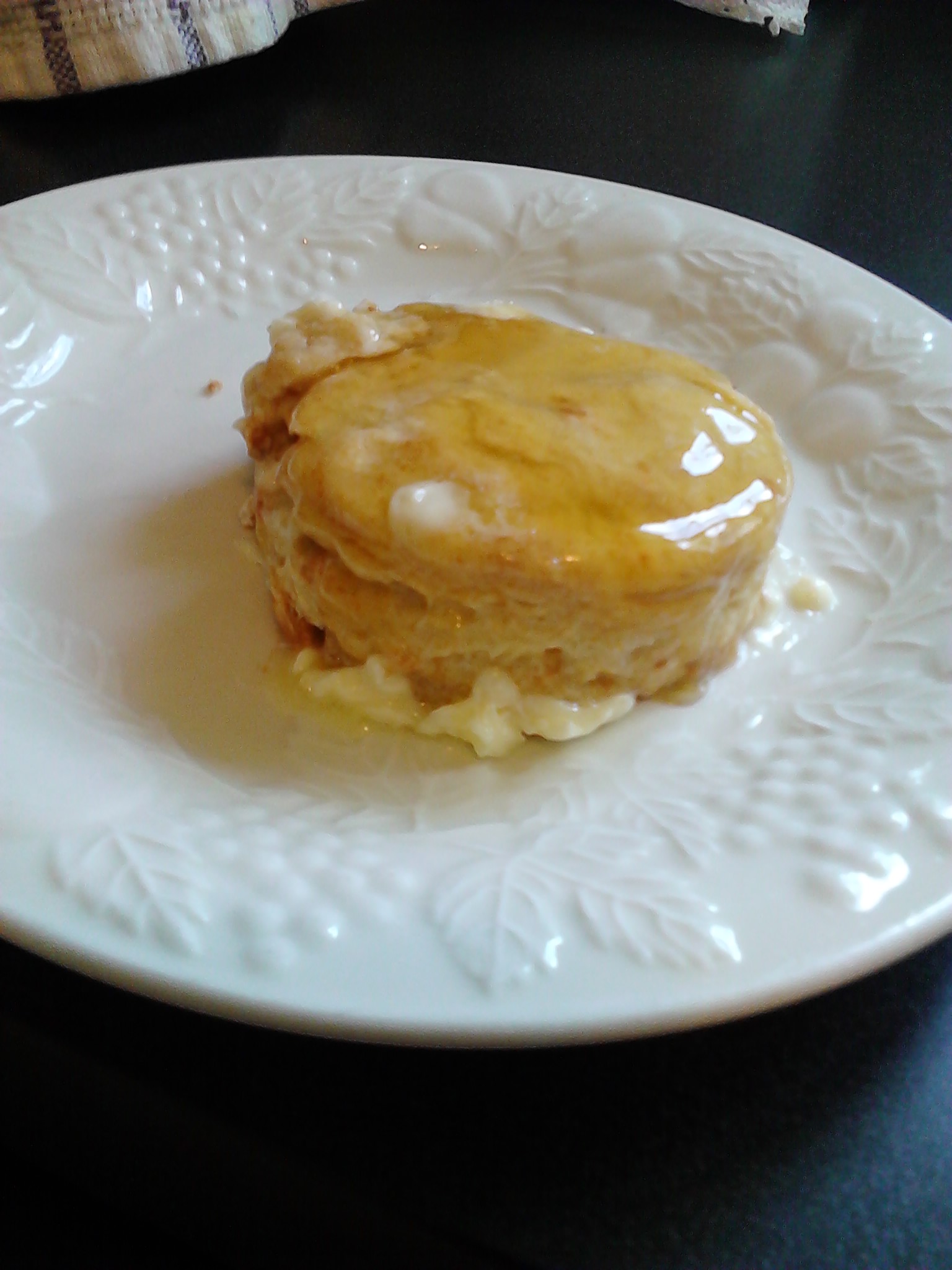
Celebrating with Buttermilk Biscuits

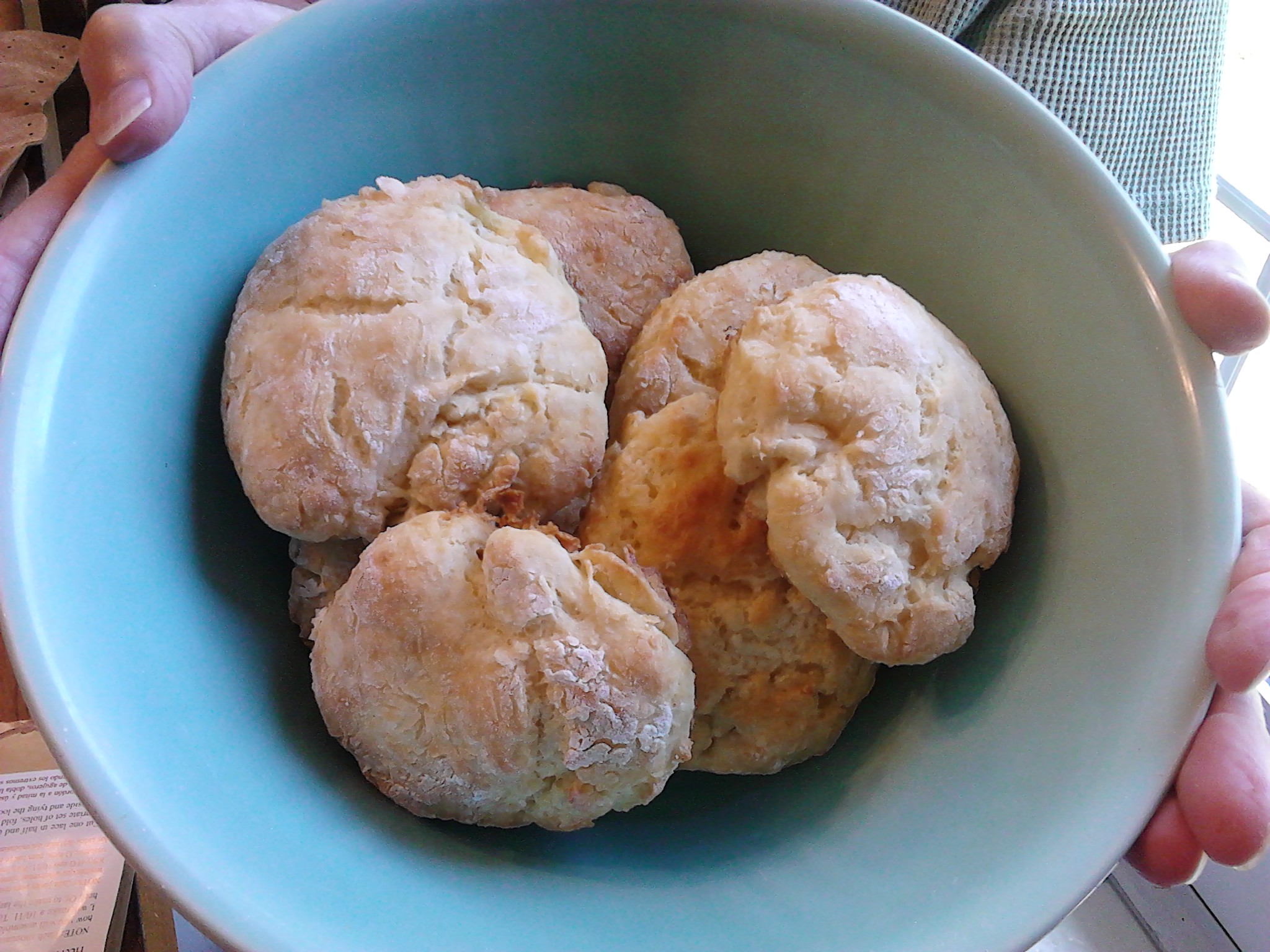
IMG_20140814_143324December 1907. The Welles Family has been blessed with another child. Part of the celebratory breakfast the family enjoys includes buttermilk biscuits. Collie Mercer, the midwife who helped deliver the baby, takes it upon herself to feed the family so Lyla, wife and mother, can rest. Also, a hot meal is part of Collie’s payment, and she plans to make the most of it. Her excellent cooking skills mean everyone eats well and eats hearty.

Like cornbread, everyone probably has their own version of biscuits that they enjoy the most. The following recipe is the one I had in mind when I wrote the scene above for my novel The Secrets of Dr. John Welles.

Enjoy!

Buttermilk Biscuits

Sift together:

2 c flour

1 T baking powder

1 t salt

½ t baking soda

Cut in:

5 T cold butter (I used unsalted)

Mixture should look like coarse crumbs

Add:

1 C buttermilk

Toss with a fork and form a dough ball. If mixture looks dry and/or won’t form a ball, add more buttermilk one tablespoon at a time.  Turn dough out onto a lightly floured surface. Knead a few times until smooth. Pat and form a circle of dough ¾” thick. Cut with a 3” biscuit cutter.

Bake on an ungreased baking sheet at 425 degrees for 12 – 15 minutes or until golden on top.  Serve with butter, honey, molasses, apple butter, jam, jelly.

IMG_20140806_131814