Looking Through the Long Lens of History

Glimpses of understanding are all many of us will ever have for what the men who stormed the beaches at Normandy experienced on June 6, 1944. I have looked at it from several different sources, and still, my knowledge is mere shadow when compared to the memories of the men and women who served during World War II.
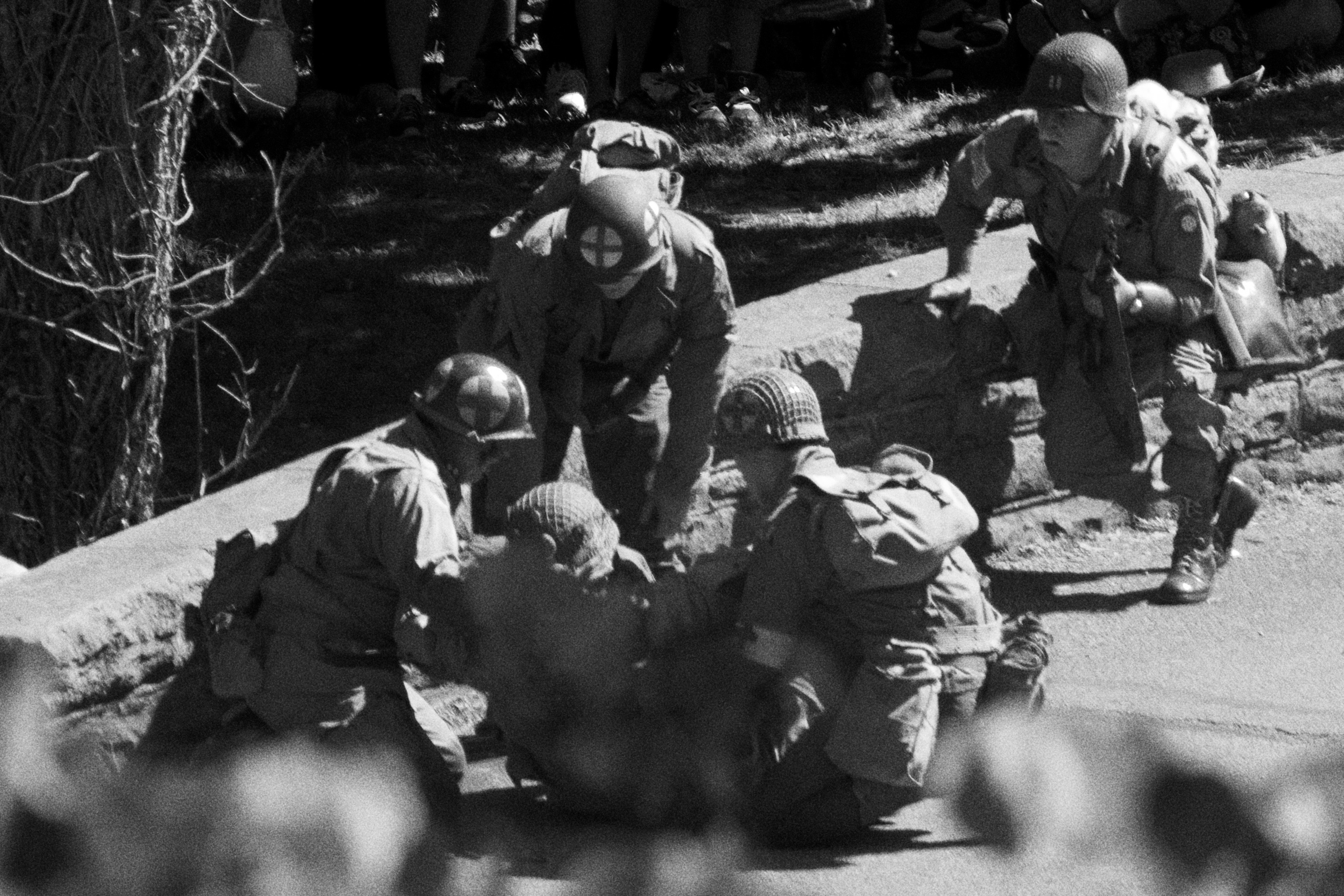
Conneaut 2

As heart wrenching as Band of Brothers was to watch, I didn’t have a true understanding of the ordeals faced by the American and Allied soldiers and medical staff until I began researching my novel, The Secrets of Dr. John Welles. Per my husband’s suggestion, I attended the Conneaut D-day Reenactment. I assumed I’d find some hobbyists with a useful amount of knowledge. I am not ashamed to admit that the whole event was incredibly humbling, and what I discovered far surpassed my expectations.
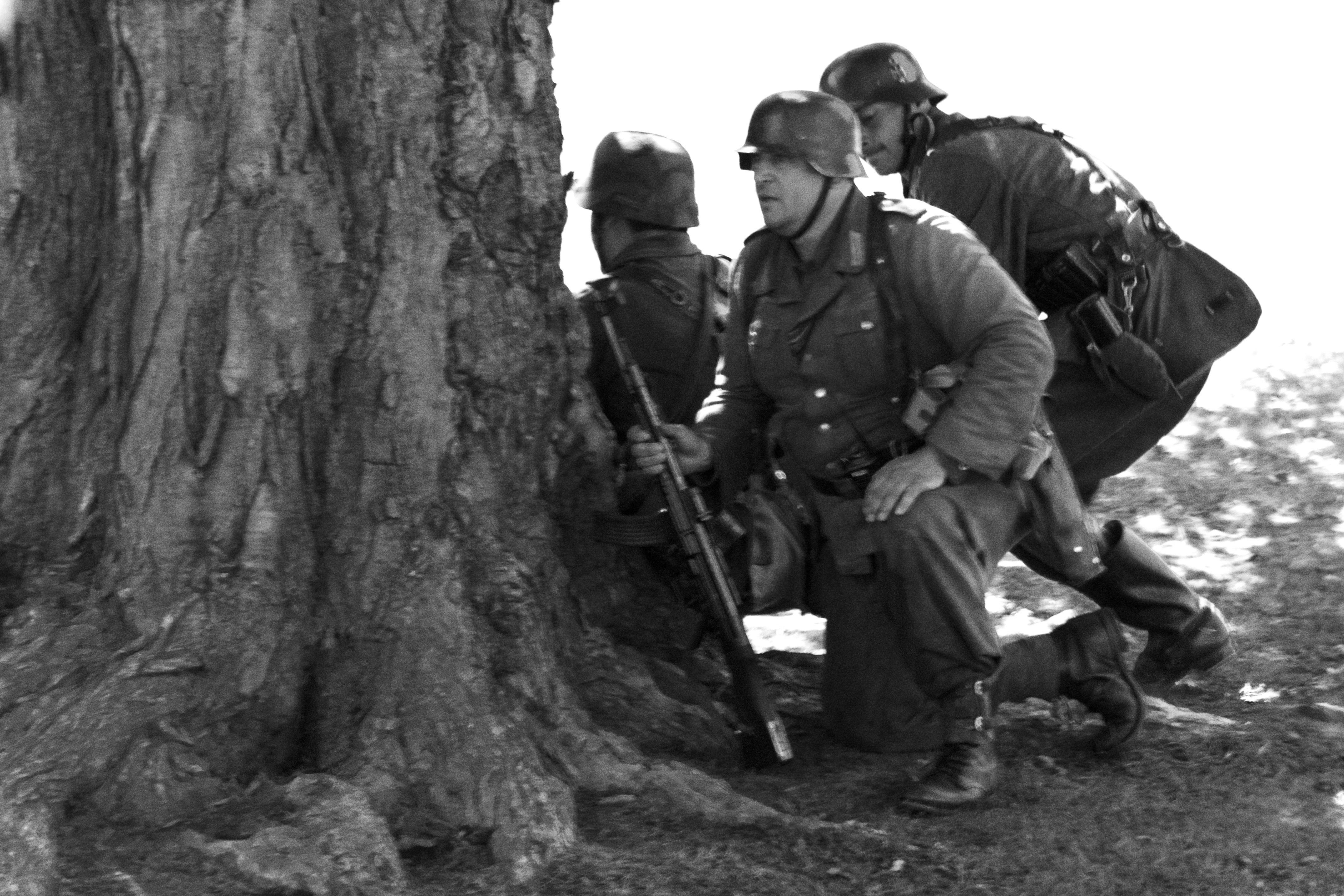
Conneaut 1

My journey began when three nurse reenactors graciously granted me an interview and patiently answered all my questions. They directed me to And If I Perish and Heroes From the Attic as additional resources where I would find the specific details needed to create believable scenes in my novel. Both books provided the information I desired, but more importantly, they supplied a sense of approachable familiarity that my research had been lacking. Long before I finished reading, I felt as if I knew the people about whom the books had been written. They became friends with whom I experienced fear, anxiety, sympathy, joy, loss, relief, and a whole host of other emotions. I developed an even deeper respect for them, and I wish I’d had the pleasure of meeting and knowing them.

Conneaut 3

Another valuable perspective of World War II was the autobiography of Omar N. Bradley, A Soldier’s Story. General Bradley’s account supplied information from the other end of the spectrum, bridging the gap between those in charge and those under orders. As inscribed in the front of the book, General Bradley hoped to help soldiers “understand why they were going where they did.” I believe his memoir answers anyone’s questions if only they are willing to look. While many would criticize those in charge without offering alternatives and/or solutions, I know that I would never want to shoulder the burden that Omar Bradley and others like him did during World War II. To simply say they did the best they could would be insulting. From the lowest private to the highest ranking general, and everyone in between, they all served bravely and selflessly.

Conneaut 4

This post would be incomplete without attempting to describe the D-day battle portrayed at Conneaut. My emotions get the better of me every time I think about it. It all seems to happen at once.

Landing craft full of American and Allied soldiers about to crash onto the beaches.

The thrill of the B-17 Flying Fortress flying over so close I swear you could reach up and touch it.

The B-25 Mitchell banking in the brilliant blue sky.

P-51 Mustangs crisscrossing the air like darting swallows.

Excitement and tension mounting, trying to remember it’s a reenactment.

The ground vibrating with the boom of the German 88, the shock traveling up through your body.

Black clouds billowing upward from the flame thrower.

Soldiers storming the beach and falling, the dull ache in your chest every time that soldier is American or Allied.

Inch by grueling inch they gain ground.

The Germans relentless, the Americans resilient.

Again the planes, again the 88, the sound of bullets ripping the air.

And then, a small cheer is heard in the distance, rippling through the crowd, swelling.

Clapping and people jumping to their feet.

Tears in your eyes.

The American and Allied soldiers have gained their objective.

Breathing a sigh of relief.

It’s over. For us, right now, D-day is over.

Locking eyes with those around you as your remember that in 1944, it was just a beginning.

I cannot thank the reenactors enough for keeping alive the memory of what brave American and Allied men and women did. Their selfless sacrifice must never be forgotten or rewritten. The sad fact remains that much of this history is not being taught to upcoming generations. Worse, there are those who wish to revise it as something undesirable or reprehensible. As much as this grieves me, it is not enough for me to want this for future generations. They must desire the knowledge of history for themselves.

Until then, I will carry on remembering for every person who served long after the last one is gone.

~~~~~

Thank you to HBSmithPhotography for the wonderful pictures from the 2015 Conneaut D-day Reenactment

Egg On My Face

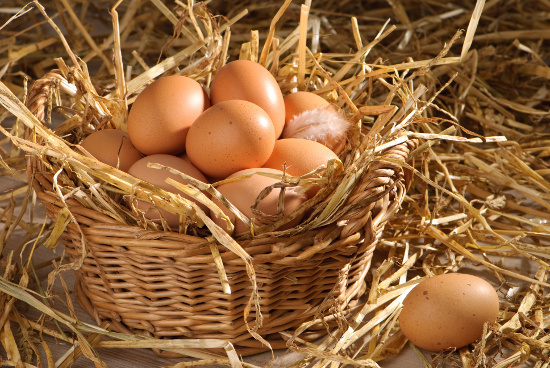
What could be more delicious or simple than a fried egg? There is so much about the egg that I could say (the history of eggs, uses in different cultures, health benefits, recipes, etc.) but won’t. There are tons of websites devoted to the creation of the perfect fried egg including debates on cast iron versus non-stick skillets. There are sites encouraging the incorporation of the fried egg into everything from bowls of rice and/or veggies to plopping it down on top of ciabatta bread and tomatoes then sprinkling with feta cheese and arugula, thus elevating the humble fried egg to a snazzy dinner item. And don’t get me started on the various methods of frying with absurd names like “animal style” and “press down.” One ill-informed person even suggested that the perfect fried egg wouldn’t have crispy brown edges. Seriously? That’s the best part.

I guess I’m old school and harken back to the days when the toughest decision one had to make about fried eggs was whether or not you wanted the yolk hard or soft. This simplicity of thought is where my mind drifted as I wrote the scene in my novel, The Secrets of Dr. John Welles, when midwife Collie Mercer makes a celebratory breakfast for the Welles family in honor of the new baby she has just delivered.

The Welleses lived on a farm, so naturally eggs were part of their diet in some fashion on a daily basis. I imagine nothing fancier than scrambled or fried eggs ever appeared on the Welles children’s plates, not even an omelet. But I also know that the eggs were prepared with love. And while a wide variety of foods may not have been an option, no boxes of colorful cereal or flaky croissants, the children were no doubt raised with an appreciation for an abundance of good food prepared simply.

There isn’t an exact recipe involved with this post. In many ways, the preparation of a great fried egg is a combination of common knowledge and simple logic with a dash of familial preference for good measure.

The Perfect Fried Egg

Fresh eggs – we obtain ours from a neighbor down the street

Butter

Salt & pepper

Cast Iron Skillet – our preference at the Gibson household

Pre-heat a cast iron skillet on the stove. Melt about ½ T of butter in the pan per egg until it bubbles. Don’t brown or burn the butter. Crack your eggs directly into the skillet, spacing evenly around the circumference depending on the quantity of eggs and size of the skillet.

Break the yolks at this point if you want them hard. Allow the underside to set up before flipping them to continue cooking on the other side. They are done when the yolk it set and the edges reach desired crispness.

Or, when the underside of the white turns opaque, you can pour a little water in the pan and cover to steam your eggs to doneness. This is usually done for a soft yolk. No flipping required.

Season the cooked eggs with salt and pepper to taste. Serve hot and enjoy!

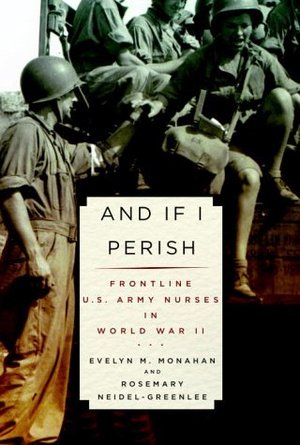
And If I Perish

And If I PerishAnd If I Perish was recommended to me by the nurse re-enactors of the Conneaut D-day event as a source of information on American medical staff during World War II. I needed to place my protagonist, Dr. John Welles, in the European Theater as a surgeon, but I truly had no idea how to incorporate a civilian doctor among the ranks of military personnel.

Thanks to Evelyn Monahan and Rosemary Neidel-Greenlee’s thoroughly researched book, I not only had a way to place Dr. Welles in the war, I had firsthand accounts via actual medical staff of what he would have encountered.

And If I Perish is a treasure trove of information not to be missed. I highly recommend it to students of nursing and history. While the contribution of doctors is also noted, the focus of the book is on the nurses who responded to the call to tend American soldiers fighting in North Africa, Italy, and at the Normandy landings through to the end of the war in Europe.

Often without footwear and uniforms in their sizes, yet an abundance of nylons, lipstick, and face powder supplied by the military, the nurses who participated in World War II made tremendous sacrifices and improvised on the spot to ensure that American and Allied soldiers received the best in medical care. They even gave the best they had to offer when working on German POWS who, with the exception of SS officers, were often grateful for the care they received once they overcame the fear of being captured.

It was no small challenge for the nurses to assist doctors while only a couple of miles from the front lines, often in horrible weather, and sometimes during retreats with the threat of being left behind hanging over their heads. And they did it without the benefit of weaponry to fight back.

The nurses endured bombing, strafing, and even evacuation from a hospital ship that had been attacked by unscrupulous pilots of the Luftwaffe contrary to the Hague Conventions. Occasionally they lost one of their own, a fact that further solidified their sense of family. All this they endured at less pay than their male counterparts.

With the equality that women enjoy today in many fields of work, it is difficult for me to comprehend why, for so many years, the nurses’ stories were overlooked and why they didn’t receive as many promotions and awards as the men serving. Hopefully, Mrs. Monahan and Mrs. Neidel-Greenlee’s book came in time for all of them to know how loved and appreciated they were and are for the sacrifices they made in serving their country.

A Matter of Classes

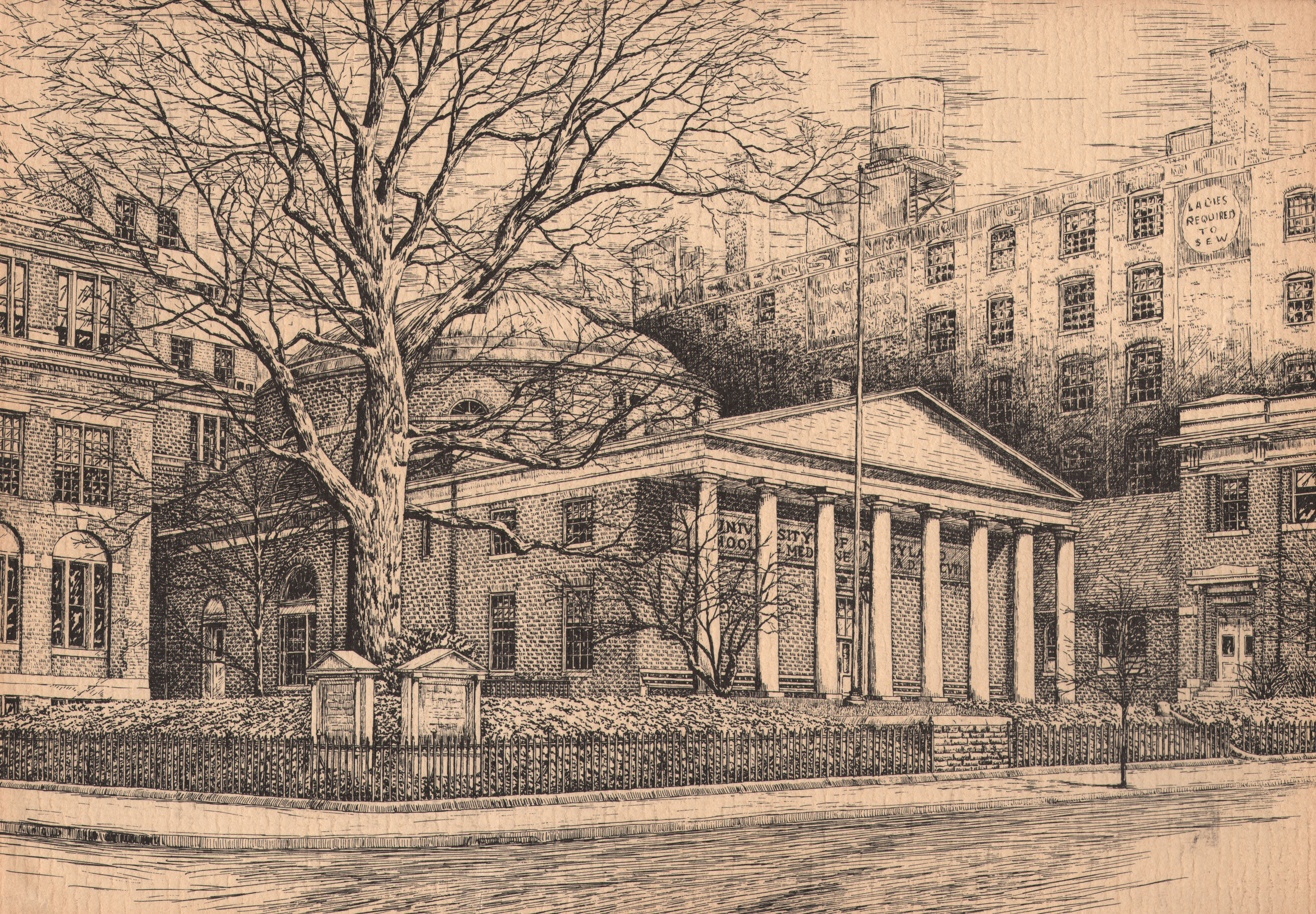
A Matter of ClassesOne of the jewels in the crown of the research for my novel, The Secrets of Dr. John Welles, is a class schedule from the University of Maryland for 1922. I could not have been more pleased with the delivery of this item into my possession than if I had asked what the Queen of England ate for dinner on May 28, 1997, and been told not only what she consumed but how well she like it.

Let this exaggeration serve to convey exactly how pleased I am. When I began my research, I had absolutely no idea how I was going to discover what classes and labs doctors in the 1920s were required to pursue or for how long. I only had my knowledge of modern day medicine to fall back on, and that simply wouldn’t do.

Douglas Skeen, who at the time of my research was employed at the Maryland Department of the Enoch Pratt Free Library in Baltimore, Maryland, and hopefully still is, is responsible for locating the bulletin and sending it to me as a PDF. I sincerely thank Mr. Skeen yet again for performing his role as a Reference Librarian above and beyond my expectations.

I created the Research Road portion of my blog with the express purpose of sharing what I discovered with other writers. I don’t know how many others may need similar information, but I will allow you to stand on my shoulders as you search for it, and I’ll hold your ankles to balance you as you do. With that being said, please enjoy the attached PDF of the Bulletin of the University of Maryland School of Medicine and College of Physicians and Surgeons, Vol. VII, from July 1922. At the very least, I hope you enjoy the walk through history.

UM Bulletin Vol 7 July 1922

Spread the Love

One of my earliest memories of butter includes sitting on the carpet in the kindergarten classroom, all of us in a large circle, passing a massive canning jar from person to person as we shook the sealed jar full of whipping cream as hard as our little arms could manage. We’d been told that this would produce butter. I remember my skepticism, but since I loved butter, I gladly took part and watched the magic unfold.

It’s funny how many of my food memories are attached to my Grandma Smith, but I believe her kitchen is where I developed my love of butter.Butter versus Margarine There was something different about the sunshine yellow block that sat in her cut glass butter dish. It was lighter, sweeter than the golden-colored sticks of ‘butter’ we used at home. As a young child, any yellow, creamy substance that one spread on toast or crackers was referred to as butter. My mother provided the explanation of the difference, and I learned the definition of margarine. It wouldn’t be until decades later that I learned what an evil substance margarine is, but I digress.

Grandma Smith would bring me packets of real butter from restaurants where she had dined. Nothing against my mother, but she used margarine for years until I finally convinced her to switch. Glory be–my taste buds rejoiced and food became so much tastier.

Where is all this leading you ask? To my novel, The Secrets of Dr. John Welles, of course. I’ve already established that as an author, I love to feed my fictional characters. Twice I reference butter specifically, once in conjunction with biscuits and again with cornbread, but what I want my readers to understand without mentioning it every time is that butter is my fictional characters’ ingredient of choice when it comes to cooking and baking.

As I wrote the scenes involving food and envisioned the preparation, butter was always in the picture, sitting in a crock or dish, just within reach of the experienced hands that would lovingly incorporate it into the recipe. I’ll spare you the debate on the health benefits of butter versus margarine and simply say don’t fear butter and all things in moderation.

To sum up this post, I made butter with my son because I wanted him to experience how easy and fun it is. The added step of washing the butter is new for me based on research for this post. The instructions for this activity follow. I highly recommend doing this with your kids because the memories you’ll make are priceless.

Enjoy!

Homemade Butter

2 c whipping cream (Raw cream from grass-fed cows is recommended, but store bought organic will work as well. This quantity will yield approximately ½ c of butter.)

sea salt

I used a stand mixer with a wire attachment for this process and chilled the bowl and wire attachment prior to using.

Pour the cream into your mixing bowl, filling the bowl halfway so it does not overflow as air is whipped into the cream. Mix on a medium-low speed to prevent splashing. As the cream thickens, you can turn it up to medium.

This process should take about 15 minutes but can vary depending on how much cream you are using and what type if mixer you have. Whipped cream will develop first. When the whipped cream begins to deflate, watch closely as your mixture can rapidly change to butter. To prevent splashing, cover the bowl with a lightly dampened tea towel.

When the butter begins to clump and stick to the whisk, it is done mixing. Pour the mixture through a fine strainer to separate the solids, butter, from the liquids, buttermilk. If you want it to last for more than a few days, you need to wash the butter. This will remove as much buttermilk as possible to keep the butter from going rancid. Put the butter back in your mixing bowl and cover with clean, cold water.

Use a large spoon to press the butter into the sides of the bowl. The water will become cloudy as the buttermilk is removed from the butter. Pour off the cloudy water and add more fresh. You can repeat this process until the water stays clear. Stir in a large pinch of amount of sea salt for every ½ c of butter.

Store in refrigerator or at room temperature if you will use it within a week or two.

Cast Ironclad Alibi

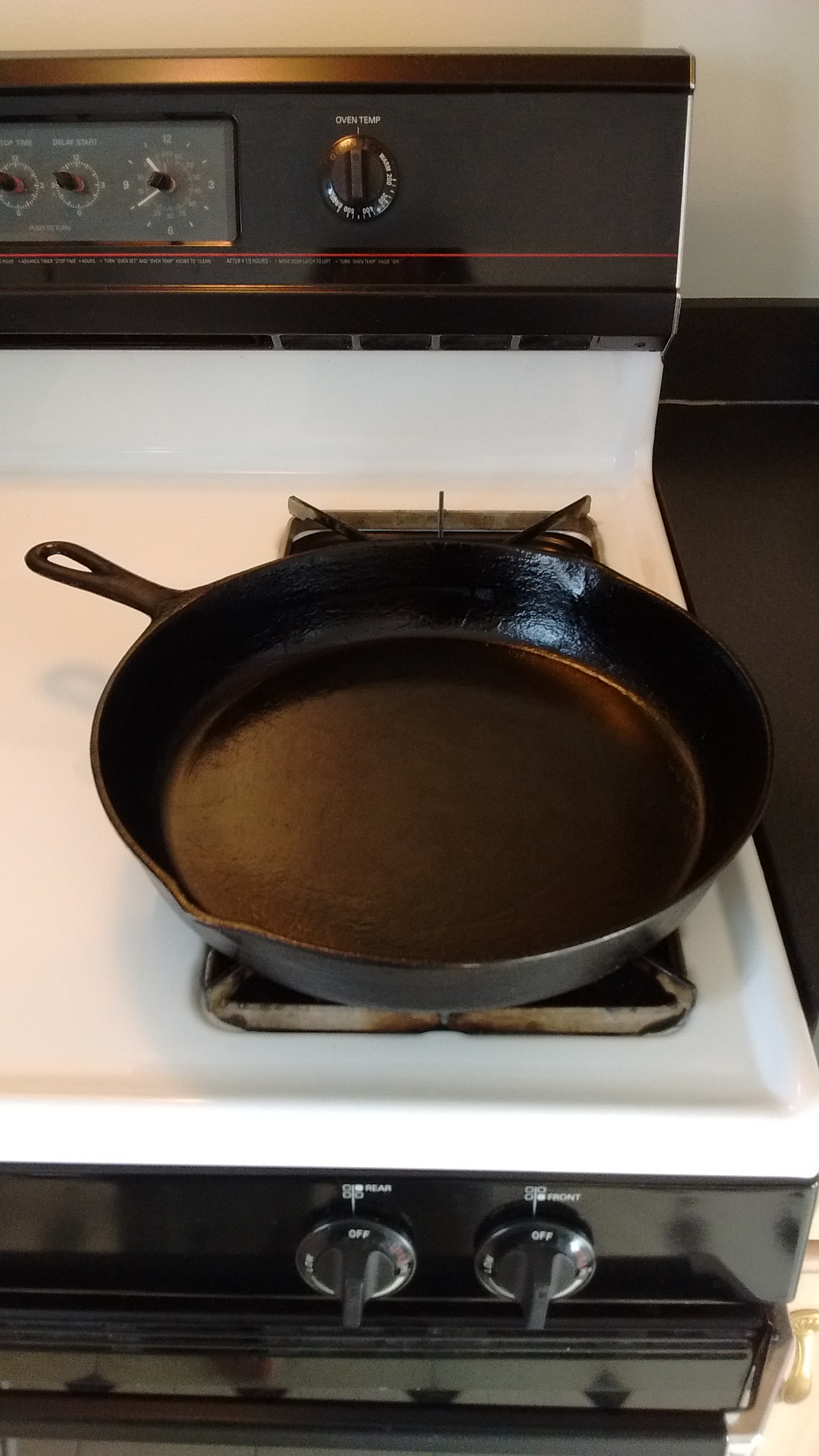
One of my most prized possessions is the cast iron skillet I inherited from my beloved Grandma Smith. The skillet is twelve inches in diameter and easily weighs as much as my Kia Spectra. I have to use both hands to lift it, and if it weren’t so unwieldy, it would make one heck of a weapon.

I know I surprised Grandma when I asked her if I could have the skillet when she broke up housekeeping. She was leaning toward giving rest-home living a try about a year after my Grandpa had passed. I assured her there was no rush and that I’d wait until she was completely ready to part with it.

“What do you want that ole thing for?” she asked and laughed.

I explained to her that is was infused with memories of her and all the delicious things she ever cooked in it. She smiled sweetly, I imagine still somewhat amazed that I’d asked for it, and said okay.

The day my father brought it home to me was actually kind of a sad day. Grandma was still with us, but her days of clomping about the kitchen (she wasn’t exactly light on her feet) and directing the creation of large meals for family gatherings were over.

Unfortunately, I let the pan sit for many years because I was too intimidated to use it. I wasn’t sure I could live up to my Grandma’s reputation as a great cook. Besides, I had a shiny set of Revere Ware Copper Bottom pots and pans. They were dishwasher safe; the cast iron skillet was not.

So, Grandma’s skillet languished in my stove, setting off the fire alarms every time I forgot to remove its oil-preserved self from the oven prior to preheating. I’m ashamed to say that I moved it to the storage shelves in the basement. Its presence was replaced with a non-stick skillet from my mother.

A couple of years ago when I began writing my novel, The Secrets of Dr. John Welles, the skillet drifted back to the edges of my memory. As I mentioned in a previous blog post (Edible Fiction), I love to feed people, both real and imagined. One of my characters, Collie Mercer, is responsible for a great deal of the food mentioned in my novel. Without realizing it, every time I wrote about Collie cooking, without even stating it, I pictured her using a large, cast iron skillet exactly like my Grandma’s.

Black Beauty with a gleaming coat of oil.

Black Beauty with a gleaming coat of oil.

Long story short, the skillet, re-seasoned and currently in use, now reigns supreme in my kitchen. I never thought I could fall in love with a cooking implement, but I have. Who knew that cast iron was not only healthier for you, but the non-stick qualities put the new skillets to shame? And keeping it seasoned is not the chore I initially believed it to be.

There is so much about cast iron that I want to share with you, but I’ll direct you to two books, The Cast Iron Skillet Cookbook by Sharon Kramis & Julie Kramis Hearne, and The New Cast Iron Skillet Cookbook: 150 Fresh Ideas for America’s Favorite Pan by Ellen Brown. What I love about these books, besides the delicious recipes, is the sentiment the authors express for the cast iron cookware they inherited.

So, whether you’re starting out with a brand new piece of cast iron, rescuing an old relic from the back of someone’s cupboards, or just pulling out Grandma’s skillet to use for making dinner, get your hands on a piece of cast iron and fall in love with cooking all over again.

Drowning Your Sorrows In Cinnamon

Drowning Your Sorrows In Cinnamon 2John Welles and his two best friends, Sam Feldman and Claude Willoughby, formed a strong bond during their two years of pre-med studies at the University of Maryland. As they faced the upcoming challenge of pursuing the heart of their degree, the three young men fluctuated between excitement and anxiety. Yet their biggest concern wasn’t that they would perform poorly in their classes and labs or receive low grades. What sent the trio into a case of the doldrums was the worry that they would lose touch as their classes intensified in difficulty.

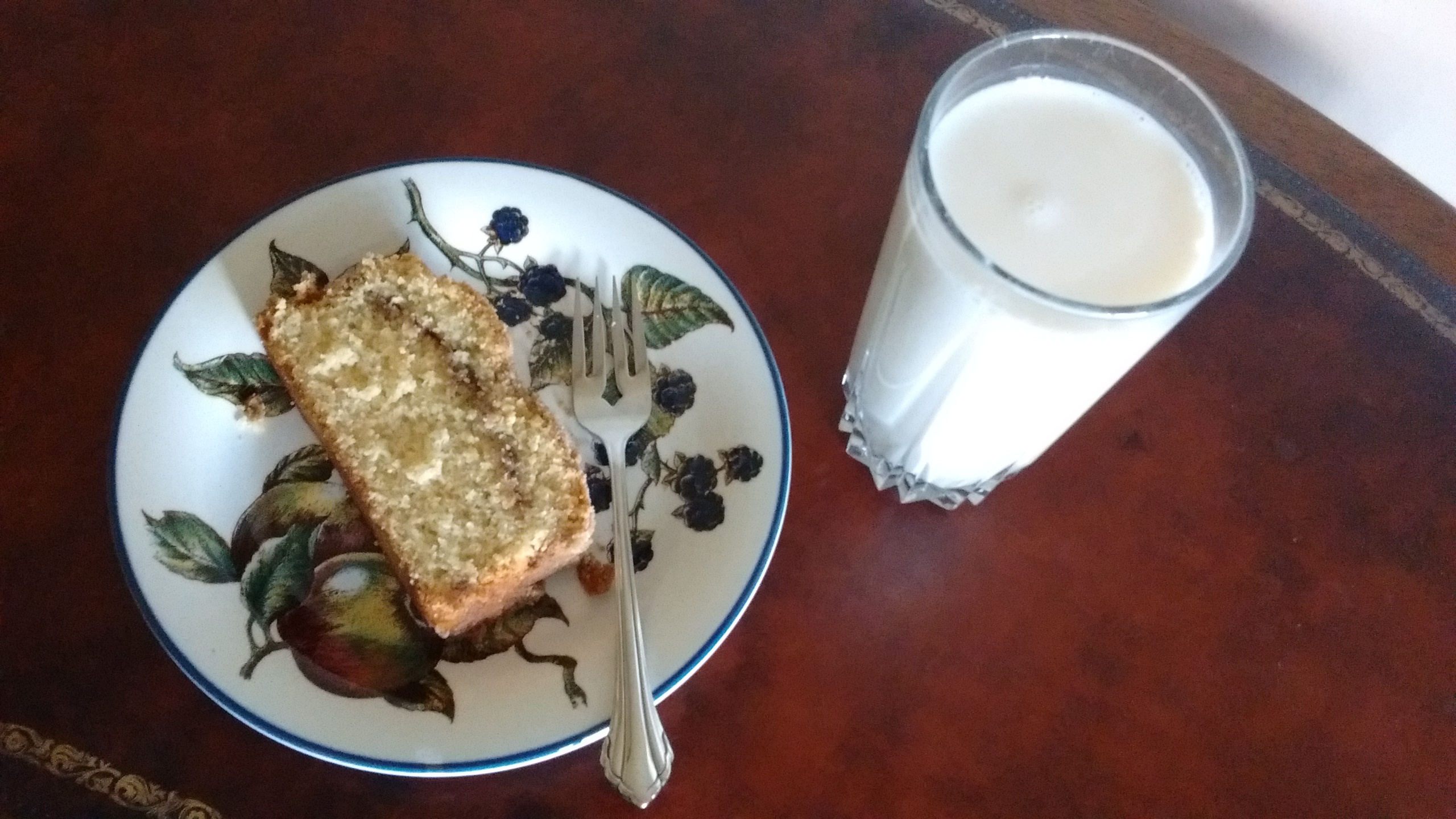
John’s Aunt Prudence suggested an end-of-summer barbeque to lift the boys’ spirits, but her sassy cook, Lucia, responded with a more immediate remedy: cinnamon cake. Lucia knew the benefit of comfort food, and the cake she served the boys was rich and delicious enough to drown anyone’s sorrows.

The following recipe is the one I had in mind when I wrote this scene. The flavor is reminiscent of pound cake, but this golden confection is lighter in body and smooth in texture. Be warned: it is rich beyond belief; however, most of the sweetness comes from the cinnamon streusel layer.

Enjoy a slice of Lucia’s cake with a cup of coffee or tea or a glass of milk.

Lucia’s Cinnamon Cake

Cinnamon Streusel Topping

½ c flour

½ c packed brown sugar

1 t cinnamon

¼ t salt

¼ c unsalted butter, cold & diced

Mix the flour, brown sugar, cinnamon, and salt in a bowl. Work in the butter with the dry ingredients using your fingers or a pastry blender until coarse crumbles form. Set aside.

Cake Batter

Preheat oven to 350° and grease and flour a metal 9 x 5 x 3 inch baking pan.

I strongly recommend using a stand mixer for this cake. The thick batter closely resembles dough and has the tendency to climb the beaters of a handheld mixer.

½ c unsalted butter, softened

1 c sugar (I use raw)

2 ¼ c cake flour OR all-purpose flour sifted with 1 T cornstarch per cup

2 t baking powder

¾ t salt

5 egg yolks

¾ c whole milk

1 t vanilla

Cream the softened butter and sugar. Add flour, baking powder, salt, egg yolks, vanilla, and milk. Mix on medium low speed until thoroughly combined, approximately 3 minutes. Spread 1/3 of the batter evenly in the baking pan. Top with half of the cinnamon mixture. Spread the remaining 2/3 of the batter in the pan and top with the rest of the cinnamon mixture.

Bake on the center rack for 65 minutes or until a tester inserted in the middle comes out clean. Cool the cake until you can handle the pan before turning it out.

Enjoy!

Completely Sauced

IMG_20151123_095305152Breaking bad news is never easy. Receiving bad news isn’t much better. The only hope is that it doesn’t affect you directly, but even then, you may be called upon to share the grief and comfort those who need it. But what do you do when the bad news is disguised as a lovely dinner with your friends and slips out through the course of pleasant conversation? Factor in the knowledge that the bad news is tiptoeing dangerously close to your own awful experiences, and the situation is bound to go south. Such was the case for Dr. John Welles when he accepted an invitation to dine with Reuben and Hannah Wise.

What began as an enjoyable meal with people he knew for years turned out to be a hidden request for assistance with a task that John absolutely does not want to complete. Not even Hannah’s delicious cooking could persuade the doctor to go against his conscience or dredge up painful secrets. By the time the Wises and Dr. Welles parted, not even the sweetness of Hannah’s homemade applesauce could soothe hurt feelings or smooth over the rift between them.

The following recipe is the one I had in mind when I wrote the above-mentioned scene. As with many recipes, there is room for change based on your preferences. I find that applesauce, not unlike apple pie, is one of those recipes that bear the signature flavors usually handed down through the family. I hope you enjoy the way my family makes it.

Homemade Applesauce

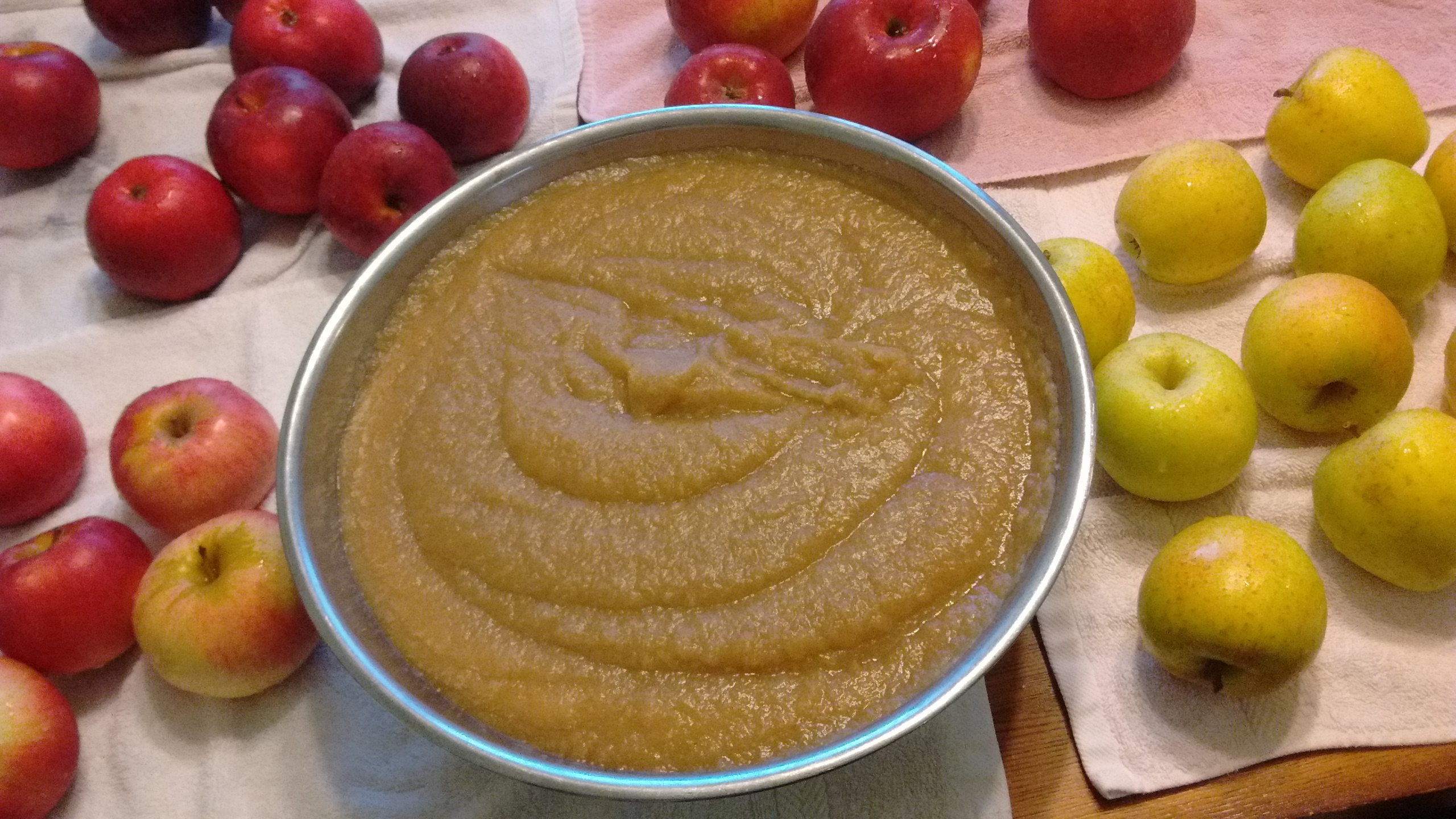
My favorite apples to use are Cortland, Jonagold, Melrose, Idared, Winesap, and Golden Delicious, and I use a combination of all six in this recipe. Stotler’s Orchard is where I purchased apples for saucing.

½ c brown sugar

1 t vanilla

1 t cinnamon

Allspice to taste***

1 c apple cider

I prefer to use a 6.5–quart cast iron, enamel covered Dutch oven, but any heavy cooker will do.

Peel, core, and cut enough apples into one-inch chunks to fill the cooker, leaving a little room to stir. Add the apple cider, brown sugar, vanilla, cinnamon, and several hearty dashes of allspice to the apples. Stir all ingredients, cover, and cook on a medium high heat. Don’t let the apples boil. Check regularly and stir the apples up from the bottom so the mixture cooks evenly.

At about 30 minutes, the apples should be soft enough to cut through a chunk with the side of a wooden spoon. If not, cook for an additional five minutes and recheck.

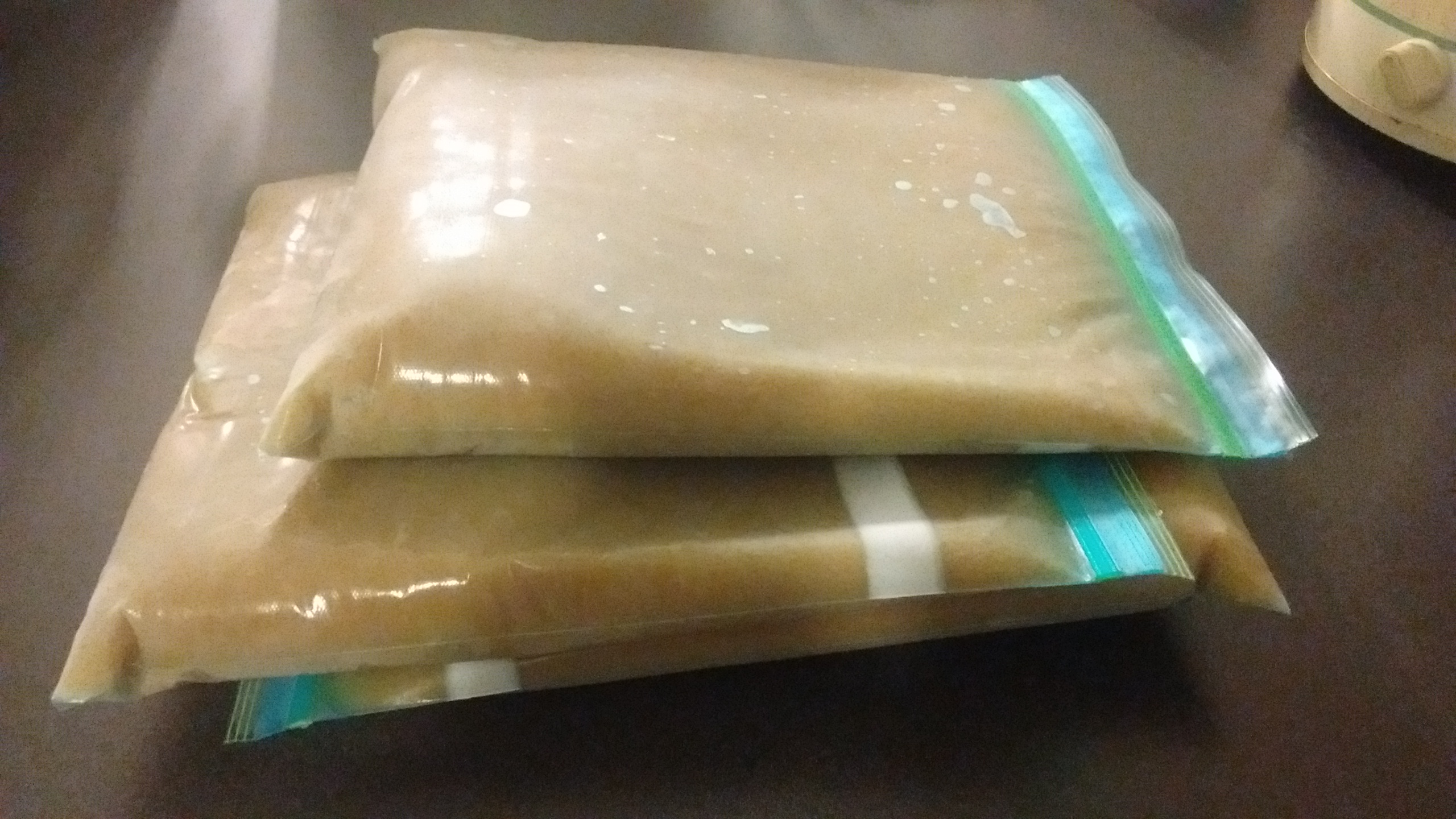
Once the apples are tender, transfer small batches to a food processor and blend to desired consistency. I allow the applesauce to cool to room temperature in a large metal bowl before transferring it to gallon-sized freezer bags. Enough applesauce is ladled into the bag so that it is about a half inch thick when sealed and laying on its side. Full bags stack nicely in the freezer.

IMG_20151227_162102649

***If your allspice lists several other spices in the ingredients, you’re not using real allspice.

The Sweet Side of Bitter

The Sweet Side of Bitter 3John Welles and his two best friends, Sam Feldman and Claude Willoughby, formed a strong friendship during their two years of pre-med studies. By 1927, when they began studying medicine in earnest, they were inseparable despite the differences in their personalities. It was their closeness that allowed John to pick up on the problems with Claude’s family life that his friend tried to keep hidden. After the boys naively crossed the line by interfering with Claude’s father’s private business, the once subtle problems exploded to the surface. John felt powerless to help Claude.

Worsening the issue was J.D. Willoughby, Claude’s Father, who infuriated John by maintaining a polished veneer on the situation in an effort to keep up appearances. J.D. Willoughby was the type of man who didn’t even flinch when he realized John and Sam overheard him yelling threats at Claude. Instead, he ushered Claude’s friends to the kitchen, treating them like ignorant children and distracting them with freshly baked cinnamon rolls.

The Sweet Side of Bitter 2

The following recipe is the one I had in mind when I wrote the above-mentioned scene. The sinfully rich, delicious baked good is a cut above a regular cinnamon roll with the inclusion of bourbon, golden raisins, and Zante currants; it’s just the sort of dessert J.D. Willoughby would expect to be served in his home. They are so luscious, I hesitated to attach them to such a despicable character. I trust J.D’s reputation won’t negatively influence your opinion of the recipe.

Enjoy!

Willoughby Family Recipe for Cinnamon Rolls

Dough:

2 ¼ t yeast (1 – ¼ oz. package)

½ c warm water (110° – 120° F)

½ c scalded milk

¼ c sugar (I used raw)

⅓ c unsalted butter, melted

1 t sea salt

1 egg

1 t pure vanilla extract

3 ½ – 4 c flour

Filling:

½ c unsalted butter, melted

¾ c sugar (I used raw)

2 T cinnamon

2 T bourbon

1 t vanilla

¼ c golden raisins

¼ c Zante currants

½ c finely chopped walnuts

Butter and sugar to prepare a 9 X 13 baking dish

Glaze:

4 T unsalted butter, melted

2 c powdered sugar

1 t vanilla

3 – 6 T freshly squeezed and strained orange juice

1 t orange zest

The Sweet Side of Bitter

In a small glass bowl, dissolve the yeast in warm water and set aside. In a large mixing bowl, combine the scalded milk, sugar, melted butter, salt, vanilla, and egg. Add two cups of flour and mix until it is smooth. Add the yeast/water mixture. Add another 1 ½ cups of flour until the dough is easy to handle. Knead the dough on a lightly floured surface for 5 – 10 minutes. This is where you may need to add the additional ½ c of flour a little at a time as you knead. The dough should not be overly sticky on your hands. Place in a large, well-greased bowl and cover loosely with plastic wrap. Let it rise until doubled in size, approximately 1 to 1 ½ hours.

Place the golden raisins, Zante currants, bourbon, and vanilla in a small glass bowl. Toss the fruit to coat with the liquid, cover, and set aside.

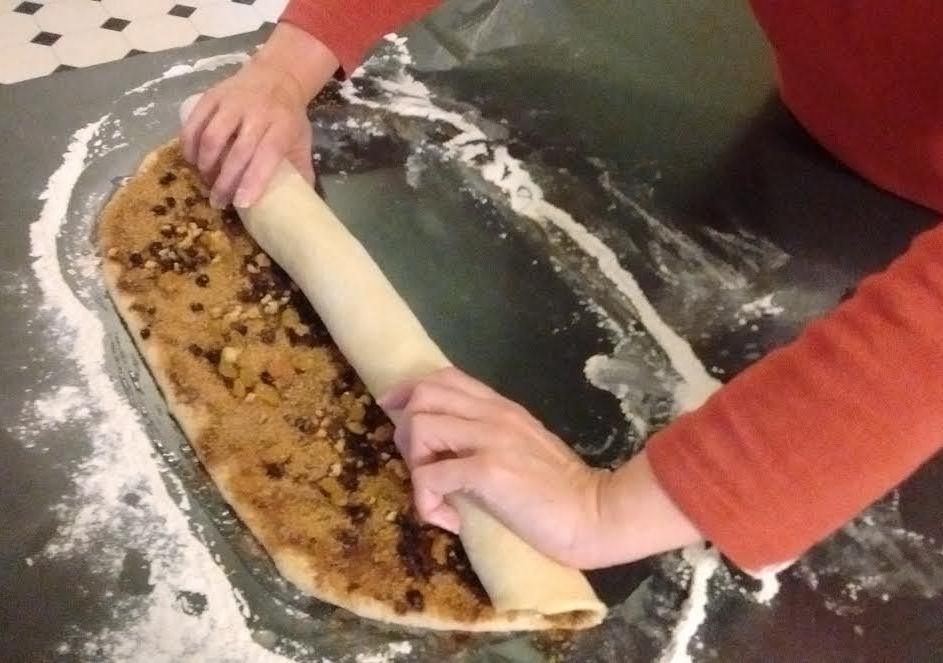
When the dough has doubled in size, punch it down and roll it out on a floured surface into a 15 X 10-inch rectangle. Spread half of the melted butter on the surface of the dough. Mix the sugar and cinnamon and sprinkle over the buttered dough. Sprinkle the raisin/currant/bourbon mixture and any remaining liquid over the dough. Sprinkle the walnuts over the dough. Begin with the 15-inch side and roll up the dough. Seal the long edge by pinching shut. Prepare a 9 X 13-inch baking dish by buttering the bottom and sprinkling it with sugar until coated. Cut the rolled up dough into 12 slices and place evenly in the buttered/sugared baking dish spiraled side up. Brush the sides and tops of the slices with the remaining melted butter. Let rise until double, approximately 45 minutes.

Preheat the oven to 350° F. Bake the rolls for 30 minutes or until nicely browned. While the rolls are cooling, mix the melted butter, vanilla, orange zest, and powdered sugar with 3 T of orange juice. Stir until smooth, adding 1 T of juice at a time until the desired consistency is achieved. Drizzle the glaze over the slightly warm rolls.

Serve immediately. These reheat well in the microwave for 10 – 15 seconds.

Straighten Up & Fly Right

Straighten Up and Fly RightIn my novel, The Secrets of Dr. John Welles, Claude Willoughby, one of John’s best friends, has had his share of trials and tribulations. When John and Claude first met, they sized up each other and decided they weren’t too keen on pursuing a friendship. After a few terse words, they overcame their differences, and together with Sam Feldman, forged an alliance that lasted a lifetime. So close was their bond, that when one of the afore-mentioned tragedies sent Claude to self-imposed exile in California, John and Sam felt as if their right arm had been severed.

Claude obtained his pilot’s license as a means of dealing with his grief. He also secured employment at the airfield where he trained and later joined the Navy as a pilot during World War II. I had to research exactly what Claude would have encountered in 1937 when he learned how to fly. In doing so, I came across the most unusual website listing a compilation of airfields, now abandoned but operating during the time period about which I was writing. I really shouldn’t have been surprised; the Internet has a site for just about any subject a writer would need to research.

Abandoned & Little Known Airfields contains descriptions and images of 1,995 airfields in all fifty states and is organized alphabetically by state. I hope you find this information as useful as I did.