Left-Handed Smoking

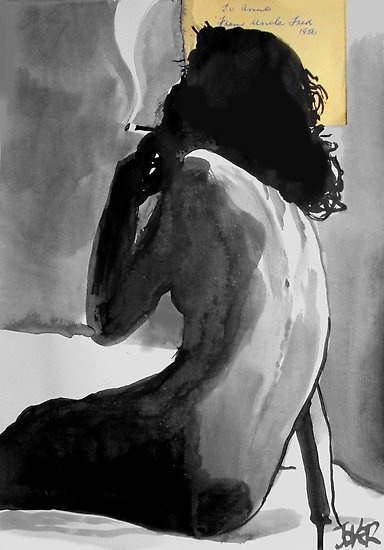
Left-Handed SmokingThe following piece of fiction is grittier than what I usually write; the themes are adult in nature.  Like most of the inspiration for my writing, this one comes from out of the blue.

I don’t remember what my mother and I were talking about when the story popped into my head, but I do remember it included one of my Grandmother Huffman’s cousins, Frances Courtney.  Frances chain smoked cigarettes and did little else except drink diet soda.  Her two sisters, Marge the capable and Evelyn the frail, waited on her even though she wasn’t an invalid.  Frances’s one redeeming quality was her rapier wit.  Delivered in a smoke-strangled voice, she would shoot barbs at her intended target that were both funny and true.

More than her wit, I remember the bizarre way Frances smoked her cigarette.  She held it in her first two fingers with the  thumbnail of the same hand wedged between her bottom incisors and her bottom lip curled downward as a resting place for her thumb.  It was an extremely unusual sight and is difficult to describe.  In fact, I believe the cigarette smoldered away in this position more than it was actually smoked.

Imitating Frances’s technique, my mother declared she was going to take up smoking and added the twist of only using her left hand.  After we quit laughing, I asked her something like what would she do with her other hand or what was the significance of left-handed smoking.  Out of that, my story was born.

Grab your favorite pack of smokes, sit back, and enjoy!

Left-Handed Smoking

Keep Those Emotions in Check

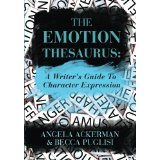
51j0JxV-MZL._AA160_Today I am stocking my Writing Toolbox with a book recommendation.  I first came across The Emotion Thesaurus: A Writer’s Guide to Character Expression when I stumbled across the authors’ website, Writers Helping Writers.  This was during the days when my own author platform was being created, and I clicked on and followed anything and everything that looked as if it might be valuable.  The point being:  I didn’t give the book much of a glance.

Of course, posts from the site kept leading me back to The Emotion Thesaurus as well as mentions on other writing blogs.  I checked out the book on Amazon, and I decided I must have it.  And by must have it, I mean I asked my local library to purchase it.

The simplicity of the book is brilliant.  Ms. Ackerman and Ms. Puglisi did a wonderful job explaining how to write emotional responses well.  The book includes a long list of emotions with examples of physical signals, internal sensations, mental responses, cues of acute or long-term confidence with other emotions to which the original one may escalate, and cues of repressed desire.  As well done as all of the above-mentioned features are, what I liked best about the book was the authors’ admission that their book is a launching point.

The Emotion Thesaurus is meant to help each and every one of us writer better, not to copy verbatim from the list of emotional responses.  This simple book gently pushes and guides one to think beyond the usual, clichéd responses.  It presents one of my favorite things in writing:  malleable rules.

I hope you find this book as helpful as I did.

Welcome to Mayfield House

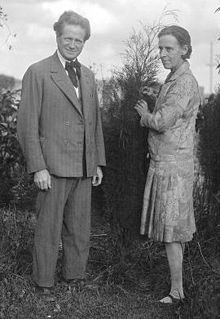
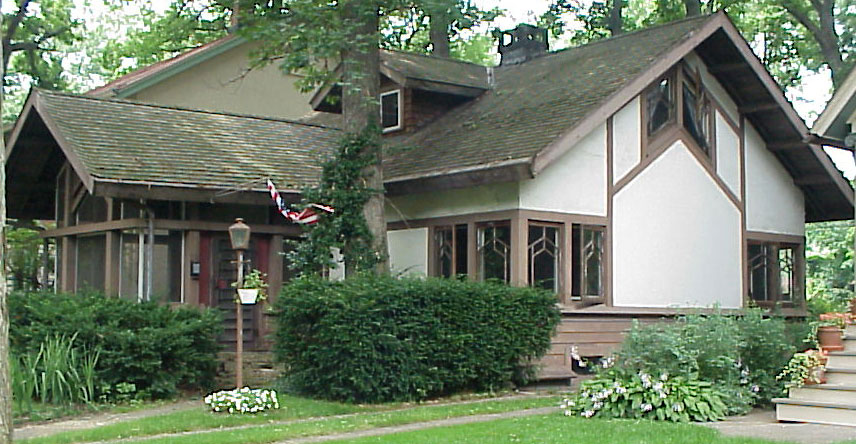
220px-WalterburleygriffinOne of my favorite topics of research for my novel, The Secrets of Dr. John Welles, was for an architect to build Prudence Welles Mayfield’s mansion.

I started by Googling architects for the era in which her house was built. The list, which I believe came up on Wikipedia, gave a brief synopsis for each architect. There were many interesting choices including Frank Lloyd Wright. As appealing as I find Mr. Wright’s style, I didn’t want someone quite so famous or well known for my novel. I’m not exactly sure why.

I kept reading through the list of architects, noting several who were of interest to me, ceiling-lights-mueller-1when I came across Walter Burley Griffin. I wish I had the original paragraph regarding Mr. Griffin. Between what I read and pictures of him I found online, I knew he was perfect for building Prudence’s dream home.

Adding to my choice of architect was Griffin’s wife, Marian Mahoney Griffin. Marian was an outspoken, artistic woman. She was the second woman to graduate with a degree in architecture from the Massachusetts Institute of Technology and the first licensed female architect in history. These schwartz_rear1facts alone made her a believable choice for my forthright character, Prudence. I imagine these two ladies would have worked wonders together.

The next thing I needed to do was locate a neighborhood in Maryland that would be suitable for Prudence’s fabulous mansion. Again, after researching several well-to-do areas where her home could be built, I decided on the community at Guilford. This is one detail where I took some liberties in my novel.tolles

You will most likely not find a home such as those built by the Griffins in a neighborhood like Guilford, however, Prudence wasn’t the type of woman to be told no. If she wanted her house built in Guilford, then the developers of the neighborhood would have had to resign themselves to the fact that her home was going to be built in Guilford. As mentioned in my novel, a generous donation from her husband, Wallace, toward the development of streets and parks went a long way to smoothing over her demands.

The last detail I needed for Prudence’s mansion was a name. I hoped to come up with something memorable and elegant like Falling Water. Even though the home I created was fictional, I wanted it to have an impact upon my readers to the degree that they would always remember the vannostrandsprawling mansion as if they had walked through it themselves. Maybe based on the fact that I used real architects and a real neighborhood, they would even go in search of data to see if the house actually existed.

I wish I could find my original, handwritten manuscript and/or notes so I could tell you some of the names I worked on for the mansion. Thinking about them now, I have to laugh to myself; they were that ridiculous. Of course, that’s why we writers edit, right? In the end, I settled on Mayfield House for Prudence’s home because the design, building, and habitation thereof really were all about her. In its simple elegance, Mayfield House proved to be the best choice.untitled (6)

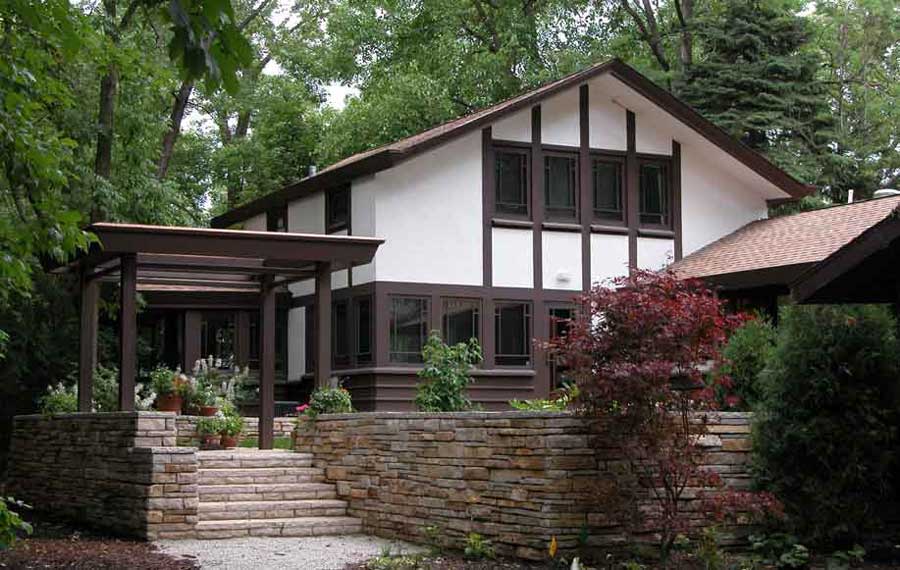
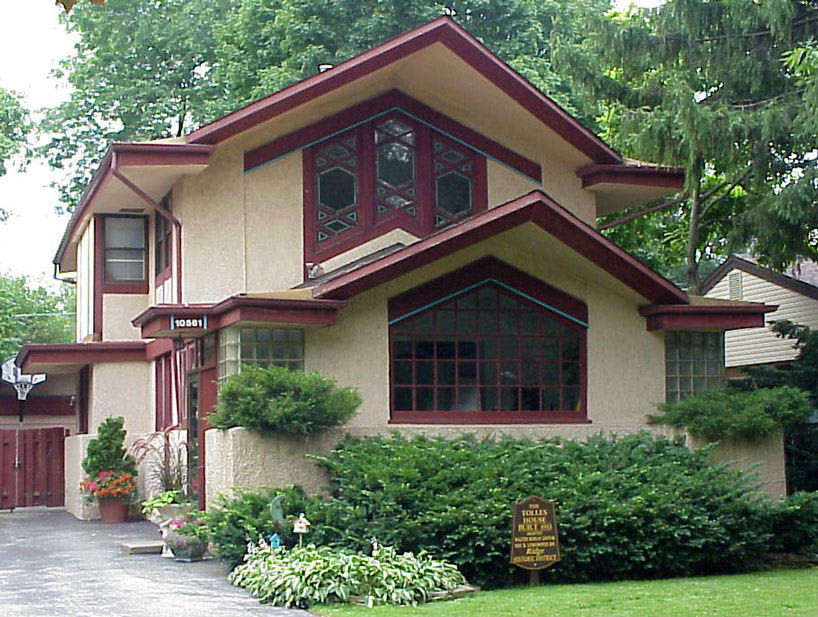
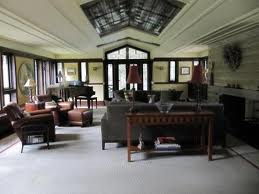
I have included several pictures within my post to give you a feel for what Mayfield House would look like and a link to other homes built by Walter Burley Griffin. I hope you enjoy mentally walking through Prudence’s home. Please remember to wipe your shoes at the door. (Prudence’s words, not mine.)

Diamond in the Rough

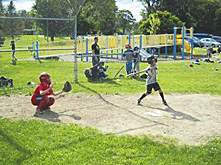
Diamond in the RoughHe stared at them through thick lenses distorting the size of his eyes. West Texas heat shimmered up from the ground, obscuring the face of every kid standing on the far side of the baseball diamond spray painted on the dirt. The white lines zigzagged in places where the finger depressing the nozzle of the paint can had grown tired.

As he sized up the other players, he noticed there were several girls among them. One of them had her ball cap pulled so low she had to tip her head back to see out from underneath the brim. She blew a large pink bubble. Particles from a plume of dust kicked up by a sudden breeze stuck to the gum. She sucked it back into her mouth to resume chewing, crunching dirt and all.

The boy looked too big for a twelve year-old. He knew how he appeared in the short, striped tee shirt revealing his soft brown belly and the glasses meant for a senior citizen. He figured it’s what kept them from motioning him to come over. But he didn’t have anything to prove to anyone. Most of them had seen what he could do with a ball and bat in gym class.

Besides, none of them owned cleats let alone a real uniform with sponsorship from some local pizza shop emblazoned on the back of a bright orange or green shirt. There were no freshly pressed baseball pants among this crowd of imitators smacking their dented aluminum bats against the bottom of their Goodwill Nikes. Their gear consisted of worn out relics discarded from the Y. In this respect, they were all equal with the exception of one detail.

He owned his own bat. It was the best part of him, an extension of his true self. With care he swabbed an alcohol-soaked cotton ball across the wood to remove excess dirt before massaging it with linseed oil. The treatment was stringent but soothing, not unlike his own personality. Every night he stored the bat handle side up in the cool, dry closet of his concrete block home.

With confidence as solid as the maple bat he held in both hands, the boy walked over to where the bottom of a blue plastic milk crate marked home plate. He informed them in a voice as deep as a grown man’s that he would captain one team and didn’t care who led the other. Braced for their rejection, his shoulders relaxed when they nodded their reluctant agreement.

Every kid stood taller, straighter, to ensure they were not chosen last. With nods and waves as subtle as those at an auction house, players were selected until they stood in a ragged group behind their respective captain. Each silently swore allegiance to their leader simply because no one wanted to be on the losing side. They would expend every ounce of energy to secure a victory regardless of who led them.

Someone’s lucky Mercury head dime flashed in the air, tails was called, and the boy said his team would take the field. A few skeptical glances were cast in his direction, but he reassured them that if they were down in the ninth inning they would want to be last at bat. Not that he planned on being behind.

With a touch of swagger, he left his precious bat in the care of the only girl in a dress as she sat on the swaybacked, wooden bleachers. Then he selected a glove and ball from the pile. He took the mound with authority, made eye contact with his first, second, and third basemen, nodded to the catcher, and caught the first batter off guard with his best four-seam fastball.

When several members of the other team cheered as their own captain struck out, the boy knew he had made friends and enemies. He also knew he would be invited back if only for the sake of a rematch. That pleased him; bruised egos made for good opponents. He wished he had the money for a round of Slush Puppies. It would probably help to ease the sting of defeat. Since it wasn’t an option, he focused instead on earning their respect rather than buying it.
Saved by the… Beef?

The year is 1927. John Welles’ best friend, Claude Willoughby, has had a falling out with his father. John isn’t aware of the details yet, but he suspects J.D. Willoughby isn’t as charming as he would like everyone to believe.

Part of Claude’s punishment is to remain in Baltimore while the rest of his family returns to Kentucky for Christmas. He’s heartbroken. Only the support of his two best friends, John Welles and Sam Feldman, manage to lift his spirits.

Part of their suggestion for Claude’s untraditional holiday is to spend some time with both of them at their respective homes. Sam goes one step further and proposes an after-the-fact Hanukkah celebration including traditional Jewish dishes such as brisket.

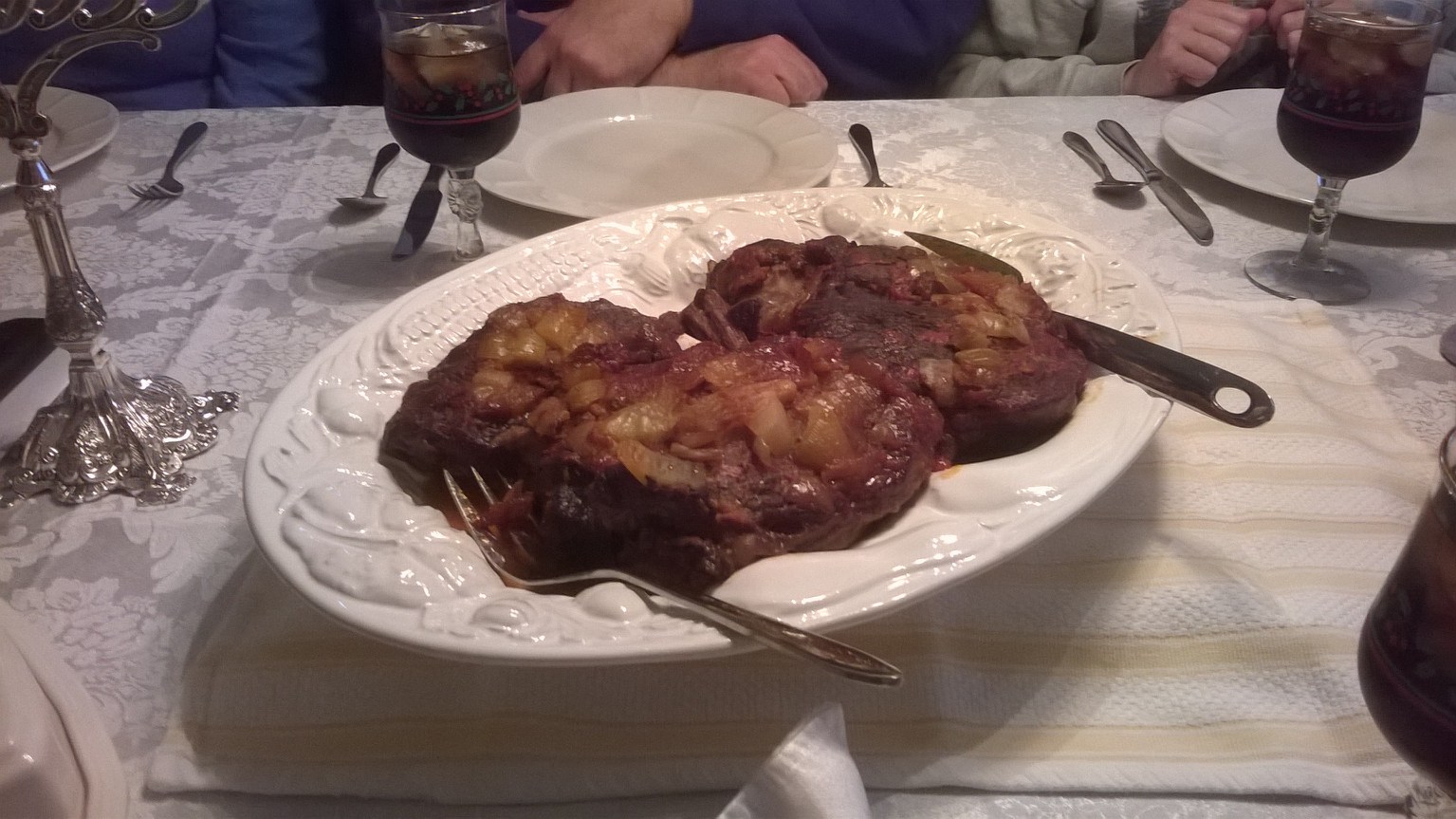
I had the following recipe in mind when I wrote the above-mentioned scene in my novel, The Secrets of Dr. John Welles. My family looks forward to eating brisket every Hanukkah. This recipe is perfect for celebrating any time of the year. I hope you’ll enjoy it, too.

Jewish Brisket

4 pounds beef brisket

Olive Oil

1 cup water

1 cup ketchup

½ white vinegar

2 onions, sliced

1 clove garlic, minced

¾ cup brown sugar

1 tablespoon salt

Drizzle olive oil in a large skillet or Dutch oven.  Add the brisket and heat over medium-high heat. Cook the brisket until browned on all sides. Mix water, ketchup, vinegar, onions, garlic, brown sugar, and salt. Pour mixture over the brisket and bring to a boil. Cover and reduce the heat to medium-low. Continue simmering until tender, turning brisket occasionally, 2 hours and 30 minutes to 3 hours and 30 minutes. Check often after initial 2 hours and 30 minutes to keep from burning or drying out.

Remove the brisket and allow it to cool slightly before slicing the meat against the grain. Place slices of brisket in a 9 x 13 inch baking pan or large platter, pour sauce on top, and serve. Cover any remaining brisket and refrigerate. Spoon off any excess fat and reheat before serving.

Eager hands waiting to attack the brisket after prayer.

Eager hands waiting to attack the brisket after prayer.

Character Study Questions

Character Study Questions

I promise there is no pop quiz with the questions featured in today’s post.  I’m simply sharing with you that with which I have chosen to stock my Writing Toolbox.  The Writer’s Digest post featuring Brenda Janowitz’s article, “Novel Writing: 10 Questions You Need to Ask Your Characters,” provides great information.

Depending on your writing style, Outliner or Pantser, you’ll find Ms. Janowitz’s character study helpful.  Whether employing it at the beginning of your writing process or using it to relieve writer’s block, the simple questions presented create a foundational benefit.

Happy Writing!

The Terror of Querying

The Terror of Querying

I don’t know about you, but the idea of querying an agent terrifies me. I have two opinions of this process based on various articles I’ve read.

One: As long as Starbuck’s doesn’t mess up the coffee order for the assistant to your chosen agent, your manuscript might have a chance of landing in said agent’s hands.

Translation: As long as everyone is having a good day, your manuscript might be smiled upon.

Two: Agents are fearsome gatekeepers to the world of fulfilled dreams, and I’m standing outside the gate.

That one is pretty clear.

Today I’m stocking my Writing Toolbox with a blog post from Writers in the Storm guest blogger, Julie Glover. Her post, “Are You Ready to Query,” posed questions to me that I hadn’t seriously considered before. What I had been doing is letting the answers jumble around my brain without pinning them down because I felt foolish about them. Now I think I may have been on to something.

Admittedly, I need to perfect my answer to question number one. Yes, I know what my story is about, but do I communicate that well?

To questions number two and three, I have a combined answer. I used to play a game where I fantasized about what critics would say regarding my brilliant novel. It went something like this:

If Wally Lamb and Billie Letts had a child and Isabelle Allende was her nanny, that author would be HL Gibson.

Grandiose, isn’t it? And yet, I believe this game answers the questions about writing voice and comparative titles. I consider the above-mentioned authors to be some of the best storytellers on Earth, and this is the role I want to achieve with my writing. So now I have published authors and titles to which I can compare myself and my novel.

As for voice, it’s all about the storytelling for me. My style is easy and familiar. It reads like the voice of an older relative relating family tales and history, the stories you grew up listening to at every family get together, and the ones you now find yourself telling the next generation.

As for question four, I have feedback from several beta readers, and I have completed two rounds of edits. There are beta readers waiting in the wings to assist me after I complete round three edits. A daunting process for sure, but after reading Ms. Glover’s post, I’m encouraged that I’m on the right track.

Celebrating with Buttermilk Biscuits

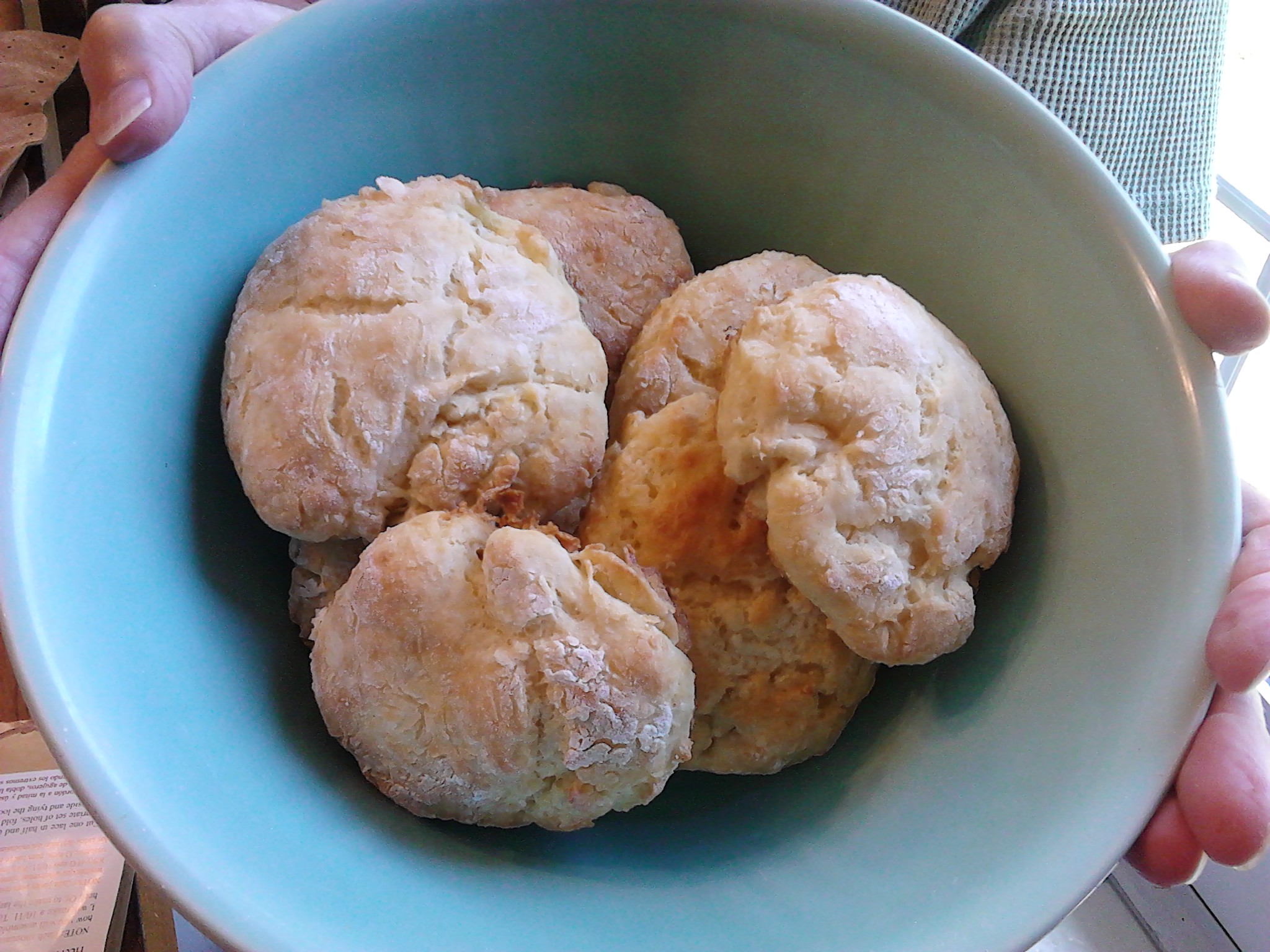
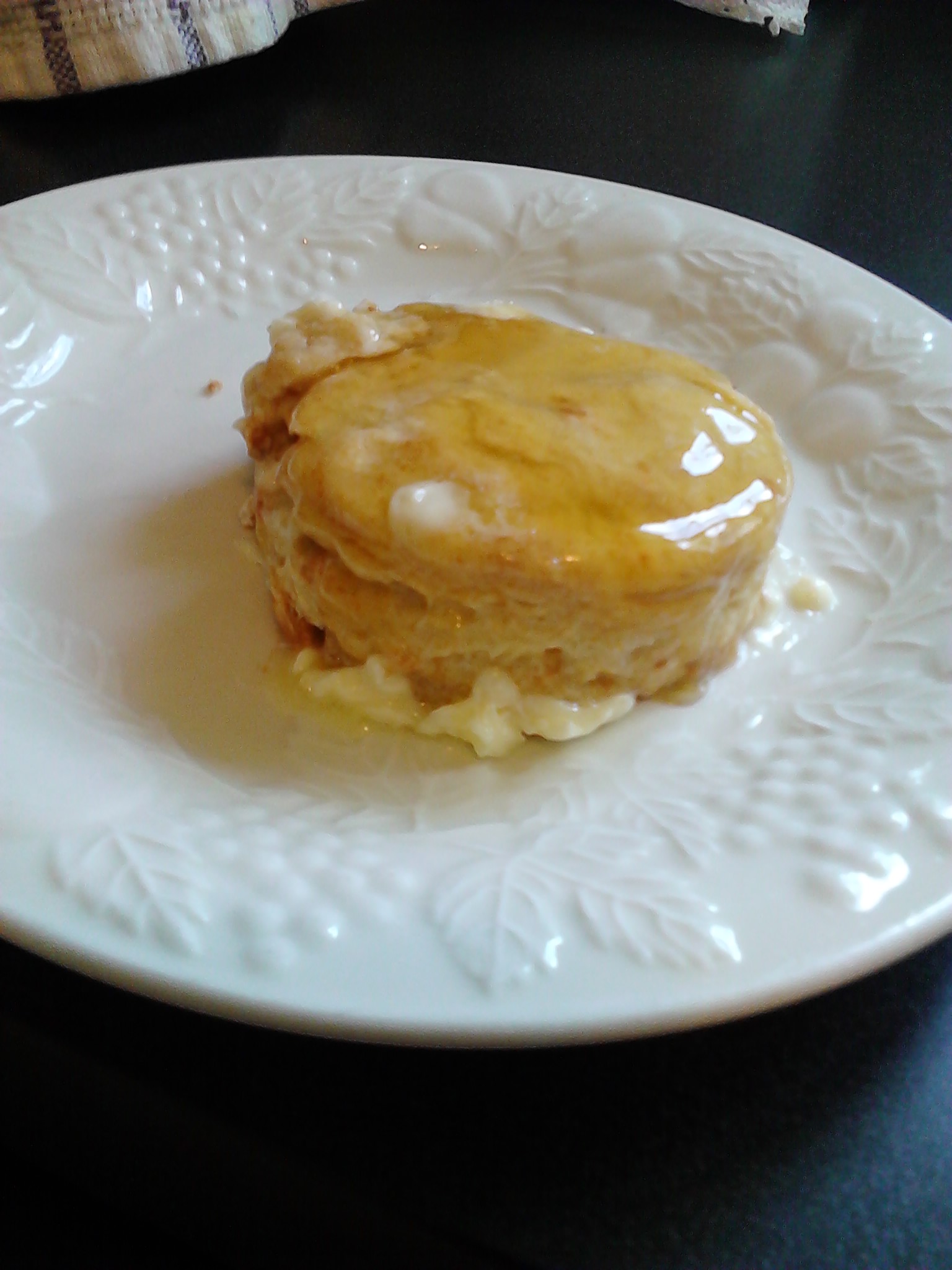
IMG_20140814_143324December 1907. The Welles Family has been blessed with another child. Part of the celebratory breakfast the family enjoys includes buttermilk biscuits. Collie Mercer, the midwife who helped deliver the baby, takes it upon herself to feed the family so Lyla, wife and mother, can rest. Also, a hot meal is part of Collie’s payment, and she plans to make the most of it. Her excellent cooking skills mean everyone eats well and eats hearty.

Like cornbread, everyone probably has their own version of biscuits that they enjoy the most. The following recipe is the one I had in mind when I wrote the scene above for my novel The Secrets of Dr. John Welles.

Enjoy!

Buttermilk Biscuits

Sift together:

2 c flour

1 T baking powder

1 t salt

½ t baking soda

Cut in:

5 T cold butter (I used unsalted)

Mixture should look like coarse crumbs

Add:

1 C buttermilk

Toss with a fork and form a dough ball. If mixture looks dry and/or won’t form a ball, add more buttermilk one tablespoon at a time.  Turn dough out onto a lightly floured surface. Knead a few times until smooth. Pat and form a circle of dough ¾” thick. Cut with a 3” biscuit cutter.

Bake on an ungreased baking sheet at 425 degrees for 12 – 15 minutes or until golden on top.  Serve with butter, honey, molasses, apple butter, jam, jelly.

IMG_20140806_131814

Cryzzk’s Journey

I do not write fantasy.  I repeat: I DO NOT WRITE FANTASY.  And yet, when I saw the picture below, a visual writing prompt from the writing circle to which I belong, a fantasy story popped into my head.  Go figure.

Fortunately, I didn’t have to ‘world-build’ because I used good ole Earth as is for my setting.  My main character was also somewhat created for me.  His story is all mine though.  Enjoy!

glacier-138994_1280

Cryzzk’s Journey

Yeti, Sasquatch, Abominable Snowman, Bigfoot, Offspring of Fallen Angels, Marked of Cain–all the stupid names Humans have attached to his kind. Their own unfounded fears put fangs in his mouth and claws on his hands. Their so-called encounters were nothing more than staged hoaxes. Occasionally the drunken fools would tangle with an ape or bear and blame it on him. Him, the last of his kind for at least five hundred years.

Cryzzk cannot keep the angry thoughts from tormenting his mind as he walks through the frozen land to which he has exiled himself. No longer can he tolerate foolish Humans. They were never really a threat to anyone but themselves. In their ignorance and superiority, they denied what his people had to offer. Gifts of healing and knowledge on how to preserve the Earth could have been theirs.

He continues to trudge through the waist-deep snow, never looking back, always pressing forward. The drifts yield to his strength like dust before a breath of wind. He drags his fingertips, the only part of him devoid of fur. Ten even trails flank the ruts made by his powerful legs.

“Let them figure that one out,” he says to hear the sound of his own voice in a land free from the pollution of noise.

He doesn’t break stride when he reaches the slushy river, plowing through to the other side. Ice and water are shaken from his fur as he keeps on walking. The elements are unable to penetrate the many layers. Cryzzk is warm despite the freezing temperature. Loneliness is the only thing he cannot keep at bay. It penetrates his very being the way the icy winds burn his lungs, an indication that he is getting older. It was his choice to remain alone after Moerge died. He still misses his mate, knowing she would scorn his solitary life.

“It is our responsibility, Cryzzk, to ensure the Earth goes on. Keep reaching out to Humans. One day they will accept us and our gifts.”

It was Moerge’s mantra until the day she died from mercury poisoning. Cryzzk blames Humans. It is why he must continue his journey alone.

Redbones Revisited

Redbone CoonhoundI have been in love with redbone coonhounds ever since I read Where the Red Fern Grows by Wilson Rawls in eighth grade. It’s probably why I chose a redbone for the protagonist of my short story, “Zane in the City,” even though I own a collie. I wrote the story for a contest hosted by the AKC.

My research on redbones led me to Wayne Campbell’s website, Timber Chopper Redbones. I couldn’t have found a better source of information on my chosen dog than Wayne’s site.

The history of Timber Chopper is fascinating as is the pedigree of their dogs. The dogs themselves are impressive to look at with their gleaming red coats and gentle eyes. Take time to watch the video of Kobie under the Dogs & Pedigrees tabs. Not every ear will appreciate the sound of a hound baying, but take a minute to understand the magnificence and strength behind their voice. I believe a hound’s bay is generated from within the fiber of their being. They live to bark.

One of my favorite tabs on Wayne’s site is the Terminology page. What a bonus find for my research on redbones. I was able to correctly depict my fictional redbone’s actions by incorporating the terms found here.

Wayne provided the most help when writing my story. He patiently answered my e-mailed questions, and we even spoke on the phone once. His praise for my story let me know I had nailed the character and qualities of redbones. His return e-mail said, “Heather, You did good!! So…very true! Thanks.” I still get thrilled when I read his message.

Thank you, Wayne, for helping to make Zane memorable.