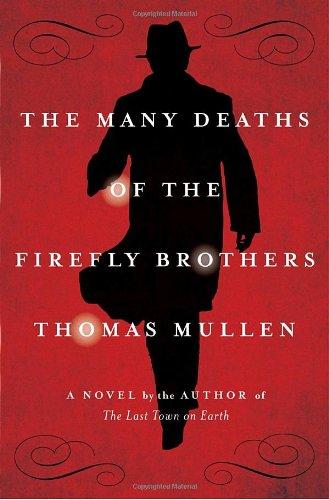
The Many Deaths of the Firefly Brothers

Have you ever read a book so good that you wanted to rush through it because you couldn’t wait to see how it ended only to stop the last three to five pages before the end because you suspected that it was about to finish on a heartbreaking, bittersweet note?  I have a feeling The Many Deaths of the Firefly Brothers is going to haunt me for some time, but that’s all right because while I’ve read many good books lately, it’s been a while since I had one that stayed with me as this book did.

I suppose the reason this book affected me is that I couldn’t help looking at it from the romantic’s perspective.  The story is quite surreal, not fantasy and not science fiction, but written in such a way that I could completely suspend belief about what took place to the point that the story totally engrossed me.  Not to mention that Thomas Mullen is a natural born storyteller.

Mr. Mullen seamlessly weaves history from the Great Depression and the 1920s and ‘30s into his novel.  He also intersperses the stories with mention of famous gangsters like Bonnie and Clyde, Baby Face Nelson, John Dillinger, Machine Gun Kelly, Pretty Boy Floyd, and the Barker Gang.  One can’t help getting caught up in daring bank robberies, wild police chases, the brokenness of the Hoovervilles, and the tenacity of the G-Men.

But then Mr. Mullen blurs the lines ever so slightly when these gangsters, along with his own fictional Firefly Brothers, earn legions of fans across the country for sticking it to the banks that foreclosed on property of poor, struggling farmers.  True, their craft was an art, but they were also murderers living high on the hog whose charity extended to them first and their families second.  Past that, most of what they did was pure myth.

So how does one separate fact from fiction, truth from lies, and good from evil when the intimidating fingers of governmental control was more than implied in this somewhat prophetic tale?  Factor in the development of what became the FBI under J. Edgar Hoover, and it was like I read headlines from today regarding the American government and the NSA.  Perhaps we really are doomed to repeat history when we forget it.

And if you think I’m exaggerating the prophetic nature of the story, consider the following passage:

Part of the Bureau’s job, the Director had always explained, was to dictate reality—to investigate reality, fully understand it, and then, under the aegis of Mr. Hoover’s vigilant public persona, explain that reality to a public cowed by the depression and frightened by stories of gangsters and increasing lawlessness.  It was the Bureau’s job to reassure people that these shockingly hard times were merely speed bumps along the shared path to prosperity, and not a sign that the nation was spiraling into anarchy and madness.

I believe today we call that fake news.  What struck me about this passage was that even if J. Edgar Hoover never said these exact words or acted this way, even in 2010 when the novel was published, Mr. Mullen had understanding of where America was headed.  No doubt based on where we had already been.

At first I thought the novel promoted a lack of hope and something to believe in, but with further reading, I realized it toggled between this and hoping against hope to believe in the impossible as a means of survival.  Such amazing insight into the human condition and an unexpected source of inspiration from a novel is rare.  Another pleasant surprise was the concept of forgiveness, for others and for self, subtly entwined into the tale.

Long before I finished reading, I realized I was experiencing what I could only call a Literary Stockholm Syndrome in which I wanted the bad guys to succeed in their struggle against failure (whether real or perceived), to reconnect with their true loves, and escape.  I mentally pleaded with them to find their women and just disappear.  Nothing they were doing would actually work in the end, it was no longer about seeking justice, and they would most likely end up dead.

I’ve mentioned before how I wished an author would have finished a novel on a clearer, more positive note or would consider writing a sequel to undo the heartbreak and let me know beyond a shadow of a doubt that a happy ending took place (Is It Ever Too Late?).  I mulled these thoughts over again at the end of The Many Deaths of the Firefly Brothers.  Until Thomas Mullen tells me otherwise, I’ll wish for the impossible and believe in a favorable outcome.

Quotation Station

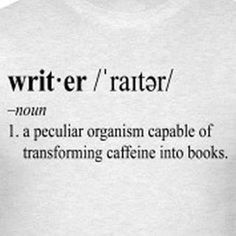
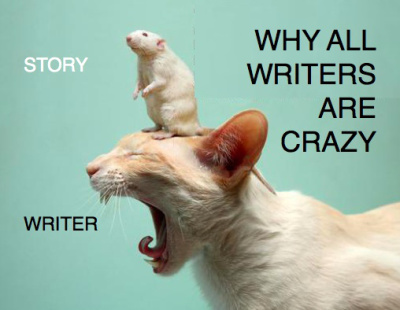
This one isn’t a quote, but it does explain a lot with the perfect visual.  Shabbat Shalom, dear friends.  May your weekend be peaceful and productive.

Quotation Station

I’ve been rather hard on ole F. Scott lately, so I thought I’d feature a quote from him to make amends.  Shabbat Shalom, dear followers.  May your weekend be peaceful and productive.

Baring My Writer’s Soul – Part 22

I am making a transition in my writing life.  The reason for this is the complete derailment I experienced in the earlier part of this year.  I know that isn’t much of an explanation, but this short version is free of negativity and the temptation to succumb to it.  I could go on and on telling you what went wrong and how I allowed it to happen, but I do not want to contaminate anyone’s thought process with my own difficulties.  We’re writers; we’ll manufacture plenty of woes on our own without someone spoon feeding suggestions to us.

The good news for me is that my writing passion is starting to return.  The stories are creeping back into my head like deer tentatively stepping from the security of the forest into the wide-open unknown of the meadow.  It was my own fault they were driven away in the first place, and I must and am taking responsibility for this.

For a short time I did nothing positive toward my writing life.  The only connection I maintained to writing was reading.  I hid out in books, believing what I did was helpful, but I was living in denial.  One piece of writing advice that actually saved me was to do something different altogether.  I was struggling anyhow, so why force something that wasn’t coming to me naturally?  Instead, I walked.

My husband and I began hiking familiar trails close to home.  I welcomed the exercise and fresh air like old friends.  We kept at it, and now we look forward to seeking new places to walk.  I took pictures with my cellphone during our hikes, playing at the most amateur form of photography.  The simple act of creativity spurred my mind.  I began to mentally describe what I saw and fashioned one or two-line stories.

My efforts probably don’t sound very constructive to the writing life except for the simple fact that they placed my focus squarely back on writing.  I felt like an adult who had successfully recaptured the magical thrill of Christmas morning.  All the superfluous baggage that people will try to tell you (or you’ll convince yourself of) is part of the writing life simply disappeared.

Again, I’m avoiding detailing exactly what those bad things were for me so that my followers won’t latch on to them.  I’m also cautious in supplying instruction on how to overcome them because too many times we grasp a particular piece of advice as a hard and fast solution to our problems.  When it doesn’t work, we become more despondent and depressed than we were at the beginning.  In short, you must proceed fearlessly on your own to discover and apply what works for you.  Fellow writers can cheer you from the sidelines, but they cannot prop you up nor do the work for you.

With a deep sigh of relief and contentment, I am single-mindedly focused on writing.  The scales have fallen away from my eyes, the chains from my hands, and I am free to write.

Write Happy!

Have a Holly, Jelly Christmas

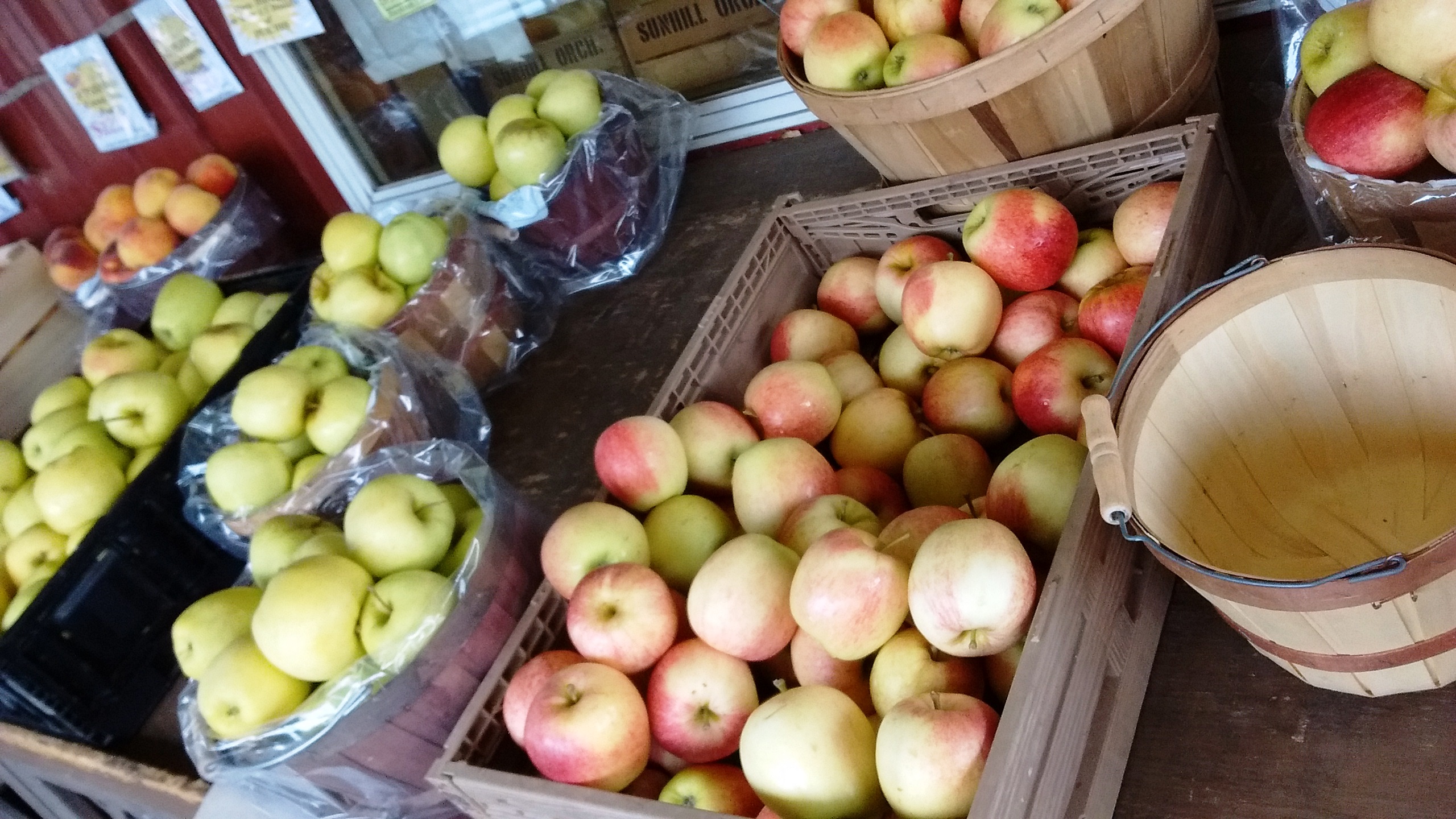
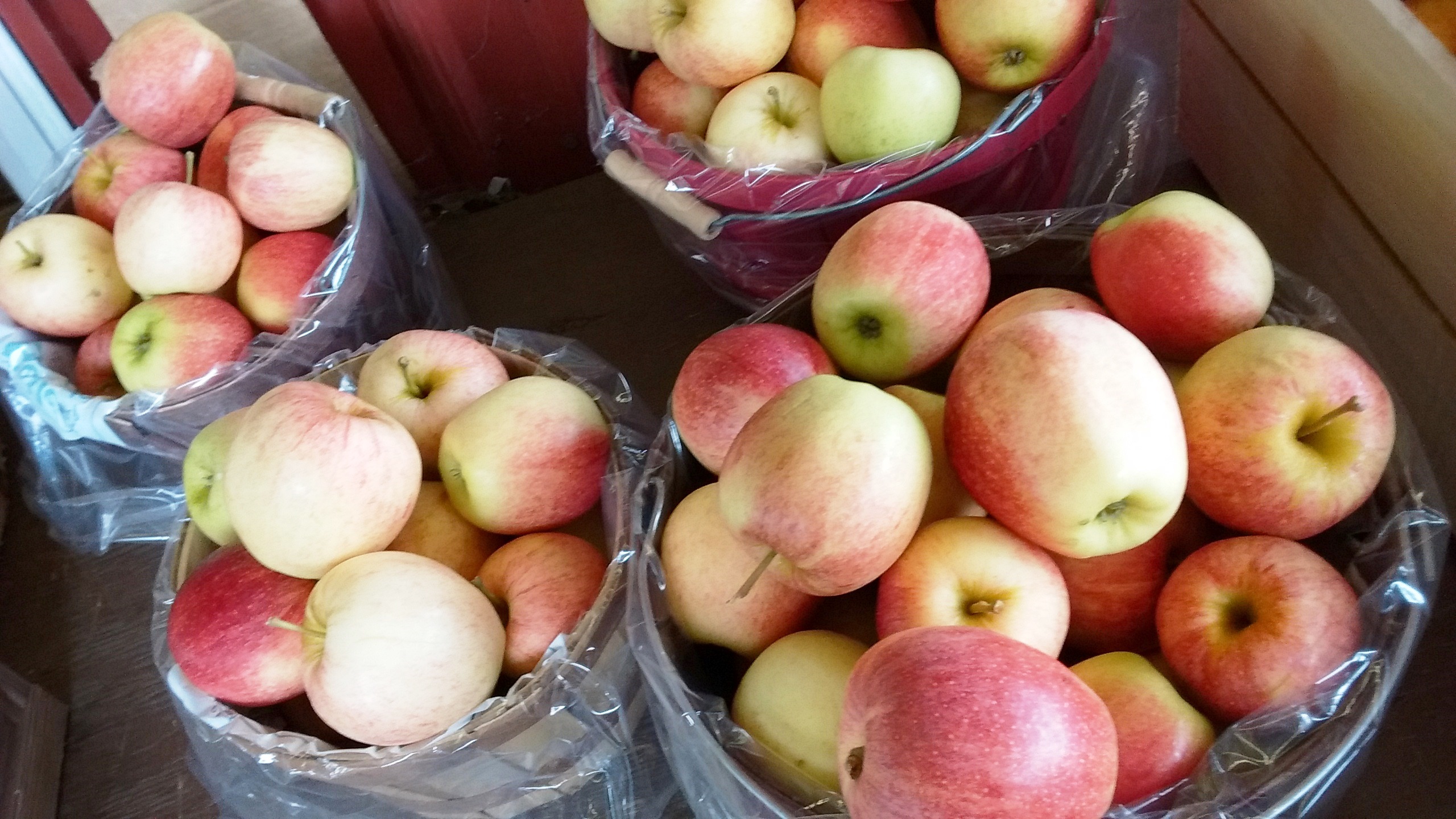
Christmas morning of 1917 was a time of excitement for Johnny Welles and his three older siblings.  In addition to celebrating the special day, a secret was brewing behind the scenes that would add to the festive holiday season and bring joy to the entire family.  In a passage leading up to the discovery of this secret, I wrote a portion for my novel, The Secrets of Dr. John Welles, that included the special treat of apple jelly on pound cake served for Christmas breakfast.  The following recipe is the one I had in mind when writing the above-mentioned scene.

Collie’s Apple Jelly

3 lbs. tart apples (¼ underripe and ¾ ripe)

3 c water

2 T lemon juice, strained

3 c white sugar

This recipe doesn’t require an outside source of pectin because it uses tart apples which are higher in pectin.  Also, the slightly underripe apples further ensure a natural source of pectin.

Sort and wash the apples.  Remove the stems and blossom ends.  Do not pare or core the apples.  Cut them into small pieces.  Add the water, cover, and bring to a boil on high heat.  Stir occasionally to prevent scorching.  Reduce the heat and simmer the mixture for 20 to 25 minutes, or until the apple pieces are soft.  Do not over boil or you’ll destroy the pectin, flavor, and color in the fruit.

Dampen a jelly bag and suspend over a clean bowl.  Ladle the cooked apples and liquid into the jelly bag and allow the juices to drip through on their own.  Pressing out the juice will result in cloudy jelly.  If a fruit press is used, pass the juice through a jelly bag to reduce cloudiness.

Pour the apple juice into a flat-bottomed pot.  Add the lemon juice and sugar.  Stir thoroughly.  Boil the mixture over high heat to eight degrees above the boiling point of water (this temperature depends on where you live in regards to sea level) or until the jelly sheets from a spoon.  Remove the jelly from the heat and quickly skim off the foam.

Immediately pour the jelly into hot, sterile jars.  Be sure to leave ¼ inch headspace.  Wipe the rims with a clean, damp paper towel.  Fit a canning lid into a ring and place on the jars of jelly.  Take care to level and tighten them properly.  Process the jars in a water bath canner.  The time required will depend on the altitude at which you live:

0 – 1000 ft. for five minutes

1001 – 6000 ft. for 10 minutes

Above 6000 ft. for 15 minutes

Remove the processed jars using canning tongs.  Allow the jars to cool on several layers of towels.  During this time, you’ll hear the lids pop indicating successful canning.  You can remove the rings for reuse once the lids pop and the jars cool.  Any lid that does not pop has not sealed properly.  These jars should be cooled and refrigerated for immediate use.  This recipe yields about four to five half-pint jars of golden sweet deliciousness.

Now it’s time for the confession portion of this post.  Thinking like a modern woman, I had Collie making the apple jelly a few days before she served it for Christmas.  In my world, one would simply go to the store for apples or pull them from the refrigerator where they waited patiently to be eaten or made into something delicious.  Refrigerators for home use weren’t invented until 1913, and I seriously doubt the Welles family would have had one by 1917.  They could have had a cellar, but I never mentioned this in the description of the house, and to do so for the sake of one scene would feel contrived.

Apples will last for six to eight weeks with refrigeration, but left on a counter, they will ripen ten times faster because enzymes are much more active at room temperature, and they will only last for a week or two.  More likely, Collie would have made the jelly during the months when apples were in season.  So while I made a small culinary mistake in my novel, fortunately I discovered it prior to publication.  As I’ve always said, the research begins with the author.  It will be easy to edit this scene by having Collie say she held back one jar to use on Christmas morning.

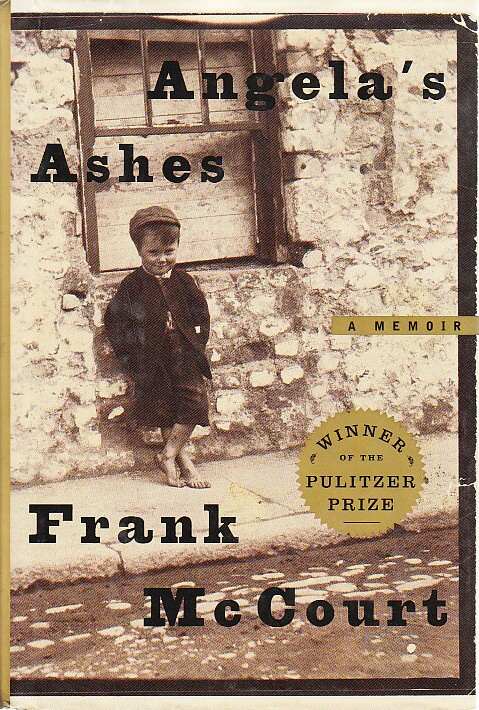
Angela’s Ashes by Frank McCourt

I recently read Angela’s Ashes by Frank McCourt.  If you follow me on Goodreads and you’ve read the book, you might think I’m rather rigid in my assessment of the memoir.  I’ve read other fiction and non-fiction accounts of the Great Depression in America as well as extremely poor people in Ireland, Appalachia, and other such places, and I must say that for a Pulitzer Prize winning memoir, Angela’s Ashes did not strike me as exceptional in any way.

I’m not sure why the book is titled as it is when the story is predominantly about McCourt’s experiences as a child.  His parents’ courtship and marriage prior to his arrival was necessary to set the stage for what the entire family would endure due to his father’s alcoholism and eventual abandonment, but again, the bulk of what one reads focuses on young Frank.

The prose is pleasant (riddled with Irish slang, sayings, and swear words galore), but nothing poetic or beautifully descriptive.  Sometimes dialog is properly placed between quotes and employs commas, periods, or question marks where necessary, and other times it’s buried in long paragraphs of run-on sentences.

One saving grace from all the depressing tales McCourt relays is the hilarity of the situations he’s writing about.  The thing is, the humor is derived from circumstances that are simultaneously horrific.  Yet the reader has to laugh because the truth is almost unbelievable.  Sadly, some of these dreadful circumstances include the way adults in the story treat McCourt, his siblings, and friends.

It’s unacceptable when adults express the depth of frustration, prejudice, and ignorance-born hatred toward each other that McCourt conveys, but children should never have to suffer at this level.  Educators, employers, priests, nuns, relatives, and hospital administration inflict verbal and physical damage on par with child abuse.  It’s a wonder any child living in these conditions turned out normal.

Near the end of the book, Angela McCourt finally takes the self-sacrificing initiative to do something for her children’s welfare.  Prior to that she tolerates her alcoholic husband’s actions to the extreme detriment of her family by keeping her abuser front and center in her life.  Perhaps it was the era in which the story takes place, perhaps it’s that divorce still carried the stigma of shame back then, perhaps it’s that Angela suffered from some type of battered-woman syndrome (hers being in the form of neglect beyond all reason), but because she refused to rid their lives of her worthless husband’s presence, they underwent shame to an equal degree anyhow.

There comes a point in the book when, in my opinion, McCourt rushes through years thirteen to nineteen because to tell it in any more detail would read as more of the same depressing ground already covered over and over and over.  Things turn around for young Frank ever so slightly; he hops a boat to America, end of story.

I’d like to say that Angela’s Ashes is one of those books that just shouldn’t be missed, but I can’t.  I’m not sorry I read it, but if asked whether or not it is a worthy read, I’ll probably shrug my shoulders, suggest the reader try it, and make up his or her own mind.

Just a Titch

No, this is not me!

I am on a roll with The Weight of Words this week.  Microsoft Word keeps telling me that titch isn’t really a word.  Every time I type it, the red squiggles instantly appear beneath it.  Since I used it in yesterday’s blog post, I feel obliged to pay homage to tiny, little titch.

I first heard titch as a teenager while trying to explain to the stylist about to perm my hair into a mass of curls that would make any teen of the ‘80s green with envy exactly how little hair I wanted removed prior to perming.  She assured me that any hairdresser would understand I wanted nothing more than the dead ends cut off if I simply told him or her to cut just a titch.  Lo and behold, to this day, her advice holds true.

Titch is informal British for a small person.  The slang originated in the 1930s from Little Tich, the stage name of Harry Relph, an English music-hall comedian of small stature.  Apparently, Relph earned the nickname because he resembled Arthur Orton, the Tichborne claimant.

Somewhere along the way, it came to mean a small amount, to tut-tut someone in disapproval, or a small child.

I’ll have a titch of coffee before I go.

Titch—you ate all the cake and didn’t save me any?

He’s just a titch of a thing who hasn’t grown much in the past year.

Fortunately, you will not need to expend several cans of Aqua Net to employ the word titch.

Using Vulgar Language

I’m not bragging when I say I read voraciously.  Ever since I discovered reading as a child, it has been one of my absolute favorite pastimes.  My personal library attests to this as does my activity on Goodreads.  Reading has added a few words to my vocabulary that I didn’t think were all that unusual, but apparently they are.  One such word is unbeknownst.  I don’t use it all the time and I’m certainly not trying to sound haughty when I do.  It appears a few commentators do not agree with me.

Today’s The Weight of Words is in honor of unbeknownst, a humble adjective usually used with ‘to’ that simply means happening or existing without the knowledge of a specified person or persons.

Unbeknownst to my mother, my brother and I are planning a surprise birthday party for her seventy-fifth birthday complete with a cruise to Hawaii as a present.

According to one site I checked, the first known use of unbeknownst was in 1626, so yes, it probably does sound a little archaic.  But that doesn’t render the word useless or worthy of exclusion from the English language.  I used it recently in a blog post which prompted this post in turn!

Unbeknownst derives from beknown, an obsolete synonym of knownUnbeknownst has widespread usage, including appearances in the works of Charles Dickens, A.E. Housman, and E.B. White, yet despite its candid history, unbeknownst has caused a ruckus among usage commentators.  It has been called everything from “obsolete” to “vulgar.”

I’ll continue to use the word, especially since it still crops up in new writing, and unbeknownst to those who have no idea what it means, I shall talk over their lazy, empty heads.  Okay, now that did sound a titch haughty.


Triple Play on Words

Today’s The Weight of Words arose from a conversation I had with a Facebook friend regarding which flavor of MoonPie appealed to my palate.  I paused over what I had typed, and since I’m a writer (and it would look bad to post a typo) and a perfectionist, I took a moment to double check myself.

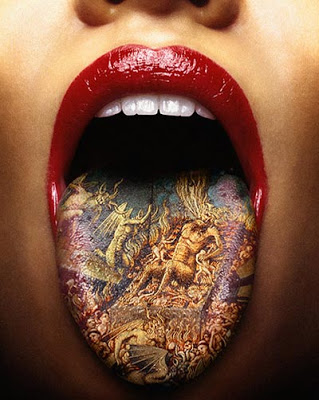
Turns out I used the correct spelling of palate which refers to the taste of something, one’s preference in taste, and the top of your mouth.

Her discerning palate detected the flavor of oak, apples, and honey in the chardonnay.

Banana MoonPies reign supreme on my palate!

Touch your tongue to the roof of your mouth to feel the hard and soft palate.

Palette can be the board upon which artists place dollops of paint or a range of colors.

She mixed cerulean and cobalt blue on her palette to create a most beautiful shade for clouds.

The sunset was a palette of subtle pinks and smoky purples dashed with mandarin orange rays.

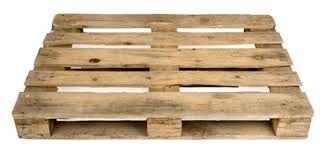
Pallet is a platform used for moving things.  It can also refer to a small bed or straw mattress.

The warehouse workers loaded the pallets with dry goods before shrink-wrapping them.

Mother made a small pallet of blankets on the porch during summer for us to sleep on.

Sidebar:  Did you know that MoonPie has a website where you can buy the delicious treats and other cool stuff!