Simple Fare, Shocking Secret

An invitation to dinner is a most coveted offer for a bachelor to receive. While many of them are experts at instant foods or eating out, single men rarely take the time to prepare a decent meal for themselves. It is no different for my protagonist, Dr. John Welles.

John grew up eating delicious food prepared by his stepmother, Collie, and later by his Aunt Prudence’s cook, Lucia. Unfortunately, their culinary skills never rubbed off on John. If not for the good food he eats at Bea Turner’s diner, John would probably lose a considerable amount of weight while living on his own in West Virginia.

During the snowbound winter of 1955, John accepts an invitation to dine with Rueben and Hannah Wise. The Wises own a small grocery store, and while they aren’t wealthy people, they provide a meal that is both simple and delightful. In addition to saving him from his own bachelor cooking, the Wises second, more important reason for inviting John to dinner completely catches him off his guard.

The following recipe for salmon patties is the one I had in mind as I wrote this scene. Salmon patties were cause for nose wrinkling when I was a 1422563010122child; I didn’t develop a taste for them until I became an adult. I do suggest making them when you can have the windows open or prepare them in a skillet that can be covered. Salmon patties are delicious, but they will leave a pungent, lingering aroma in your home for a couple of days!

Salmon Patties

1-14.75 oz. can of pink salmon, drained

½ cup crushed Ritz crackers

1 egg

1 T parsley

1 stalk of celery, minced

2 T onion, minced

Tabasco, several hearty shakes

Black pepper & Sea Salt to taste

Approx. 2 T Olive Oil

Approx. 2 T Butter

Mix all of the ingredients in a bowl until well blended. If mixture is dry, add 1 tablespoon of half and half at a time until mixture forms a ball. Gently press out salmon patties on a cutting board using your hands. Be sure to keep the edges neat so patties won’t crumble while cooking.

Melt the butter in a skillet with the olive oil. When the skillet sizzles, add the salmon patties and cook on a high heat to set each side. Take care not to burn. Flip once to cook the other side. Patties should be nicely browned and lightly crisped. Serve immediately.

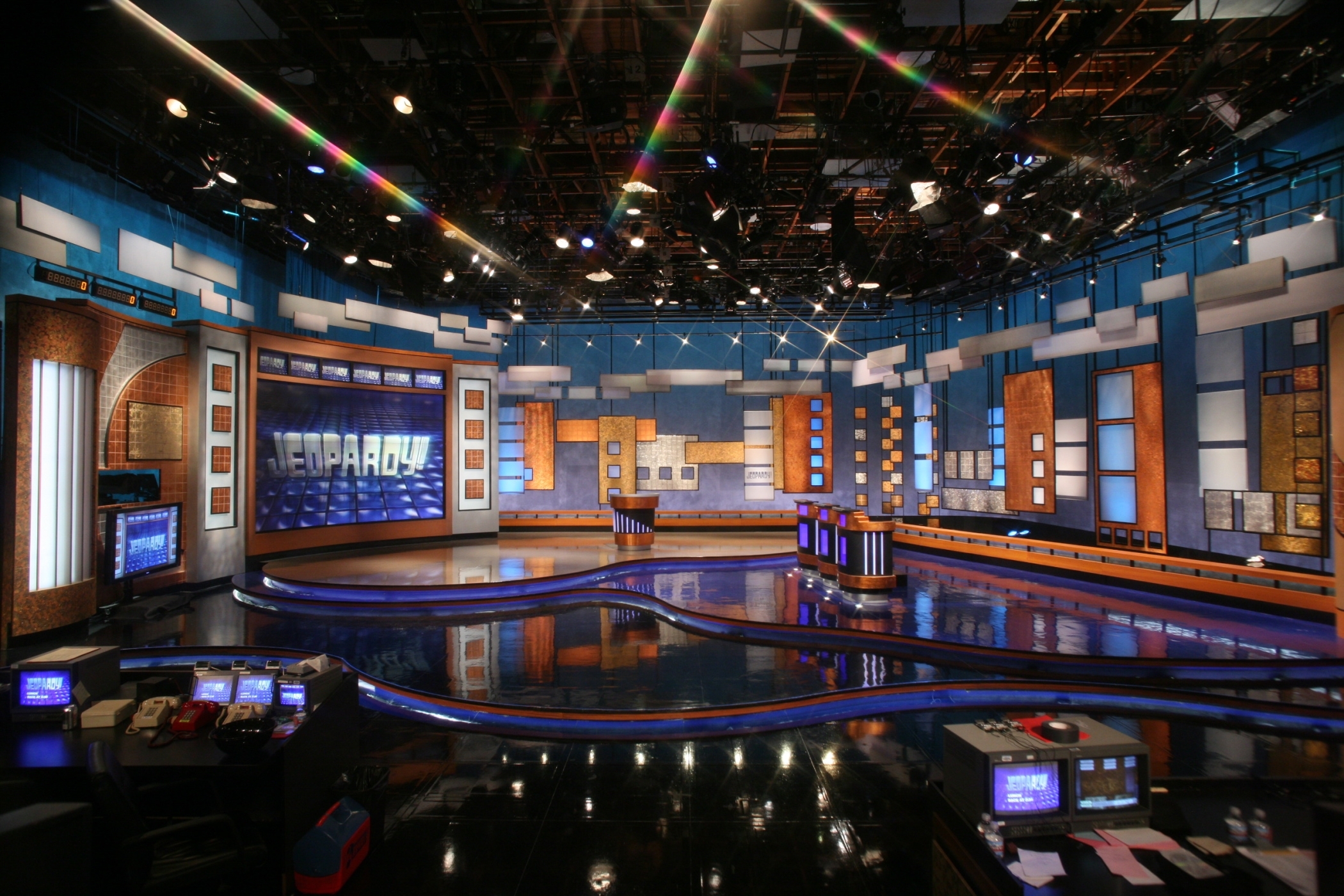
I’ll Take Theme for $1000, Alex

I'll Take ThemeThe continued editing of my novel has been an equally wonderful and painful experience. One of the points I wanted to make sure I had cinched up was my story’s theme. It was time to revisit one of my favorite posts by writing guru, K.M. Weiland. Then I realized that I should probably share this one in my Writing Toolbox.

What’s the Difference Between Your Story’s Theme and Its Message? posted on December 14, 2014, by K.M. Weiland, Helping Writers Become Authors.

Staring Down the Barrel of Chapter One

Staring Down the Barrel of Chapter OneI have heard that the first chapter of a novel is the most rewritten chapter of all. I have also heard this is because everything that we want our novel to be and everything that it should be comes spooling out of those first words, sentences, and paragraphs. If the groundwork for the rest of the book isn’t compellingly laid out for our potential readers, and if our readers aren’t hooked by our initial efforts, our novel is doomed. No pressure there.

For the past week, I have been staring at the pages of the first chapter in my novel, The Secrets of Dr. John Welles. Based on the paragraph above, you can probably guess what my current goal is. Still, I refuse to force my story into an outline or someone else’s expectations and/or opinions of what my novel, as a whole, should be. I will, however, accept advice that helps me tell my story the way I know it needs to be told.

Today, I’m stocking my Writing Toolbox with two pieces of writing advice relevant to my situation. The first comes from Jacob M. Appel’s March 29, 2011, post for Writer’s Digest, 10 Ways to Start Your Story Better. I’ll be employing a combination of Mr. Appel’s suggestions to refine the essence of my first chapter.

The second, more recent piece of writing advice is from K.M. Weiland, Most Common Writing Mistakes, Pt. 38: Irrelevant Book Endings. I’m exploring the end of my novel to ensure that the beginning of my book set up my desired ending. If not, a chapter one rewrite and restructure may be in order.

Somewhere, an outliner is screaming, “You could have avoided this if you’d only outlined to begin with.” That may be true, but I enjoy exploring the rabbit trails too much. It’s where I often receive my next piece of writing inspiration, and I’m certainly not interested in turning off the creative supply outlet.

Favorite Author & Multi-Book Review

untitled (6)Joanna Trollope is my favorite writer when it comes to working through the family situation. Her well-written characters are as diverse as the personalities one encounters in his or her own family and just as frustrating. I’ll no sooner have my favorite characters chosen only to have him/her say or do something completely stupid, and my allegiance changes to the character I used to hate. In this way, Mrs. Trollope reels you in and casts you back throughout the story.

The way in which she presents real-life, everyday situations isn’t boring in the least. Her ‘fly on the wall’ perspective into the lives of her characters offers the same guilty pleasure as witnessing private conversations and/or arguments.

Further, her conclusions aren’t always neat and tidy happy endings. Much like real life and family, there is a definite end to the situation, but rarely does it go well for everyone. You’ll struggle, suffer, rejoice, and celebrate right along with Mrs. Trollope’s characters, often identifying with them or recognizing them in your own family members.

I haven’t read everything written by this author, and I haven’t experienced her writing under her pen name Caroline Harvey. What I have read has been enjoyable, the most recent being Daughters in Law. Her novel, Other People’s Children, received my strongest reaction. As expected, the book is replete with interesting characters in different walks of life. There is, however, one character in particular who I fantasized killing in the most heinous ways imaginable long after I had finished reading the book. That may sound horrible, but I believe it’s testimony to Joanna Trollope’s excellent writing skills.

Here is a list of Joanna Trollope’s novel in order of publication.

To NaNoWriMo, or not to NaNoWriMo, that is the question

I first heard about NaNoWriMo two years ago from my friend who heads our Writer’s Group. The idea of writing 50,000 words (an entire novel) in thirty days was both exciting and terrifying. As luck would have it, I had been kicking around an idea for a great novel. NaNoWriMo seemed like a good way to get the story out of my head and onto paper.

Before NaNoWriMo, I wrote short stories and children’s stories of picture book length. I had never heard of outlining a novel which might have been helpful for my first NaNoWriMo experience. Undaunted, I began writing near the end of the book leading up to the scene that was the catalyst for the whole novel. That’s when I realized I needed to go back to my character’s beginning. My first experience with NaNoWriMo was a jumbled mess.

I reached my goal of 50,000 words but didn’t have a complete novel. There was more to the story than I originally thought. The rest of the year was spent creating those portions while editing and chucking large sections of what I wrote for NaNoWriMo. I began to wonder if my November efforts had all been for naught when NaNoWriMo rolled around again. What to do?

I cheated again. I used the 50,000-word goal to keep writing new stuff my novel needed and editing what I had written last year. Perhaps the Deities of NaNoWriMo would smack my fingers with a ruler for this, but I justify what I did with the explanation that at least I wrote.

This year marks the third NaNoWriMo since I first participated. I didn’t join. I also didn’t use it as a motivational tool for rewrites and editing. I let myself off the hook with the understanding that my schedule and novel were in different places than what NaNoWriMo required. In short, I didn’t have the time and there wasn’t anything new to write or edit to meet the word count. I also didn’t want to start another novel when I already had one under way.  I’m not sorry for having tried NaNoWriMo, and I’ll probably do it again. In the meantime, I shall continue working on my second round of editing and looking for beta readers.

If you’re trying to decide whether or not NaNoWriMo is for you, consider the following article by Christopher Shultz. He’s much more eloquent in his explanation of what one needs to consider before jumping feet first into NaNoWriMo without knowing what it’s all about. I agree with his opinion that one should make NaNoWriMo work for him/her and that it isn’t a ‘must’ or ‘mustn’t’ situation in the life of a writer.

Are You a Pantser?

There is much debate on which way to write a novel: Outline/Plot vs. Pantsing. Those who fall on one side or the other can provide plenty of evidence to support their chosen method of writing that shows why their way is best. So far, I’ve never seen the conversation turn into an argument. The discussion usually ends with one side giving the other a sideways, narrow-eyed, head-tipping look of pity for not seeing the error of their ways. It’s actually quite funny.

I find this debate always surfaces shortly before NaNoWriMo starts. Janalyn Voigt of Live Write Breathe offers advice for those who might consider giving pantsing a try. In my opinion, the points mentioned are only the beginning of pantsing. Since it’s not a formal writing style, I can’t imagine too many rules actually exist. Admittedly, I’ll be looking for them. Guidelines, however, probably abound.

I believe I fall closer to the pantsing end of the writing spectrum but well short of insisting it is the only way to write. I’m not against outlining, but like most things in my life, I never limit myself to one of anything. I have outlined scenes for my novels to use during the editing process and when research needed to be conducted. Otherwise, I write by the seat of my pants.

So, whether you outline/plot or pants it, I hope you enjoy Mrs. Voigt’s suggestions from her blog post Pantsing: Writing by the Seat of Your Pants.

  1. Quiet your inner editor. Without stopping to edit, you’ll complete your manuscript more quickly. Speed is important because you’ll be carrying a lot of details in your head. The longer it takes you to write the story, the harder it will be to remember them all.
  1. Write in marathons. Rather than writing at a steady pace, clearing as much uninterrupted time as possible facilitates your writing the first draft quickly. This prevents the disruption to your focus that even a small interruption can bring.
  1. Don’t let the story go cold. Sometimes you can’t avoid being called away to work on other projects, but afterwards it can be very difficult to pick up the story thread.
  1. Try to have at least some research done in advance. You probably won’t know everything you’ll need to research at this point, but the need to stop and research can throw off a writing sprint. Guarding against that happening as much as possible is a good idea.
  1. Don’t stop for research that won’t determine the plot direction. Only stop to research vital information. Bold print passages you need to check and do the research on the second pass.
  1. When you get stuck, skip to the next scene, if possible. Mark the uncompleted scene or passage to fix in your second pass.
  1. Jot things to fix on a notepad or on the first page of the manuscript. Write a quick reminder of what needs fixing while you’re immersed in the creative process and you’ll thank yourself during the editing process.


Why Aren’t You Following My Blog?

In the spirit of the attached article, I would like to ask my Facebook friends and Twitter Community: “Why aren’t you following my blog!”

Authors are required to promote themselves long before they ever publish a book. Long before final revisions, query letters, and agent searches, authors must “sell” their “product” to a potential audience. I can tell you that most authors/writers do NOT have a degree or background in marketing. This makes the task much more daunting. With the advent of social media, authors can build a “platform” to accomplish the above-mentioned tasks. This is where you come in.

I’m offering each of you the opportunity to join me from the ground up. My promise to you is free, quality writing delivered straight to your inbox. Most of you are already perusing various social media sites. With my blog, you won’t have to search for high-quality content in various places. My blog features short stories, non-fiction blogging about the quirks of family life, and interesting articles used while researching my novel, The Secrets of Dr. John Welles. I also promise to not bombard your inbox with chain e-mails, offensive jokes, pictures of my kid and pets, or boring accounts of what I ate for breakfast.

In closing, thank you for your support during my journey from pre-published author to New York Times Best-Selling Author. ~ HL Gibson

“If You Don’t Ask, You Don’t Get”

Collie Mercer’s Cornbread

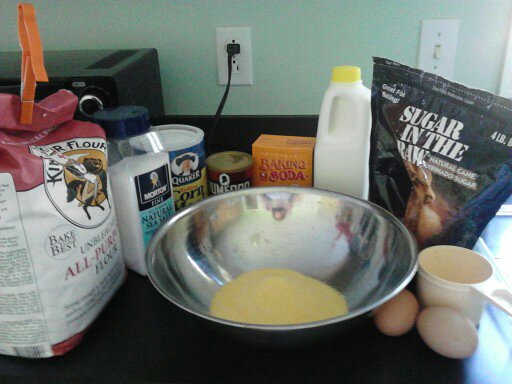
Buttermilk Cornbread Ingredients

Buttermilk Cornbread Ingredients

There are probably as many recipes for cornbread as there are people. Well, at least as many as there are people in the southern part of North America. I chose the following recipe because it was the one I had in mind when I wrote my novel, The Secrets of Dr. John Welles.

The year is 1907. For the three oldest Welles children, Stanley, James, and Eunice, December will hold an extra surprise this year. They will receive an early Christmas presents in the form of a new baby brother. Each has an opinion on whether or not another sibling is a good thing for their family.

After the three children get a peek at their baby brother, the midwife, Collie Mercer, sends them off to do their chores. Collie is a brusque, but kind woman, who makes sure the children have food in their stomachs before heading out into the cold. She directs them to cornbread and buttermilk on the kitchen table with the promise of a real breakfast once they return from the barn.

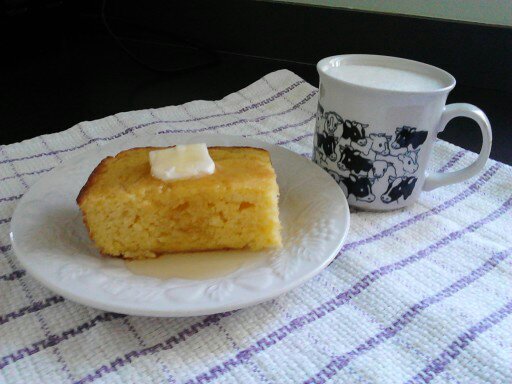
I love this recipe because it is rich and moist. Usually, I serve it with butter and honey, but the recipe is also good with the inclusion of herbs or spices, cheese, green onions or chiles; whatever you choose to add to make it your own. It is great crumbled up in chili, soaking up the broth from brown beans, or toasted and served with apple butter.

Enjoy!

Served With Butter & Honey

Served With Butter & Honey

Collie Mercer’s Cornbread

6 tablespoons unsalted butter, melted

1 cup cornmeal

3/4 cup all-purpose flour

2 tablespoons sugar (I use raw)

1 1/2 teaspoons baking powder

1/2 teaspoon baking soda

1 teaspoon salt

2 large eggs, lightly beaten

1 1/2 cups buttermilk

Cooking Spray

Preheat the oven to 425 degrees F. Lightly grease an 8-inch baking dish.

In a large bowl, mix together the cornmeal, flour, sugar, baking powder, baking soda, and salt.

In a separate bowl, mix together the eggs, buttermilk, and butter.

Pour the buttermilk mixture into the cornmeal mixture and fold together until there are no dry spots (the batter will still be lumpy). Pour the batter into the prepared baking dish.

Bake until the top is golden brown and tester inserted into the middle of the corn bread comes out clean, about 20 to 25 minutes. Remove the cornbread from the oven and let it cool for 10 minutes before serving.

Writing What You Hear – Dialect & Accents

There is a character in my novel, The Secrets of Dr. John Welles, who is Mexican.  For a minor character, Lucia is one of my favorites.  She’s smart, classy, and in charge of all that goes on around her.  In short, she’s the perfect foil for her boss, the intelligent, elegant divorcée, Prudence Mayfield.

Prudence is nobody’s fool, but Lucia keeps her in check when needed. She pulls no punches with her employer and sometimes their conversation is quite spirited. My initial attempts at writing a Mexican dialect were hilarious and amateur. I needed to find a way to convey Lucia’s nationality without her dialog sounding cheesy or offensive.

Assistance came from a video on Howcast by voice and speech coach Andrea Caban. My mistake was that I never consider the posture of the mouth or the musicality of the dialect when writing for Lucia. The breathy S sound at the end of words, the hard R sound, and the nasally tone were exactly what I wanted for my character. How could I put that on paper without writing ridiculous phonetic spellings that would drive the reader insane?  By describing Lucia’s accent.

Originally, the only phonetic spelling I was going to use was jew for every time she said you.  I have since decided against this so I don’t offend potential readers.  Still, when I read Lucia’s comments out loud, I always do so in her accent. I’m confident the suggestions employed helped me to better express her dialect on the written page.  Please share your experience writing a foreign character’s dialect.

Recommended sites for writing dialect/accents:

How To Do a Mexican Accent

The Dos and Don’ts of Dialect

Andrea Caban – Dialect Coach

Christmas Morning Hot Cocoa

Christmas Day has a special quality that is difficult to describe. For me, as a child, it began long before the day arrived. My excitement was wrapped up in anticipation of my family gathering in the morning and spending the entire day together. I admit the presents were a bonus, but what I’m talking about is the sacred, magical characteristics unique to Christmas.

Creamy Hot Cocoa

Creamy Hot Cocoa

I tried to capture the essence of what I mentioned above in my novel, The Secrets of Dr. John Welles. The year is 1917 and Johnny is still a boy living on the farm with his family in Harford County, Maryland. The morning is almost ruined by an unwelcome visitor before Johnny’s stepmother, Collie, comes to the rescue.

Collie surprises the family with slices of pound cake and hot cocoa in addition to their usual fare. The food in this scene came from a memory I have of my mother waking my brother and me with slices of pound cake and hot cocoa one summer morning. I thought the rich cake and hot beverage would translate well to winter dining.

Sometimes the terms hot chocolate and hot cocoa are used interchangeably and incorrectly. Hot chocolate is milk and cream based with vanilla and shavings of semisweet or bittersweet chocolate. In some recipes, the quantity of chocolate used can make the drink so thick one has to spoon it out of the cup. Hot cocoa, on the other hand, is made with water, a little cream, sugar, and cocoa powder. This version is thinner with a more concentrated chocolate flavor.

For my novel, I chose to include the recipe my mother makes. It’s somewhere between the above-mentioned methods. My best memories of hot cocoa are made with the following recipe. Enjoy!

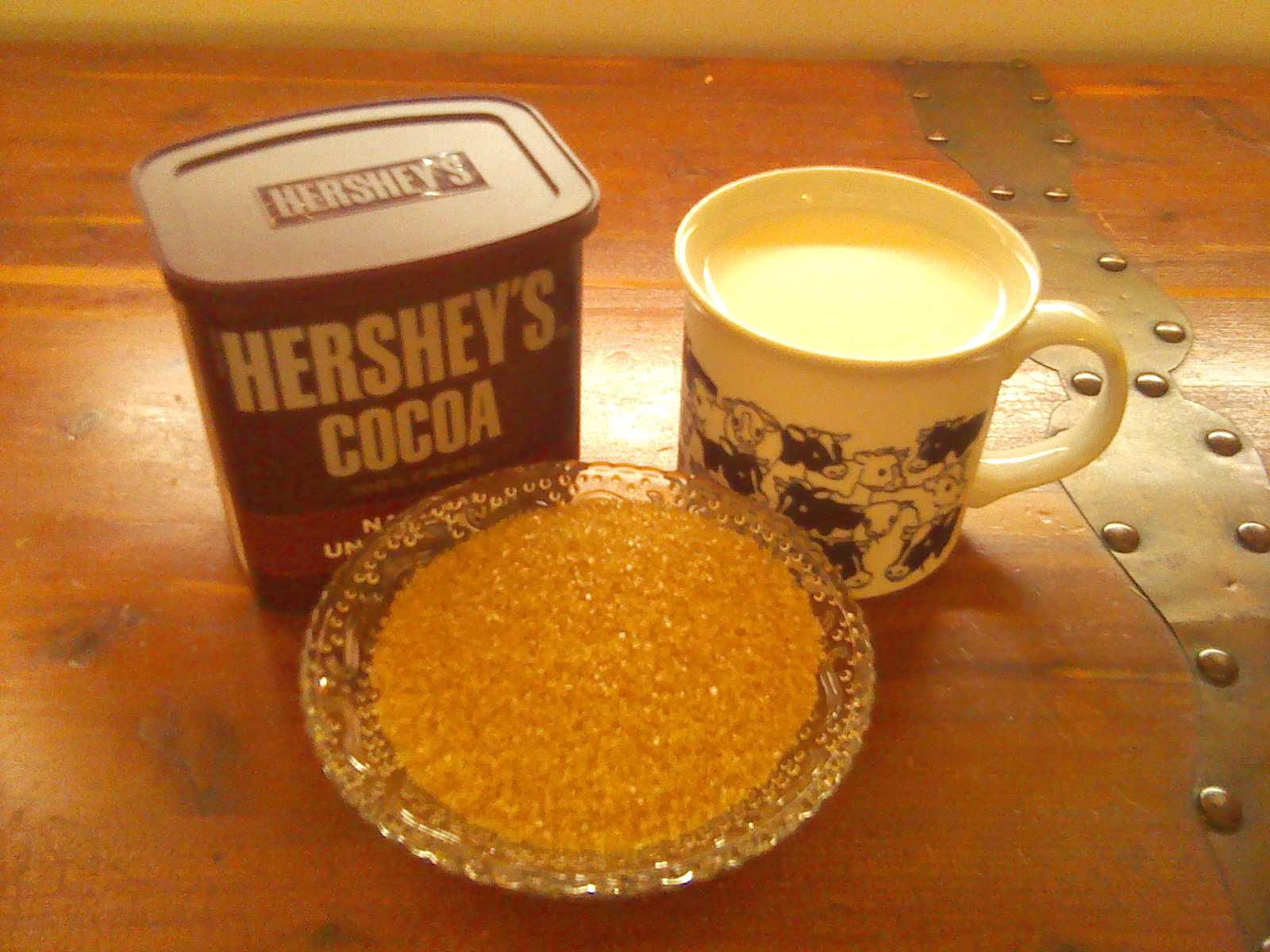
One 8 – 10 oz. mug per person

Whole Milk

Sugar (I use raw sugar)

Hershey’s Cocoa

Vanilla

Use one mug to measure out the quantity of milk needed, enough for each person, into a saucepan. Add 1 t. vanilla per person to the milk and warm on the stove. While the milk/vanilla is heating, measure 2 t. Hershey’s cocoa into each cup and 2 – 3 t sugar (depending on how sweet you like it.) When the milk/vanilla mixture is steaming, ladle it into each cup. Stir until sugar and cocoa are thoroughly mixed in. Garnish as desired.