The Hoopla About Chuppahs

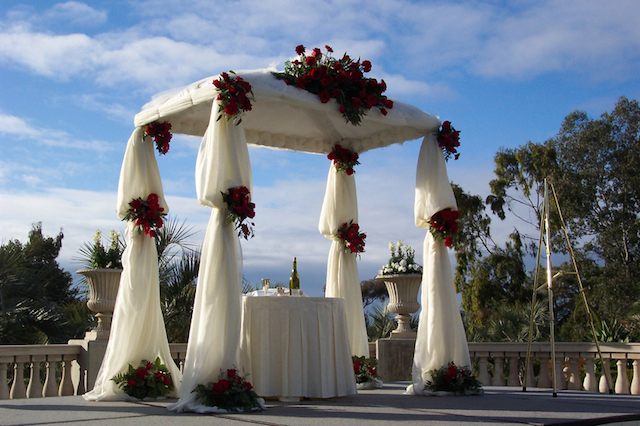
Beautiful white chuppa with red flowers for outdoor wedding ceremony.

When John Welles’s best friend, Sam Feldman, invited him to a party Sam’s mother was hosting, John was not at all enthused. Sam, who always had a girlfriend on his arm, wanted John to run interference for him as he dodged the girl his mother wanted him to meet. Little could either young man have predicted how captivating Abigail Cohen, called Babby, would prove to be. Not only was Babby beautiful, the young school teacher was intelligent, articulate, and poised. John began to rethink his opinion about dating Babby, but not in time. By the end of the party, Sam and Babby hit it off exactly as Sam’s mother knew they would. John did not begrudge Sam his good fortune. Rather, he and Claude Willoughby were the best men at Sam and Babby’s wedding.

Being Jewish meant Sam and Babby took their vows under a chuppah. A chuppah is a Jewish wedding canopy with four open sides. There are many traditions surrounding the chuppah, and they have changed throughout the years depending on an orthodox or modern interpretation.

The chuppah is usually a square of cloth supported by four poles. The fabric can be as elegant as silk or velvet, as simple as cotton or linen, or as important as an heirloom piece of lace or tallit belonging to a family member. The poles can be free-standing or held in place by friends of the couple. Either way, the poles should touch the ground. It is a great honor to be asked to hold the chuppah poles, and this role is often given to people very close to the couple.

Many couples like to decorate the chuppah poles and tops to match the theme of their wedding. Whatever material is chosen, be sure that it will withstand unpredictable weather conditions if the ceremony is outdoors. Ruining a family heirloom or the collapse of an unsteady chuppah will definitely spoil the wedding.
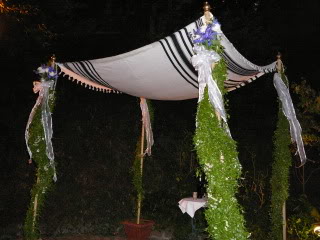
the-hoopla-about-chuppahs-2The purpose of the chuppah is to symbolize the new home the couple will create. At one time, the cloth chuppah was draped around the bride and groom but was later spread over their heads. Ancient rabbis compared the chuppah to Abraham’s tent during Biblical times. Abraham was famous for his hospitality, and since his tent was open on all four sides, travelers could enter from any direction.

The bride and groom are brought to the chuppah by both parents. The space inside the chuppah should be big enough for the couple, clergy, and a small table for ritual items such as wine and glasses. The bride will also need enough room to circle her groom without tripping or snagging her dress. Don’t forget to make the chuppah tall enough for the tallest person to stand under without hitting the fabric where it will drag in the center. Family and friends in the wedding party, including parents, often stand outside the chuppah. Afterward, the new couple can receive guests in their chuppah as a symbol of the love and openness of the home they will build together.

By the Light of the Silvery Moon

by-the-light-of-the-silvery-moonJohnny Welles believed the only thing he had in common with his father was a name. The elder John Welles, although present in body, was deficient in every way possible in his youngest son’s life. His father left the parenting of Johnny and his three siblings to their stepmother, Collie. While Collie’s influence in their young lives kept them on the straight and narrow path, their father’s absence had a negative impact, especially on Johnny. The effect would have far-reaching consequences and make Johnny question as an adult which was stronger in his life: nature or nurture.

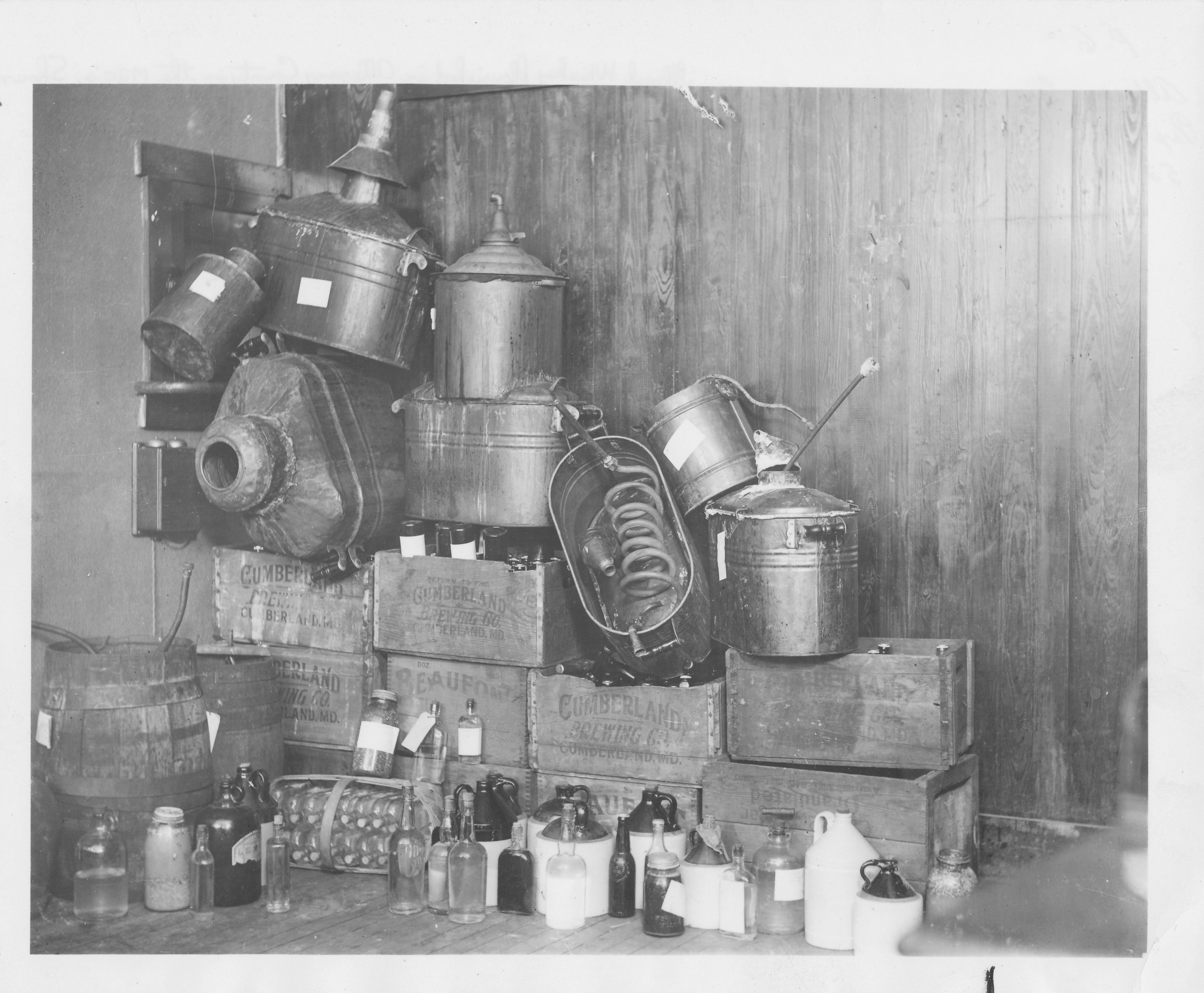
John Welles the elder’s downfall was the result of his predilection for alcohol. His poison of choice, moonshine, also known as white lightning, hooch, homebrew, mountain dew, white whiskey, and white liquor, is a high-proof, distilled spirit often produced illegally from unlicensed stills. The liquor, rarely aged in barrels and coming in at 190 proof, is typically made with corn mash.

One source stated that the term moonshine came from moonrakers, used for early English smugglers and the clandestine nature of the operations of the illegal Appalachian distillers who produced and distributed whiskey. Another stated that it was due to the fact that distillers always worked at night. I suspect it’s a little of both.

Despite its illegal status, or perhaps because of it, John Welles the elder managed to make just enough money to indulge in his favorite addiction to his own detriment and that of his family. So why was moonshine illegal then and still today? Per Michelle Tsai’s 2007 post, Why is Moonshine Against the Law?:

Because the liquor is worth more to the government than beer or wine. Uncle Sam takes an excise tax of $2.14 for each 750-milliliter bottle of 80-proof spirits, compared with 21 cents for a bottle of wine (of 14 percent alcohol or less) and $.05 cents for a can of beer. No one knows exactly how much money changes hands in the moonshine trade, but it’s certainly enough for the missing taxes to make a difference: In 2000, an ATF investigation busted one Virginia store that sold enough raw materials to moonshiners to make 1.4 million gallons of liquor, worth an estimated $19.6 million in lost government revenue. In 2005, almost $5 billion of federal excise taxes on alcohol came from legally produced spirits.

If it weren’t for the harmful effects the high proof and often poorly produced liquor has on people, I’d vote in favor of the moonshiners as our government has done such a pitiful job of handling our taxes and doesn’t deserve any more of our money.

A Streetcar Named Opportunity

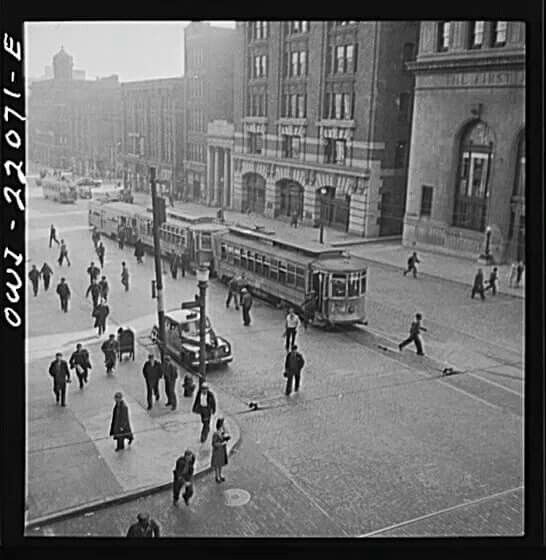
a-streetcar-named-opportunity-2John Welles began his pre-med studies at the University of Maryland in October 1925. As excitement and anxiety competed for supremacy in the young man’s mind, his Aunt Prudence came to the rescue with a country-style breakfast guaranteed to calm her nephew’s fears. Yet John could not dismiss the troubling events of the past summer that marred his first day of school. Further adding to John’s frustration was Prudence’s insistence that her chauffeur drive him to school, an offer he declined in favor of taking the streetcar.

A fortuitous meeting during the ride brightened John’s day considerably. Seated next to him was an elderly gentleman who discerned John’s apprehensions and encouraged the young man to speak openly about them by quickly earning his trust. Little did John know that the chance encounter would positively influence the rest of his life.

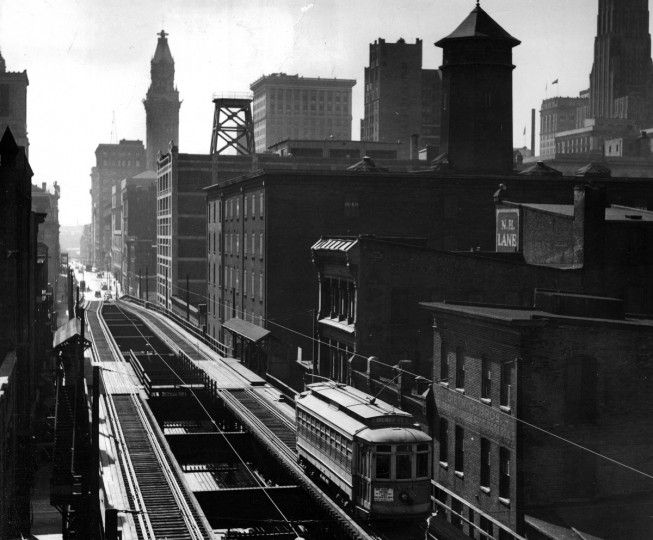
a-streetcar-named-opportunityI’ll direct you to the Baltimore Streetcar Museum website as the source of information I used when preparing the scene above. Also useful is the post, A Brief History of Baltimore’s Electric Streetcars, on the Monument City Blog. In addition to the pictures I found for streetcars from this era, both sites were helpful in creating the location for one of the most important meetings of John’s life.


Answers to the Question Y

answers-to-the-question-y2The summer of 1928 was a busy time for young John Welles. Although his schooling was going well, he fought to maintain top spot in the grade standings just ahead of the lovely, yet annoying, Garland Griffin for whom he was developing serious feelings. Also on the young man’s mind was the odd behavior of one of his best friends, Claude Willoughby.

Claude’s personality was always fiery and his temper unpredictable, but as of late, John knew there was something more going on with his friend than Claude would admit. The truth of the situation almost becomes clear to John during an afternoon spent at the YMCA with Claude and their friend, Sam Feldman. What John discovers aren’t the facts in their entirety, but what he assumed was bad enough. Only later does the full truth come out, and by then, John has absorbed Claude’s secret as his own.

My research on the YMCA led me to the Y’s own history page. I’ll direct you there for a comprehensive overview, but I do want to point out some tidbits about this benevolent organization that I found to be most interesting:

In 1844, industrialized London was a place of great turmoil and despair. For the young men who migrated to the city from rural areas to find jobs, London offered a bleak landscape of tenement housing and dangerous influences.

Twenty-two-year-old George Williams, a farmer-turned-department store worker, was troubled by what he saw. He joined 11 friends to organize the first Young Men’s Christian Association (YMCA), a refuge of Bible study and prayer for young men seeking escape from the hazards of life on the streets.

Although an association of young men meeting around a common purpose was nothing new, the Y offered something unique for its time. The organization’s drive to meet social need in the community was compelling, and its openness to members crossed the rigid lines separating English social classes.

Years later, retired Boston sea captain Thomas Valentine Sullivan, working as a marine missionary, noticed a similar need to create a safe “home away from home” for sailors and merchants. Inspired by the stories of the Y in England, he led the formation of the first U.S. YMCA at the Old South Church in Boston on December 29, 1851.

I pressed on with my research because I needed to know what the YMCA was like specifically in the 1920s. What I came across confirmed something I had heard about on a television show back in the 1970s but assumed was intended to be a funny portion of the storyline: swimming nude at the Y. I’ll direct you to Eric Markowitz’s 2014 article, “Until Fairly Recently, The YMCA Actually Required Swimmers To Be Nude,” because it has to be read to be believed. While nude swimming may have been the standard in the 1920s, I’ll allow potential readers to envision the above-mentioned scene based on what he or she is familiar with in regards to swimming at the Y.

Undercutting the Competition

June of 1925 was an exciting time in the life of John Welles. He had graduated from high school with honors and been accepted to the University of Maryland for his pre-med studies. With his Aunt Prudence’s help, John was one step closer to achieving his dream of becoming a doctor.

undercutting-the-competition-3For the occasion of his graduation party, Prudence guided her nephew on the decision of clothing and haircut. She had her reasons for showing off John to his peers, their parents, and most importantly, John’s own family. While the lanky teen bore the new look well, his appearance and success drove home Prudence’s self-serving point better than she could have predicted, and the results were disastrous.

undercutting-the-competition-2I always pictured John with undercut hair for this scene. The style, popular in Edwardian times, the 1920s, 1930s, and 1940s, resurfaced in the 2010s. Soccer star David Beckham sports the style as do actors Brad Pitt, Jake Gyllenhaal, and Michael Pitt when he portrayed Jimmy Darmody in Boardwalk Empire. Unfortunately, the style was also favored by the Nazis, but don’t allow that to deter you from considering it.

undercutting-the-competitionThe haircut is defined by long hair on top, parted on either side or down the center, with the back and sides buzzed quite short. Originally, undercut hair was considered a sign of poverty because one could not afford a barber capable of blending the back and sides with the top. The style, popular with working-class men and especially street gangs, was held in place with paraffin wax.

undercutting-the-competition-5Throughout the years, the style enjoyed slight variations. One such disaster was the result of combining undercut hair with a centrally-parted bowl cut, which was favored by fans of new wave, synthpop, and electronic music in the 1980s, and curtained hair, an atrocity worn in the 1990s. In England, some schools banned undercut hair because it was reminiscent of the cut worn by the Hitler Youth.

undercutting-the-competition-4Today, a myriad of products, including wax, pomade, gel, and mousse, exist to keep one’s undercut hair looking slick. There are also tutorials on YouTube for everything from how to cut the style yourself, what to tell a stylist when requesting the undercut, and how to achieve the look you desire for the long top portion. I do have to wonder, though, what the men and boys who originally wore the style, and wouldn’t use anything other than a comb and wax, would think of the inclusion of hair straighteners, hair dryers, and curling irons to the routine of maintaining an undercut.

A Stitch in Time

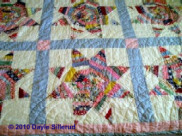
a-stitch-in-timeIn December of 1918, the only thing on Marian Welles’s mind was a baby. She and James had tried to conceive throughout their first year of marriage, but to no avail. So it was with tears in her eyes that she accepted the beautiful, handmade quilt from her mother-in-law, Collie Mercer Welles, given as an anniversary present. Collie made the quilt from clothing James and Marian wore as children. She had the best of intentions, and a strong faith, when she created the quilt for her son and daughter-in-law. Unfortunately, Marian didn’t share Collie’s convictions, and the quilt was a stab of pain in her longing heart.

I received an amazing handmade quilt from my Aunt Inta as a wedding present, and I also inherited one from my Grandmother Huffman. Although they are different in style, both are heirloom quality works of art. I have also had the pleasure of sleeping under quilts made from scraps of fabric. These quilts aren’t created for their beauty, and yet as a non-quilter myself, I am still so impressed by the time that went into each quilt right down to the tiniest, perfect stitch. As I looked at the mismatched squares, I wondered where each one came from and marveled at how they found new life as a warm blanket.

I’ll direct you to Quilting in America for the history of quilts. The heritage is rich, abundant, and a worthy read. From alternative uses to perception of the craft throughout the decades, there is much in this article that I found quite interesting and hope you do as well.

I’ll Drink to That

ill-drink-to-thatWhen you ask people about Prohibition in the United States, the response they most readily provide is that for some strange reason it became illegal to drink alcohol of any kind. This is usually accompanied by mystified looks and slow shakes of the head.

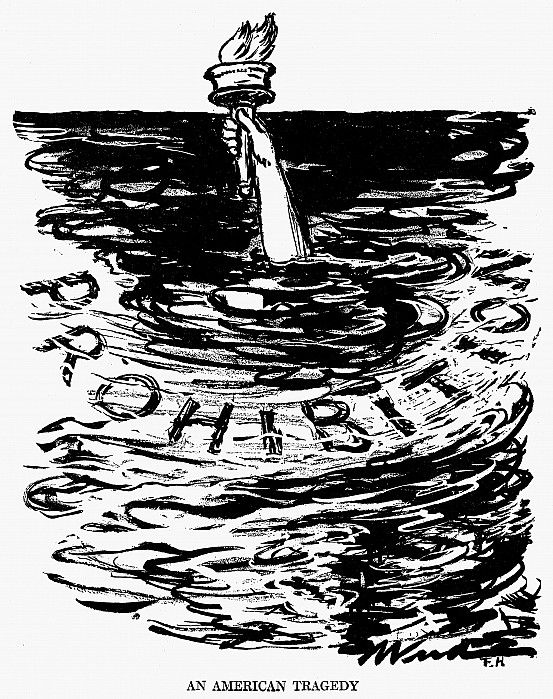
Unfortunately, what many don’t know is why this occurred and that it was actually part of our Constitution at one time. So, here’s a little history lesson born of my own need to understand Prohibition more thoroughly for the sake of my novel, The Secrets of Dr. John Welles.

By definition, Prohibition was the legal prevention of the manufacture, sale, and transportation of alcoholic beverages in the United States from 1920 to 1933 under the terms of the Eighteenth Amendment. Note that the consumption and private possession of alcohol was not illegal, so what a person already owned could be enjoyed in his or her own home. Just drink responsibly and sparingly as it was now tougher to resupply one’s stash.

The National Prohibition Act, known informally as the Volstead Act, set down methods for enforcing the Eighteenth Amendment, and defined which intoxicating liquors were prohibited, and which were excluded from Prohibition (e.g., for medical and religious purposes). The Amendment was the first to set a time delay before it would take effect following ratification, and the first to set a time limit for its ratification by the states. Its ratification was certified on January 16, 1919, with the amendment taking effect on January 16, 1920. For the following 13 years Prohibition was officially in effect, though the ability to enforce it was limited by the Volstead Act and by corrupt and complacent politicians who overlooked illicit manufacturing and smuggling.

The Anti-Saloon League’s Wayne Wheeler conceived and drafted the bill, which was named for Andrew Volstead, Chairman of the House Judiciary Committee, who managed the legislation. The Anti-Saloon League was the leading organization lobbying for Prohibition in the United States in the early 20th century.

So, why all this hatred toward alcohol? The Eighteenth Amendment was the result of decades of effort by the Temperance Movement in the United States and at the time was generally considered a progressive amendment. The Temperance Movement, which went back as far as the late eighteenth century, was born of the concern for alcoholism and how it played into spousal abuse, family neglect, and chronic unemployment. However, the desire for cheap, plentiful alcohol led to relaxed ordinances on alcohol sales, and the problem persisted.

A tract published in 1784 by Benjamin Rush detailing how excessive use of alcohol was harmful to one’s physical and psychological health. Many people got on board with the idea, initially proposing temperance rather than abstinence, but like most well-meaning organizations, political in-fighting stalled the group.

Throughout the decades, the Temperance Movement received support from various religious denominations and temperance groups, but it also took a back seat to issues such as slavery during the Civil War. It wasn’t until the third wave of temperance that any movement achieved success. With the formation of The Anti-Saloon League by Rev. Howard Hyde Russell in 1893, the Temperance Movement found footing not by demanding that politicians change their drinking habits, only their votes in the legislature. Under the leadership of Wayne Wheeler, the Anti-Saloon League stressed political results and perfected the art of pressure politics. The Anti-Saloon League’s motto was “the Church in action against the saloon,” and it mobilized its religious coalition to pass state and local legislation, establishing dry states and dry counties.

By the late nineteenth century, most Protestant denominations and the American wing of the Catholic Church supported the movement to legally restrict the sale and consumption of alcoholic beverages. These groups believed that alcohol consumption led to corruption, prostitution, spousal abuse, and other criminal activities. Brewers and distillers resisted the reform movement, which threatened to ruin their livelihood, and also feared women having the vote, because they expected women to vote for Prohibition. The Anti-Saloon League achieved its main goal of passage of the Eighteenth Amendment on December 18, 1917.

Just after the Eighteenth Amendment’s adoption, there was a significant reduction in alcohol consumption among the general public and particularly among low-income groups. Consumption soon climbed as underworld entrepreneurs began producing rotgut alcohol, and the speakeasy quickly replaced the saloon. Likewise, there was a general reduction in overall crime, mainly in the types of crimes associated with the effects of alcohol consumption, though there were significant increases in crimes involved in the production and distribution of illegal alcohol.

Those who continued to use alcohol tended to turn to organized criminal syndicates, who were able to take advantage of uneven enforcement, suddenly overwhelmed police forces, and corruptible public officials to establish powerful, murderous smuggling networks. Anti-prohibition groups arose and worked to have the Amendment repealed once it became apparent that Prohibition was an unprecedented catastrophe.

The Amendment was repealed in 1933 by ratification of the Twenty-first Amendment, the only instance in United States history that a constitutional amendment was repealed in its entirety.

One Little Letter Makes All the Difference

UNITED STATES - CIRCA 1950s:  Businessman with worried expression.  (Photo by George Marks/Retrofile/Getty Images)

Today’s The Weight of Words is one I’ve seen popping up with some frequency on Facebook. I’m sure it was a simple error in typing and not a misunderstanding or lack of knowledge that led to the misuse of then when what the person really meant was than. But just in case, let’s revisit exactly when, how, and where one would use then and than.

When considering which word to use, remember then, mainly an adverb, deals with the element of time. Think what comes next or after and apply then to the sequence of events. It can also be used in Ifthen constructions. Don’t forget using then as a noun meaning that time (fifth example) and as an adjective meaning at that time (sixth example).

EXAMPLES:

I’ll mow the grass and then I’ll play golf.

We watched television and then we went to bed.

She made dinner and then her family ate it.

If you don’t complete your chores, then you aren’t going to your friend’s house.

I wanted lunch at 11:30, but then was not a good time.

My then sister-in-law stays in touch with me since the divorce.


Than, a conjunction, is used when comparing things. Think instead or rather. A choice may be involved.

EXAMPLES:

I’d rather play golf than mow the grass.

We prefer watching television than going to bed.

She’d opt for dining out rather than making dinner for the family.


Also keep in mind than has no one-word synonyms whereas then has many synonyms that can be used as replacements except in Ifthen constructions where then is usually required when paired with if.

None For You!

none-for-youIn an effort to stave off the dumbing down of the English language, today’s The Weight of Words focuses on the versatile word none.

None can have a plural sense as in not any as well as a singular sense, not a single one. When followed by of, you need to assess the object of the preposition (the noun in the of phrase). If the object of the preposition is singular, then a singular verb is in order. If the object of the preposition is plural, one has some flexibility with verb choice. Mostly, but not always, you will use the plural verb.

For example:

None of the cake was eaten. (Cake is singular, so use a singular verb.)

None of the puppies were sleeping. (Puppies is plural, so use a plural verb. However, with English, that ever-fickle mistress, when none denotes not a single one, it is also correct to say, “None of the puppies was sleeping.”)

Confused yet?

When writing your sentence, remember there is an implied noun that answers the question, “None of what?” Again, if that noun is singular, none requires a singular verb. If that noun is plural, it is up to you as the writer and the sense you are trying to convey in your sentence that determines whether or not none requires a singular verb or a plural verb.

For example:

None was eaten. (None of the cake was eaten.)

None were sleeping. (None of the puppies were sleeping. But you as the writer may prefer was as in, “Not a single one of the puppies was sleeping.”)

Somewhere along the way, the myth that none is solely singular appeared. Not only is this incorrect based on what I presented above, but it’s up to you, dear writer, to decide if your context is singular or plural. Now you have the information required to defend your choice.

Night on the Town

night-on-the-town-2The Alexander cocktail features in my novel, The Secrets of Dr. John Welles, during the winter of 1927 when John and his two best friends, Claude and Sam, sneak away for a night on the town. Prohibition limits their choice of establishments where they might procure a decent drink, but the young men are looking for a little wild entertainment. Where they end up provides more than they bargained for in quite a few ways. I’ll leave you with that little teaser (I have to save something for the publication of my novel), and provide you with the recipes I found and my experience with the drink.

I don’t keep ingredients on hand for cocktails, so I ventured out with my best friend, Emily, to find a bartender who could make the drink for us. It took us three tries at different restaurants before we found one that had the ingredients to make an Alexander. The drink is old-fashioned, and only one bartender knew what we were talking about.

When you mention an Alexander, the drink that most often comes to mind is the brandy version with white crème de cacao.   Even if you don’t order a Brandy Alexander, this is probably what you will receive.

Brandy Alexander

¾ oz. brandy

¾ oz. white crème de cacao

¾ oz. heavy cream

Add all the ingredients to a cocktail shaker and fill with ice. Shake, and strain into a chilled cocktail glass. Garnish with freshly grated nutmeg.

But let’s tiptoe back a little farther in history to 1910 and Jacob Abraham Grohusko’s book, Jack’s Manual on The Vintage & Production, Care & Handling of Wines, Liquors, etc., which is supposedly the oldest reference to a drink called The Alexander. It sounds lovely and like it might have a bit of kick with the rye whisky.

Alexander Cocktail

75% rye whisky

25% Benedictine

1 piece of ice

Twist of orange peel. Stir and serve.

And let us not forget the 1916 mention in Hugo Ensslin’s book, Recipes for Mixed Drinks, which provides this version of The Alexander.

Alexander Cocktail

⅓ El Bart gin

⅓ white crème de cacao

⅓ sweet cream

Shake well in a mixing glass with cracked ice, strain, and serve.

So which drink would John, Claude, and Sam have imbibed during their night on the town? For recipes, I’m following the lead of Gary Regan in his 2011 article, Behind the Drink: The Brandy Alexander, but I’m putting the gin back in the drink as it was originally created.

The Alexander

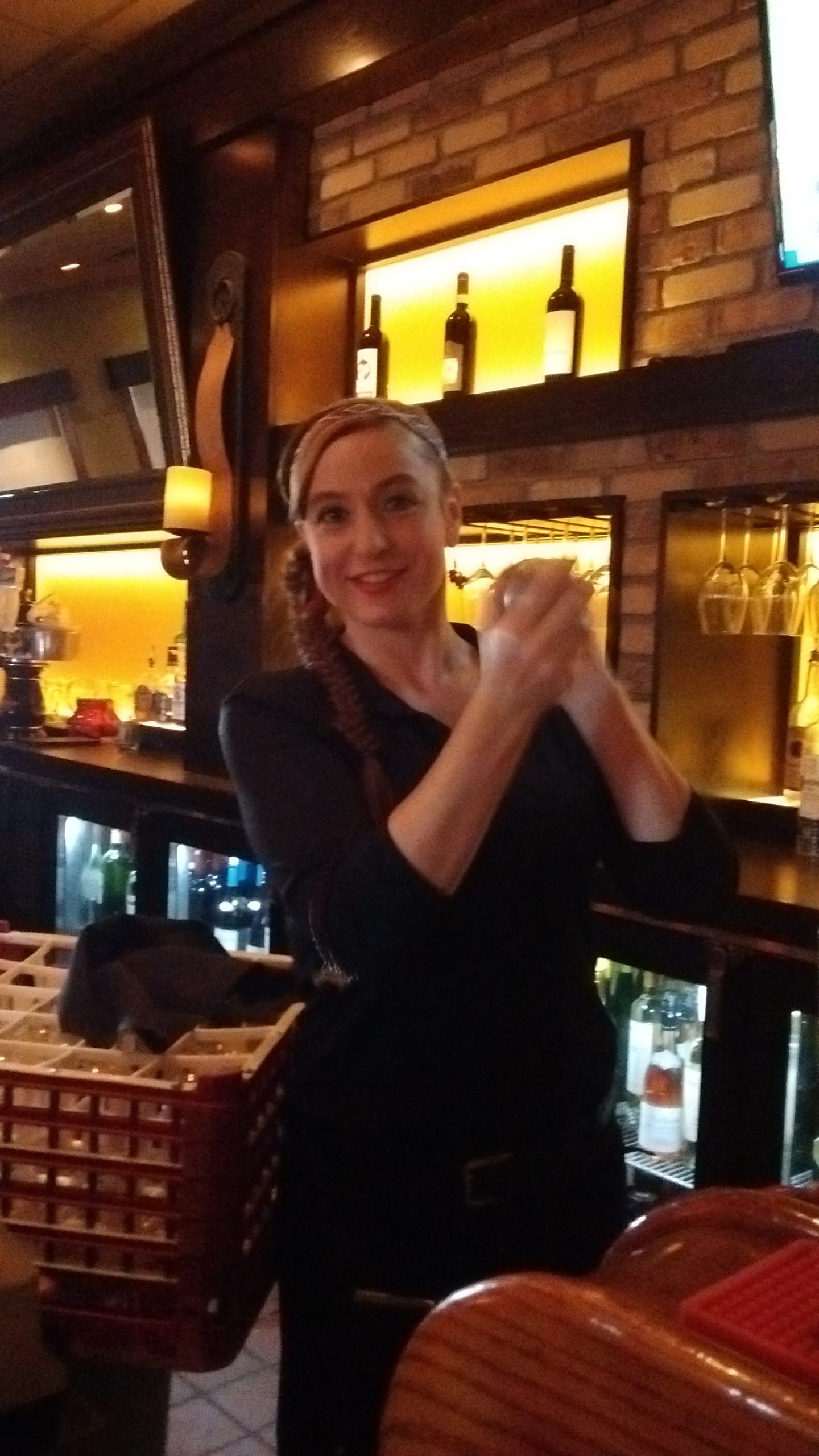
The lovely Gretchen

The lovely Gretchen

2 oz. gin

1 oz. dark crème de cacao

1 oz. heavy cream

Add all ingredients to a cocktail shaker and fill with ice. Shake, and strain into a chilled cocktail glass. Garnish with freshly grated nutmeg.

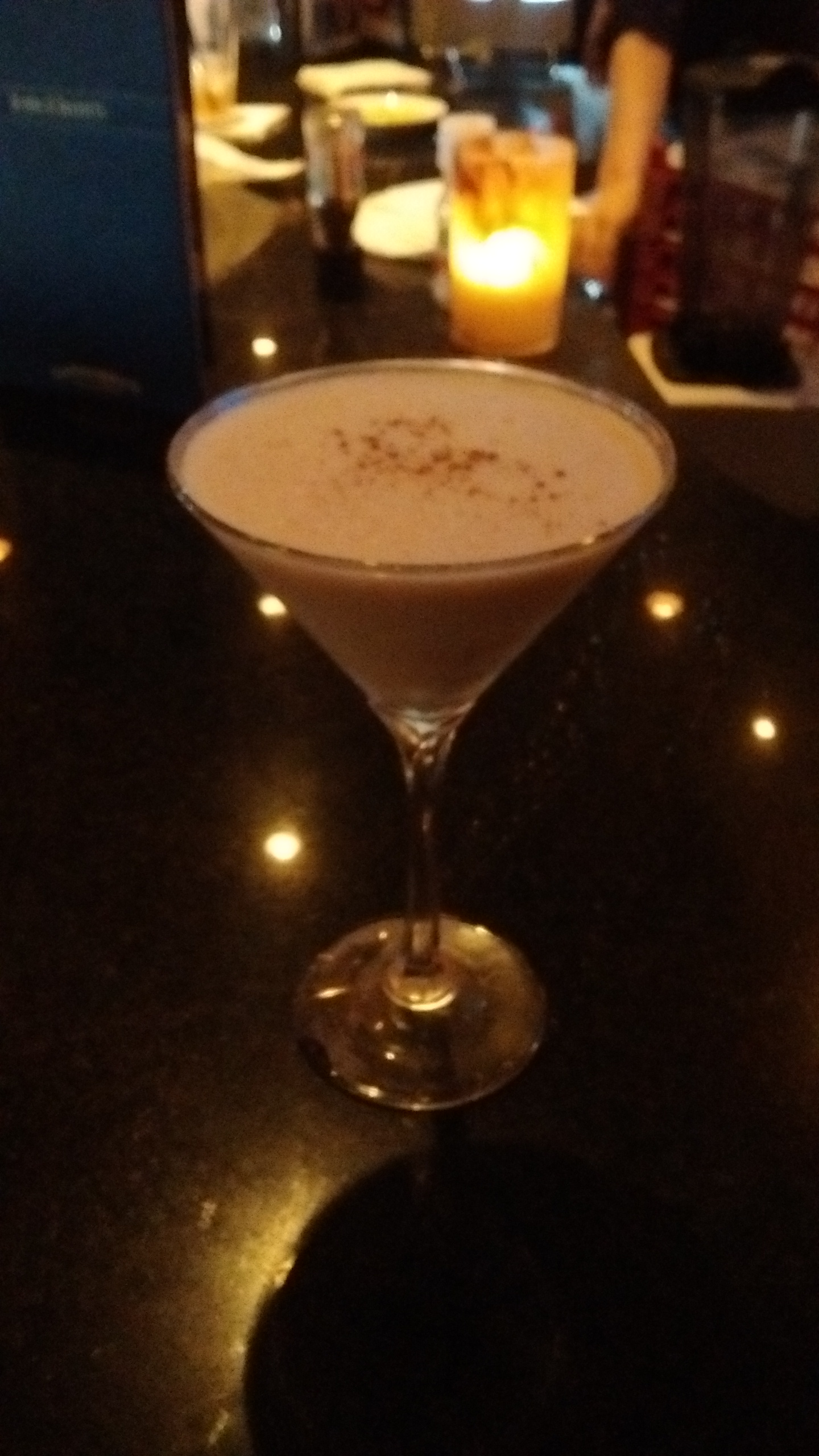
Emily and I requested Tanqueray gin, and the lovely bartender, Gretchen, was kind enough to procure heavy cream from the kitchen to make our drink. The restaurant where we dined makes a Brandy Alexander with gelato, but we were striving for authenticity. In our opinion, the drink was delicious. Not too cloying, the flavor of each ingredient blended well, but they also remained well defined. The gin made for a light, crisp drink despite the cream. For the sake of research, we tried the brandy version.

Brandy Alexander

2 oz. Cognac or other fine aged brandy

1 oz. dark crème de cacao

1 oz. heavy cream

Add all ingredients to a cocktail shaker and fill with ice. Shake, and strain into a chilled cocktail glass. Garnish with freshly grated nutmeg.

The Brandy Alexander was also a delicious cocktail but with a titch more warmth to it. The flavor was richer which we attributed to the brandy. Again, the three ingredients complimented each other without losing their identity and becoming something else entirely.

Traditionally, the drink was served in a cocktail glass, sometimes called a champagne glass, and if you aren’t familiar with it, it’s the saucer style glass on a stem. Today, if you find a restaurant or bar that can make a Brandy Alexander, or the gin version, you’ll receive the cocktail in a martini glass.

For an interesting tidbit, Barry Popik, historian, states the cocktail was invented at Rector’s in New York. According to Mr. Popik, Troy Alexander, the bartender, created the white drink to celebrate Phoebe Snow, the fictional character used in advertising for Delaware, Lackawanna & Western Railroad. The snowy beverage was used to emphasize the fact that the railroad powered its locomotives with anthracite, a clean-burning variety of coal, and was backed up by images of Phoebe Snow in a snow-white dress. The Brandy Alexander was originally known as Alexander #2.

Cheers!