Spread the Love

One of my earliest memories of butter includes sitting on the carpet in the kindergarten classroom, all of us in a large circle, passing a massive canning jar from person to person as we shook the sealed jar full of whipping cream as hard as our little arms could manage. We’d been told that this would produce butter. I remember my skepticism, but since I loved butter, I gladly took part and watched the magic unfold.

It’s funny how many of my food memories are attached to my Grandma Smith, but I believe her kitchen is where I developed my love of butter.Butter versus Margarine There was something different about the sunshine yellow block that sat in her cut glass butter dish. It was lighter, sweeter than the golden-colored sticks of ‘butter’ we used at home. As a young child, any yellow, creamy substance that one spread on toast or crackers was referred to as butter. My mother provided the explanation of the difference, and I learned the definition of margarine. It wouldn’t be until decades later that I learned what an evil substance margarine is, but I digress.

Grandma Smith would bring me packets of real butter from restaurants where she had dined. Nothing against my mother, but she used margarine for years until I finally convinced her to switch. Glory be–my taste buds rejoiced and food became so much tastier.

Where is all this leading you ask? To my novel, The Secrets of Dr. John Welles, of course. I’ve already established that as an author, I love to feed my fictional characters. Twice I reference butter specifically, once in conjunction with biscuits and again with cornbread, but what I want my readers to understand without mentioning it every time is that butter is my fictional characters’ ingredient of choice when it comes to cooking and baking.

As I wrote the scenes involving food and envisioned the preparation, butter was always in the picture, sitting in a crock or dish, just within reach of the experienced hands that would lovingly incorporate it into the recipe. I’ll spare you the debate on the health benefits of butter versus margarine and simply say don’t fear butter and all things in moderation.

To sum up this post, I made butter with my son because I wanted him to experience how easy and fun it is. The added step of washing the butter is new for me based on research for this post. The instructions for this activity follow. I highly recommend doing this with your kids because the memories you’ll make are priceless.

Enjoy!

Homemade Butter

2 c whipping cream (Raw cream from grass-fed cows is recommended, but store bought organic will work as well. This quantity will yield approximately ½ c of butter.)

sea salt

I used a stand mixer with a wire attachment for this process and chilled the bowl and wire attachment prior to using.

Pour the cream into your mixing bowl, filling the bowl halfway so it does not overflow as air is whipped into the cream. Mix on a medium-low speed to prevent splashing. As the cream thickens, you can turn it up to medium.

This process should take about 15 minutes but can vary depending on how much cream you are using and what type if mixer you have. Whipped cream will develop first. When the whipped cream begins to deflate, watch closely as your mixture can rapidly change to butter. To prevent splashing, cover the bowl with a lightly dampened tea towel.

When the butter begins to clump and stick to the whisk, it is done mixing. Pour the mixture through a fine strainer to separate the solids, butter, from the liquids, buttermilk. If you want it to last for more than a few days, you need to wash the butter. This will remove as much buttermilk as possible to keep the butter from going rancid. Put the butter back in your mixing bowl and cover with clean, cold water.

Use a large spoon to press the butter into the sides of the bowl. The water will become cloudy as the buttermilk is removed from the butter. Pour off the cloudy water and add more fresh. You can repeat this process until the water stays clear. Stir in a large pinch of amount of sea salt for every ½ c of butter.

Store in refrigerator or at room temperature if you will use it within a week or two.

Apple Seeds

Warmth from the sunbaked, terracotta tiles radiates through the bottom of his thin-soled, canvas shoes. The old man eases himself into a wrought iron chair beneath the jacaranda tree. He slips a pen knife from his pocket; he isn’t supposed to have it, not after Crazy Effie threatened one of the orderlies with her nail file during breakfast. Now they’re all supposed to cut their sausage links with a fork or spoon. This place, this rest home for the retired, treats them like imbeciles. He chuckles to himself as he watches his friend, Wade, drooling as he sits strapped into his wheelchair, napping in the sun. Maybe some of us are, he thinks.

It will be a cold day in Phoenix when he allows them to remove his pen knife from his possession. It’s nothing special. No insignia from a branch of the service or Boy Scouts graces the mother-of-pearl sides. It’s just a nice knife he bought at Woolworth’s when there was still one at the mall. He thinks there might have been a matching razor with it but can’t say for sure. He’s used it to open everything from letters to wounds. Years of grime need to be wiped from the space where the mother-of-pearl meets the metal. Hell, maybe it’s not even real mother-of-pearl.

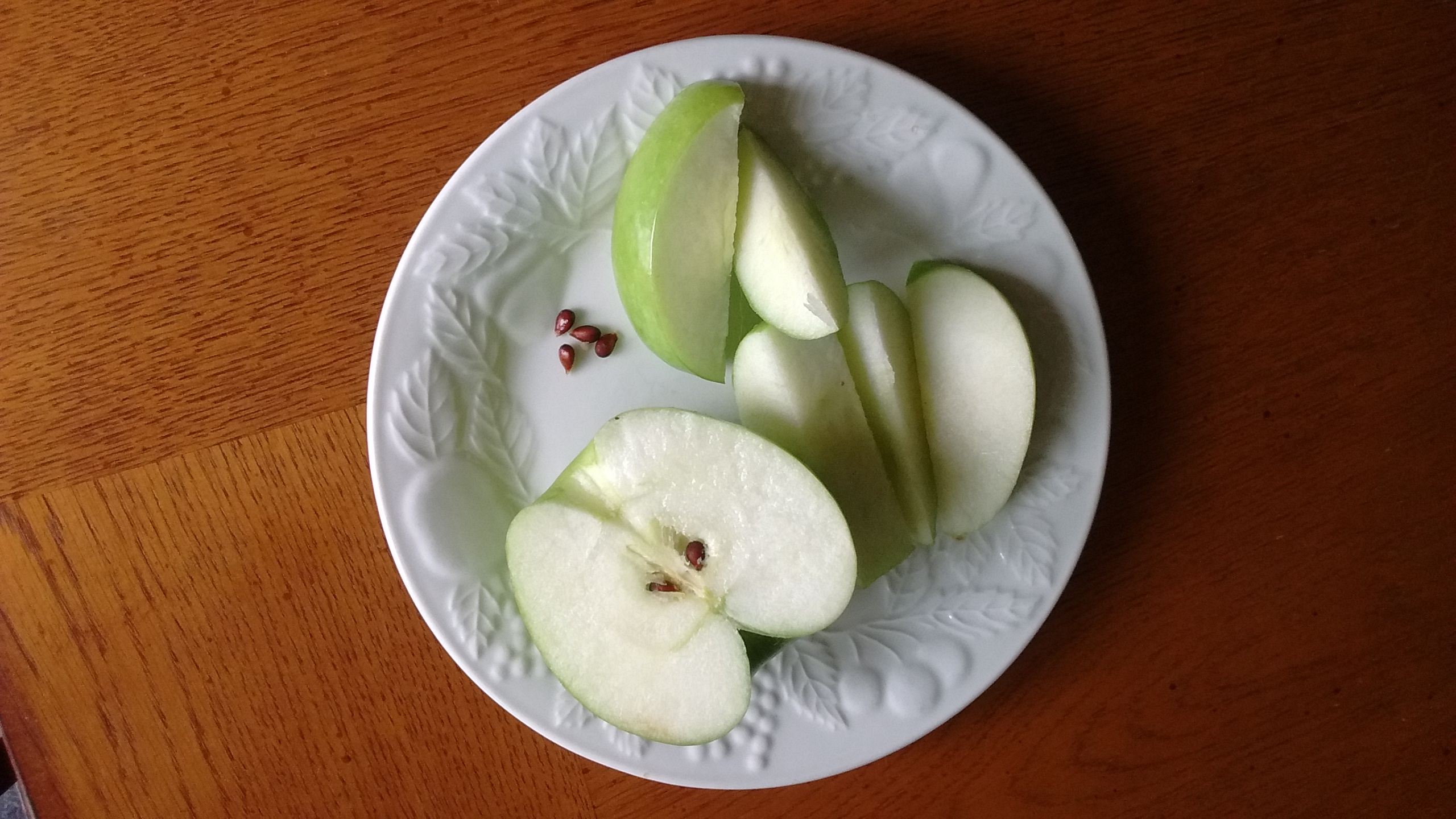
Apple SeedsHe removes a green apple from his sweater pocket. The bulge caught the eye of every resident he passed, making them wonder what he had smuggled out of the dining room. Green apples are his favorite, and the pretty Hispanic girl who runs the dining room, Gina or Tina, he can’t remember which, always keeps a few in the cooler for him. She knows he likes them cold; he must make more of an effort to remember her name.

Carefully, with much consideration and turning of the apple over and over in his hands while worrying his dentures with his tongue, he decides where to make the first cut. The vibrant green skin breaks with a crisp snap and a soft spray of juice as he slices along the entire curve of the apple. He licks the tartness from his thumb. With a gentle twist, he separates the halves.

Two seeds pop out onto his lap. He draws his knees together to catch them before they fall to the greedy earth hiding between the tiles below, enticing with the promise of life. He knows what the seeds do not: nothing disruptive, certainly not an apple tree with a vast and reaching root system, would ever be allowed to flourish here. Both seeds are pinched between his forefinger and thumb, and then placed gently on the tip of his protruding tongue.

The old man enjoys the bitter-almond taste of the seeds. He always chews them. While most people, especially his lazy grandchildren, only eat the flesh of the apple, the old man consumes every part of it except the stem. He savors the acrid taste of the seeds as he cuts a slice from one half of the apple, eating it off the thumb on which it is balanced, his knife held securely in the same hand. Another seed is visible but trapped in its pocket. A little surgery with the pen knife frees it from its fibrous prison. This seed is bigger because it did not have to share space with a sibling.

His wife once told him the taste of the seed was from the cyanide within. It seemed like a fact she would know, so he never questioned her on it. From then on, he made a point of eating every seed especially if she was watching. I’m building up my tolerance and recognition of cyanide in the event that someone tries to poison me, he had teased her. She retorted that if she wanted him dead she would use the cast iron skillet on his head while he slept. Their wicked sense of humor shocked most people, even their friends.

He wonders how many apple seeds he’d have to eat to escape this place. It’s so beautiful, Dad, his daughter had said, with flowering trees and benches, shuffle board courts and walking paths, a chess club and whirlpool. Who had she been trying to convince? One little tumble down the front porch steps and the next thing he knew, he was an inmate at Buena Vista Acres. His daughter believed she was doing him a favor moving him to Arizona to be near her. As if a fifty minute drive was near her. He might as well still be living in Ohio for all that he sees her.

If he could see anyone right now, it would be his wife. He crushes two more seeds between his back teeth, the ones that are still real. More of the apple is consumed, more seeds discovered. More memories flirt with the edges of his mind. The white walls of the main building shimmer with early morning heat, the brightness nearly blinding him even though his eyes are averted. Bittersweet and tart, apple seeds and life. The core of his existence chewed away to nothing. He will not let it poison him. He kisses the stem and flicks it into the bushes.

As he returns to his room for a nap, he waves to Maria, the dining room attendant. Maria, just like his wife. He smiles to himself, proud at having found a way to remember her name.

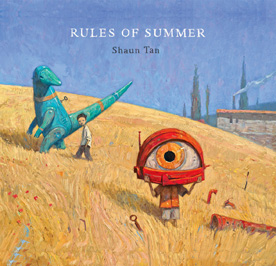
The Rules of Summer by Shaun Tan

People who know me are aware of my love of books but may not know that I enjoy picture books every bit as much as novels and works of non-fiction. For those who don’t know me, start here (My Love Affair With Books).

The Rules of SummerA couple of weeks ago, as I shelved picture books in the children’s department of the library where I used to work, I discovered Shaun Tan’s book, The Rules of Summer. The unusual artwork on the cover immediately caught my eye, and I indulged in a few stolen moments to read the book. What a treasure.

The lean text tells the story of two brothers and the unique and arbitrary rules that govern their summer. The pictures, semi-abstract creations in oil and acrylic, relay a deeper story about the nature of the boys’ relationship.

I believe the story speaks volumes about how people treat each other whether they’re children or adults, friends or family. It’s testimony to how far we will go in our relationships and exactly what we’ll tolerate and for how long. This may sound heavy for a picture book, but the beauty of the subtle message is that there is hope even when human nature ensures that this process repeats itself. When it does, we learn and grow, love and forgive.

I’ve already enjoyed reading The Rules of Summer five times and have decided that I must own a copy for my private library. The book as a whole is an incredible work of art, and I’ll never tire of sifting through the many layers of the story, both words and pictures.

Cast Ironclad Alibi

One of my most prized possessions is the cast iron skillet I inherited from my beloved Grandma Smith. The skillet is twelve inches in diameter and easily weighs as much as my Kia Spectra. I have to use both hands to lift it, and if it weren’t so unwieldy, it would make one heck of a weapon.

I know I surprised Grandma when I asked her if I could have the skillet when she broke up housekeeping. She was leaning toward giving rest-home living a try about a year after my Grandpa had passed. I assured her there was no rush and that I’d wait until she was completely ready to part with it.

“What do you want that ole thing for?” she asked and laughed.

I explained to her that is was infused with memories of her and all the delicious things she ever cooked in it. She smiled sweetly, I imagine still somewhat amazed that I’d asked for it, and said okay.

The day my father brought it home to me was actually kind of a sad day. Grandma was still with us, but her days of clomping about the kitchen (she wasn’t exactly light on her feet) and directing the creation of large meals for family gatherings were over.

Unfortunately, I let the pan sit for many years because I was too intimidated to use it. I wasn’t sure I could live up to my Grandma’s reputation as a great cook. Besides, I had a shiny set of Revere Ware Copper Bottom pots and pans. They were dishwasher safe; the cast iron skillet was not.

So, Grandma’s skillet languished in my stove, setting off the fire alarms every time I forgot to remove its oil-preserved self from the oven prior to preheating. I’m ashamed to say that I moved it to the storage shelves in the basement. Its presence was replaced with a non-stick skillet from my mother.

A couple of years ago when I began writing my novel, The Secrets of Dr. John Welles, the skillet drifted back to the edges of my memory. As I mentioned in a previous blog post (Edible Fiction), I love to feed people, both real and imagined. One of my characters, Collie Mercer, is responsible for a great deal of the food mentioned in my novel. Without realizing it, every time I wrote about Collie cooking, without even stating it, I pictured her using a large, cast iron skillet exactly like my Grandma’s.

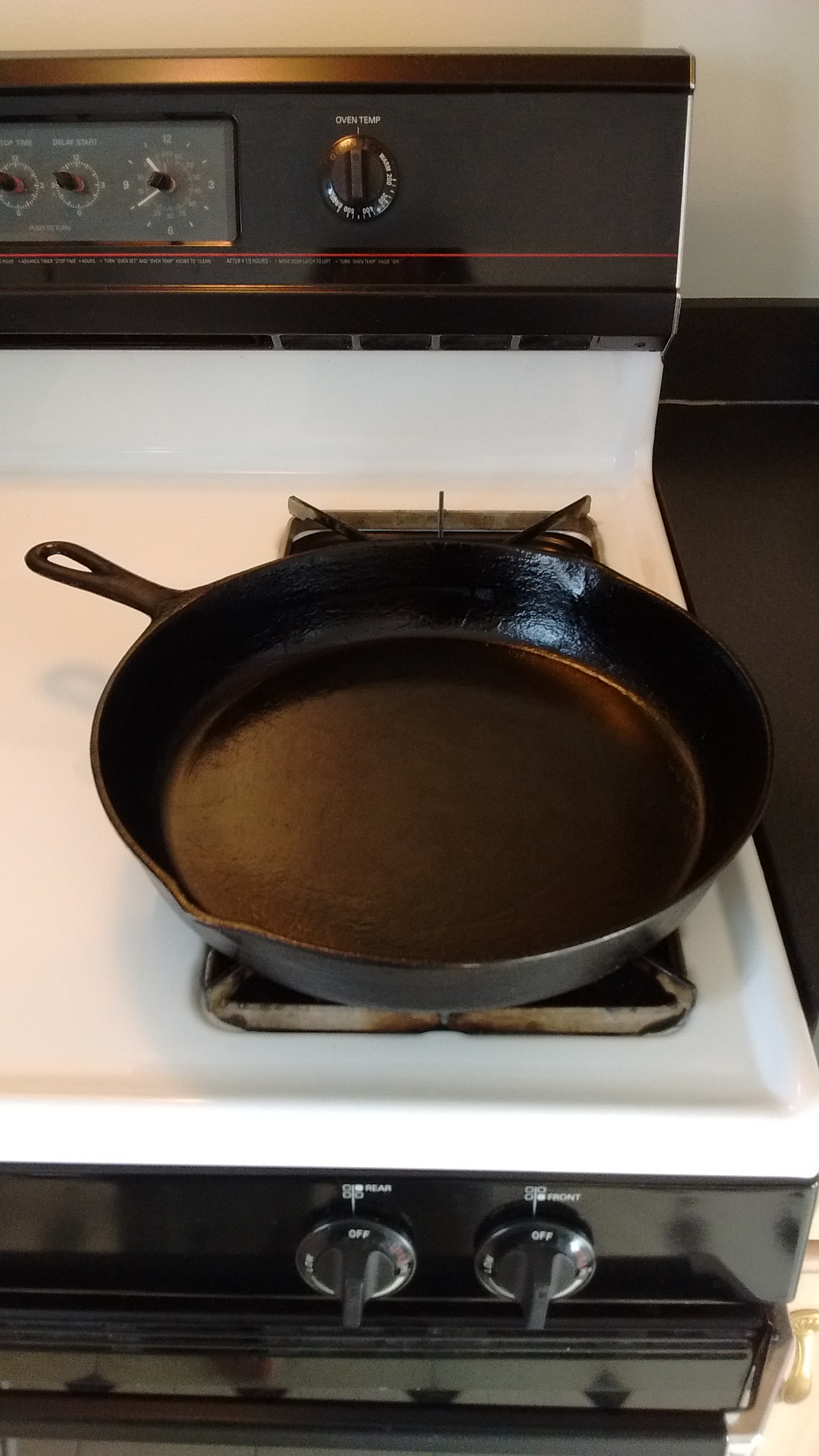
Black Beauty with a gleaming coat of oil.

Black Beauty with a gleaming coat of oil.

Long story short, the skillet, re-seasoned and currently in use, now reigns supreme in my kitchen. I never thought I could fall in love with a cooking implement, but I have. Who knew that cast iron was not only healthier for you, but the non-stick qualities put the new skillets to shame? And keeping it seasoned is not the chore I initially believed it to be.

There is so much about cast iron that I want to share with you, but I’ll direct you to two books, The Cast Iron Skillet Cookbook by Sharon Kramis & Julie Kramis Hearne, and The New Cast Iron Skillet Cookbook: 150 Fresh Ideas for America’s Favorite Pan by Ellen Brown. What I love about these books, besides the delicious recipes, is the sentiment the authors express for the cast iron cookware they inherited.

So, whether you’re starting out with a brand new piece of cast iron, rescuing an old relic from the back of someone’s cupboards, or just pulling out Grandma’s skillet to use for making dinner, get your hands on a piece of cast iron and fall in love with cooking all over again.

Coffee

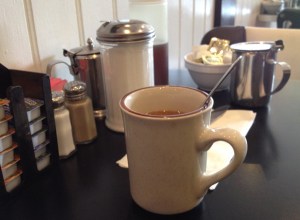
CoffeeLeonard Summerscale sat like a mannequin in the center of a roomful of chattering diners. Knives and forks slaked against plates, ice swam brightly in glasses of water. Waitresses called orders to the cook before they were halfway back to the kitchen. Above the din of lunchtime in the city, the bell on the door chimed. Only then did Leonard’s face reanimate, as the scarecrow with red hair threw his arm up and navigated his way to where Leonard sat.

“Thank you for agreeing to meet with me, Reverend.”

“No problem, Len, none at all. Your message sounded so urgent. What can I do for you?”

“Please, have a seat,” Leonard said, indicating the chair opposite him at the two-seat diner table.

Reverend Bast slid into the grease-slicked, padded chair. The red vinyl cushion released a squeak and a puff from a tear near the edge. Leonard busied himself flagging down one of the waitresses performing an awkward ballet through the narrow aisles; a balancing act of three plates occupied the length of each arm.

“The service is usually much better, much better.”

“Don’t fret, Len. It is lunchtime.”

“Leonard, please.”

“Of course, I’m sorry.”

The harried waitress in a rumpled, powder blue uniform finally appeared at the table. She placed a menu in front of each man, shoved her sagging ponytail off her shoulder, and wiped the back of her hand across her nose.

“What’ll you have, Reverend? There’s a ten percent discount for men of the cloth.”

She jabbed her pencil in the direction of his collar.

“Well, lucky you,” Leonard said. “That should save you a few pennies.”

The Reverend’s eyes scanned the a la carte section of the menu as he mentally replayed Leonard’s voicemail. He was sure invite you to breakfast had proceeded his congregant’s request to talk.

“I’ll have the poached egg on rye toast, black coffee, please.”

As the waitress scribbled on her pad, Leonard waited with fingers steepled. He paused long enough to draw the young woman’s attention, making eye contact with her, before he spoke slowly, deliberately.

“I’ll have two eggs fried hard, and I do mean hard, with the yolks broken, brown, crispy edges, the whole nine yards. Please encourage the cook to properly season the eggs; I should be able to see the pepper flakes but not the salt. Shredded hash browns, toasted thoroughly but not swimming in grease. The ham steak? Is it sugar cured or country style? Oh, no matter–you probably don’t even know what I’m talking about. Wheat toast, hold the butter, cut from corner to corner. Is there mixed fruit jelly on the table? Very good. And decaf coffee. Be sure it’s a fresh pot. I know how long the decaf sits around in a place like this. Also, please bring real cream or at least milk. I despise those little plastic containers of oily, faux cream.”

The waitress shifted her weight from one foot to another. She chewed the inside of her cheek before smiling and saying, “You got it.”

The Reverend straightened jelly packets in the swiveling caddy as Leonard tsked at the waitress’s retreating back. He turned a conspiratorial look upon the Reverend and said, “Well, let’s see how much of that she gets correct.”

“I thought you’d been here before,” the Reverend asked.

“Oh, only a few times with co-workers. They chose to dine here. It’s not the sort of venue I’d normally patronize.”

“So, what can I do for you, Leonard?”

“Yes, the real reason we came. Now I know we haven’t been in your congregation long, and by we, I mean myself and Mrs. Summerscale–”

“–lovely woman, so very helpful in the nursery–”

“–and while we agree with the majority of your theology–”

“–oh, well–”

“–there are a few minor points I’d like to discuss on another occasion, still, I believe we made the correct choice in churches to attend.”

Leonard folded his hands across his stomach and leaned back in his chair. The Reverend remained silent for ten seconds until he understood it was his turn to speak.

“We…do enjoy your presence, and that of Mrs. Summerscale.”

“Ah, Mrs. Summerscale. What a tactful segue you’ve provided, Reverend, for it is the subject of my dear wife that brings me here today.”

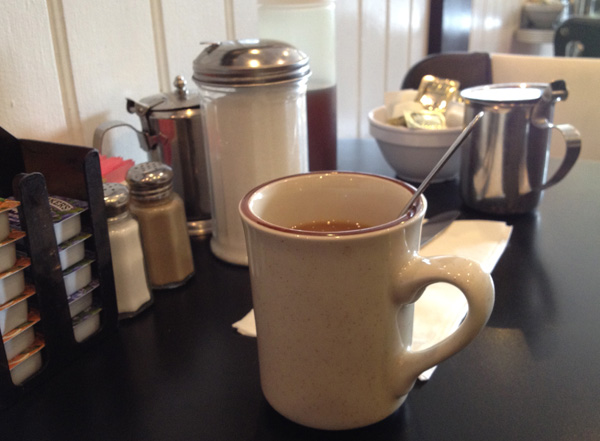
Leonard gazed toward the water-stained ceiling tiles and puffed his cheeks, his customary gesture when preparing for a long discourse on a topic of interest to no one but him. His efforts were halted momentarily by the arrival of their coffee followed by several moments of fussily arranging his cup and saucer, requesting an orange coaster to indicate to passing waitresses that he preferred decaf, and polishing his spoon as if for inspection by a Marine Corps drill sergeant.

Clouds of milk lightened Leonard’s coffee to an acceptable shade of taupe, placating the man to his previous state of calm. His voice achieved a stunning decibel of self-importance as he said, “Have you ever really considered coffee, Reverend?”

“I know I’m pretty worthless in the morning before I’ve had mine.”

Leonard’s eyes rose from his cup to contemplate the patches blushing the Reverend’s freckled cheeks. His uneven smile and softened expression conveyed the verdict of I know, I know. The Reverend thought to mention that Mrs. Carrick, the church secretary, always had a fresh pot ready for him prior to Sunday service, but he let it go.

“The average American adult drinks around three, eight-ounce cups per day. That’s 382 billion cups of coffee consumed in America alone every day. I suppose that makes me below average, eh Reverend?”

“Oh, I wouldn’t say that, Leonard. You’ve done marvelous things since joining the Board of Elders.”

A twitch in his left eye brought Leonard’s finger to the rescue. His hand in front of his face muffled his sigh.

“I only require one cup of coffee a day, and decaf at that. So many people are dependent upon the addictive qualities of caffeine to sustain them. But for me, coffee is a cup of warm reassurance that I shall succeed at whatever I set my mind toward for the day. That is to say, I don’t require coffee, Reverend, I enjoy it.”

“Indeed. How lucky for you.”

Another pause ensued as Leonard waited patiently for the Reverend to say something, anything, of relevance to the conversation. He came to the young man’s aid with, “As an unmarried man, you couldn’t possibly know the sheer joy of having your wife responsible for providing a fresh pot of coffee every morning. Such is the pleasure that Mrs. Summerscale brings to my life.”

“It’s the simple things, like drinking coffee together, that solidify a marriage. Or so I’ve heard.”

“You miss my point, Reverend: while I enjoy the coffee, what solidifies my marriage, any marriage for that matter, is the consistency with which the ritual is conducted. Therein lays the quality of any relationship. Do you understand?”

The Reverend twisted sideways in his seat.

“And when that consistency is disrupted–well!”

The Reverend twisted in the other direction, mostly to avoid Leonard’s hands thrown up in frustration but coming across the table with the rapaciousness of an eagle’s talons.

“Play nice, fellas. You’re breakfast is here.”

The waitress who placed their food on the table was not the one who took their order. This woman, with face haloed in bad orange foundation and crusted scabs of concealer, smacked down plates of food and topped off their coffee cups with the practiced movements of a seasoned professional. Her abrupt behavior brooked no complaint as the matriarch of the herd lumbered off to refill the cups of other customers, supervising the younger waitresses as she moved, her hosiery sagging around her ankles.

Both men obediently bowed their head to pray. Leonard’s head remained in the position of supplication long after the Reverend said Amen. When he opened his eyes, he caught the Reverend with fork in hand, spearing his first bite.

“You’re a young man yet, Reverend. What are you? Twenty eight, thirty tops?”

“I’m thirty five.”

A waved hand and gravelly snort dismissed the comment.

“See–young yet. Must be that peachy complexion beneath those constellations of freckles. One might even say peach fuzz.”

Leonard barked a laugh around a mouthful of food at his joke and set himself to coughing until his face reddened and his eyes watered. The female elephant, continuing her crisscross migration through the diner, delivered three hearty thumps to Leonard’s back as she passed.

“Thank you, Madam, thank you.”

The pair resumed eating in silence. The Reverend finished his meager breakfast. He sat with a napkin draped over his crossed legs while Leonard, only half way through his meal, restarted his conversation.

“I’ve established some basic but essential points for you, Reverend, and although I’ve applied them to marriage, if you take time to review what I’ve said at your convenience, your earliest convenience, you’ll see that what I’ve instructed also applies to life.”

The Reverend, whether willingly or unwillingly he did not know, remembered nothing Leonard had said prior to his choking fit. He had, however, managed to track the progression of a toast crumb from the corner of Leonard’s lips, into his mustache, watched it disappear once into his mouth, reappear on the tip of his tongue, and miraculously land in the opposite corner where it rode up and down with the movement of Leonard’s chewing.

Leonard mistook the Reverend’s intense concentration as interest and enthusiasm.

“But it is with much hesitation that I must admit to you as…well, if not my spiritual counselor or close confidante…then as a somewhat significant figure in my life that all is not well between me and Mrs. Summerscale.”

“What seems to be the problem?” the Reverend’s mind directed his mouth to say.

The crumb had fallen to Leonard’s chin. The Reverend rooted for it to hang on.

“I can’t quite place my finger on it. Mrs. Summerscale and I have been married for thirty five years, so I’m quite attuned to my wife’s quirks. Still, this event of which I shall inform you came quite out of the blue.”

A knuckle swiped across his chin came to rest on Leonards’ greasy lips. He meant to look thoughtful but only succeeded in redepositing the crumb to the hairless divot on his upper lip. The Reverend clenched his jaw; surely an indication of real concern.

“Exactly two weeks ago, Tuesday, Mrs. Summerscale arose promptly at 5:30 AM and donned her robe as she always does. Then she went to the kitchen to prepare my breakfast. All was well. I finished my bath, shaved and dressed, and descended to join her. Mrs. Summerscale had already placed my oatmeal and cream on the table. She had even stirred in half a cup of dried currants, a pleasant surprise as they are my favorite.”

A sharp intake of breath on Leonard’s part pulled the crumb back to his bottom lip. The Reverend’s brow creased, and his troubled congregant pressed on.

“Just as I was enjoying my first bite of oatmeal, the coffee pot gurgled, indicating that it was done brewing. Peripherally, I watched Mrs. Summerscale retrieve a cup and saucer from the cupboard and prepare my coffee.”

Lips pressed together then pursed shifted the crumb to Leonard’s upper front tooth. The Reverend leaned forward and pointed.

“Now just a moment, Reverend. I haven’t finished my story.”

“Please go on.”

“Mrs. Summerscale approached the table where I sat, and she…she arranged the cup near my right hand as I prefer.”

Leonard’s voice wavered with distress at the memory. The crumb, taking on a life of its own, worked its way across several teeth, moving in an eastward direction, before popping back into the bristles at the edge of Leonard’s lip. The Reverend pressed his balled fists into his mouth.

“And that’s when I saw it.”

The Reverend nodded wildly.

“My coffee was a muddy shade of black.”

“I’m sorry?” the Reverend allowed to slip from behind his bony knuckles.

“Yes, it’s true. You heard me order my coffee today with cream, or at least milk, so you are aware of how I take it. But then so isn’t Mrs. Summerscale aware, abundantly aware, of exactly how I take my coffee. Imagine my utter shock at looking into a cup of plain black coffee served by my wife. I asked her what was the meaning of this, and do you know what she replied? She said, ‘Oh isn’t that how you take your coffee?’”

“I don’t understand.”

“Reverend, really? For thirty five years Mrs. Summerscale has prepared my coffee to perfection. It is a–to what shall I liken it–an intimate knowledge of my very self, a dance between principle partners? For her to suddenly forget, or worse, become quite negligent and offer me a cup of coffee on the other end of the taste and shade spectrum? Why this can only indicate some gross aberration in foundation of my marriage. God forbid I entertain the thought, but do you suppose Mrs. Summerscale is having an affair?”

The Reverend smacked the table with both palms, fingers splayed, causing the dishes, silverware, and salt and pepper shakers to jump in unison. He threw back his head and laughed uproariously for five minutes until the redness in his face surpassed the color of his carroty hair.  All other sound and movement in the diner fizzled to quiet and stillness.

“Oh–Oh really–really, you are too funny, Leonard, too–damn–funny. You old fool. You pompous, cheap, old fool.”

Leonard’s mouth sagged like a mastiff’s; his head turtled into his shoulders at the unwanted attention directed toward himself and the Revered. The Reverend wiped his mouth, neatly folded his napkin, and stood to leave.

“By the way, Leonard. You have a toast crumb stuck in your mustache.”
Bonded

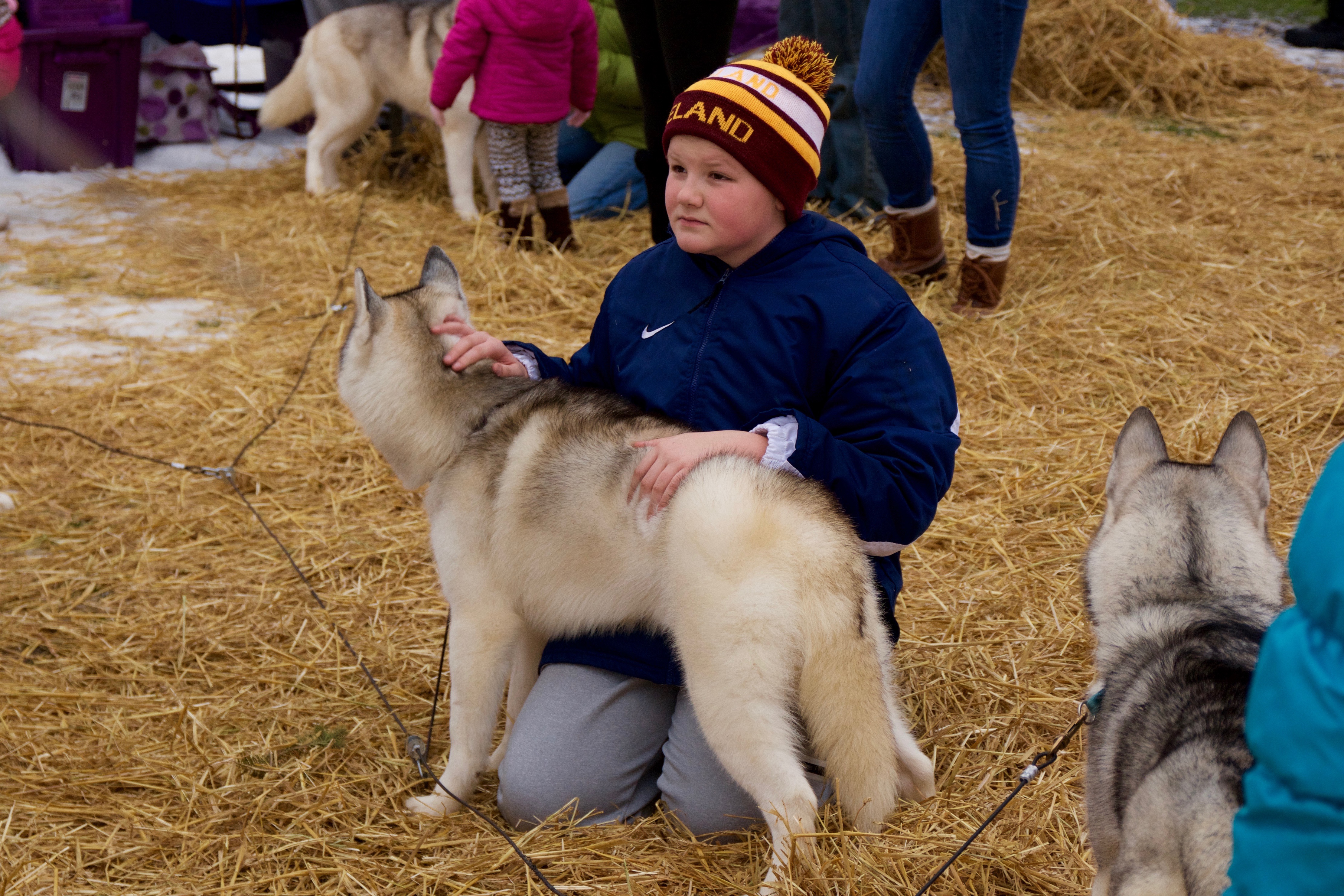
Raw DesireHis family hadn’t gone to the Winterfest Celebration looking for a puppy, but the second Robbie laid eyes on the young dog, he knew he had to have him. And it wasn’t just a matter of wanting; this dog belonged to Robbie. The boy knew it in his heart. He felt it in his soul.

The puppy’s eyes mirrored what Robbie sensed. The other dogs were friendly as they casually licked hands, nuzzled legs, and inevitably stuck their noses where they didn’t belong. This puppy, already weaned and ready to go, approached Robbie as if to say, “Here I am. I’ve been waiting for you.”

How to express this to his parents? That was the true dilemma. There had been so many things in the past that he had wanted, some obtained, some not, but so help him God this was different. To own this puppy, to be owned by it, was simply meant to be. Unlike the four-wheeler, the canoe, and his attempt at keeping chickens, Robbie’s very existence, his future peace of mind, was wrapped up in this dog.

He could hear his mother now. “We already have a dog. What are you going to do about ole Rusty? How’s he going to feel when you bring home a new pup?”

Rusty belonged to his parents before Robbie had been born. It was learning to walk while holding handfuls of Rusty’s wiry fur that instilled a love of animals, of dogs specifically, making Robbie even surer this puppy was meant for him and him alone.

Besides, Rusty was on his way out. Robbie felt no guilt at this thought. He and the ancient Airedale had already discussed this matter while curled up on the couch. They had said their goodbyes, made their plans. Robbie knew Rusty would approve of this puppy. It would be a bridge across the gap of his grief on the day Rusty didn’t come when he called.

All day the boy stayed with the husky pup, guarding it. His intense look of ownership, one of pure possession, caused even the adults to skirt this particular animal. Until finally…

“You know this dog ain’t for sale.”

“I know it.”

“I’ve already started working with this one. He’s begun his training, you know.”

“I said I know it.”

“He’s on display to show what sledding dogs are like.”

What more could Robbie say?

“The puppies for sale are over there with my wife. There’s three nice bitches left if you’re interested.”

“I don’t want a bitch.”

Robbie’s tongue tingled with the semi-forbidden word. He saw his parents milling their way back through the crowd. They hadn’t spotted him yet, still sitting with his puppy. Probably figured he had spent the day with his friends watching the men with chainsaws carve ice sculptures.

“What do you expect me to do?”

The breeder’s question placed Robbie on the precipice between hope and despair. He had only moments to formulate the correct answer. His parents, with visible head shaking and exchanged looks, spied him kneeling on the straw, the husky pup straddling his legs.

“Damn kid,” the breeder muttered.

“You’re gonna teach me how to train this dog. Okay? I’m gonna learn from you, and he’s gonna learn from me. That’s what you’re gonna do.”

The breeder ran his hand across his stubbly chin, ending at the base of his throat where he scratched long and leisurely. His eyes cast heavenward.

“I know it.”

There are times in the lives of children when they experience the raw desire to possess something wonderful (a horse, an electric guitar) or do something fabulous (ballet lessons, white water rafting). More often than should occur, children must bypass these opportunities. Perhaps there’s no time, or worse, no money. Sometimes they’ve used up all their credit with the dreams they want to pursue. Parents insist that children exercise logic and reason in these circumstances. They probably say this in an effort to assuage their guilt especially when their own resources don’t allow for childhood dreams to be fulfilled.

For Robbie Freeman, today was not that day.

~~~~~

Thank you to HBSmithPhotography for the lovely picture of the young boy with the husky pup.

Baring My Writer’s Soul – Part 14

Writer's Soul 14I’ve been thinking quite a lot about my writing, and I don’t mean in quantity. Rather, I’ve been thinking a lot of different things about what my writing is or isn’t.

It started last year around November when my novel was technically finished. There were a few minor points that needed to be re-researched (is that even a word), and I had a wonderful research librarian who I met at the Conneaut D-day Reenactment assisting me. The whole process was starting to bog me down. I began to hate it, resent it, and wanted to dig a deep hole in my back yard in which I could bury my book without any witnesses.

The holidays were coming, and since much of the preparation for Thanksgiving, Hanukkah, and Christmas fell to me, I really didn’t have anything left to give my writing. I didn’t want my writing to suffer, but I felt so guilty about setting it aside. After all, what kind of writer would I be if I wasn’t writing every single day? Good question.

While wrestling with this dilemma and wanting to be able to focus on all the fun that comes with the holidays, I ran into our pastor’s wife at the local grocery store. After the usual pleasantries, she asked after my novel. I told her what I’ve already mentioned above and concluded that I wish someone would give me the permission to quit for a little while. If I could just take a break, I knew I would go back to writing in January once I was refreshed.

She looked at me and said, “Heather, I give you permission to quit.”

Even now I laugh at how easy it was for someone else to grant me the grace I needed to give myself but was unable to. And guess what? I did go back to the writing and research in January as I promised myself I would. In fact, I attacked it with renewed vigor and produced better writing than I would have had I pressed myself to go on through November and December. What’s more, I enjoyed it!

So what’s the point of this blog post you may ask? It still scares me somewhat that I took off two months of much needed rest time. There are so many writing books, and I imagine books devoted to other forms of art, that will tell you to create every day without fail. Are these people right in tasking others in this way?

Yes and no. If I said it once, I’ve said it a thousand times. You have to find out what works for you. Thankfully, the day I returned to writing coincided with Chapter 11 of Heather Seller’s book, Page After Page. The writing exercises in this chapter were wonderful for getting me back on my rails. You’ll understand this better when you read the book which I highly recommend you do.

The funny thing was, while Chapter 11 worked for me, I recalled that before the holidays, Chapter 10 flipped me out. This is the beauty of the book. The next time I read it, Chapter 10 may be exactly what my writing needs. All this to say, don’t be afraid to embrace the bad (insert chosen art form here) because you may uncover a gem on the way to the good (insert chosen art form here).

In doing so, your creativity will flow and your art will come naturally. There are going to be different amounts of flow, and that’s to be expected. Don’t despair over these days even if they extend into weeks, months, or years. Begin again in small ways, flex your creative muscles, and build up to your peak performance like an athlete training for the Olympics. You will achieve gold.

Write Happy!

Amphibious Fantasy

The rainforest is his favorite. A small slice of Heaven plunked down in the middle of his urban existence. The big cats are impressive, and everyone goes crazy over the elephants, but for Zach, the rainforest display at the zoo trumps them all.

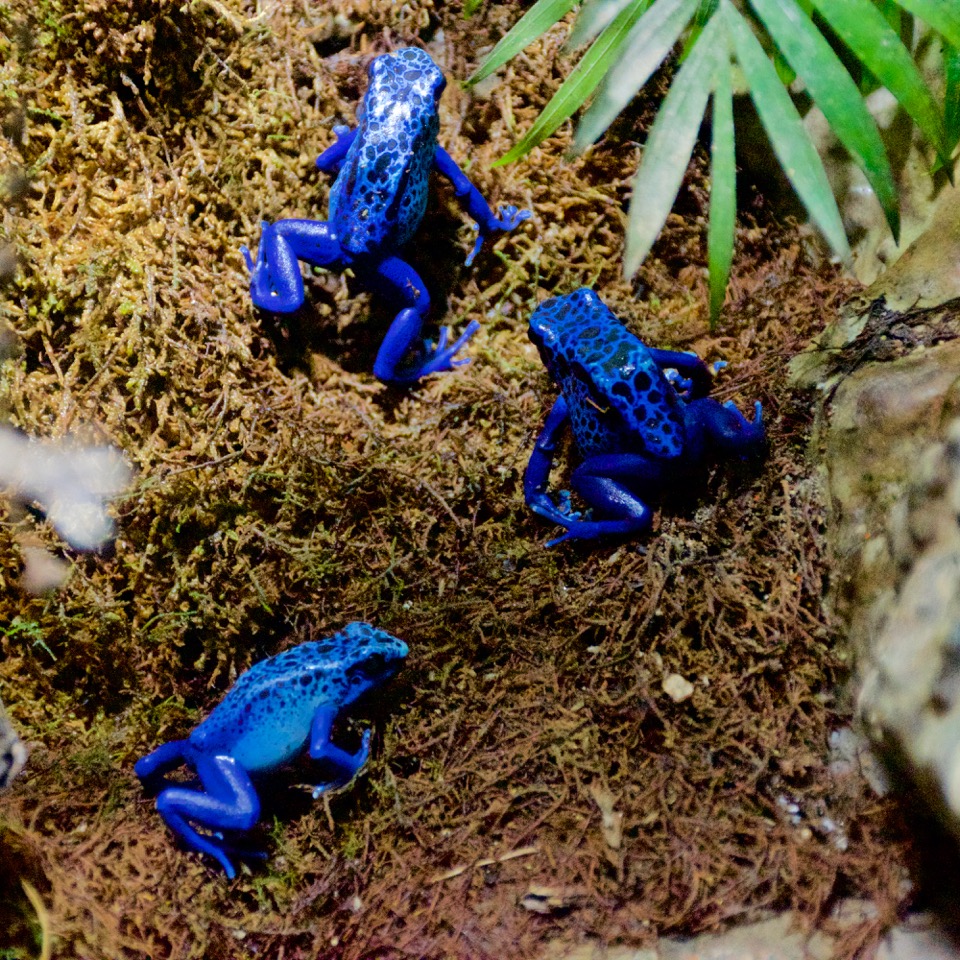
He stands before the glass-fronted cage holding blue poison dart frogs. Three of them. Their shiny skin, unrealistic in royal blue, renders them plastic replicas of themselves. Until one moves. The frogs are active during the day unlike the lazy wolves that refused to cooperate. Zach really couldn’t blame them; he wouldn’t have left the safety of his cave to be gawked at by a bunch of fourth graders.

He understands the sleeping wolves. Even now he can feel his eyelids descending as he watches the frogs. Sounds of the rainforest are piped throughout the building: calling birds, buzzing insects, chattering monkeys, flowing water, growling leopards. It’s enough to make anyone want to take a nap. That’s exactly what Zach would do if he could pass through the glass and curl up in the window box display with his beloved frogs.

He has no fear of the poison on their skin. Somehow, he would become one of them. A superhero, of sorts, who uses the poison to get rid of the bad guys. The little frogs would help him like the bats do when Batman needs them. Besides, blue poison dart frogs bred in captivity aren’t poisonous like those living in the wild.

Zach continues to stare past his reflection in the glass. He chews the pull string on his hoodie, soaking it and gnarling the plastic end. Maybe he Blue Dart Frogscould be The Blue Dart. His outfit could be the same shade of blue as the frogs but without the speckles. And no capes. Capes are dumb. He would have a mask, though. A black one across his eyes. He imagines his face above a well-muscled, adult body wearing just such a getup.

A tap to his shoulder signals that it’s time to move on. He nods and smiles at his teacher, Ms. Schaeffer, allowing the whole class to drift past. Then he resumes staring at the frogs. Ms. Schaeffer doesn’t notice; she’s too busy flirting with the security guard trailing the class. And the tour guide, aware of her tenuous hold on the kids’ attention, doesn’t stop spewing rainforest facts or she’ll lose control. Zach already knows everything she’s telling them. He slips back to daydreaming.

A little blue dart frog poison on the breading of the corndogs Jaxson Michaels favors would put an end to the bullying. He’s pretty sure the whole school would be grateful when the sixth grader gasped and fell off his chair. He almost laughs at the image of Jaxson flailing on the floor. His grandma’s face surfaces before his eyes, scowling and shaking her head.

Zach’s breathing quickens. The thoughts of killing upset him. He scowls at his reflection then taps the glass to make the frogs move, a major taboo. No one witnesses his transgression, but he looks around all the same. The people milling about are parents with children. His class is nowhere in sight.

Like poisonous blue magnets, the frogs draw Zach’s attention once more. He considers sitting beneath the cage, leaning against the wall, to fall asleep to the rumble of thunder that has joined the other rainforest sounds. The clicking of heels speeding in his direction means Ms. Schaeffer has discovered his absence. Zach will tune her out when she scolds.

Blame it on the frogs, he thinks, but just don’t mess with The Blue Dart, lady.

~~~~~

Thank you to Michelle Smith of Just4FunPhotography for providing the beautiful picture of blue poison dart frogs.

Dream Cooking

Dream CookingThe weather in Northeast Ohio has been bitterly cold lately. We’re paying for the month of December when we ran around in shirtsleeves and windbreakers. Personally, I’d rather spread out the bad weather instead of having it dumped on us all at once.

The cold puts everyone in the mood for soup, stew, or chili. Recently, my husband’s family all met at his parent’s house where everyone enjoyed a delicious ground sirloin and root vegetable stew. I took two loaves of bread which we cut into huge chunks for sopping up broth. The evening was a perfect blend of good food, great conversation, laughter, and reminiscing.

Today I’m making a pot of chili to combat the falling temperatures. Every family has their own recipe, or rather non-recipe, of ingredients combined without measuring until the chili tastes the way it’s supposed to. As I chop the onion and green pepper, press the garlic, I think about my Swedish photographer friend who I met on Twitter.

I came late to social media because it served no purpose in my life. If social media couldn’t allow me to hear my friends’ laughter, dry their tears, feel the warmth of their hugs, share a glass of wine or cup of tea, or lend a shoulder, then it held no value. Why would I even consider it when I’m the person who complained that e-mail doesn’t allow for the tone of voice to come through and it leads to too many misconstrued statements and hurt feelings? I’m still extremely cautious about what I type in posts, e-mails, tweets, etc.

Then one day I had to take the plunge into Facebook, Twitter, and a blog for the sake of my author platform. I’ll cut to the chase and admit that’s it’s proven to be successful and quite fun. Also quite addictive, so remember why you signed up in the first place. Don’t ignore the work, writing in my case.

But the most important part of my social media experience has been the connections I’ve made with people I’ve never met, only seen in the little photos they use as their profile icons, and never heard speak. They’ve become real friends, and it’s them I’m thinking about today as I cook.

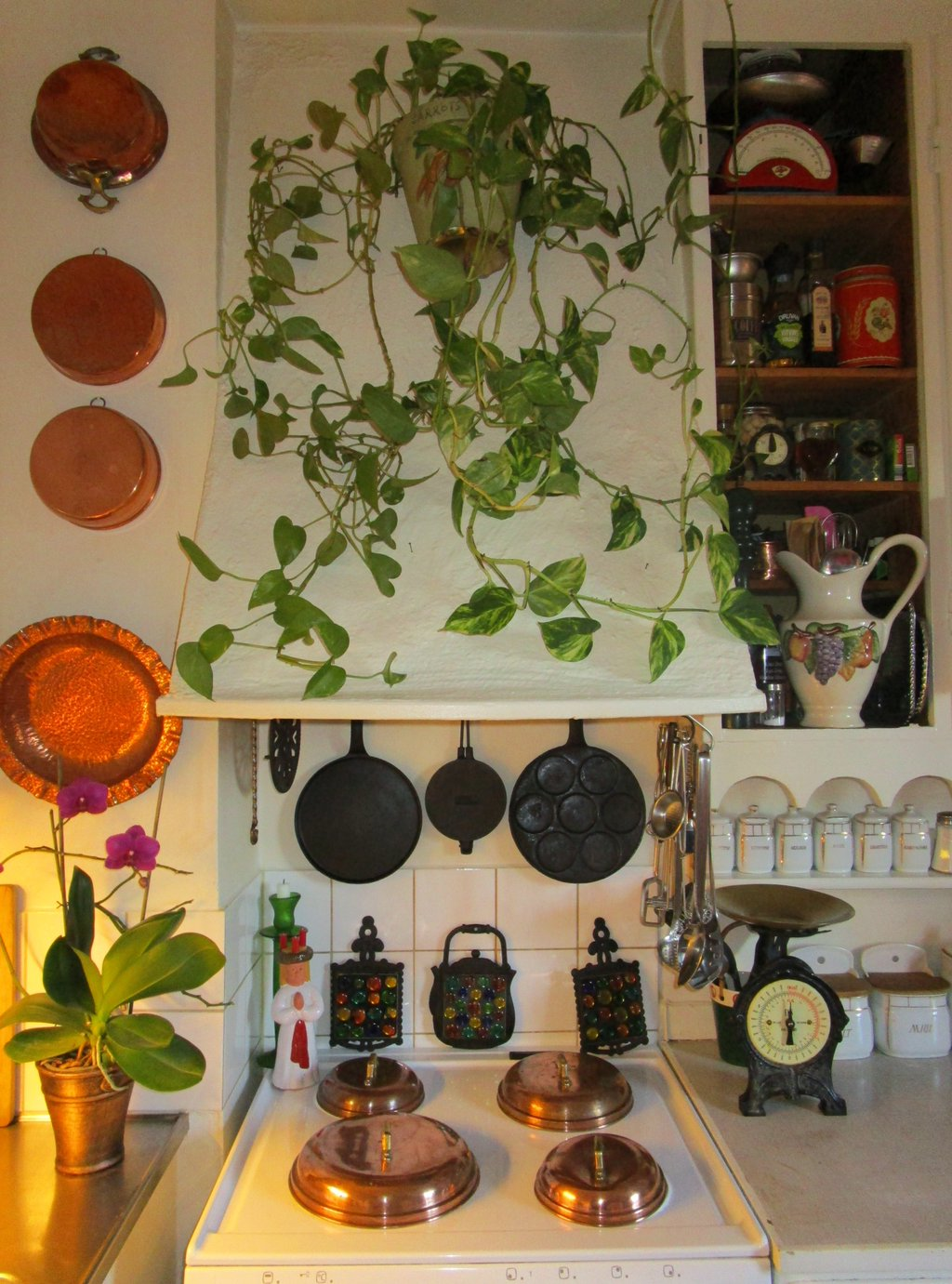
I wrote a post about apple pie not too long ago, and the friend I mentioned above commented that it’s a favorite in Sweden as well. She tweeted a picture of her beautiful kitchen, and I instantly fell in love with it. I replied that someday, we would cook together in her kitchen. She agreed…someday.

Ever since that tweeted conversation, I have dreamt about the two of us baking together. We would probably start with apple pie, while laughing and chatting at her kitchen table, hands warming around mugs of tea. We’ll take turns peeking in the oven, mouths watering, as we anticipate the rich dessert.

My imagination doesn’t end there for I’ve made other wonderful friends online. My handsome photographer friend from India breezes in without knocking because all are welcome here. He arrives from whatever exotic location he was photographing. A touch of mystery swirls in on the chill breezes, and we laugh and scold him to shut the door. After much foot stomping to knock snow off his boots, he sits at the table with his own mug of tea. No apple pie yet; it’s cooling on the counter.

Right behind him, my American poet friend knocks politely before poking his head in and calling hello. His online presence is so kind, so thoughtful, that I imagine him as soft spoken, warm, and gentle: a perfect blend of Robert Frost and a favorite uncle. His photography includes familiar pictures from daily life. That, too, is comforting. He joins us at the table, eyeing up the cooling pie.

Three more photographer friends arriving from India, America, and Finland join us as if they lived right around the corner. There’s enough room around the table that’s magically big enough to accommodate all of us. Many hands participate in the preparation of a pot of something savory now simmering on the stove. Fresh bread is baking. The men demand dessert; the ladies smile and say not until after dinner.

Then my writing friends drop in. I’ve invited them to meet the photographers. The first is a lion-hearted writer with a terrific smile. Then my comic-loving writer friend and my successfully self-published writing friend from England join the United Nation of Artists gathered at the table. Just as the table is being set for dinner, my part-scientist/part-writer friends hustles in. He laughs and says the weather is either cold with too much snow to shovel or hot with too much grass in need of cutting.

Chairs are added to the table, writers squeeze in between photographers, dinner is served. Conversation is replaced with murmurs of satisfaction. The stew is delicious. Suddenly, the door bangs open announcing one more writing friend to add to the mix. She apologizes as she wriggles out of her coat, tosses her snow-crusted gloves on the warm stove, brushes her long brown hair over her shoulders, and finds an empty spot at the table meant just for her. The t-shirt she wears catches every eye; it’s printed with the naked torso of a man staring just below the chin and ending just below his navel. Grins of appreciation for the intriguing shirt leave no doubt in which genre she prefers to write.

After dinner, as friends turned family push back from the table claiming they have no more room for another bite, dessert is served. Coffee and tea are refreshed. A pie that normally would have served eight at the most transforms into miraculous bounty. There is enough for everyone to have seconds. It is around midnight, and everyone’s spirits are still high. All heads turn at the sound of the door opening one more time.

The last friend to join our impromptu party has been out walking, planning paintings, sussing life’s situations, and enjoying his retirement. His wandering has brought him home, so to speak. Everyone presses him into a chair, places stew, bread, and pie in front of him, and asks after his wellbeing.

I sit back and listen contentedly as writers, photographers, and painters blend perfectly. Art talk abounds. Mugs of warm beverages have given way to glasses of wine. We’ve already started planning our next meal together.

Slowly, each friend fades from view, disappearing in the steam rising from the pot of chili I am stirring. But I can still sense them with me. I say still even though I haven’t met them yet. Someday. Someday it will all start with an apple pie baked in a beautiful kitchen in Sweden.

~~~~~

Thank you to my wonderful friend, Rosita Larsson, for the picture of her beautiful kitchen which inspired this post.

One For the Gangstas

Today’s The Weight of Words was generated by my need to know the correct spelling of a word that I’ve said quite often but never needed to write. Until now.

Pants, jeans, slacks, trousers, breeches…or is it britches?

Pull Up Your Pants or Else!

Pull Up Your Pants or Else!

According to Grammarist.com, breeches are short trousers that extend to or below the knee. When speaking informally, breeches is a term that may refer to any trousers. Breeches is a plural noun, the preferred pronunciation is BRIchiz. The word breeches appears around 1200 and comes from the Old English word brec, the plural of broc, meaning a garment for the legs and trunk. Breeches cover a person’s posterior. The word breech has come to refer to a baby trying to emerge from the womb posterior first, and the part of a gun behind the bore.

Britches are also short trousers that extend to or below the knee, but when speaking informally, britches is a term that may refer to any trousers. Britches is a plural noun, the preferred pronunciation is also BRIchiz. Britches first came into use in 1571. It is an alternate spelling of breeches, and also, a less formal spelling.

I’ve compared the definitions several times and conclude that the only difference is whether or not you want to use the formal or informal spelling in your writing. They are pronounced the same.

In either case, gangstas, please pull up your BRIchiz. Problem solved.