Are You a Pantser?

There is much debate on which way to write a novel: Outline/Plot vs. Pantsing. Those who fall on one side or the other can provide plenty of evidence to support their chosen method of writing that shows why their way is best. So far, I’ve never seen the conversation turn into an argument. The discussion usually ends with one side giving the other a sideways, narrow-eyed, head-tipping look of pity for not seeing the error of their ways. It’s actually quite funny.

I find this debate always surfaces shortly before NaNoWriMo starts. Janalyn Voigt of Live Write Breathe offers advice for those who might consider giving pantsing a try. In my opinion, the points mentioned are only the beginning of pantsing. Since it’s not a formal writing style, I can’t imagine too many rules actually exist. Admittedly, I’ll be looking for them. Guidelines, however, probably abound.

I believe I fall closer to the pantsing end of the writing spectrum but well short of insisting it is the only way to write. I’m not against outlining, but like most things in my life, I never limit myself to one of anything. I have outlined scenes for my novels to use during the editing process and when research needed to be conducted. Otherwise, I write by the seat of my pants.

So, whether you outline/plot or pants it, I hope you enjoy Mrs. Voigt’s suggestions from her blog post Pantsing: Writing by the Seat of Your Pants.

  1. Quiet your inner editor. Without stopping to edit, you’ll complete your manuscript more quickly. Speed is important because you’ll be carrying a lot of details in your head. The longer it takes you to write the story, the harder it will be to remember them all.
  1. Write in marathons. Rather than writing at a steady pace, clearing as much uninterrupted time as possible facilitates your writing the first draft quickly. This prevents the disruption to your focus that even a small interruption can bring.
  1. Don’t let the story go cold. Sometimes you can’t avoid being called away to work on other projects, but afterwards it can be very difficult to pick up the story thread.
  1. Try to have at least some research done in advance. You probably won’t know everything you’ll need to research at this point, but the need to stop and research can throw off a writing sprint. Guarding against that happening as much as possible is a good idea.
  1. Don’t stop for research that won’t determine the plot direction. Only stop to research vital information. Bold print passages you need to check and do the research on the second pass.
  1. When you get stuck, skip to the next scene, if possible. Mark the uncompleted scene or passage to fix in your second pass.
  1. Jot things to fix on a notepad or on the first page of the manuscript. Write a quick reminder of what needs fixing while you’re immersed in the creative process and you’ll thank yourself during the editing process.

 

The Spice of Life – Gingerbread & Girlfriends

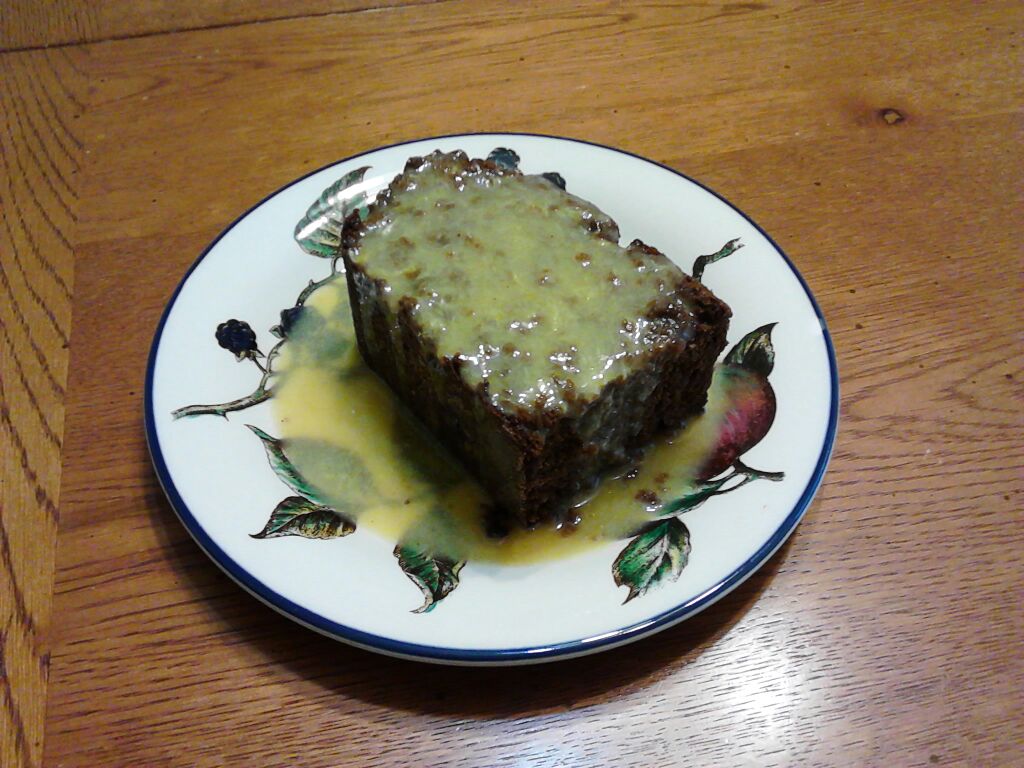
Gingerbread with Lemon SauceThe year is 1928. John Welles and his Aunt Prudence are having gingerbread with lemon sauce one evening when she brings up the very touchy subject of Miss Garland Griffin. Garland and John attend the University of Maryland. The two are in constant competition for the top spot in the grade standings. Their rivalry takes on a sharp edge.

Prudence presses John into admitting he has a more personal interest in the young woman by reminding him of comments he’s made regarding Garland’s beauty. Her attempts to draw him out only serve to frustrate him until the two are snapping at each other.

All is not lost despite Prudence’s often bungled attempts at parenting. She and John are close enough that they manage to work through their spats even if he’s the one who has to act more like the adult. John loves his sulky aunt, and in the end, he turns to her for advice.

The following recipe is the one I had in mind when I wrote the scene above. Prudence and John don’t always see eye to eye, but like sweet gingerbread and tangy lemon sauce, their personalities complement each other.

Gingerbread

½ c sugar

½ c butter

1 egg

1 c molasses

2 ½ cups all-purpose flour

1 ½ t baking soda

1 t ground cinnamon

1 t ground ginger

½ t ground cloves

½ t salt

1 c hot water

Preheat oven to 350 degrees F (175 degrees C). Grease and flour a 9-inch square pan. In a large bowl, cream together the sugar and butter. Beat in the egg, and mix in the molasses. In a bowl, sift together the flour, baking soda, salt, cinnamon, ginger, and cloves. Blend into the creamed mixture. Stir in the hot water. Pour into the prepared pan. Bake 1 hour in the preheated oven, until a knife inserted in the center comes out clean. Allow to cool in pan before serving.

Lemon Sauce

½ c sugar

2 t cornstarch

Dash of salt

Dash of nutmeg

1 c water

2 egg yolks, beaten

2 T butter

2 T lemon juice

½ t grated lemon peel

1 t lemon extract

Combine sugar, cornstarch, salt, nutmeg, and water in a saucepan, stir until smooth. Cook and stir over medium-high heat until thickened and bubbly. Reduce heat, cook and stir 2 minutes longer. Remove from heat.

Stir a small amount of hot filling into egg yolks, return all to pan, stirring constantly. Bring to a gentle boil. Cook and stir 2 minutes longer. Remove from heat. Gently stir in butter, lemon juice, lemon peel, and lemon extract. Serve warm with gingerbread. Refrigerate leftover sauce.

Why Aren’t You Following My Blog?

In the spirit of the attached article, I would like to ask my Facebook friends and Twitter Community: “Why aren’t you following my blog!”

Authors are required to promote themselves long before they ever publish a book. Long before final revisions, query letters, and agent searches, authors must “sell” their “product” to a potential audience. I can tell you that most authors/writers do NOT have a degree or background in marketing. This makes the task much more daunting. With the advent of social media, authors can build a “platform” to accomplish the above-mentioned tasks. This is where you come in.

I’m offering each of you the opportunity to join me from the ground up. My promise to you is free, quality writing delivered straight to your inbox. Most of you are already perusing various social media sites. With my blog, you won’t have to search for high-quality content in various places. My blog features short stories, non-fiction blogging about the quirks of family life, and interesting articles used while researching my novel, The Secrets of Dr. John Welles. I also promise to not bombard your inbox with chain e-mails, offensive jokes, pictures of my kid and pets, or boring accounts of what I ate for breakfast.

In closing, thank you for your support during my journey from pre-published author to New York Times Best-Selling Author. ~ HL Gibson

“If You Don’t Ask, You Don’t Get”

Collie Mercer’s Cornbread

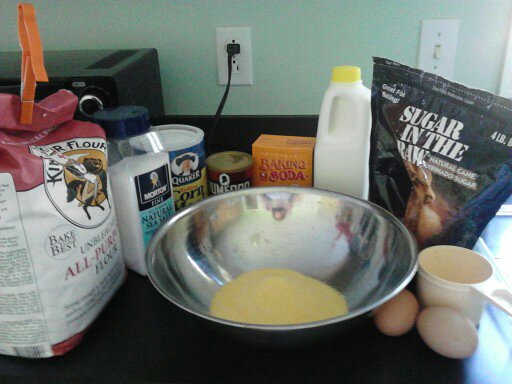
Buttermilk Cornbread Ingredients

Buttermilk Cornbread Ingredients

There are probably as many recipes for cornbread as there are people. Well, at least as many as there are people in the southern part of North America. I chose the following recipe because it was the one I had in mind when I wrote my novel, The Secrets of Dr. John Welles.

The year is 1907. For the three oldest Welles children, Stanley, James, and Eunice, December will hold an extra surprise this year. They will receive an early Christmas presents in the form of a new baby brother. Each has an opinion on whether or not another sibling is a good thing for their family.

After the three children get a peek at their baby brother, the midwife, Collie Mercer, sends them off to do their chores. Collie is a brusque, but kind woman, who makes sure the children have food in their stomachs before heading out into the cold. She directs them to cornbread and buttermilk on the kitchen table with the promise of a real breakfast once they return from the barn.

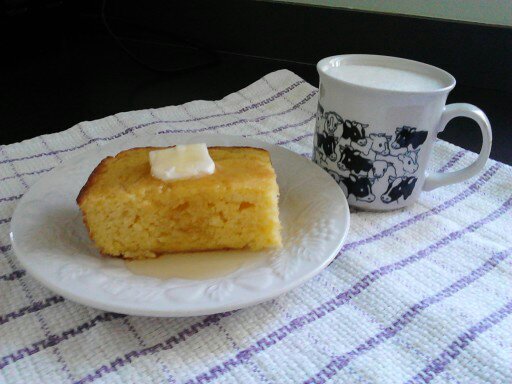
I love this recipe because it is rich and moist. Usually, I serve it with butter and honey, but the recipe is also good with the inclusion of herbs or spices, cheese, green onions or chiles; whatever you choose to add to make it your own. It is great crumbled up in chili, soaking up the broth from brown beans, or toasted and served with apple butter.

Enjoy!

Served With Butter & Honey

Served With Butter & Honey

Collie Mercer’s Cornbread

6 tablespoons unsalted butter, melted

1 cup cornmeal

3/4 cup all-purpose flour

2 tablespoons sugar (I use raw)

1 1/2 teaspoons baking powder

1/2 teaspoon baking soda

1 teaspoon salt

2 large eggs, lightly beaten

1 1/2 cups buttermilk

Cooking Spray

Preheat the oven to 425 degrees F. Lightly grease an 8-inch baking dish.

In a large bowl, mix together the cornmeal, flour, sugar, baking powder, baking soda, and salt.

In a separate bowl, mix together the eggs, buttermilk, and butter.

Pour the buttermilk mixture into the cornmeal mixture and fold together until there are no dry spots (the batter will still be lumpy). Pour the batter into the prepared baking dish.

Bake until the top is golden brown and tester inserted into the middle of the corn bread comes out clean, about 20 to 25 minutes. Remove the cornbread from the oven and let it cool for 10 minutes before serving.

Before CK One, There Was Tabac Blond

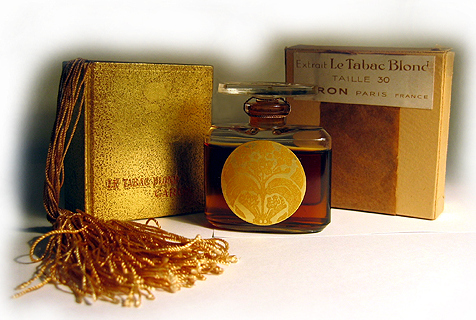
Vintage Tabac Blond

Vintage Tabac Blond

The year is 1927. John Welles and his two best friends, Sam Feldman and Claude Willoughby, are planning a clandestine night on the town. Their destination is a speakeasy hidden on the outskirts of Baltimore, Maryland. For the young medical students, the night will be both thrilling and disastrous.

Before John slips out for the night, he sneaks a dab of his Aunt Prudence’s perfume. This might seem like an extremely feminine thing to do until you become familiar with the scent he chooses to borrow.

One of my favorite subjects researched for my novel, The Secrets of Dr. John Welles, was perfume from the early 1900s. It is how I discovered Tabac Blond. The perfume was perfect for Prudence, a rebel-before-her-time class of woman who smokes, and John, by the simple fact that he’s male. Let me explain.

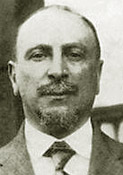
Ernest Daltroff

Ernest Daltroff

Tabac Blond was created in 1919 by perfumer and founder of the house of Caron, Ernest Daltroff. The fragrance was intended for women who smoke cigarettes, the symbol of women’s liberation and Parisian chic. What made Tabac Blond appealing were the leathery top notes, usually found in men’s fragrances, blended with a feminine floral bouquet. The added scents of undried (blond) tobacco leaves and vanilla made it desirable to both men and women.

Many reviewers insist upon a decanting of vintage Tabac Blond complaining that the new version doesn’t present as well. I’ll have to take their word for it as I do not own either and have yet to experience them in real life. It is, however, my goal to do both.

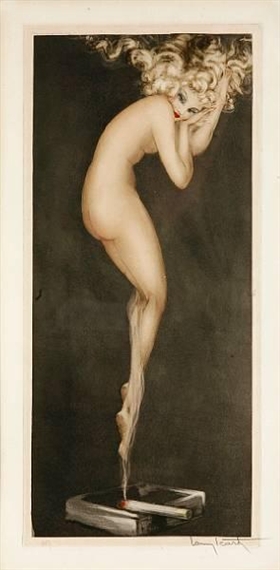
Artwork inspired by Tabac Blond

Artwork inspired by Tabac Blond

If you’re a lover of rich, exotic, glamorous perfume, Tabac Blond may be for you. Don’t let the price tag deter you from your passion. Whether you purchase the new version or a vintage decanting, there will be a small investment. I believe this is testimony to the allure of the fragrance. Be warned, however: wearing Tabac Blond may encourage behavior such as wild dancing, excessive drinking, and dressing like a flapper or F. Scott himself.

Yesterday’s Perfume

Perfume Projects

Writing What You Hear – Dialect & Accents

There is a character in my novel, The Secrets of Dr. John Welles, who is Mexican.  For a minor character, Lucia is one of my favorites.  She’s smart, classy, and in charge of all that goes on around her.  In short, she’s the perfect foil for her boss, the intelligent, elegant divorcée, Prudence Mayfield.

Prudence is nobody’s fool, but Lucia keeps her in check when needed. She pulls no punches with her employer and sometimes their conversation is quite spirited. My initial attempts at writing a Mexican dialect were hilarious and amateur. I needed to find a way to convey Lucia’s nationality without her dialog sounding cheesy or offensive.

Assistance came from a video on Howcast by voice and speech coach Andrea Caban. My mistake was that I never consider the posture of the mouth or the musicality of the dialect when writing for Lucia. The breathy S sound at the end of words, the hard R sound, and the nasally tone were exactly what I wanted for my character. How could I put that on paper without writing ridiculous phonetic spellings that would drive the reader insane?  By describing Lucia’s accent.

Originally, the only phonetic spelling I was going to use was jew for every time she said you.  I have since decided against this so I don’t offend potential readers.  Still, when I read Lucia’s comments out loud, I always do so in her accent. I’m confident the suggestions employed helped me to better express her dialect on the written page.  Please share your experience writing a foreign character’s dialect.

Recommended sites for writing dialect/accents:

How To Do a Mexican Accent

The Dos and Don’ts of Dialect

Andrea Caban – Dialect Coach

Christmas Morning Hot Cocoa

Christmas Day has a special quality that is difficult to describe. For me, as a child, it began long before the day arrived. My excitement was wrapped up in anticipation of my family gathering in the morning and spending the entire day together. I admit the presents were a bonus, but what I’m talking about is the sacred, magical characteristics unique to Christmas.

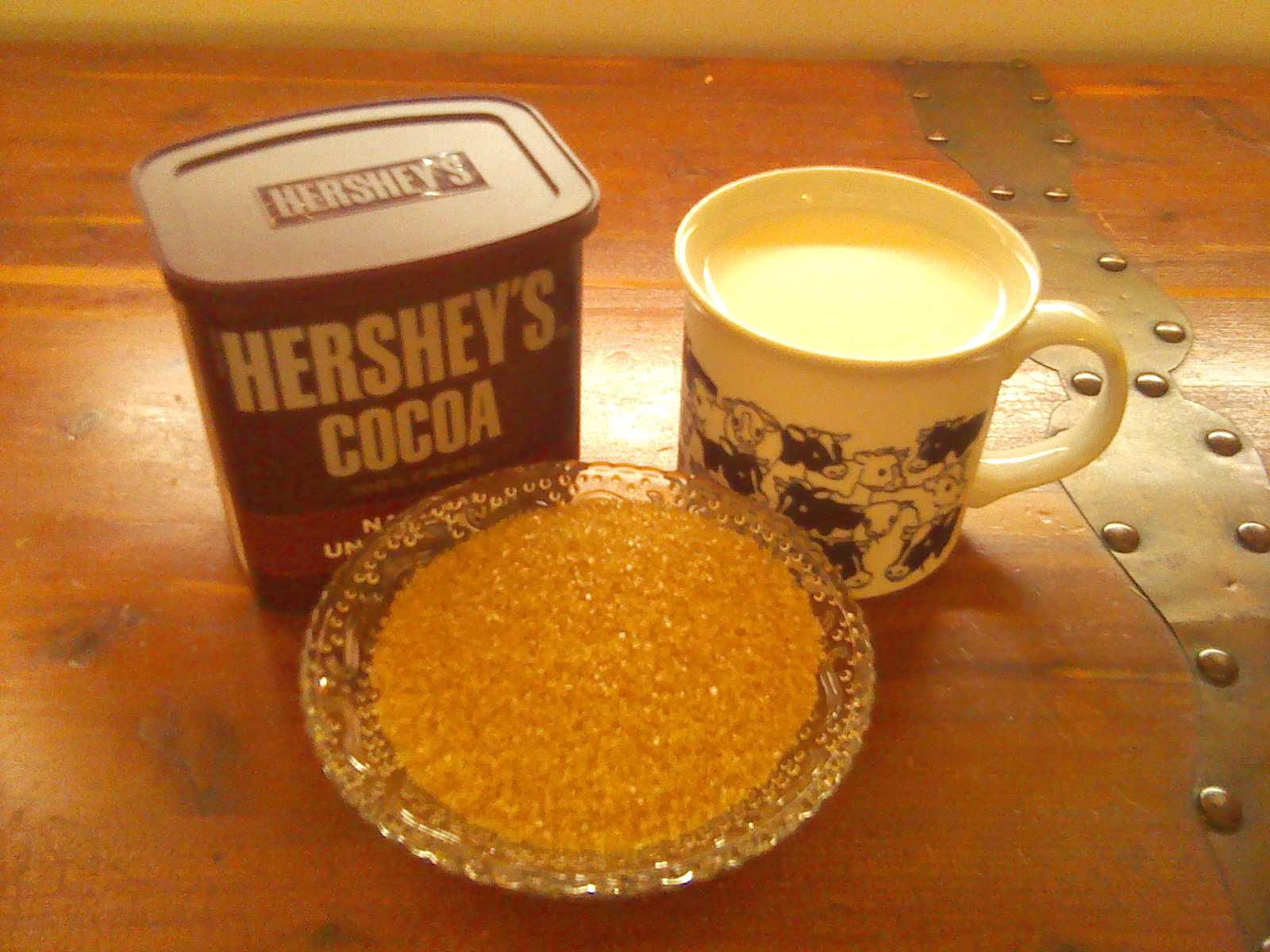
Creamy Hot Cocoa

Creamy Hot Cocoa

I tried to capture the essence of what I mentioned above in my novel, The Secrets of Dr. John Welles. The year is 1917 and Johnny is still a boy living on the farm with his family in Harford County, Maryland. The morning is almost ruined by an unwelcome visitor before Johnny’s stepmother, Collie, comes to the rescue.

Collie surprises the family with slices of pound cake and hot cocoa in addition to their usual fare. The food in this scene came from a memory I have of my mother waking my brother and me with slices of pound cake and hot cocoa one summer morning. I thought the rich cake and hot beverage would translate well to winter dining.

Sometimes the terms hot chocolate and hot cocoa are used interchangeably and incorrectly. Hot chocolate is milk and cream based with vanilla and shavings of semisweet or bittersweet chocolate. In some recipes, the quantity of chocolate used can make the drink so thick one has to spoon it out of the cup. Hot cocoa, on the other hand, is made with water, a little cream, sugar, and cocoa powder. This version is thinner with a more concentrated chocolate flavor.

For my novel, I chose to include the recipe my mother makes. It’s somewhere between the above-mentioned methods. My best memories of hot cocoa are made with the following recipe. Enjoy!

One 8 – 10 oz. mug per person

Whole Milk

Sugar (I use raw sugar)

Hershey’s Cocoa

Vanilla

Use one mug to measure out the quantity of milk needed, enough for each person, into a saucepan. Add 1 t. vanilla per person to the milk and warm on the stove. While the milk/vanilla is heating, measure 2 t. Hershey’s cocoa into each cup and 2 – 3 t sugar (depending on how sweet you like it.) When the milk/vanilla mixture is steaming, ladle it into each cup. Stir until sugar and cocoa are thoroughly mixed in. Garnish as desired.

Hugh Griffin’s Peach Pie

IMG_20140908_154003

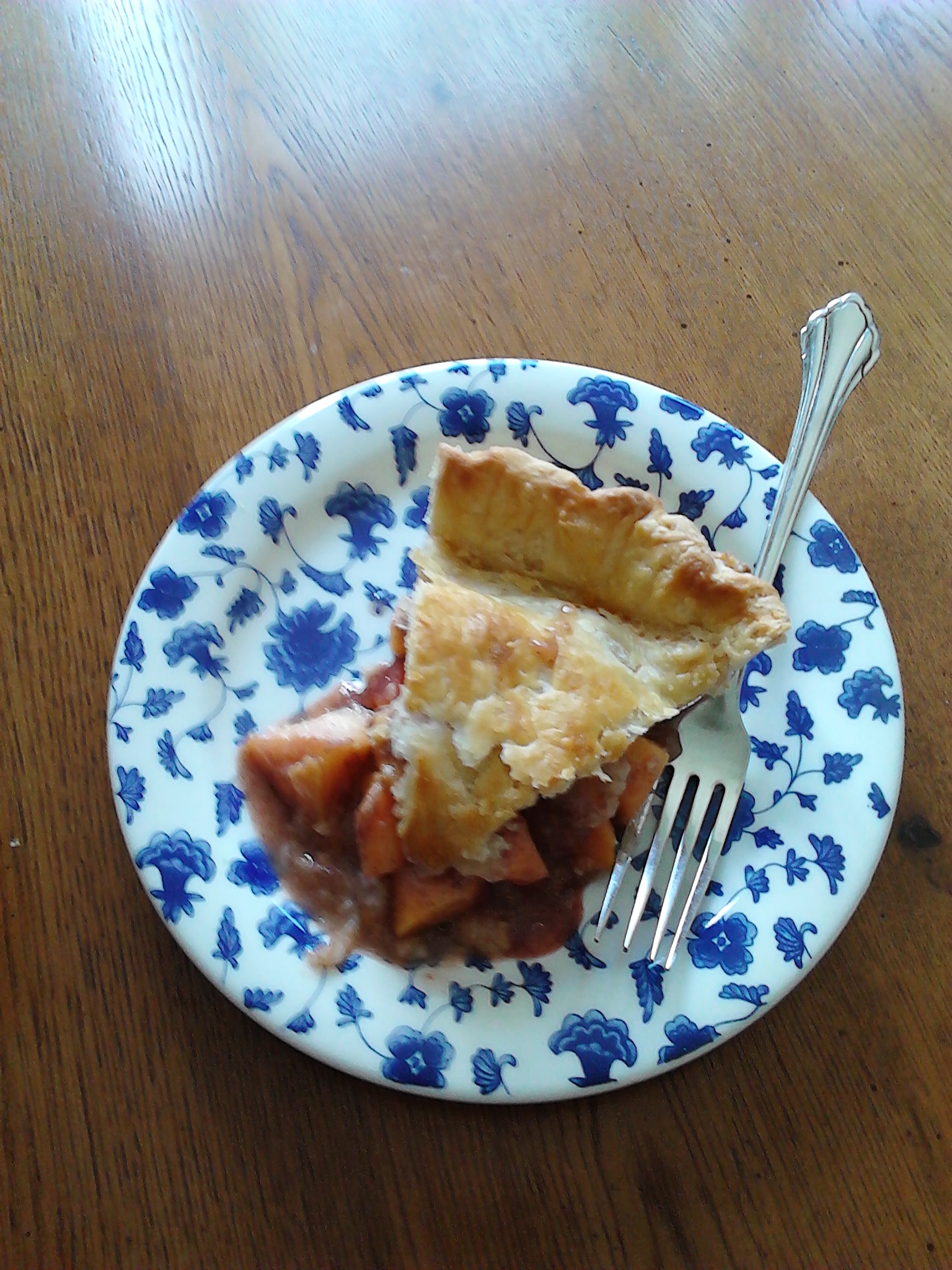
Juicy Peach Pie

It is the summer of 1929. John Welles and his girlfriend, Garland Griffin, take a trip to visit her father. It’s a big step in their relationship. She is opening up to John and showing a side of herself he never knew existed.

While visiting, Garland’s widowed father, Hugh, serves the couple peach pie he made himself. The following recipe is the inspiration for the pie in my novel, The Secrets of Dr. John Welles. Although Hugh is, no doubt, a very talented man, it was actually my mother who made the pie pictured throughout this post.

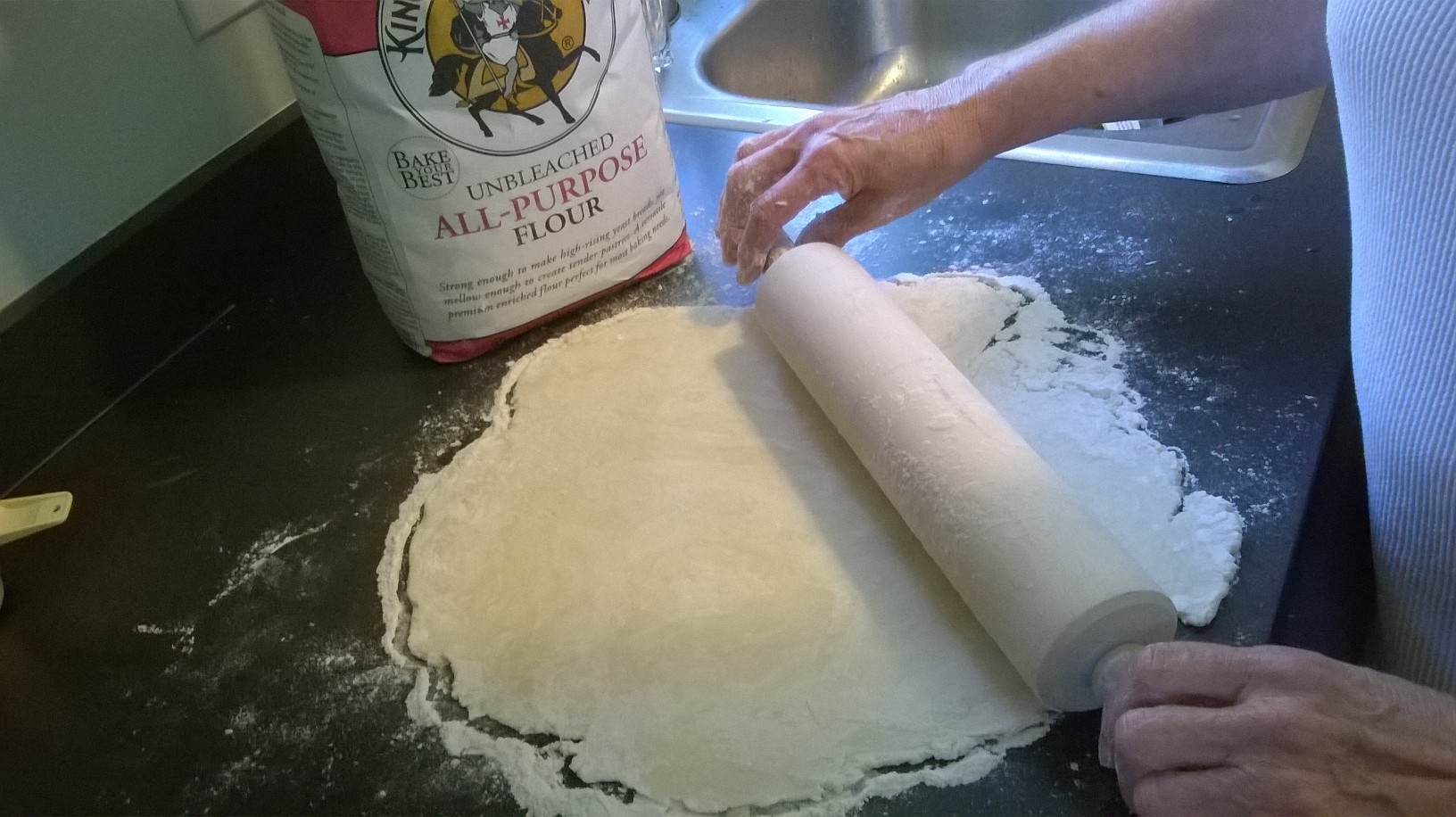
Lightly crisp, buttery, flaky, tender, mouth-watering pie crust is the hallmark of my mother’s pies despite the flavor of filling used. She is such a master at it that I don’t even bother learning how to roll crust myself. Shameful, I know.

Anyhow, I hope you’ll enjoy the peach pie as much as John and Garland!

Hugh Griffin’s Peach Pie

WP_20140908_006

Expert Rolling of the Crust

For the Crust:

2 c all-purpose flour

1 t salt

1 c cold butter, cut into ½ inch pieces

Ice water

Sift flour and salt into a bowl. Work butter into the flour/salt mixture until it resembles coarse meal. A pastry blender or two knives is recommended so mixture stays cool. Add ice water one tablespoon at a time forming a dough ball with your hands. Work quickly to keep dough from warming. Wrap in plastic wrap and refrigerate while preparing peaches.

WP_20140908_007

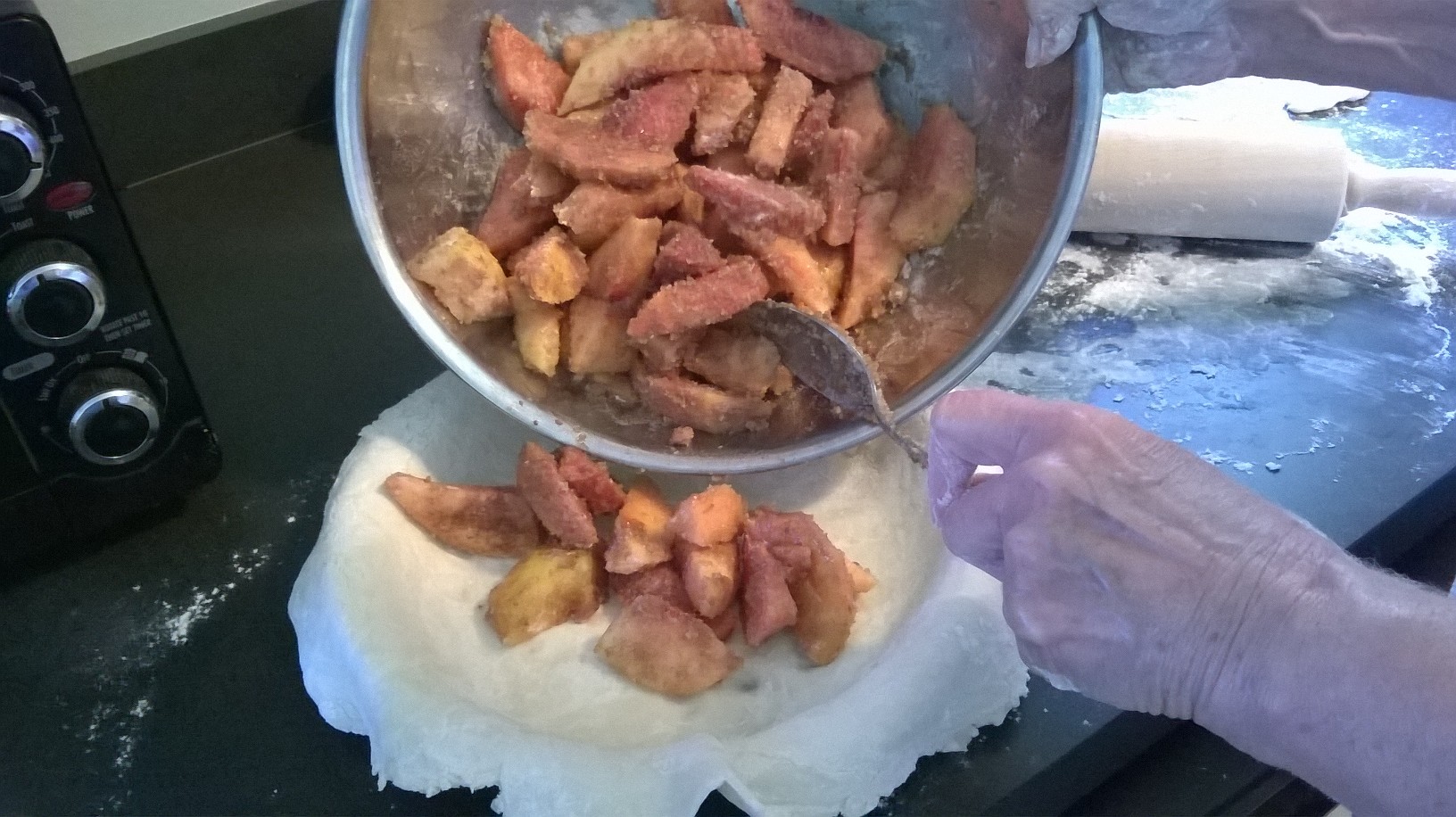
Adding Peaches to the Crust

For the Filling:

5 – 6 good sized peaches

5 T butter

¾ c sugar

¼ c flour

1 t vanilla

1 t cinnamon

½ t salt

Peel and slice peaches into a large bowl. Add sugar, cinnamon, salt, flour, and vanilla. Toss until well coated. Cover and set aside.

WP_20140908_010

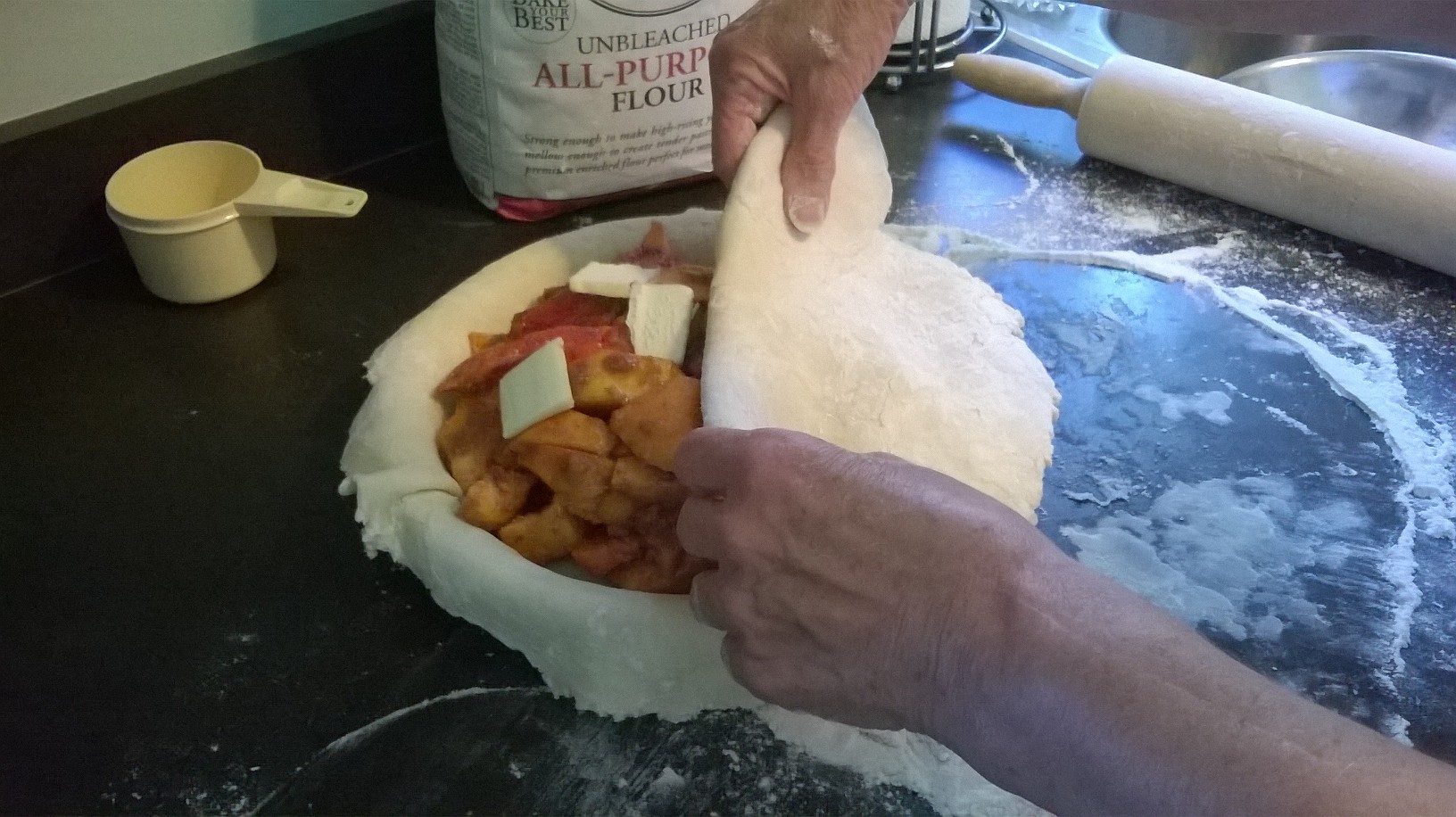
Perfectly Assembled

Assembling the pie:

Divide dough ball in half. Roll one half for a bottom crust to fit in a 9” pie plate. Add peach mixture and dot with tablespoon slices of butter. Roll top crust and place on top of peaches. Tuck the edges of the top crust under the edges of the bottom crust. Crimp edges with a fork. Cut slits in top crust to allow steam to escape. Brush crust with an egg wash (1 egg beaten w/ 1 t water.) Bake at 425 degrees for 25 – 30 minutes or until crust is golden brown, taking care not to burn the edges.

WP_20140908_015

The hand that rolls the pie crust rules the world!


Edible Fiction

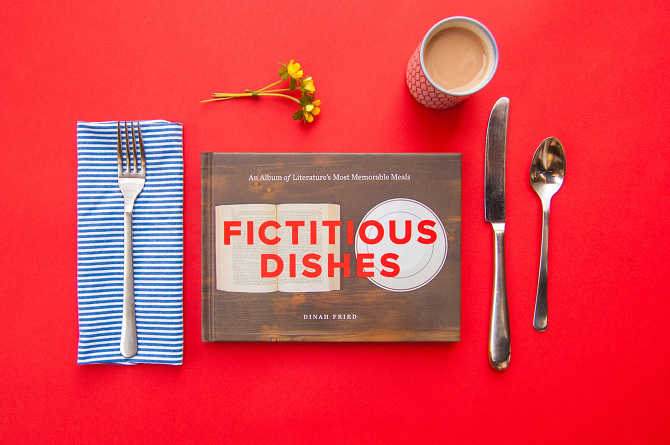
About a month ago, I had a brilliant idea for my blog:  feature the food in my novel, The Secrets of Dr. John Welles. That very same day, a patron at the library where I work checked out a book called Fictitious Dishes by Dinah Fried.

I could have been bitter, believing my brilliant idea to have been stolen right out from under my nose, but realized I was on to something good. I placed the book on hold and waited another month for my turn to read it.

In the meantime, I scoured my own novel for every mention of food. There were plenty. I’m not really surprised because I have always enjoyed eating. Also in that vein of thought, I love to feed my family and friends. It made sense that I fed my fictional people as well.

Based on this discovery, I decided to provide recipes and pictures of the food in my book. My goal would be to immerse the reader into the world of my main character, John Welles. Not to mention, it has been and will be incredibly fun to create the food, photograph the food, and eat the food.

Bon appétit!

Welcome to my Author Blog

Welcome to my author blog, Friend. I am so pleased you found me.

The overall purpose of my blog is to familiarize you with my writing, most specifically my novel, The Secrets of Dr. John Welles. I also write short stories and picture books. Recently, I decided to try my hand at middle grade fiction; the project is going well.

Following me is quite easy. Just click the +Follow button hovering in the bottom right hand corner of the screen or take advantage of the sign-up directly on the Home page. In addition to my blog, there are various ways for us to become better acquainted. I can be found on Facebook, TwitterPinterest, and Goodreads.

I look forward to getting to know you better.

HL Gibson, Author