A Day in the Life

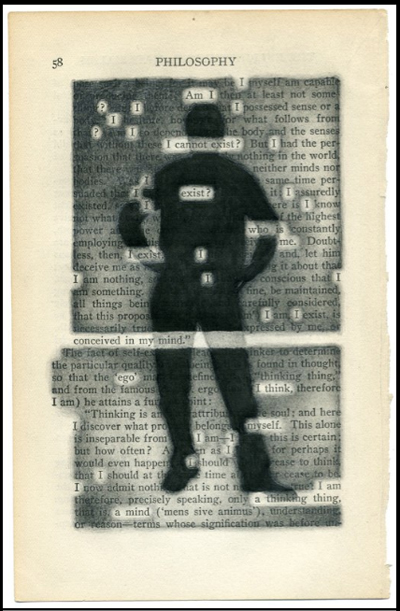
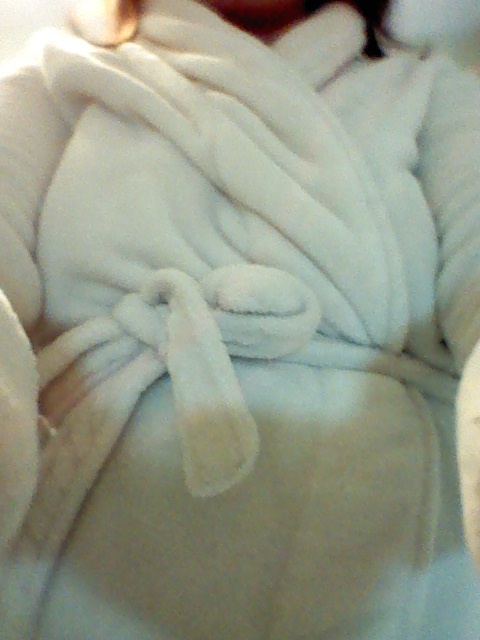
img_20160922_0851090761So the top portion of my uniform is back from the laundry. I sure hope they removed all the cat hair this time. I adore my cats, Henry and Simon, but let’s face it, they leave quite a bit of hair in places they shouldn’t. Like my couch and my uniform. It’s a good thing they’re light-colored cats or it would really show up! But I hear the laundress is an amazing woman. I believe she’s a writer, too.
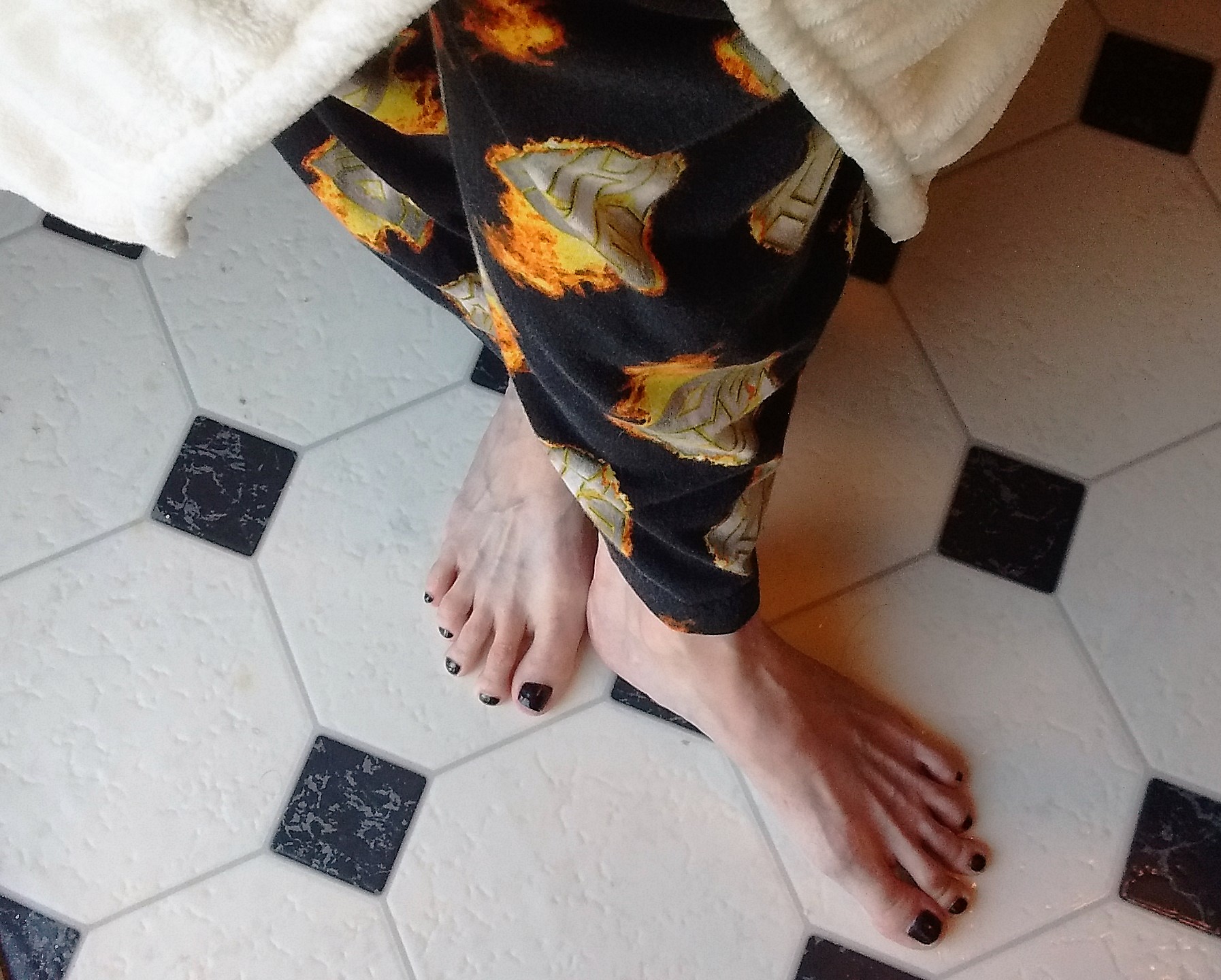
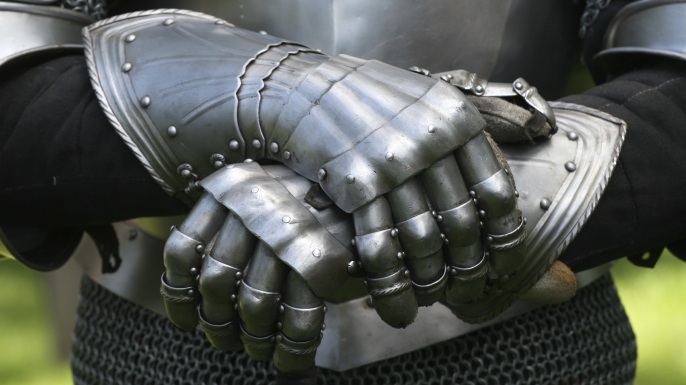
a-day-in-the-life-2Anyhow, I have to don the bottom part of my uniform because I have to stop working for a few moments to take the kiddo to school. For some reason, he doesn’t appreciate my choice of uniform pants. I tell him he has no sense of style. He rolls his eyes. What can you expect from a teenager? He comes home from school, wipes out the food in our cupboards like a ravenous locust, and has the gall to look at me in my uniform and say, “You haven’t showered yet?” The ingrate. Does he think all this writing happens by magic? And what does the kid have against the Autobots?
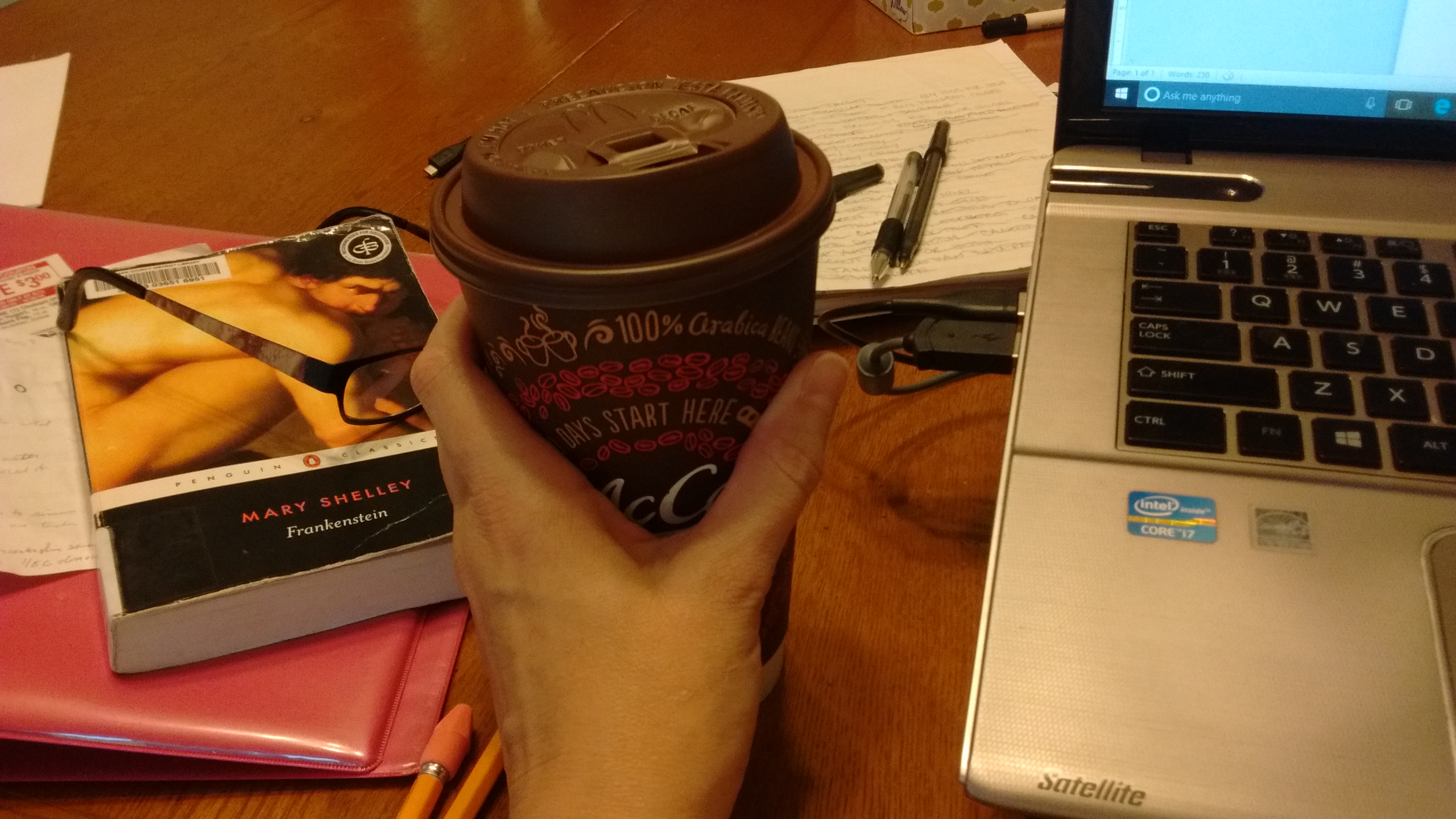
a-day-in-the-lifeAt least I can stop by the refueling station for some gas after dropping him off. I know some people prefer that pricey fuel with the fancy green mermaid on the cup, but I find my favorite establishment brews a tasty cup of java juice. Besides, I don’t require all that frou frou stuff to keep me going. The grittier the brew, the better the writing I always say. And depending on how good they did with mixing the perfect balance of coffee and cream will determine if I visit my other favorite libation in the evening to keep the writing going.

Now the really hard part starts: tending one’s social media without getting sucked in to cute kitten videos and all the political garbage flying around. Ten minutes is what I usually allow myself which means I’ll be on Facebook and Twitter at least an hour. My punishment is to stare at a blank screen for the rest of the day as I try to come up with blog posts, short fiction, and another chapter in my current WIP. One of the benefits of being a writer is that you get to use cool acronyms like WIP, POV, and MSWL.
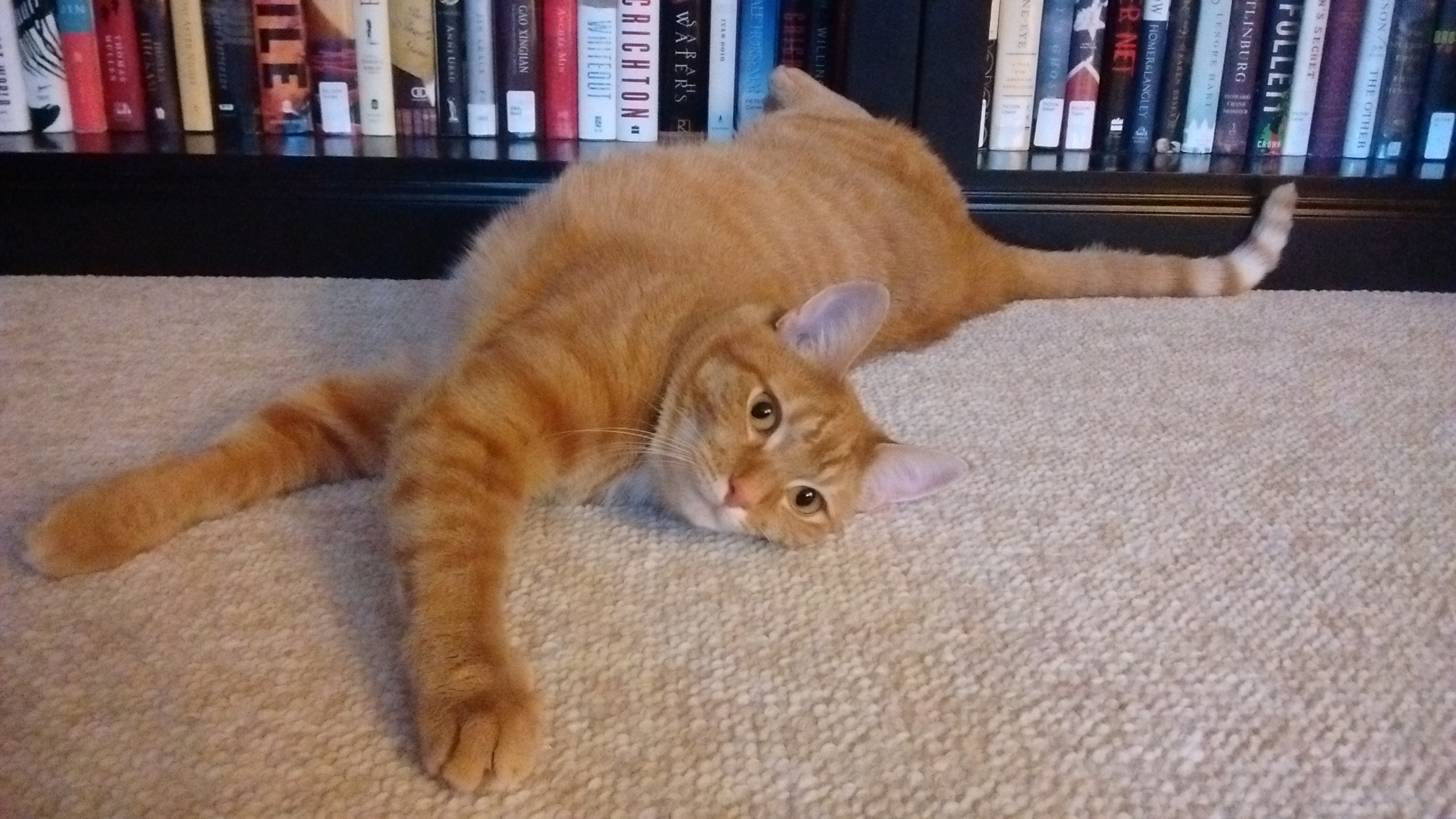
img_20160812_185540197So here I sit. Instead of fascinating storylines that will keep my readers riveted, all I can think about is the ten years’ worth of scrapbooking I need to do in time for my kid’s Eagle Scout Court of Honor. See how I worked a little shameless bragging in there? Another cool part of being a writer. Then there’s the weeding I need to do in the flowerbeds all the while knowing I won’t get to it until next spring when I plan on tearing them out anyhow, all the folding I need to accomplish because I was ill this past week and chores stacked up, decisions about what to make for dinner, wondering who will show up to Critique Group tonight, and my book club selection I need to finish reading. I need a nap.
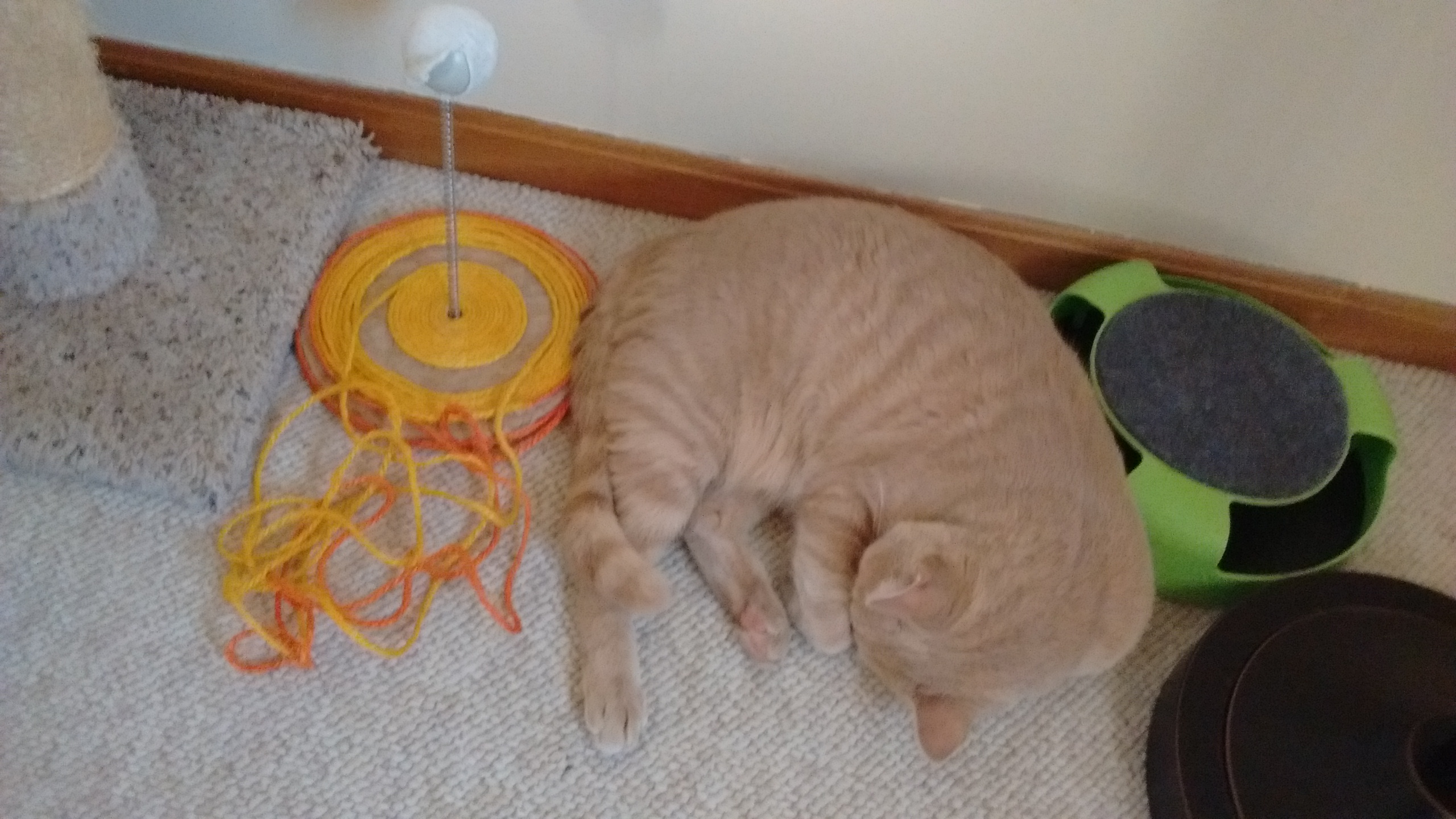
img_20160906_081749882Time to throw some glitter at the screen and hope the writing fairies show up. Or I could text my mother to see if she’s up. There’s a good chance that making contact with her early in the day will result in an invitation to breakfast. The best part is that I can wear my uniform over to her condominium association because no one over there cares what I look like when I arrive. Got to love the elderly and their screwy sense of fashion! Of course, Mom’s place is the black hole of comfy-ness, and I’ll waste the entire morning over there, accomplishing jack squat toward my writing. Perhaps I’ll just raid the kitchen for some cashews and press on.

Being a writer may sound like an easy job. After all, the uniform alone is a major plus. But imagine giving yourself really hard homework for the rest of your life. Not only do you have to create the task, you have to provide the solution. There are days you love it and days you wish someone would have hit you in the head with a ball bat or at least warned you what it would be like. It’s an addiction, and no matter how long a break you give yourself, you always come back to it. It is a vicious cycle, and the doubts and fears can pop up at any time even when you thought you’d vanquished them two years ago.

And yet, you can’t help but create, and when you remember that you’re part of an amazing group of people known as The Creatives, which also includes artists, musicians, photographers, etc., it helps you get through the long, dry spells of no ideas and rejection letters. Take comfort in the fact that unlike many people who only wished they had taken up the pen, you actually did. When querying feels like you’ve placed your beautiful baby in the public view and begged for someone to tell you everything that’s wrong with it, remember that you had the guts to query in the first place. You rock. I rock. Heck, we’re all pretty amazing when you get right down to it. If me telling you that isn’t enough, take it from people who have been where we’re all hoping to end up. (Writing Inspiration)

Now, go forth and create. I have to get back to staring at my blinking cursor.

Welcome to my Author Blog

Welcome to my author blog, Friend. I am so pleased you found me.

I’ve been hanging out here for several years with an amazing group of followers. It is because of them that my blog is going strong, and I want to take this opportunity to say, “Thank You!”

The overall purpose of my blog is to familiarize you with my writing. I enjoy creating novels as well as interesting and informative blog posts. In between all the writing, I am currently seeking representation for my manuscript.

Following me is quite easy. Just click the +Follow button hovering in the bottom right-hand corner of the screen or take advantage of the sign-up directly on the Home page. In addition to my blog, there are various ways for us to become better acquainted. I can be found on Facebook, Twitter, and Goodreads.

I sincerely hope you’ll join us. I look forward to getting to know you better.

HL Gibson, Author

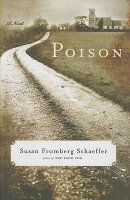
Poison by Susan Fromberg Schaeffer

PoisonSusan Fromberg Schaeffer’s novel, Poison, is a brilliant work of fiction; it is how all novels should be written. Poison explores the themes of love, greed, desire, human strengths and weaknesses, peoples’ perceptions of each other, and how we are molded by these perceptions. The author allows us inside the heads of a wide cast of characters and gives the reader the opportunity to decide who is good or bad, right or wrong. You’ll find yourself comparing the characters to your own friends and family all the while claiming, “I would never act like that.” The stream of consciousness style gives the reader the delicious, wicked sensation of reading someone’s private correspondence or diary. The letters between several characters heightens the experience.

Ms. Schaeffer employs the scenario of a death and a will like a bomb to set off a series of explosive events. It’s a situation many readers will find familiar. Like watching a slow-motion train wreck, one cannot turn away from reading the disastrous accounts of the characters’ lives. Your allegiances will shift throughout the book.

Poison is not a beach read. It is not for readers who want to plow through a book or those who want to be told everything up front with lots of action and a singular POV. But if you are willing to allow the story to unfold, the characters to develop and evolve, Poison will prove to be incredibly satisfying. I truly believe the novel will appeal to the intelligent reader whose mind can juggle multiple POVs, information given out of chronological order, and backstory appearing right up to the conclusion. It may sound like utter chaos, but I found Poison to be remarkably well-structured, one of the best works of literary fiction I’ve ever read.

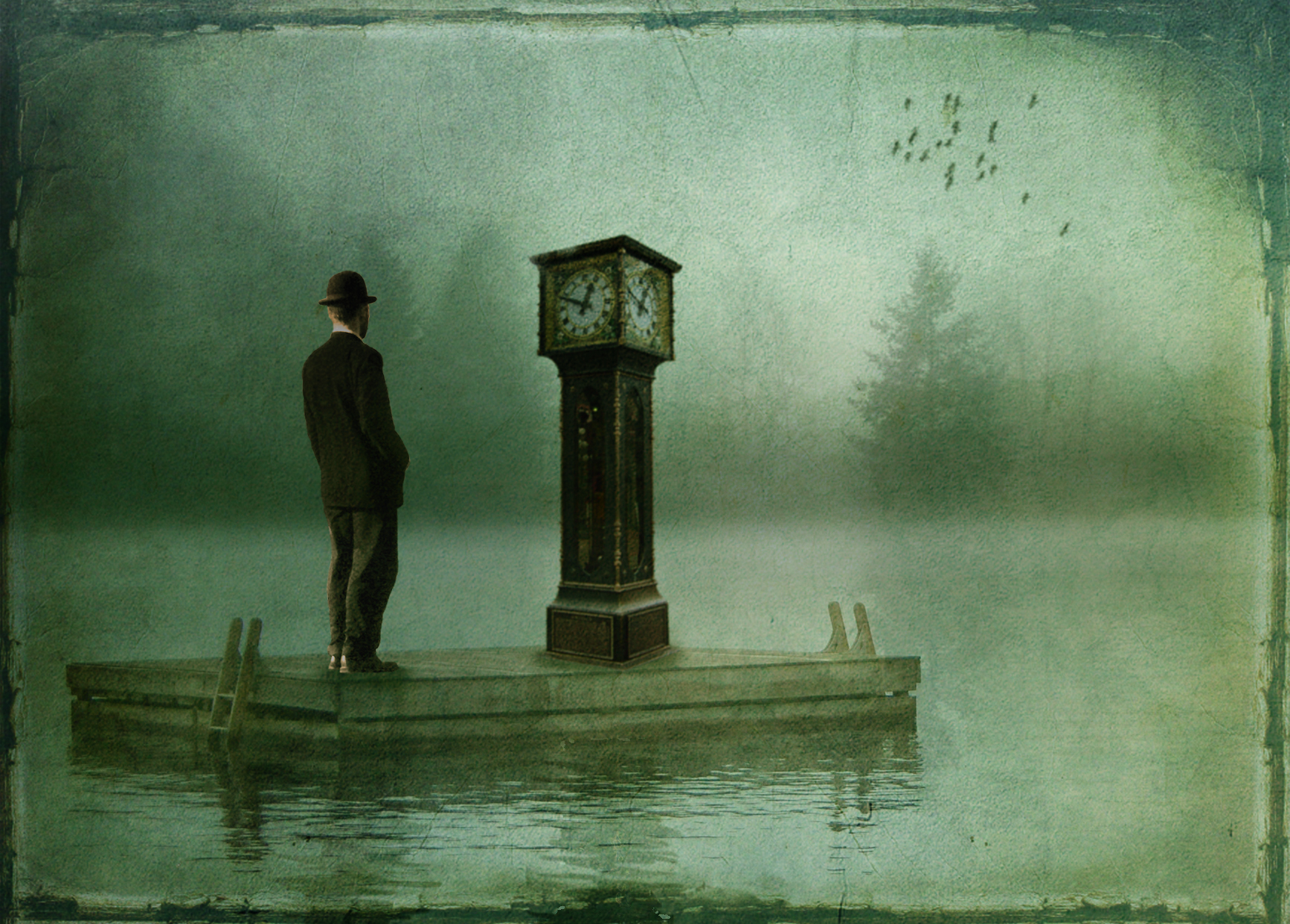
Three’s a Crowd

Three's a CrowdTwo words that are similar are enough to drive this writer crazy, but when there are three that actually give me pause concerning spelling, definition, and usage, well, that’s when the ole Google search bar gets quite a workout on my laptop. Today’s The Weight of Words focuses on eminent vs. imminent vs. immanent.

And by the way, I don’t really use my Google search bar to look up words. That’s what Grammarist is for. Per the website:

Someone or something that is eminent is of high rank, noteworthy, distinguished, or prominent. An accomplished world leader and a respected intellectual, for instance, are eminent.

Something that is imminent is (1) very near or (2) impending. For example, when the weather forecast calls for a 100% chance of thunderstorms, we might say that storms are imminent.

Something that is immanent exists within or is inherent to something else. The word is often used in reference to spiritual or otherwise nonmaterial things. For example, a spiritual person might say that God’s power is immanent to the natural world.

Though the three adjectives are not exact homophones, they are similar enough to engender occasional confusion. Immanent in particular is very often used in place of imminent in popular usage, and imminent and eminent are also frequently mixed up.

Clear as mud? Now go forth and use them!

Baring My Writer’s Soul – Part 15

Two days ago I started reading a novel by an author whose previous book I enjoyed. Admittedly, I only had one book by which to judge her writing, but since I absolutely fell in love with the story, I trusted that I would like other books she wrote. The first novel I read by this particular author was set in medieval Japan, a favorite era of mine, which scored the book high marks right off the bat. I didn’t have to labor at all to find the exciting parts as the writing was excellent and the story captivated me. Again, this alone shed a positive light on the second novel even though it wasn’t about Japan.

Writer's Soul 15Many years had passed between reading the two novels, but I had high hopes for the second one. The second book started slowly with very little dialog and page long paragraphs composed of rambling sentences from multiple POVs separated only by commas. It took some effort to follow whose thoughts were being expressed. But I’m no quitter. If I could read José Saramago’s The Double which has enormous paragraphs with only periods and commas even when it’s dialog, and ended up being one of the best books I ever read, then I could finish this book.

One of the first things I checked was where in the lineup of publication this particular book stood. It’s number fourteen for the author which is quite impressive. There was a reason to keep going. If publishers believed the novel worthy of printing, then I should probably press on. I mentioned this to my husband, and it generated a question we’ve debated before. Is there a certain place in an established author’s career when no matter how mediocre the book may be it will still be published based on his or her prior success and/or reputation?

I’m tempted to read this author’s first and second books. They were published several decades ago, and I wonder how the writing may have evolved over time. Is it better, worse, different? Was the author simply trying something new, something she always wanted to do but didn’t dare attempt until she was established enough to trust that her work wouldn’t be rejected? Or does this later book reflect the change in tastes among readers?

In either case, I’m going to be fair to this author and finish the book. There have been less than five books in my lifetime that I was unable to finish. Also, I’m willing to allow an author some grace as she builds up to the pinnacle of the story. I trust that fourteen books later, this author knows how to write worthy of my attention. There are slight mysteries and questions that have been posed, and I cannot set the book down without discovering what they are.

I mention all of this to lay some groundwork for the real issue I want to discuss. It has to do with query letters, synopses, and first page or chapter critiques experienced by new authors. If the book I’m reading was a first novel, without an established reputation backing it, to be judged only on a query letter, synopsis, or first chapter, regardless of how brilliant those items may be written, it would be rejected outright.

A person simply cannot focus on a tiny glimpse of someone’s writing taken out of context and judge whether or not the entire work is worthy of publication. And yet, this is exactly what it done during pitch sessions at writing conferences and in agents’ offices on a daily basis. How much brilliant writing is bypassed because an agent, editor, or publisher wasn’t aware of all the narrative forces driving the story as it unfolds to reveal its true shape?

I fear that what I’ve termed ‘fast-food thinking’ has negatively influenced the art of writing and publication of said writing. Everything in life takes place at the speed of light so that our desires receive instant gratification. Just as quickly, we move on to seek the next tantalizing thing without ever realizing that we aren’t truly satisfied. The more we seek, the more things need to be supplied to fulfill the vicious whims of demand. And if you are the person who can do it bigger, better, faster than anyone else, you’ll probably be the one to make boat loads of money. So what if quality suffers? Well, that’s the problem I’m leading up to.

Let’s step back for a moment and analyze why this fast-paced process isn’t working. Let’s start with the writing. Great writing takes time, and if people have bought into the lie that time is money, then great literature is in more danger of becoming obsolete than even I thought possible.

There has to be a better way.

Writing is a major investment of passion and time. It doesn’t follow cookie-cutter formats and spew out copycat books, it doesn’t happen to make the writer rich, and it doesn’t exist for the express purpose of becoming a movie. Writing can be summarized for book flaps and reviews, but if that was all it took to satisfy a person, the writing wouldn’t have become a book in the first place.

It’s time to trade in ‘fast-food thinking’ for ‘stop and smell the roses reasoning.’ If anything worth having is worth waiting for, then I propose allowing this lesson in patience to be applied to how books are evaluated. Furthermore, as a society, we must no longer tolerate being spoon fed our entertainment especially where books and/or writing is concerned. Readers must also slow down and appreciate the treasures they hold in their hands when they read a book.

Of course, I’m open to suggestions on how to make this process work better, not just easier. In doing so, we’ll not only rescue writing from being destroyed, we’ll stop this process from encroaching upon other forms of art.

Write Happy!

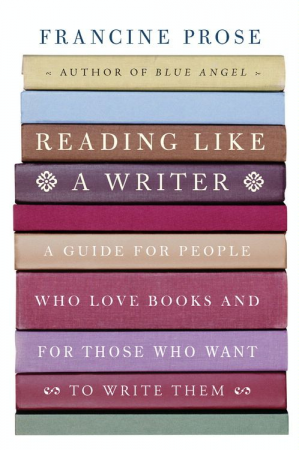
Reading Like a Writer by Francine Prose

I first spied Francine Prose’s book, Reading Like a Writer, while shelving at my former job. I sneaked a few moments to read the first few pages and Reading Like a Writerinstantly fell in love. The sentence that resonated with me, “Like most–maybe all–writers, I learned to write by writing and, by example, by reading books,” combined with, “Long before the idea of a writer’s conference was a glimmer in anyone’s eye, writers learned by reading the work of their predecessors,” confirmed for me that I had found a kindred spirit. Her passion for reading and writing and the process of learning by indulging in both was the best piece of advice I had ever heard. Mrs. Prose’s comments awakened in me what I always believed to be true: great writing is an organic process that comes from creating beyond outlines and plot-pointed structures with perfect character arcs.

Great writing begins with close reading and follows with careful consideration for every word that will become a sentence, which will become a paragraph. This isn’t to say that Mrs. Prose or I believe writing should be utter chaos without any structure, but I trust if one applied her approach to their own writing, he or she would see amazing growth in how they create characters, employ narration and dialogue, and present details and gestures.

Woven throughout the book are examples from great writers that will back up what Mrs. Prose is teaching. You don’t need to be familiar with these authors or their works to appreciate them. Another reviewer I read proclaimed his dislike for Mrs. Prose’s book because he didn’t know any of the referenced works. I suspect he thought Mrs. Prose was being pretentious; I encourage you not to be intimidated by her knowledge but rather delve into the suggested reading list as soon as possible.

Another aspect of the book that appealed to me is Mrs. Prose’s admission that while there are rules in writing for the express purpose of guiding us, rules are, essentially, meant to be broken. And if you’re brave enough to ride off the reservation of writing rules, make sure you’re breaking them brilliantly.

Regardless of your preferred writing style or approach thereof, I highly recommend reading Francine Prose’s book. I would be truly surprised if you didn’t take away something positive from the experience.

Baring My Writer’s Soul – Part 14

Writer's Soul 14I’ve been thinking quite a lot about my writing, and I don’t mean in quantity. Rather, I’ve been thinking a lot of different things about what my writing is or isn’t.

It started last year around November when my novel was technically finished. There were a few minor points that needed to be re-researched (is that even a word), and I had a wonderful research librarian who I met at the Conneaut D-day Reenactment assisting me. The whole process was starting to bog me down. I began to hate it, resent it, and wanted to dig a deep hole in my back yard in which I could bury my book without any witnesses.

The holidays were coming, and since much of the preparation for Thanksgiving, Hanukkah, and Christmas fell to me, I really didn’t have anything left to give my writing. I didn’t want my writing to suffer, but I felt so guilty about setting it aside. After all, what kind of writer would I be if I wasn’t writing every single day? Good question.

While wrestling with this dilemma and wanting to be able to focus on all the fun that comes with the holidays, I ran into our pastor’s wife at the local grocery store. After the usual pleasantries, she asked after my novel. I told her what I’ve already mentioned above and concluded that I wish someone would give me the permission to quit for a little while. If I could just take a break, I knew I would go back to writing in January once I was refreshed.

She looked at me and said, “Heather, I give you permission to quit.”

Even now I laugh at how easy it was for someone else to grant me the grace I needed to give myself but was unable to. And guess what? I did go back to the writing and research in January as I promised myself I would. In fact, I attacked it with renewed vigor and produced better writing than I would have had I pressed myself to go on through November and December. What’s more, I enjoyed it!

So what’s the point of this blog post you may ask? It still scares me somewhat that I took off two months of much needed rest time. There are so many writing books, and I imagine books devoted to other forms of art, that will tell you to create every day without fail. Are these people right in tasking others in this way?

Yes and no. If I said it once, I’ve said it a thousand times. You have to find out what works for you. Thankfully, the day I returned to writing coincided with Chapter 11 of Heather Seller’s book, Page After Page. The writing exercises in this chapter were wonderful for getting me back on my rails. You’ll understand this better when you read the book which I highly recommend you do.

The funny thing was, while Chapter 11 worked for me, I recalled that before the holidays, Chapter 10 flipped me out. This is the beauty of the book. The next time I read it, Chapter 10 may be exactly what my writing needs. All this to say, don’t be afraid to embrace the bad (insert chosen art form here) because you may uncover a gem on the way to the good (insert chosen art form here).

In doing so, your creativity will flow and your art will come naturally. There are going to be different amounts of flow, and that’s to be expected. Don’t despair over these days even if they extend into weeks, months, or years. Begin again in small ways, flex your creative muscles, and build up to your peak performance like an athlete training for the Olympics. You will achieve gold.

Write Happy!

Dream Cooking

Dream CookingThe weather in Northeast Ohio has been bitterly cold lately. We’re paying for the month of December when we ran around in shirtsleeves and windbreakers. Personally, I’d rather spread out the bad weather instead of having it dumped on us all at once.

The cold puts everyone in the mood for soup, stew, or chili. Recently, my husband’s family all met at his parent’s house where everyone enjoyed a delicious ground sirloin and root vegetable stew. I took two loaves of bread which we cut into huge chunks for sopping up broth. The evening was a perfect blend of good food, great conversation, laughter, and reminiscing.

Today I’m making a pot of chili to combat the falling temperatures. Every family has their own recipe, or rather non-recipe, of ingredients combined without measuring until the chili tastes the way it’s supposed to. As I chop the onion and green pepper, press the garlic, I think about my Swedish photographer friend who I met on Twitter.

I came late to social media because it served no purpose in my life. If social media couldn’t allow me to hear my friends’ laughter, dry their tears, feel the warmth of their hugs, share a glass of wine or cup of tea, or lend a shoulder, then it held no value. Why would I even consider it when I’m the person who complained that e-mail doesn’t allow for the tone of voice to come through and it leads to too many misconstrued statements and hurt feelings? I’m still extremely cautious about what I type in posts, e-mails, tweets, etc.

Then one day I had to take the plunge into Facebook, Twitter, and a blog for the sake of my author platform. I’ll cut to the chase and admit that’s it’s proven to be successful and quite fun. Also quite addictive, so remember why you signed up in the first place. Don’t ignore the work, writing in my case.

But the most important part of my social media experience has been the connections I’ve made with people I’ve never met, only seen in the little photos they use as their profile icons, and never heard speak. They’ve become real friends, and it’s them I’m thinking about today as I cook.

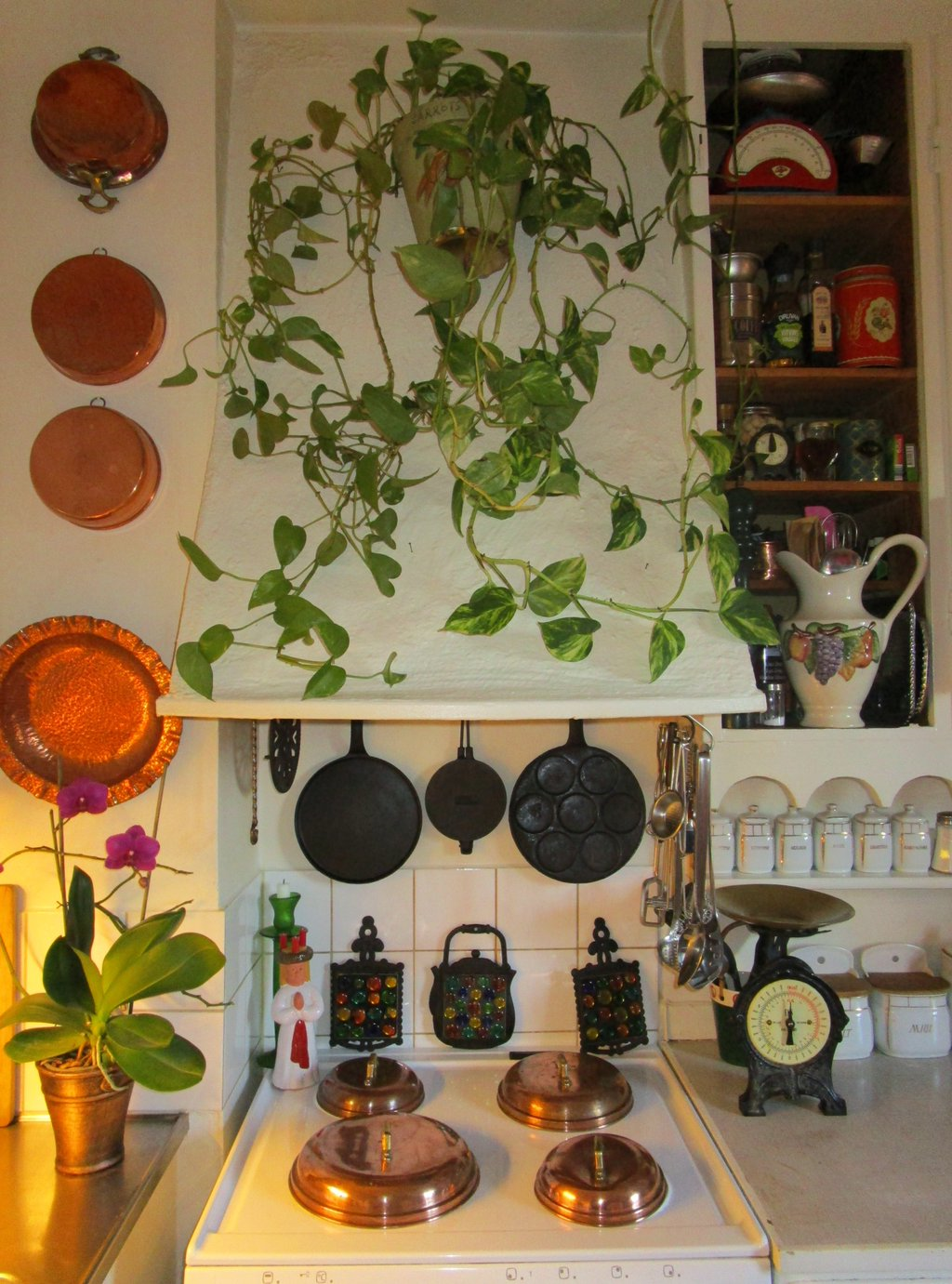
I wrote a post about apple pie not too long ago, and the friend I mentioned above commented that it’s a favorite in Sweden as well. She tweeted a picture of her beautiful kitchen, and I instantly fell in love with it. I replied that someday, we would cook together in her kitchen. She agreed…someday.

Ever since that tweeted conversation, I have dreamt about the two of us baking together. We would probably start with apple pie, while laughing and chatting at her kitchen table, hands warming around mugs of tea. We’ll take turns peeking in the oven, mouths watering, as we anticipate the rich dessert.

My imagination doesn’t end there for I’ve made other wonderful friends online. My handsome photographer friend from India breezes in without knocking because all are welcome here. He arrives from whatever exotic location he was photographing. A touch of mystery swirls in on the chill breezes, and we laugh and scold him to shut the door. After much foot stomping to knock snow off his boots, he sits at the table with his own mug of tea. No apple pie yet; it’s cooling on the counter.

Right behind him, my American poet friend knocks politely before poking his head in and calling hello. His online presence is so kind, so thoughtful, that I imagine him as soft spoken, warm, and gentle: a perfect blend of Robert Frost and a favorite uncle. His photography includes familiar pictures from daily life. That, too, is comforting. He joins us at the table, eyeing up the cooling pie.

Three more photographer friends arriving from India, America, and Finland join us as if they lived right around the corner. There’s enough room around the table that’s magically big enough to accommodate all of us. Many hands participate in the preparation of a pot of something savory now simmering on the stove. Fresh bread is baking. The men demand dessert; the ladies smile and say not until after dinner.

Then my writing friends drop in. I’ve invited them to meet the photographers. The first is a lion-hearted writer with a terrific smile. Then my comic-loving writer friend and my successfully self-published writing friend from England join the United Nation of Artists gathered at the table. Just as the table is being set for dinner, my part-scientist/part-writer friends hustles in. He laughs and says the weather is either cold with too much snow to shovel or hot with too much grass in need of cutting.

Chairs are added to the table, writers squeeze in between photographers, dinner is served. Conversation is replaced with murmurs of satisfaction. The stew is delicious. Suddenly, the door bangs open announcing one more writing friend to add to the mix. She apologizes as she wriggles out of her coat, tosses her snow-crusted gloves on the warm stove, brushes her long brown hair over her shoulders, and finds an empty spot at the table meant just for her. The t-shirt she wears catches every eye; it’s printed with the naked torso of a man staring just below the chin and ending just below his navel. Grins of appreciation for the intriguing shirt leave no doubt in which genre she prefers to write.

After dinner, as friends turned family push back from the table claiming they have no more room for another bite, dessert is served. Coffee and tea are refreshed. A pie that normally would have served eight at the most transforms into miraculous bounty. There is enough for everyone to have seconds. It is around midnight, and everyone’s spirits are still high. All heads turn at the sound of the door opening one more time.

The last friend to join our impromptu party has been out walking, planning paintings, sussing life’s situations, and enjoying his retirement. His wandering has brought him home, so to speak. Everyone presses him into a chair, places stew, bread, and pie in front of him, and asks after his wellbeing.

I sit back and listen contentedly as writers, photographers, and painters blend perfectly. Art talk abounds. Mugs of warm beverages have given way to glasses of wine. We’ve already started planning our next meal together.

Slowly, each friend fades from view, disappearing in the steam rising from the pot of chili I am stirring. But I can still sense them with me. I say still even though I haven’t met them yet. Someday. Someday it will all start with an apple pie baked in a beautiful kitchen in Sweden.

~~~~~

Thank you to my wonderful friend, Rosita Larsson, for the picture of her beautiful kitchen which inspired this post.

Throwing Down the Gauntlet

Throwing Down the GauntletToday’s blog post originated with a challenge from fellow author, Lucy Flint. I had never heard of the 7/7/7/7 Challenge, but I accepted after reading the rules.

The challenge is extended from one writer to the next. Those who accept 1) locate page seven of his/her current Work in Progress (WIP), 2) count down seven lines, 3) include the next seven lines from his/her WIP in a blog post, and, 4) challenge seven different writers to do the same.

Sounds painless. Furthermore, if I can’t stand up to critiques from fellow authors and followers, what will keep me from crumbling when professional reviews of my writing start rolling in? So, without further ado, here is the appropriate portion to satisfy the challenge from my current WIP, a short story currently titled “The Shape of My Dreams”:

“Excuse me, counselor, but you’re the one who recently lectured me about saving money, especially for our upcoming vacation, and suddenly you have endless funds for decorating. If you’re going to spend money on something, why not upgrade that old door lock with a nice digital security system?”

I throw back the covers and storm off to the bathroom. Mark follows.

“I don’t want to go to Cancun and don’t start on me about the age of this building,” I say around a mouthful of toothpaste.

“Why not?”

Hopefully, you can tell that this argument between my protagonist, Ellen, and her boyfriend, Mark, is not going well. Mark’s snide use of her profession against her only serves to heat up their fight. This story is still largely in my mind and appears in disjointed chunks in my notebook. Accepting this challenge has inspired me to complete it.

Now, I’m nominating:

1) JS Mawdsley (Once for J)

2) JS Mawdsley (Once for S)

3) William Frederick

4) Carrie Tangenberg

5) Marie C. Collins

6) Mark Tilbury

7) Clay S. Robinson

There is absolutely no pressure or obligation to participate if you don’t feel ready to at this time.

Description-A Writer’s Friend or Foe?

dearada_typepad_com_dear_ada_images_2008_01_15_experience_261_artFellow author Mark Tilbury tossed out a question that is often on my mind as a reader and writer. In his post, Have Books Lost Something With Their Lack of Description, Mark asks us our opinion on today’s style of writing.

We’ve all encountered the “massive blocks of descriptive prose” to which Mark refers. Sometimes they truly are too long, too irrelevant to the story, too purple, etc., etc. I have skimmed such passages in search of the storyline and/or dialog that would put me back in the story.

However, because we’re all friends and adults here, I’m going to say that I disagree with the notion that description is informative but unnecessary. I hear all the time that the reader shouldn’t be led around by the nose; he/she should be given the opportunity to imagine the story. As an avid reader, I can honestly say that I have never felt this way about descriptive writing. On the contrary, my imagination was enhanced and grew because of the description I read including that written about journeys and the passage of time.

The key is that writers need to learn the perfect balance between too much and enough, the fine line between well-written, well-placed prose versus that which is encumbering, unnecessary. This seems like a daunting task, but I believe it can be achieved by not reducing writing to a formulaic method. In doing so, authors will elevate writing back to the level of artistic recognition it deserves.

85806_Ashford_1_122_526lo_122_526loI have never read Stephen King’s book, On Writing, but I would have to agree that abundant description about a character’s acne would be tedious. If that acne-plagued character traveled by canal boat from Pennsylvania to Ohio, then I would love the benefit of description. I would look forward to a word picture painted by the author that draws me in to the sounds, smells, and sights of the trip. It would be a perfect place to introduce traveling companions, a time for the protagonist to reflect, an opportunity to build the tension that so deliciously moves the story forward.

Even if none of the above-mentioned suggestions occur, as a reader I would still enjoy the mental images of traveling with the character, and I believe an important part of the writing would be lost if these well-written descriptions didn’t occur. As Mark mentioned in his post, they are an art form unto themselves. Like all art, value thereof still resides in the eye of the beholder, or in this case, the reader. Well-written description can exist purely for the sake of entertainment.

I have to wonder if writing hasn’t gone the way of food preparation in that we no longer know how to linger over a book in the same way that we forego multiple course meals and choose to patronize fast-food restaurants. I read because I enjoy the slower pace, and while there is a place in my fa9bbdedb5103e7f31a0893eff84ed56reading diet for the occasional literary Big Mac, more often than not, I opt for the balanced meal of description, dialog, prose, and narrative.

Now I don’t want to start a fight with screenwriters because I truly do appreciate their craft. However, using what worked in an action-packed movie and applying it to writing has resulted in fast-paced novels written with the singular hope of being turned into a movie. This has diminished writing for some of us. This influence has led to the removal of poetry and painting (mental images) from writing resulting in flat, hollows stories. Let movies be movies, appreciate them for all that they are; and let books be books, treasures not to be rushed through.