Juicy Secret

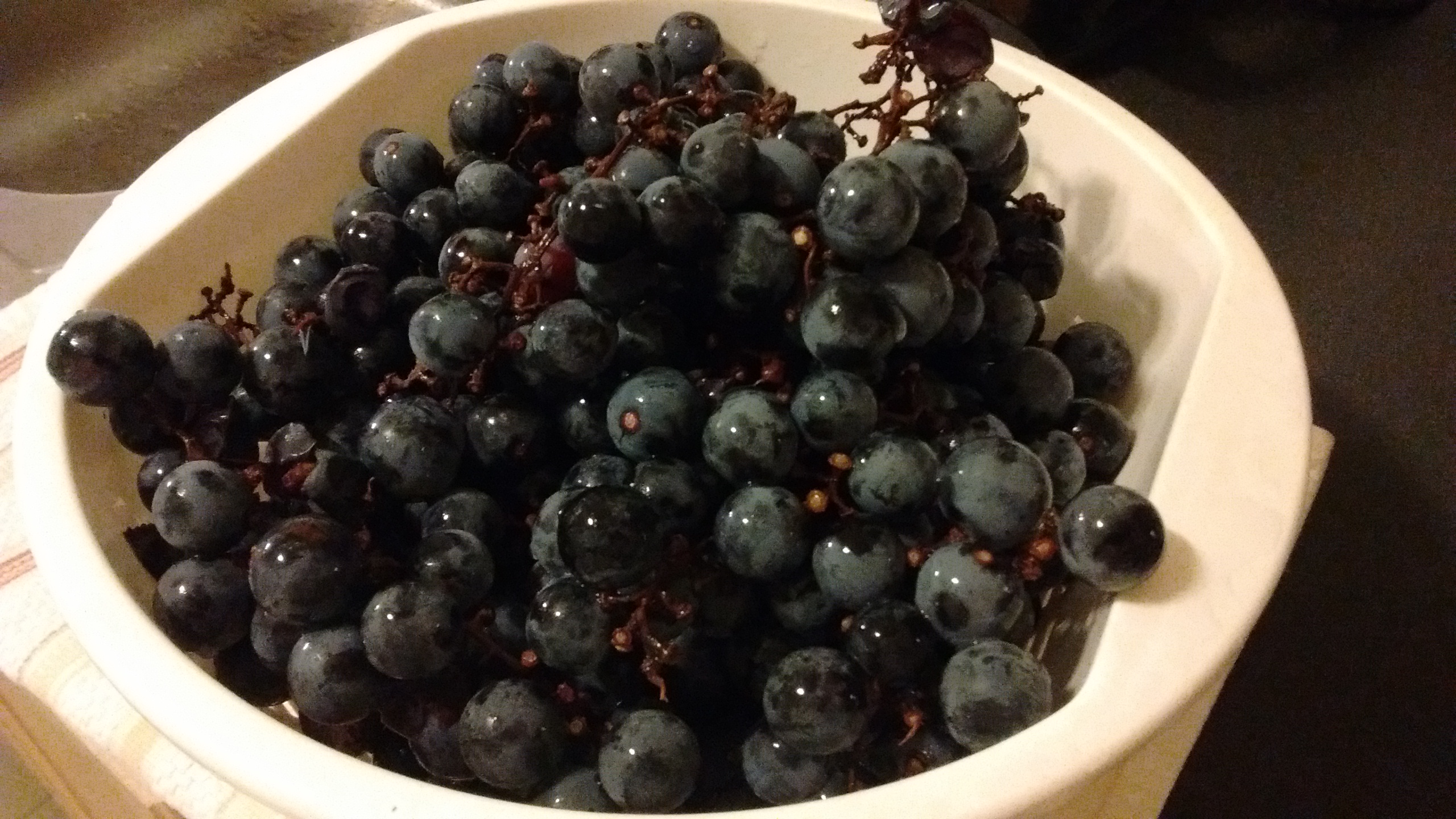
img_20161018_200827945January of 1958 found Dr. John Welles alone and bored. He could usually count on the weather to keep him busy with the typical winter illnesses of colds, sore throats, and flu, but the residents of Addison were driven inside to hibernate much like the doctor himself. After a vigorous round of house cleaning and catching up on his pleasure reading, Dr. Welles was saved from his tedium by a dinner invitation from Reuben and Hannah Wise.

The Wises were humble people who offered the very best they had to Dr. Welles including homemade grape juice to drink with dinner. When the tangy beverage was incorporated into the dinner blessing, Dr. Welles suspected there was more to his neighbors than met the eye. But it is the Wises’ request made during dinner that truly shook the foundations of their friendship with the doctor.

There really isn’t a recipe for making grape juice; it’s more of a quantity issue. For the sake of this post, I used two one-quart containers of concord grapes which yielded exactly 3 ½ cups of juice. After tasting it, I can see why people make it in large batches to drink on the spot and/or can it for the winter.

Whether picking or purchasing grapes, place them in a colander and rinse thoroughly under cold water. Discard any grapes that are insect damaged, smashed, moldy, shriveled, or imperfect in any way. Remove the good grapes from the stem and place them in a pot large enough for your desired quantity. Some people prefer to add just enough water to cover the grapes for the cooking process, but I find this weakens the flavor somewhat.

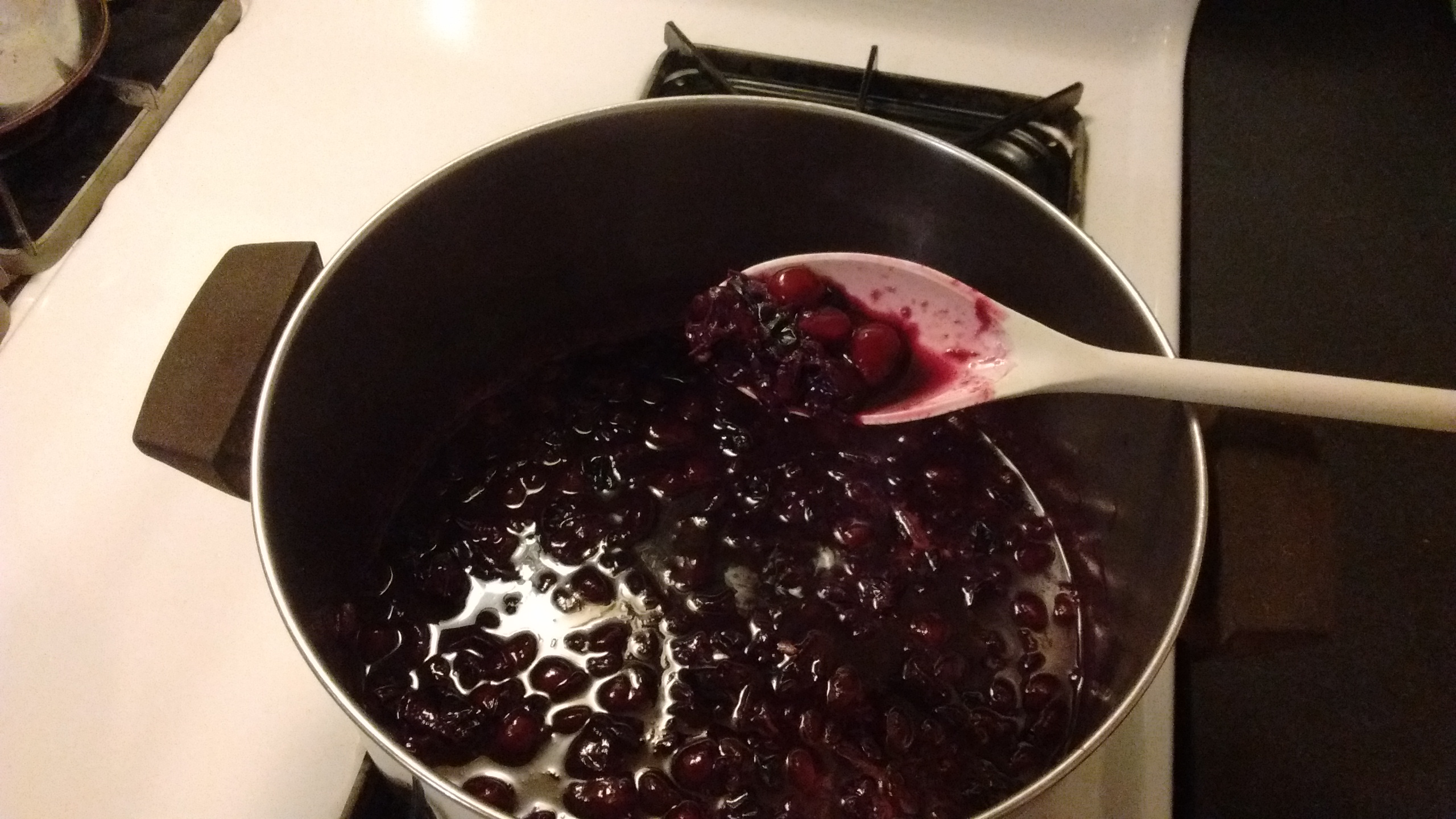
img_20161018_204844113Mash the grapes with a potato masher and bring to a simmer over a low heat. Don’t heat them quickly or boil them. Stir frequently to keep the grapes from sticking to the bottom. Once they reach a decent simmer, time them for ten minutes. Mash the grapes again half way through the cooking process.

Carefully pour or ladle the smashed grapes through a fine wire sieve, with or without cheesecloth, which has been set over another pot or bowl of adequate size. Gently stir through the mash to extract all the juice. Depending on your quantity, you may need to finish this step in the refrigerator overnight. Allow any sediment to settle to the bottom. Straining the juice once more through cheesecloth will ensure that most of the sediment is removed.

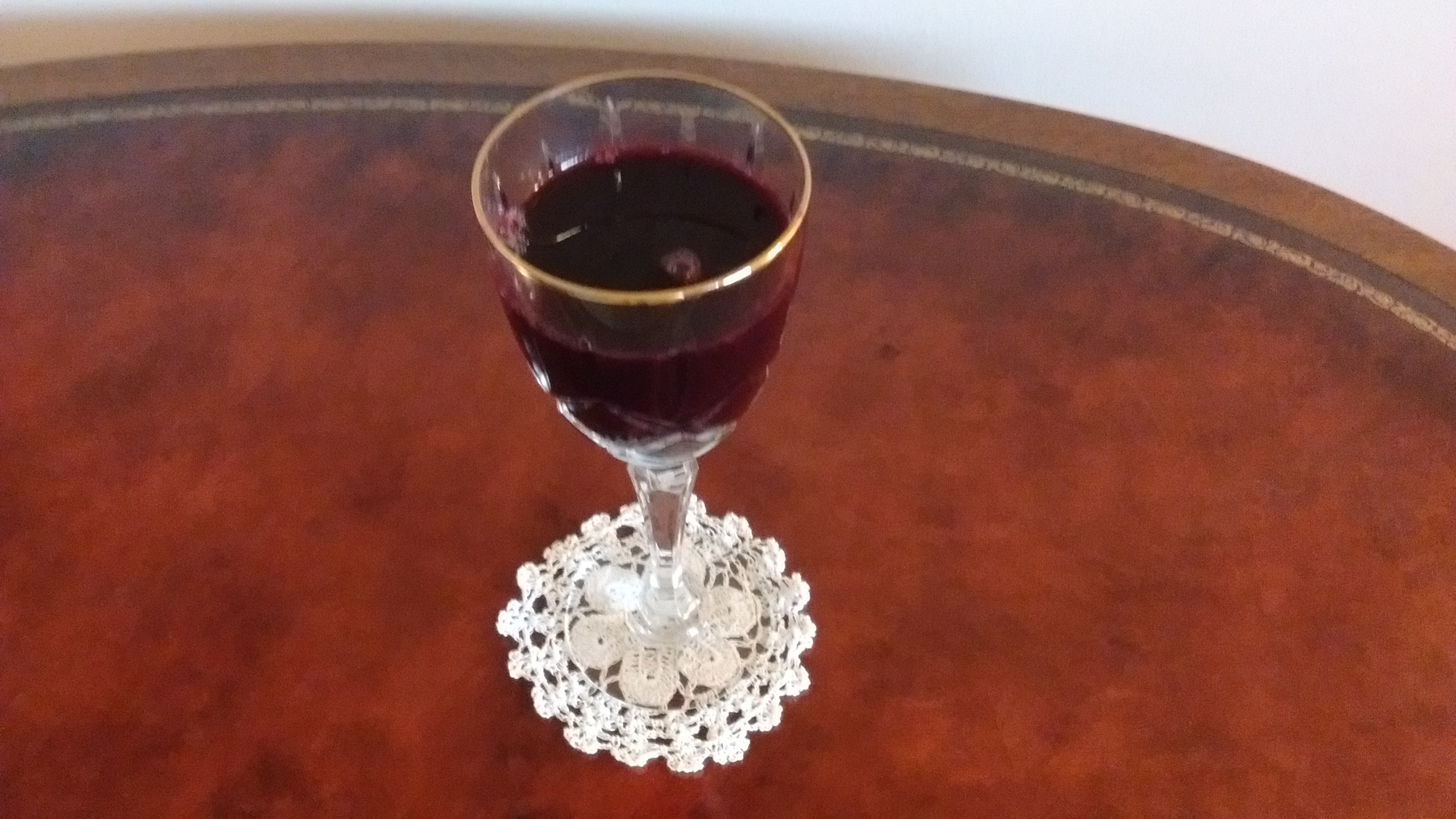
Depending on your taste, you can add sugar to the grape juice or drink as is. I added two tablespoons of raw sugar to the above-mentioned quantity, but really, it’s up to you. I recommend adding any sweetener while the juice it still warm. At this point, you can chill it to serve or can it for later.

Enjoy!

img_20161019_081301021

Learning Curve

learning-curveMy husband and I always try to present a good example for our son, Joshua. So this year, we decided to get down to brass tacks and build a sukkah. After all, we wanted to be obedient followers. William started by searching the Internet for suggestions on how to build one and found many companies that sell plans and/or frames. They were expensive. Next, he looked up the cost of PVC pipes and fittings with the intention of building our own frame. He must have looked at the price for 1/4” pipes because when we arrived at Home Depot, the pipes that would actually create a frame to withstand a gentle breeze were somewhat out of our price range, especially with all the cash we’ve been shelling out for our son’s upcoming Eagle Scout Court of Honor. We were not deterred.

We took encouragement from a friend who suggested building a sukkah over an existing frame such as that for a cabana. The Gibson household doesn’t own a cabana. We have a pup tent. Back to the drawing board. At least we had a ton of Chinese silver grass to cover the top of our sukkah once we built it. Another Facebook friend suggested chili pepper lights. I don’t believe we’re going to do that.

So, limited by funds but spurred on by faithfulness, William and I walked up and down the aisles of Home Depot looking for sukkah ideas. We found the prairie-style windows we’d like to have some day, the pegboard for the ribbon rack I want in my scrapbook room, linoleum for the basement room to replace the carpet that was ruined in the flood, and the sink and vanity for the bathroom when we finally redecorate. Nothing remotely sukkah-oriented came into view.

I can’t speak for William, but I started to feel depressed. I wanted so much to keep Sukkot this year, and I could blame only myself for not preparing. Who am I kidding? I also blamed William just a titch. That’s when the idea to build a sukkah between the back of our shed and our maple tree popped into my head. I envisioned something tent-like with an open top covered in the grasses William had yet to cut down. We could sit in our sukkah, eat, and watch the beautiful stars above. One hundred-feet of paracord and two lag bolts with eyes later, we were on our way back home to construct our sukkah.

Will drilled holes in the back of the shed for the bolts, and Joshua used a couple knots learned in Boy Scouts to make two sides of the sukkah. Thelearning-curve-2 paracord was looped around the tree, held in place by a two-by-four and a garden stake to reduce the sag, and I draped mismatched, flannel top sheets over the rope. The sheets were held in place by two clothespins on one side and two clipped hangers on the other. We didn’t use the grasses because the branches of the maple provided the perfect lattice cover.

It’s crude, and the sheets blow around quite a bit, but our redneck sukkah is the perfect place for two camping chairs positioned face to face with enough room for a third if Joshua ever gets a night without an overwhelming amount of homework. William, our collie, Aria, and I enjoyed a dinner of buffalo chicken dip eaten directly from the casserole dish in our sukkah last night. He had to sit a little to the right to block the setting sun from blinding me, but the golden reflection on the maple leaves was quite heavenly. We revisited the sukkah after dropping Joshua off at Scouts, and I must say that the stars looked a little brighter when viewed through the open top of our sukkah.

None For You!

none-for-youIn an effort to stave off the dumbing down of the English language, today’s The Weight of Words focuses on the versatile word none.

None can have a plural sense as in not any as well as a singular sense, not a single one. When followed by of, you need to assess the object of the preposition (the noun in the of phrase). If the object of the preposition is singular, then a singular verb is in order. If the object of the preposition is plural, one has some flexibility with verb choice. Mostly, but not always, you will use the plural verb.

For example:

None of the cake was eaten. (Cake is singular, so use a singular verb.)

None of the puppies were sleeping. (Puppies is plural, so use a plural verb. However, with English, that ever-fickle mistress, when none denotes not a single one, it is also correct to say, “None of the puppies was sleeping.”)

Confused yet?

When writing your sentence, remember there is an implied noun that answers the question, “None of what?” Again, if that noun is singular, none requires a singular verb. If that noun is plural, it is up to you as the writer and the sense you are trying to convey in your sentence that determines whether or not none requires a singular verb or a plural verb.

For example:

None was eaten. (None of the cake was eaten.)

None were sleeping. (None of the puppies were sleeping. But you as the writer may prefer was as in, “Not a single one of the puppies was sleeping.”)

Somewhere along the way, the myth that none is solely singular appeared. Not only is this incorrect based on what I presented above, but it’s up to you, dear writer, to decide if your context is singular or plural. Now you have the information required to defend your choice.

Mary Shelley’s Frankenstein

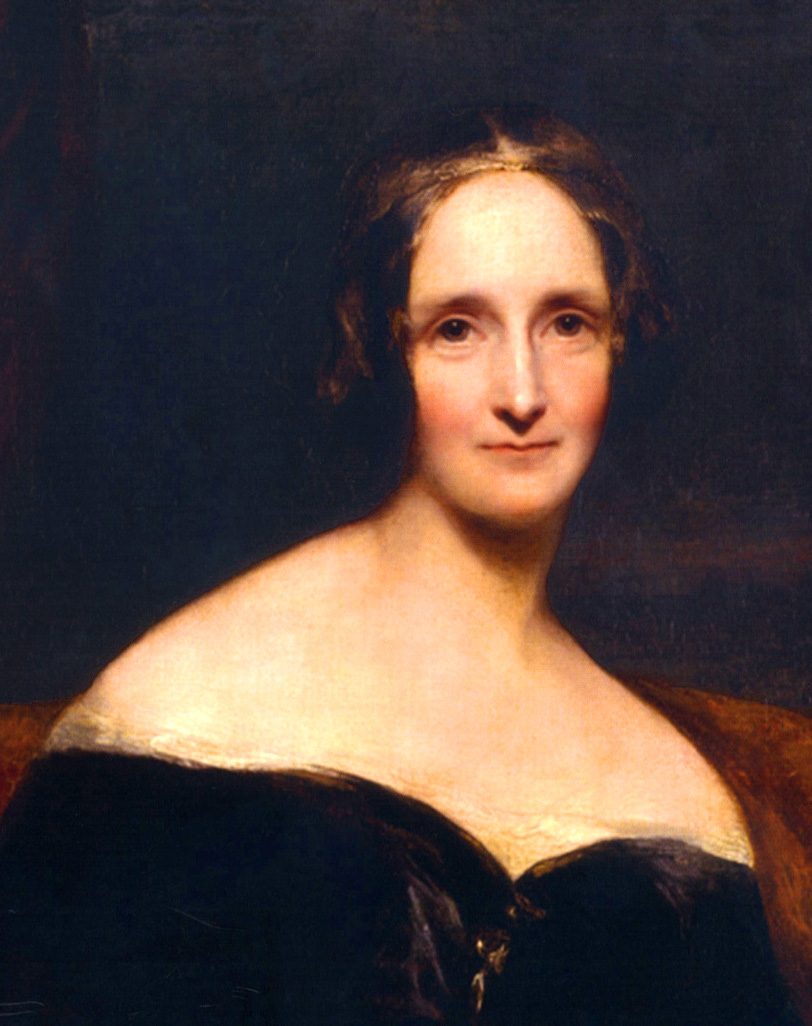
mary-shelleys-frankensteinI recently read Mary Shelley’s Frankenstein as a requirement for my classic literature book club. It was my first time reading the book, and I looked forward to it. As I approached the story, I knew better than to compare it to the Boris Karloff version of the movie by the same title. I’ve only viewed portions of the movie, and from what I’ve seen, I’m pretty sure I didn’t miss anything.

Of course, there was the Kenneth Branagh version of Frankenstein that I watched years ago. I recall the movie seemed classier, and it had Mary Shelley’s name in the title, so perhaps it was more closely linked to her original tale. Prior to reading the novel, my only other experience with Frankenstein was during my senior English class in high school. The teacher mentioned that Mary Shelley wrote the story as part of a competition with her husband, Percy Bysshe Shelley, and friend, Lord Byron, to write a ghost story. From Mary Shelley’s efforts, the novel was born.

With all this build up, I launched expectantly into Shelley’s biography at the beginning of the book. She had an unfortunate life full of tragedy and was a husband stealing adulteress. I kept in mind that the last fact should have no bearing on her writing. I did, however, tuck away her comment that people often asked her how a young woman could have written such a tale. I didn’t find it difficult to believe that a young woman wrote the book; the novel gushed on and on with a relentless amount of filler. In tone and passion, it matched the sappiest of poorly written romance novels. Truly, Mary Shelley had written a horror novel.

I suspect Mary Shelley’s overinflated belief in her ability to write was influenced by her sphere of acquaintances. Her parents were prominent writers and philosophers (her mother died shortly after Mary’s birth but left behind quite a legacy), her husband and friend (Lord Byron) were well-known writers, so why not give it a whirl herself? I must admit that Frankenstein is the only work by Mary Shelley I’ve read, but based on what I encountered, I am not motivated in the least to seek out her other writings. Feminists everywhere are probably damning me right now.

Led around by the nose is the phrase that kept coming to mind as I read the book. Mary Shelley obviously had a point she wanted to make, but she didn’t allow her readers to arrive at this point on his or her own. Victor Frankenstein was meant to be disliked and the monster pitied. I believe her intent was to make us wonder who the real monster was.

I kept hoping that Mary Shelley would raise the Creator vs. Creation issue because I would have enjoyed arguing that subject as I read. After all, Victor Frankenstein as the imperfect Creator would have made for a wonderful debate. Instead, we’re given a pathetic, weak man who repeatedly saves his own life over those he claims to love. I still don’t know why he suddenly rejected his own creation. We’re expected to suspend belief and simply accept that he did.

As for the suspension of belief, prepare to do so over and over and over again. The most unforgiveable place I found this to be true was in the mary-shelleys-frankenstein-2creation of the monster. Mary Shelley didn’t do her research as far as I’m concerned. She didn’t provide any method of preservation or refrigeration for the body parts and briefly mentions decay. Still, we’re expected to believe that Frankenstein built a human in a rented room in the middle of town. She glosses over the part where the creature is brought to life by having Frankenstein refuse to tell Captain Walton how he did it to prevent the sailor from making the same mistake. As a writer, I know that’s a major faux pas. Perhaps it was more acceptable when Mary Shelley wrote.

It’s a toss-up who fluctuated more in character: Victor Frankenstein or The Monster. Frankenstein’s resolve wavered every time he decided he was going to deal with his creation, and right on cue someone he loved would die by the monster’s hands because Victor’s spinelessness reasserted itself yet again. It was dangerous to be loved by this man, and I do not buy into the belief that he was helpless to stop the monster’s rampage.

The monster was intelligent enough to grab clothes upon fleeing Frankenstein’s rooms, learn language and reading in about a year, quote Percy Bysshe Shelley, Lord Byron, and John Milton’s “Paradise Lost,” but couldn’t discern his own feelings or come up with better plans for inserting himself into society. From the last two incidents, we’re supposed to believe the monster was a victim.

And when, exactly, did Frankenstein’s creation become a monster? In my opinion, it was when he refused to extend the grace he sought from humanity. In his unjustifiable rage, he lashed out not only toward those whose company he sought, but he hurt innocent bystanders as well (ex: burning the cottage punished the owner when the creature was rejected by De Lacy, Felix, Agatha, and Safie.) I could not find him pitiable, and it was not his right to act accordingly.

I could continue with issues such as why the monster possessed supernatural strength, how the scenes were predictable, the presence of too many coincidences, and how the character arcs read more like character cliffs. Since I haven’t read what the feminists believe Mary Shelley’s intent was for her novel, I’ll not enter that debate.

Instead, I’ll sum it up with the question of what makes a classic. If shock value for the era in which a novel was written qualifies, then a certain book in fifty shades is destined to become a classic in about one hundred years. Or does a book become a classic by the fact that it was written by an anonymous author who turns out to be the opposite sex from what we expected? All this did for me was present Mary Shelley starring in the role of Victor Frankenstein. (If you’re going to write an opposite sex character, try to make them masculine or feminine as is required of said character.) Don’t forget popularity and sales; they lend high regard for a book in the opinion of many people these days.

I’m not sorry that I read Frankenstein because now I can say I know for myself, but I cannot recommend the book as either well-written or worthy of being called a classic.

Night on the Town

night-on-the-town-2The Alexander cocktail features in my novel, The Secrets of Dr. John Welles, during the winter of 1927 when John and his two best friends, Claude and Sam, sneak away for a night on the town. Prohibition limits their choice of establishments where they might procure a decent drink, but the young men are looking for a little wild entertainment. Where they end up provides more than they bargained for in quite a few ways. I’ll leave you with that little teaser (I have to save something for the publication of my novel), and provide you with the recipes I found and my experience with the drink.

I don’t keep ingredients on hand for cocktails, so I ventured out with my best friend, Emily, to find a bartender who could make the drink for us. It took us three tries at different restaurants before we found one that had the ingredients to make an Alexander. The drink is old-fashioned, and only one bartender knew what we were talking about.

When you mention an Alexander, the drink that most often comes to mind is the brandy version with white crème de cacao.   Even if you don’t order a Brandy Alexander, this is probably what you will receive.

Brandy Alexander

¾ oz. brandy

¾ oz. white crème de cacao

¾ oz. heavy cream

Add all the ingredients to a cocktail shaker and fill with ice. Shake, and strain into a chilled cocktail glass. Garnish with freshly grated nutmeg.

But let’s tiptoe back a little farther in history to 1910 and Jacob Abraham Grohusko’s book, Jack’s Manual on The Vintage & Production, Care & Handling of Wines, Liquors, etc., which is supposedly the oldest reference to a drink called The Alexander. It sounds lovely and like it might have a bit of kick with the rye whisky.

Alexander Cocktail

75% rye whisky

25% Benedictine

1 piece of ice

Twist of orange peel. Stir and serve.

And let us not forget the 1916 mention in Hugo Ensslin’s book, Recipes for Mixed Drinks, which provides this version of The Alexander.

Alexander Cocktail

⅓ El Bart gin

⅓ white crème de cacao

⅓ sweet cream

Shake well in a mixing glass with cracked ice, strain, and serve.

So which drink would John, Claude, and Sam have imbibed during their night on the town? For recipes, I’m following the lead of Gary Regan in his 2011 article, Behind the Drink: The Brandy Alexander, but I’m putting the gin back in the drink as it was originally created.

The Alexander

The lovely Gretchen

The lovely Gretchen

2 oz. gin

1 oz. dark crème de cacao

1 oz. heavy cream

Add all ingredients to a cocktail shaker and fill with ice. Shake, and strain into a chilled cocktail glass. Garnish with freshly grated nutmeg.

Emily and I requested Tanqueray gin, and the lovely bartender, Gretchen, was kind enough to procure heavy cream from the kitchen to make our drink. The restaurant where we dined makes a Brandy Alexander with gelato, but we were striving for authenticity. In our opinion, the drink was delicious. Not too cloying, the flavor of each ingredient blended well, but they also remained well defined. The gin made for a light, crisp drink despite the cream. For the sake of research, we tried the brandy version.

Brandy Alexander

2 oz. Cognac or other fine aged brandy

1 oz. dark crème de cacao

1 oz. heavy cream

Add all ingredients to a cocktail shaker and fill with ice. Shake, and strain into a chilled cocktail glass. Garnish with freshly grated nutmeg.

The Brandy Alexander was also a delicious cocktail but with a titch more warmth to it. The flavor was richer which we attributed to the brandy. Again, the three ingredients complimented each other without losing their identity and becoming something else entirely.

Traditionally, the drink was served in a cocktail glass, sometimes called a champagne glass, and if you aren’t familiar with it, it’s the saucer style glass on a stem. Today, if you find a restaurant or bar that can make a Brandy Alexander, or the gin version, you’ll receive the cocktail in a martini glass.

For an interesting tidbit, Barry Popik, historian, states the cocktail was invented at Rector’s in New York. According to Mr. Popik, Troy Alexander, the bartender, created the white drink to celebrate Phoebe Snow, the fictional character used in advertising for Delaware, Lackawanna & Western Railroad. The snowy beverage was used to emphasize the fact that the railroad powered its locomotives with anthracite, a clean-burning variety of coal, and was backed up by images of Phoebe Snow in a snow-white dress. The Brandy Alexander was originally known as Alexander #2.

Cheers!

This Stinks!

One of the best parts of being a parent is getting to torture your teenager. It is why my husband and I were put on earth according to our teen, Joshua. We make his life miserable by expecting him to unload and load the dishwasher, sweep the floors, feed the pets, empty the trash, take out the recycles, keep his room clean, keep himself clean, do his homework, and get good grades. I’m sure you can see what horrible ogres we are.

These requests are usually met with heart-wrenching sighs and occasional eye rolls, sagging shoulders, and shuffling walk as he wanders off to complete this drudgery. This frees up me and the hubby to invent news ways to torture him right out of existence. And sometimes, the opportunities just present themselves in the form of stinks bugs.

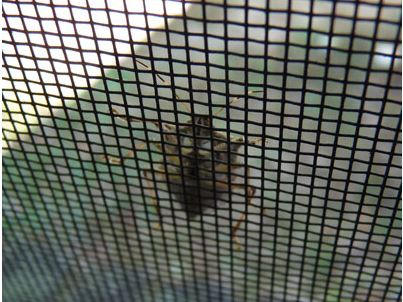
this-stinks

Public Enemy Number One

I don’t remember stink bugs when I was a child. I’m sure I would have because the name alone invites ridicule; but truly, these foul little creatures seem to have materialized from nowhere. At the end of summer, just as the temperature is changing to give us frosty mornings, warm and breezy days, and chilled nights, the stink bugs show up. They cover the screens of every window and door, walk around looking menacing, and make the most horrible buzzing noise. I’m not an entomologist, so I assume the stink bugs are looking for a warm place to crash in the winter. Every now and then, one makes its way inside. If I leave the windows down on my car, they climb in. Joshua is terrified of them.

Picture this: I’m driving along one day with Joshua in the passenger side when I spied a stink bug on his side of the vehicle. It took my wicked mind only a split second to devise a plan.

“Hey, Josh? Don’t freak out, but there’s a stink bug on your side.”

“What? Where?”

“It’s moving.”

The brilliant little stink bug must have overheard our conversation because it flew off right on cue. Joshua freaked out, looking all around him for the flying demon. I actually lost sight of it for a moment because I needed to keep my eyes on the road. Joshua, who was seat belted, twisted in his seat peering into the space between his chair and door or between his chair and the center console. I saw the stink bug had landed on the far side of the visor in front of him. It was barely visible from where I sat. The tips of its legs gently curled around the edge of the visor.

“Mom—where is it?”

“Right here.”

I flicked the visor down toward Joshua which sent the buzzing offender flying toward his face. He screamed like a little girl. If I hadn’t been driving, I’d have been rolling on the floor. Then in a microsecond, he managed to unbuckle himself and dive head first between the front seats, landing in a gangly heap in the back.

For the sake of this post, I actually measured the space between the seats: it’s eight inches wide. At the time, Joshua was probably 5’ 10” – 5’ 11”. How he managed to jump from a seated position, fly between the seats without touching either side or the gear shift, and land in the back without breaking something is beyond me. It sure does make for one hilarious post. We never found the stink bug.

Read This Quickly

read-this-quicklyIn junior high school I had a wonderful English teacher who I remember for her out-of-the-box red hair and amazing blue eyes. I don’t believe colored contacts had been invented yet, so despite the hair, she gets a ten for those eyes.

There are actually many great things I remember about her, except her name, and one of those things is how and when to use –ly when writing and speaking. Mrs. What’s Her Name always used the example of “I feel badly,” and then she would pretend to touch stuff on her desk as if she’d been on a three-day drunk. It was hilarious, and it got the point across.

So, today’s The Weight of Words is devoted to Mrs. Boy I Wish I Could Remember Her Name and what a little –ly can do, or not do, for your writing.

Let’s start at that point when you’re wondering whether or not to add an –ly to your word by taking a moment to refresh on adjectives and adverbs. Adjectives describe nouns and pronouns. They may come before the word they describe: “That is an adorable kitten.” Adjectives may also follow the word they describe: “That kitten is adorable.” Adverbs modify adjectives, verbs, and other adverbs. If an adverb answers how and can have an –ly attached to it, place it there.

Examples:

She walks quickly.

We sang poorly.

He moves fast.

But wait, you say…there’s no –ly on fast in that last sentence. You are correct: Fast may be either an adjective or an adverb. In this example, fast answers how she thinks. Besides, there is no such word as fastly.

As for comparing, don’t drop the –ly, simply add more or less to your sentence.

Example:

Earl speaks more loudly than Joe.

Now for a tricky rule courtesy of our peculiar English grammar: if the verb is one of these four senses—taste, smell, look, feel—don’t ask how. Instead, ask if the sense verb is used actively. If so, attach the –ly. If the sense verb is not used actively, which is more common, don’t attach –ly.

Examples:

Perfume smells sweet. Does perfume actively smell with a nose? No, so no –ly.

The dog looked angry. Is the dog actively looking with its eyes? No, only its appearance is being described. So, no –ly.

She feels bad about the news. She is not feeling with fingers, so no –ly.

She feels badly since burning her fingers. She feels with her fingers here, so the adverb (–ly form) is used.

That last ridiculous sentence is in honor of Mrs. If Only I Could Remember Her Name.

Too Tired to Rest

too-tired-to-restThe reel of unseen dreams flickers her eyelids as the man who has slipped into her room watches. A crescent smile glides across his face like a canoe trailed by ripples of worry. Deep within her consciousness, she senses his presence, and the blue eyes marred by clouds of age slowly open.

“Hello, Grandma.”

One, two, three seconds pass as recognition surfaces. Her face, soft as worn flannel, bunches around her eyes and mouth.

“Hello, Freddy.”

Her equally soft hand pats his sandpaper chin.

“I know I haven’t been to visit you as often as I should, but…”

“No apologies, sweet boy. You’re here now.”

“I came to spend Shabbat with you, Gram.”

The old soul leans forward in her bed, peers out the window.

“Seems a little early yet,” she says.

“Well, Mom says you’re asleep by seven, and the summer sun sets so late.”

“Cheeky devil,” she chuckles, again patting his face. “Go ahead and light the candles. Fetch my shawl from the drawer—no, that one, Freddy, the next one down—and I’ll say the blessing.”

Fred complies with her request, draping dark blue silk around her head and shoulders. Daylight blasts hot and bright through the windows of her room in the nursing home; her white crowned head swathed in navy gives the appearance of the moon in the night sky. He lights two candles in cut glass holders, and the sun withdraws its spears behind linty clouds.

Elsa Cohen breaths as deeply as her ravaged lungs will allow; she wheezes like a broken bellows, drawing withered hands above the dancing flames, the ancient prayer she recites flowing like new wine. When she finishes, she looks up into her grandson’s drum-tight face.

“Why so troubled, Freddy?”

“I don’t know, Gram. I’ve been feeling kind of…melancholy lately?”

“Are you asking me?”

“Well, no.”

Elsa pushes the shawl off her head, smooths the fabric around her shoulders.

“It’s just that, I haven’t been keeping Shabbat lately either, Gram.”

“I see.”

“Do you?”

“No, that’s just what people say when they’re giving you time to collect your thoughts and tell what’s on your mind. Spill it, Freddy.”

“Oh…uh, well, I haven’t been keeping Shabbat because…because it’s really hard to do in today’s society, you know? I mean, living in America and all, well, people don’t stop, like, working and stuff at sundown on Friday until sundown Saturday.”

“Oh gosh, people don’t even stop on Sunday anymore either.”

“That’s true.”

“I remember when you were little that gas stations and stores were closed on Sunday, and all the good people went to church, and everyone rested.”

“We live in a ‘round the clock kind of world these days, Gram.”

“That we do. How’s that working for you, Freddy?”

“What do you mean?”

“When you visited three months ago—”

“Ouch.”

Elsa waves him to silence.

“You said you and Margaret were so exhausted with long hours at work, running errands, shuttling the kids from here to there.”

“Well, I don’t see how taking a whole day off to do nothing is going to help any of that, Gram. Wouldn’t that just put us more behind?”

“Do more on the other six days. Totally run yourself into the ground. Or you could save up all your Shabbats until retirement and lay around doing nothing for ten years.”

“Gram, be serious.”

The old woman chuckles until she coughs. Fred leans her forward and delivers firm pats to her back. Her nightgown is a floral landscape across the sharp ridges of her shoulders. Once settled against her pillows, she continues.

“You have to decide for yourself, Freddy, why you do or don’t do these things.”

“Wouldn’t it be easier if you just told me what to do?”

“What fun would there be in that? Besides, there’s no guarantee you’d do it just because I say so.”

“It was so much easier when Grandpa was alive. We all met for dinner at your house and followed his lead.”

“Fredrick—Shabbat hasn’t gone by the wayside just because your grandfather died. Everything that is good about it is still with us. My goodness, dear boy, for one so educated, you sure are stupid.”

Fred can’t keep from laughing at his little grandmother’s spoon-blunt words cutting him sharply.

“Okay, Gram, I get it.”

“Are you sure? Because I could spell it out for you. Use pictures and small words.”

He kisses her forehead like she is his child.

“I love you, Gram.”

“I know, Freddy. Now take that box of candy over there your mother sent me—she knows I can’t chew caramel and nuts anymore—and go home to your family. Rest, my boy.”

Elsa snuggles into the blankets her grandson pulls up over her chin. Her eyes flicker as the dream scenes resume, and she is asleep before he crosses the room to leave.

Being Strong for Melinda

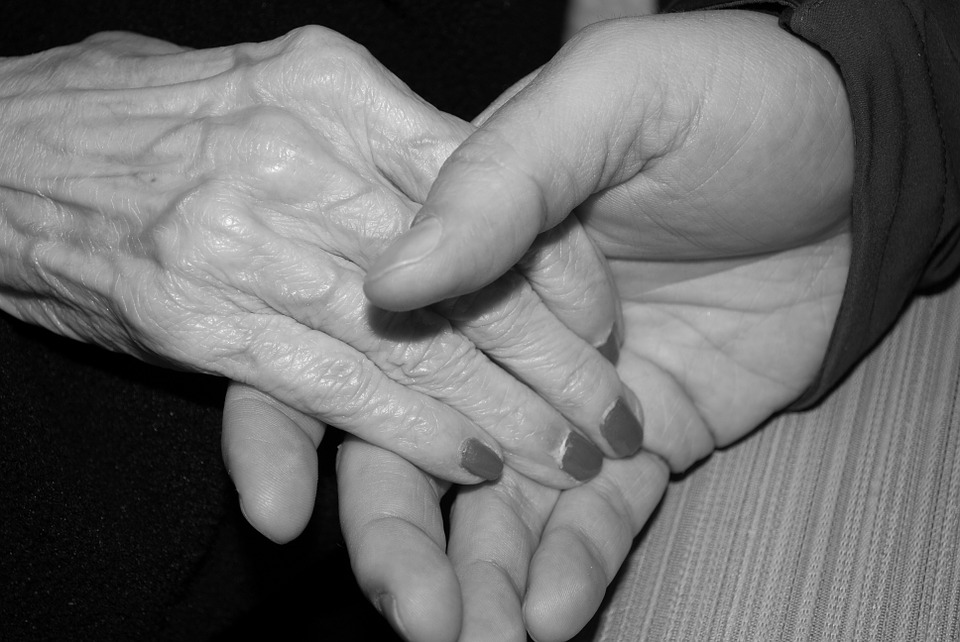
trial-or-tribulationSharon and Robert have spent many dark and lonely hours, separated from each other, asking for the things they believed were right and good. Too many times they listened to doctors whose explanations left them staring and openmouthed, their minds weighted down with things they struggled to comprehend.

Endless dashes to the hospital turned into a permanent stay for their only child. She looks like a little caterpillar cocooned in blankets, bandages, and wires from a host of monitors. Robert calls her his baby bug waiting to emerge with new wings.

Prayer requests make the round on social media. Praise reports are given when their daughter rallies. Many drop off when her condition lags. The weak and faithless have no explanation for this decline. They cannot explain why they couldn’t get Melinda healed, make excuses for God as if He needed them. All of it wears on Sharon and Robert until they pray for release for their beloved child because that must be what God wants for her, right?

With heavy hearts, tears amassing in their eyes, they claim they are willing to accept this for their baby girl. Each buries a duplicitous heart beneath stoic faces and solemn nods of the head. They just want to quit, for this to be over. They never speak of it anymore. In fact, they’ve stopped talking to each other at all. The constant company of the Women’s Bible Study Group and Men’s Fellowship doesn’t allow for much private conversation between them. Such good people, these men and women, who stay with Sharon and Robert 24/7, praying audibly non-stop.

Sharon slips away to the ladies’ room. She does not turn on the light, locks the door. The sound of breathing in the dark room scares her for a second, but whatever harm might be done to her by the owner of the breathing is preferable to what is going on with Melinda. Especially if it ends her.

“Sharon?”

She jumps and laughs wildly.

“Robert? What on earth are you doing in the ladies’ room?”

“It’s the only place the guys from church wouldn’t think to look for me.”

More deranged laughter, shared, from the emotionally and physically drained parents. Robert sighs but does not reach for his wife. Neither move to turn on the light.

“I’m so tired, Shar.”

“You, too?”

Robert’s voice dips and rises uncontrollably.

“I just want this…I just want…”

“I know, dear. Me, too.”

Their hands meet in the darkness, instinct guiding their palms and fingers into place. But they do not draw closer to each other.

“I want to quit, Shar. No—I have to quit. I’m done. I’m finished, and I got nothing left.” He pauses to draw a deep breath. “I was in here working up the nerve to tell you.”

“Rob, that’s why I came in here.”

“Why didn’t you say something?”

“When, Robert? Between entertaining and performing for the people from church—God knows I love them, but I really just need them to go home—to holding in my emotions every time the doctors tell us Melinda isn’t progressing as they’d hoped? You won’t even meet my eyes anymore.”

“I know. I’m sorry. But I was afraid if I looked at you, you’d see how scared I am—”

“—I’m scared, too—”

“—but I don’t have any answers for you, Shar. You know, I’m supposed to be the strong one and all that.”

“Don’t be ridiculous, honey. I never expected solutions to this. Not from you, anyhow.”

“Well, that’s a relief.”

“Is it? Because we’re off the hook, but I suspect we wanted our prayers answered in a specific way we’re too afraid to admit.”

“Can I turn on the light?”

Robert flips the switch before she consents setting off a round of watery-eyed blinking.

“Well, that’s better,” he jokes.

They step closer and melt into an embrace. Sharon cries against his shoulder as he runs his hand over her hair.

“I’m not really okay with losing Melinda,” his wife says.

“I know.”

“I feel so guilty for saying that. Like I’m less of a…”

“I understand, Shar. Really, I do.”

“So, now what?”

“Now we quit pretending. We’ve got to.”

“Agreed.”

“And if Melinda…if she…”

“Dies.”

“Yes, if…then we’ll figure it out together. Just the two of us.”

“But it doesn’t have to be just you and me, Rob.”

“I know. I meant all the church crowd.”

“They mean well—and quite a few have been helpful. Sincere.”

“That’s true. But when this is over, whatever over may be, it’s just you and me, and you and God, and me and God to work through this.”

It’s Sharon’s turn to sigh.

“Is this where we were supposed to be all along, Rob?”

“You mean if we hadn’t let all the hoopla get in our way?”

“Yes,” she chuckles. “Just trusting. Shutting up and trusting that God’s got this under control.”

“That’s a hard and scary place to be.”

Sharon nods and leans her forehead against Robert’s.

“I can’t promise I won’t be sad,” he whispers.

“You wouldn’t be human if you weren’t. Just don’t be afraid.”

“I’ll try, Shar. For you.”

“No, babe. For you.”

All the prayers they cannot speak radiate between them. A knock on the restroom door precedes, “Sharon—come quick. The doctors have been looking all over for you. Sharon?”

Melinda’s parents, raw and exposed, striped down to the soul, brace each other with hands to the shoulders.

“I don’t know where they are,” says the muffled voice on the other side of the door.

“Well we have to find them now. They need to know Melinda has opened her eyes and asked for them,” a male voice joins in.

Gasps of shock from the people on the outside are lost in bursts of laughter and tears of relief from Robert and Sharon within.
Baring My Writer’s Soul – Part 18

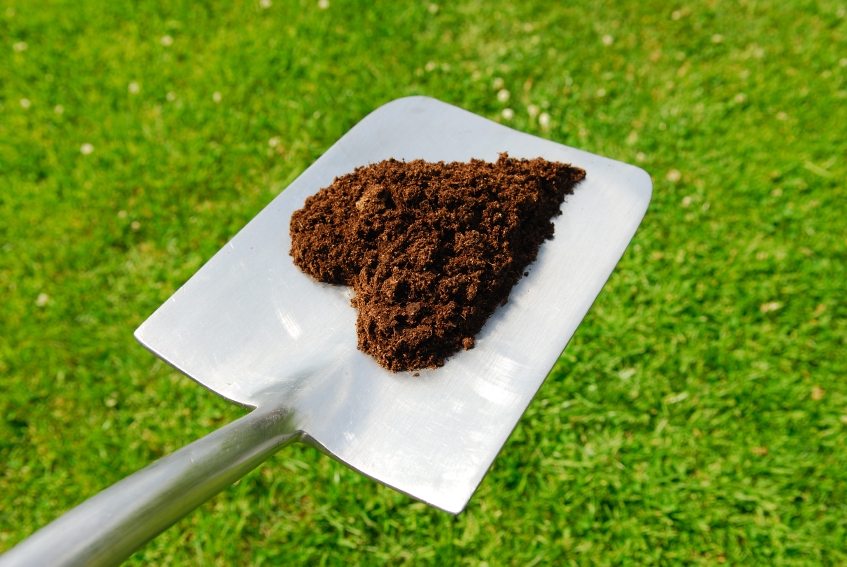
writers-soul-18Last week I read the chapter in Heather Sellers’s book, Page After Page, where she compares the source of one’s great writing to a compost heap. That seemed apropos because there are days when I feel like my writing is… well, you get the point.

Anyhow, if you haven’t read her book, I highly recommend you do. There is a reason I keep returning to it as a source of inspiration unlike any other writing book I’ve ever read. Rather than expound upon those reasons again, simply search my blog for posts where I mentioned Heather Sellers and/or Page After Page. Back to the compost.

According to Mrs. Sellers, our life provides the best source of writing material because we keep it hidden beneath layers of time, and like compost, it ferments to the place where the events become less painful and/or incredibly memorable. It is then that we should till the compost of our existence, digging deep, to dredge a great story. How profound.

But I don’t want to write about the time in third grade when two friends, with whom I thought I shared an amazing friendship, passed notes saying they’d rather not hang with me. I intercepted one such note. Or the time my dad gave my dog away on my birthday and packed me off to my cousins’ house to spend the night while he did so. Or the time my mom accidentally put my guinea pig out to graze right after my dad fertilized the yard. Or the time my first real boyfriend trounced my heart with my former best friend. You get the picture.

Just so you don’t think I’m poor-mouthing my life, or parents, there are great memories, too. One that springs to mind I don’t actually recall, but I’m told I gushed, “I love my daddy; he lets me ride my horsey,” after I received a hobby horse for Christmas. Then there are all the wonderful memories of my mother as Troop Leader during my Girl Scout years, especially when she took us to COSI.

What concerns me as a writer is writing about myself and/or writing myself into a story. Several people who have read different pieces of my work say things like, “Oh, Prudence Mayfield is so you,” (The Secrets of Dr. John Welles) and, per my husband regarding my current WIP, “Yeah, the mother in that story is totally you.” My son also says this about the daughter in the same story. And once, my mother said, “I recognize what happened in this short story as you in high school.”

These comments surprised me because I wasn’t consciously writing myself into my work. I suppose subconsciously, I was dredging through my compost. So much the better if it makes the writing great. But to intentionally write about myself and experiences? I’m not so sure about that. There are some dark, dank, compost-y places in my head and heart that I believe should just stay there.

Another reason why this whole thought process intrigues me is because I have a major complaint against writers who vehemently insist that the story wasn’t about them. Then you read their biography and, just as you suspected, it reflects their life so perfectly, they might as well have used their real name.

Now I know there is a small part of every writer that is written into his or her work even if it’s just his or her preferences regarding food which his or her protagonist just happens to like as well. Even hopes and dreams can reflect who the author is. Writers – quit trying to deny this. So, I’m left with the questions: how much of myself do I intentionally write into my work? And, if asked, do I confess that I wrote a passage so well because I experienced what my character(s) did? Or do I turtle my head into my coat and swear it wasn’t me?

I already believe that I serve my heart upon a platter for dissection, AKA public opinion. All artists feel this way. Rather than becoming caught up in trying to determine how much of me is in the story, just enjoy it, and trust that I have quite a bit of compost from which to grow new tales.