A Snapshot of Writing

A Snapshot of WritingThe creation of art can be a wonderful and dreadful process at the same time. Some of the struggles I’ve encountered with my chosen art form of writing include writer’s block, doubts and fears regarding my abilities, the evil query and rejection letters, comparison, envy, impatience, and the list goes on and on. But every now and then, there are lamps along the tunnel as I travel toward the light at the end. That’s when it’s wonderful.

As an outlet for my frustration, I began to tag along with my sister-in-law when she took photographs. She’s really quite good and a patient teacher as well when I asked her questions on how she approached her shot. One of the ways she explained the process was to hand the camera to me. I declined the opportunity to even hold her camera, which looked far too technical and expensive, but in addition to being a great teacher, my sister-in-law is mildly insistent. There was no way I was getting off the hook.

So, I snapped a few pictures as she taught me what the various dials and buttons on the camera do. She talked me through the procedure, and by allowing me to make mistakes, I learned quite a bit and became addicted to photography.

Here’s where the wonderful part happened. After setting up an account on ViewBug for my photos, joining challenges, and voting on other peoples’ pictures, I earned a free tutorial on landscape photography. Even though I don’t own a camera, I watched the video with the hopes of gaining more knowledge and possibly impressing my sister-in-law.

The lesson on photography will help me hone my skill, but what truly impressed me was how much of what the instructor said could be applied to writing. For starters, new experiences are good for you. Even if you’ve been writing for a while, keep in mind that every time you start a new piece, you’re taking yourself someplace you’ve never been with a different location, characters, style, descriptions, etc. And even if you’re working on a series, you have the power to make something new happen each time. Then there is your unique perspective. You are going to see things differently than anyone else in the world, so write them from the perspective that you alone possess.

As for equipment, writers have the luxury of keeping it simple, and I strongly suggest you do. A well-sharpened pencil and single-subject, college ruled notebook is all you need to create literary brilliance. Know the basics and fundamentals of your technique. Scouting a good location is important for a writer because distractions, even in the home, will keep you from your goal. Timing is important for the same reason: determine when in your day you are the most productive and stick to the schedule. And when it comes to composition, that’s where your personal style will shine through.

So now it’s time to address your process. The instructor on the tutorial called it a mind process and used words every writer knows. He started with subject. Identify what deserves to be written. Don’t forget POV. Take a small bit of advice from a photographer, and don’t be afraid to explore multiple POVs at the same time. What it does for photography will not be lost on writing. The formula for determining exposure translates into plotting, pantsing, or a combination thereof for a writer. Again, don’t be afraid to experiment. Next, decide what you’d like to focus on. Once all of this is determined, work that composition.

When you show your photographs to other people, they don’t know what else is going on around the scene you’ve captured or how you felt when you took it. Writers can combat this issue by providing essential backstory at the appropriate time. But just like a photographer, you don’t have to show it all. Leave a little mystery, a little something to the imagination, and your reader won’t feel led around by the nose. Write about the most interesting parts because that’s where the story is, and you’ll capture a good picture. A mental picture in this case. Remember that the objective is not to capture one big picture of everything all at once, but rather a frame that tells a clear story. You are the director, you choose the content.

Don’t fall in love with the first thing you write. Investigate your characters’ surroundings and discover what else you can do with it or them. Walk through their world. Return many times with breaks in between. Take another look at your subject, and decide what else you can do with it. Then apply your creative style in a way no one else has thought of.

Add vibrant but well-written details and structure, and a sense of order will emerge. You can do this on different levels of your writing whether writing on a grand scale, intimate stories, or the minute particulars. Keep in mind that your ideal and the reality won’t always match, but don’t let this discourage you. Work with what you’re given, seek inspiration, and the great story will come.

As for filters, they apply to the writer during the editing stage. You’ll be able to filter out the bad in your own writing after you’ve set it aside for a couple months and return to it fresh. Beta readers provide some of the best filtering toward your writing goal, seeing things you didn’t, and offering advice from their own perspective.

With a few modifications, the guidelines for taking a great photograph apply to writing with stunning clarity. I mentioned this at my writer’s group and was told by a poet that this is known as the rules of the creatives. They are a set of standards that transcend one artistic form to positively influence another. Hanging with the poets a couple of times a year has already lent valuable insight to my writing. Imagine how thrilled I was to discover that my newfound hobby would as well.

There are so many artistic pursuits that crossover to supply inspiration and encouragement. Already I’m viewing the story ingredients in my mind and trying to figure a way to bake them all together so as to produce a perfect word painting. I suggest you do the same.

Farm Implements Useful to Writing

Sometimes, writing a blog post to share with all the world is like tap dancing on the stage alone when you took piano lessons: your mistakes will be obvious and glaring. Thankfully, Word catches the majority of them, but there are days when almighty Word isn’t enough. That’s when we turn to our Google search bar, right?

I’m going to extend myself some grace here and admit that I’ve gone back to correct mistakes I spotted after major editing, proofreading, and posting. With all that being said, what tripped me up most recently was another dual spelling. Word didn’t issue the customary red squiggles when I typed it, but I kept staring at my laptop because something didn’t look quite right. You have to love the contrary English language.

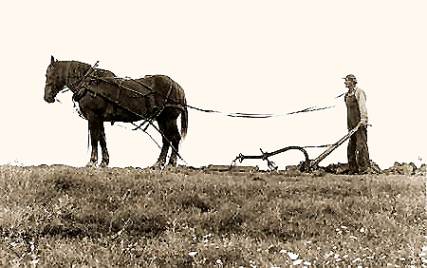
Farm Implements Useful for WritingToday’s The Weight of Words focuses on plow vs. plough. Locale factors in to this one with American and Canadian speakers of English preferring plow as the spelling for the farm implement and the related verbs. Our British and Australian neighbors prefer plough. In either case, the word is pronounced the same. Although I do think it would be hilarious if plough was pronounced the same as rough.

The Secret in the Sauce

The Secret in the SauceGarland Griffin is an intelligent, beautiful young woman with a secret that’s going to change the course of John Welles’s life. When Garland and John first meet at the University of Maryland, where both are pursuing studies to become doctors, the pair develops an instant rivalry over grades. A chance encounter at a speakeasy leaves the duo unsure of where they stand with each other, but it is the unwelcome growing attraction they feel that catches both off their guard.

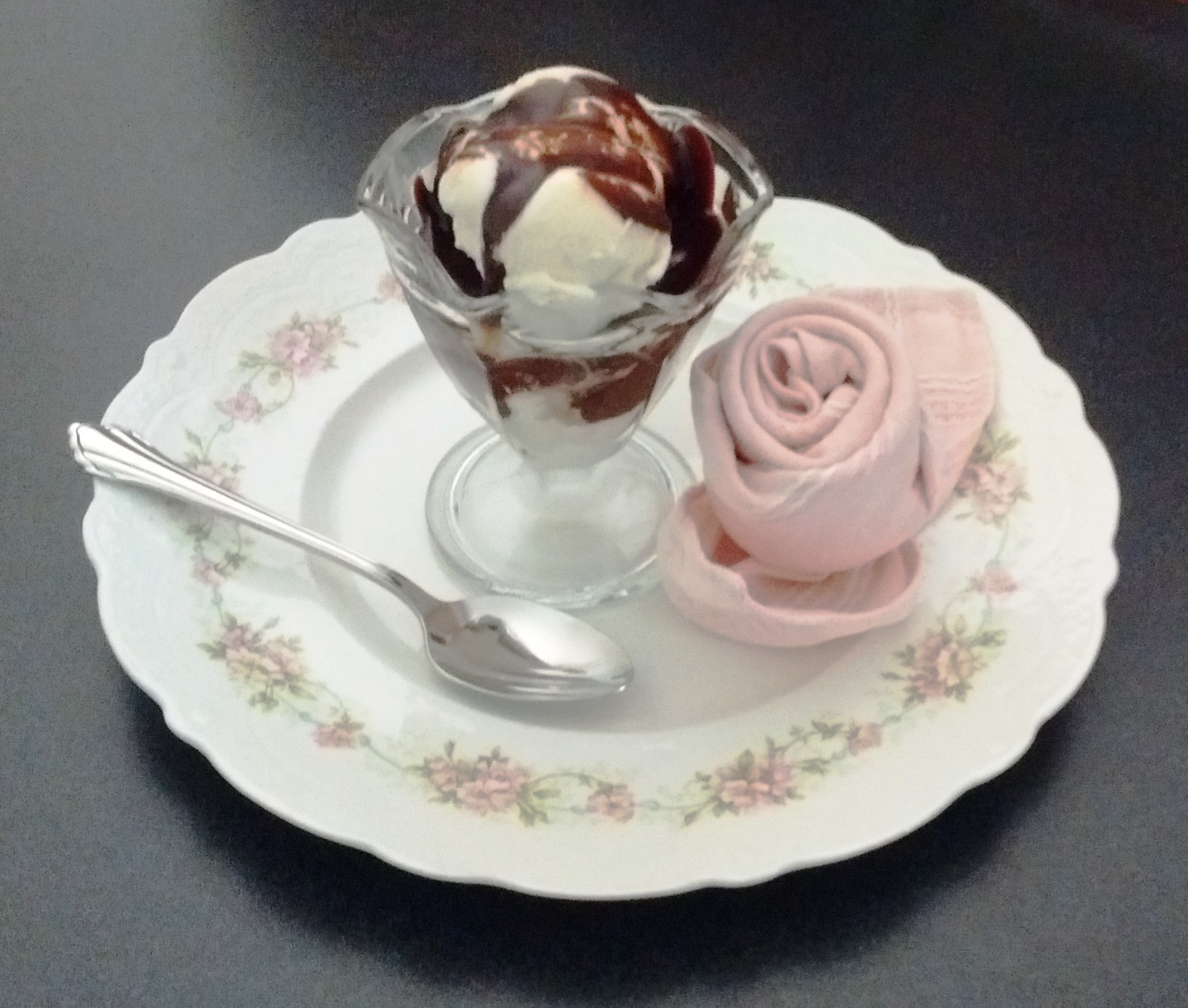
Over a tulip sundae at the soda shop, Garland observes John and his two best friends, Sam and Claude, and comes to the decision that although she’s experiencing feelings for her fellow student, what she needs is John’s presence in her life as cover for her dark secret.

The following recipe for hot fudge sauce is the one I had in mind when I wrote the above-mentioned scene. There are other delicious toppings I could have chosen for Garland, but she needed a selection as dark and sultry as herself.

Hot Fudge Sauce

⅔ c heavy cream

½ c light corn syrup

⅓ c dark brown sugar

¼ c Dutch-processed cocoa powder

¼ t sea salt

¾ c bittersweet chocolate (chopped and divided in half if using blocks. I used Ghirardelli chips.)

2 T unsalted butter

2 t vanilla

Bring the heavy cream, light corn syrup, dark brown sugar, cocoa, salt, and half the bittersweet chocolate to a boil in a saucepan over a medium-high heat, stirring constantly. Reduce the heat to low to maintain a simmer. Bubbles should rise slowly to the surface. Stir occasionally to keep from scorching the sauce. Cook for five minutes.

Remove from the heat and add the remaining chocolate, butter, and vanilla. Stir until smooth. Cool in the saucepan or a shallow dish for 20 to 30 minutes before transferring to an airtight container for storage in the refrigerator. The sauce will last for two weeks. Reheat in a saucepan on the stove over low heat or in the microwave for 30 second increments until it is pourable but thick.

Enjoy!

How Reading Taught Me to Misspell Words

How Reading Taught Me To Misspell WordsI’ve read so many books during my life that I’ve started to misspell words. I’ll give you a minute to think about that.

I didn’t pay attention to which books were written by English authors and which by American authors. There must have been a time when my selections were top heavy with Brits because I started dropping a U into words that Microsoft Word kept underling, claiming that a U didn’t belong in said word. When it happened with the word color, well, that one seemed rather obvious.

Then came a day when Word underlined realise. I couldn’t figure out what was wrong. I kept re-reading the sentence for grammar and content to make sure it wasn’t a fragment, etc., etc. But wait, the underline was red, squiggly, and mocking. What in the world was wrong with this word?

I deleted it, retyped it, and again the ugly red squiggles popped up. It was time to resort to the good ole Google search bar. When the first article to pop up was titled Realise vs. Realize, I had a sneaky suspicion of the mistake I’d made. I was having my own private British Invasion.

According to Grammarist.com:

Realise and realize are different spellings of the same word, and both are used to varying degrees throughout the English-speaking world. Realize is the preferred spelling in American and Canadian English, and realise is preferred outside North America. The spelling distinction extends to all derivatives of the verb, including realised/realized, realising/realizing, and realisation/realization.

None of this may seem relevant to a writer, but on the off chance your writing includes a letter composed by someone born and raised outside of North America, think how smart you’ll look to your editor when you spell realize with an S.

F. Scott Fitzgerald – The Short Stories

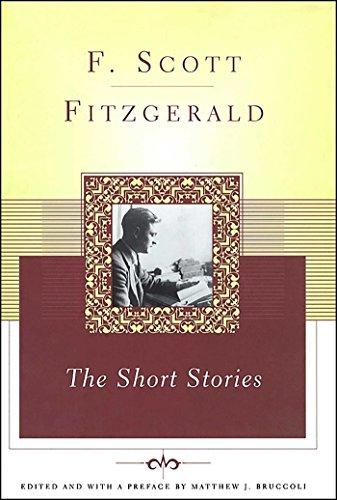
F. Scott Fitzgerald The Short StoriesAnyone who knows me knows I adore reading. And for those who don’t know me, it won’t take much time spent in my presence, whether in real life or via social media, to discover this. Recently, I’ve been reading the short stories of F. Scott Fitzgerald. I assigned this task to myself as part of the research for my new novel. My goal was to gain a better understanding of Fitzgerald through his writing first, and then I would tackle books of literary commentary as well as biographies of the man, the author, and his life.

I’m not sure where to begin with my review of Fitzgerald’s short stories because I must admit it isn’t favorable in the least. I must also confess my amazement that he earned the money he did during the era in which he wrote. This is especially astounding considering how small the payment is among literary journals today. According to the Dollar Times inflation calculator, four thousand dollars for “At Your Age” in 1929 would be like earning $55, 327.48 in 2016. The section notes prior to the story state this was his “top story price.” I interpret that as price per story and not salary for the year. Please correct me if I’m wrong, but either way, Fitzgerald was simply not that good an author.

If you read one short story, you’ve read them all and his novels as well. Beautiful, indifferent debutantes who pick up and drop men like they’re choosing and discarding shoes; rich ambitious fellas, possibly a football hero, who undoubtedly attended/will attend either Princeton, Yale, or Harvard; a sprinkling of drunks, some hopeless, some loveable; endless comparisons between the North and the South or America and Europe; and the ambitious pursuit of money, fame, and power over, and over, and over again. The most unforgivable crime Fitzgerald committed in this reader’s eyes was to cannibalize his own short stories for the sake of his novels. Worse was the fact that his agent, editors, and publishers allowed him to get away with this.

Ridiculous and cliché are the two words that came to mind the most as I read Fitzgerald. The scenarios portrayed were outlandish and unbelievable, and I’m not counting “The Diamond as Big as the Ritz” when I say this. Why anyone, even fictional, would tolerate the behavior depicted among the characters is beyond me. I tried to keep in mind that attitudes and actions were different in the ’20s and ’30s, but my opinion of the situation often deteriorated to how stupid can one person be and how much longer before he/she quits putting up with this garbage? Perhaps this was common behavior among the rich and lovesick back then. I honestly couldn’t say.

None of Fitzgerald’s stories were memorable. As I looked back through the book, I tried to recall the storylines and characters by the title alone but ended up cheating and reading the section notes. The only exception was “The Curious Case of Benjamin Button,” and that was because it had been made into a movie. So, I’m left wondering who decides what makes a piece of literature a classic. The death of the author, the passing of time, the payment received, popularity with the audience at the time of publication, being made into a movie, or some combination thereof? I shudder to think how the last four delineators will make classics of some of the drivel being produced today.

I don’t know what percentage of readers would stand with me in my assessment of Fitzgerald’s writing. Hopefully, I’ll find the commentaries and biographies more interesting. From what I already know about him, I believe if he had consumed less alcohol and been more content to hone his craft than pursue fame and fortune, he would have moved beyond his narrow world, experienced life to a greater degree, and found something new to write about. In the end, I’ll give Fitzgerald credit for leaving writers a good lesson even though he failed to learn it himself.

Bovine Fashion

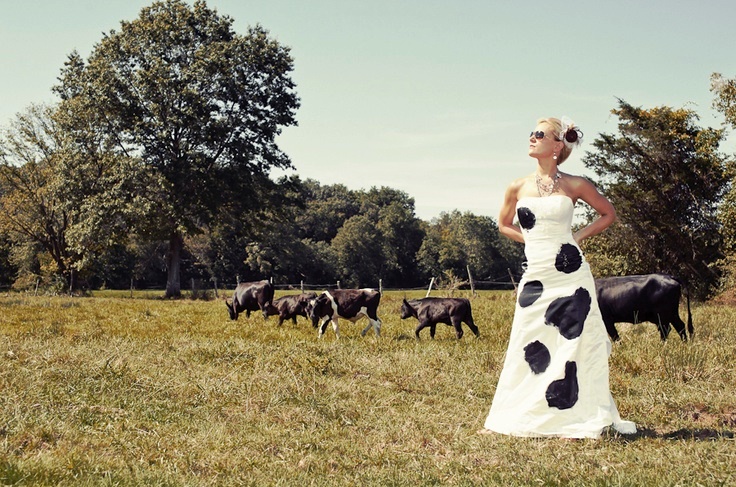
Bovine FashionSeveral years ago, I believe it was around the time our son was still a baby, I learned that a new size had been created for women:  Size O. That’s amazing for two reasons. One, I’m pretty sure zero isn’t a size. In fact, zero is nothing. Two, I’ve been living among Americans all my life; I’ve seen how we eat. Who the heck is in need of Size O? I admit I may be incorrect about the date of invention of this stupidity. It may have occurred when I regained some weight when our son was eight, but whenever it took place, I remember it stood out to me because anything having to do with extra weight was a sore point for me.

I changed my initial impression when I realized that this was a brilliant piece of marketing, genius even. A little shifting of the numbers by clothes manufacturers and clothing designers could make a small percentage of women on the planet feel like the goddesses they believed themselves to be. Can you imagine the thrill of discovering you were now a Size O? The trickledown effect would be priceless as women sporting bigger sizes discovered they could wear a smaller size. Thank You God and Jenny Craig.

But wait, what about the plus-sized gal? Her clothing sizes didn’t seem to benefit from Size O. She was still segregated to the other side of the store, barred from the cute and darling world of Size O by a wall of clothing and mirrors. Oh sure, there were breaks in the wall where she could wander over to scan the jewelry, scarves, sunglasses, and shoes, but even her lingerie was kept in check by a plus-sized prejudice.

Our full-figured gal didn’t have to wait very long for the fashion gurus to re-emerge from their drawing boards with an even bigger piece of stupidity. Their intentions were good. So good that Satan was able to re-pave major portions of the Highway to Hell that receives much foot traffic from politicians. But I digress.

Picture this: I’m shopping in the plus-sized department, excited that I’m reaching the lower numbers as I shed weight, when I encountered a brand new clothing size.

“What is this?” I asked the young, thin, chipper sales clerk. I couldn’t believe what I was seeing on the tag in the shirt I held.

“Oh, that’s our new size.”

“What is it? It looks like a word.”

“Oh, that’s OX.”

“I’m sorry, what?”

“OX.”

I stared for a few incredulous seconds before I held the tag up and showed her. I spoke slowly to make sure she understood.

“Do you see that word right there?”

“Uh…”

“Do you really think I’m going to feel better about myself having the word ox in my clothing?”

“Well, it’s a new size. Really. It’s smaller than X.”

“That’s funny, because X used to fit me just fine. You do realize the only thing that has occurred is a shifting of sizes?”

The poor child looked at me blankly. And truly, I didn’t mean to take it out on her. I guess I just wanted a little respect and better selections for full-figured women everywhere. Not insults to my intelligence in the form of OX.

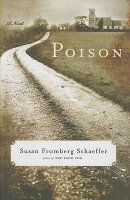
Poison by Susan Fromberg Schaeffer

PoisonSusan Fromberg Schaeffer’s novel, Poison, is a brilliant work of fiction; it is how all novels should be written. Poison explores the themes of love, greed, desire, human strengths and weaknesses, peoples’ perceptions of each other, and how we are molded by these perceptions. The author allows us inside the heads of a wide cast of characters and gives the reader the opportunity to decide who is good or bad, right or wrong. You’ll find yourself comparing the characters to your own friends and family all the while claiming, “I would never act like that.” The stream of consciousness style gives the reader the delicious, wicked sensation of reading someone’s private correspondence or diary. The letters between several characters heightens the experience.

Ms. Schaeffer employs the scenario of a death and a will like a bomb to set off a series of explosive events. It’s a situation many readers will find familiar. Like watching a slow-motion train wreck, one cannot turn away from reading the disastrous accounts of the characters’ lives. Your allegiances will shift throughout the book.

Poison is not a beach read. It is not for readers who want to plow through a book or those who want to be told everything up front with lots of action and a singular POV. But if you are willing to allow the story to unfold, the characters to develop and evolve, Poison will prove to be incredibly satisfying. I truly believe the novel will appeal to the intelligent reader whose mind can juggle multiple POVs, information given out of chronological order, and backstory appearing right up to the conclusion. It may sound like utter chaos, but I found Poison to be remarkably well-structured, one of the best works of literary fiction I’ve ever read.

Bea’s Diner-Open For Business

In the summer of 1948, Dr. John Welles is the newest resident in Addison-on-Gauley, West Virginia. He’s still reeling from his brief experience during World War II, the effects of which will haunt him for many years, and seeks refuge in the small town tucked away in the Appalachian Mountains. His role as the new doctor provides the perfect camouflage for the emotional scars he carries and allows him to hide behind his mask of professionalism. Only one person in the town can’t be fooled.

Bea's DinerBea Turner, the voluptuous, cigarette smoking diner owner, takes a fancy to John which he returns in kind. They become close during his initial trip into town, an event that makes John the butt of an unexpected joke, and their relationship grows through many hardships and trials. Their love for each other is recognized in town as something akin to marriage. They alone believe they’ve kept their liaison under the radar.

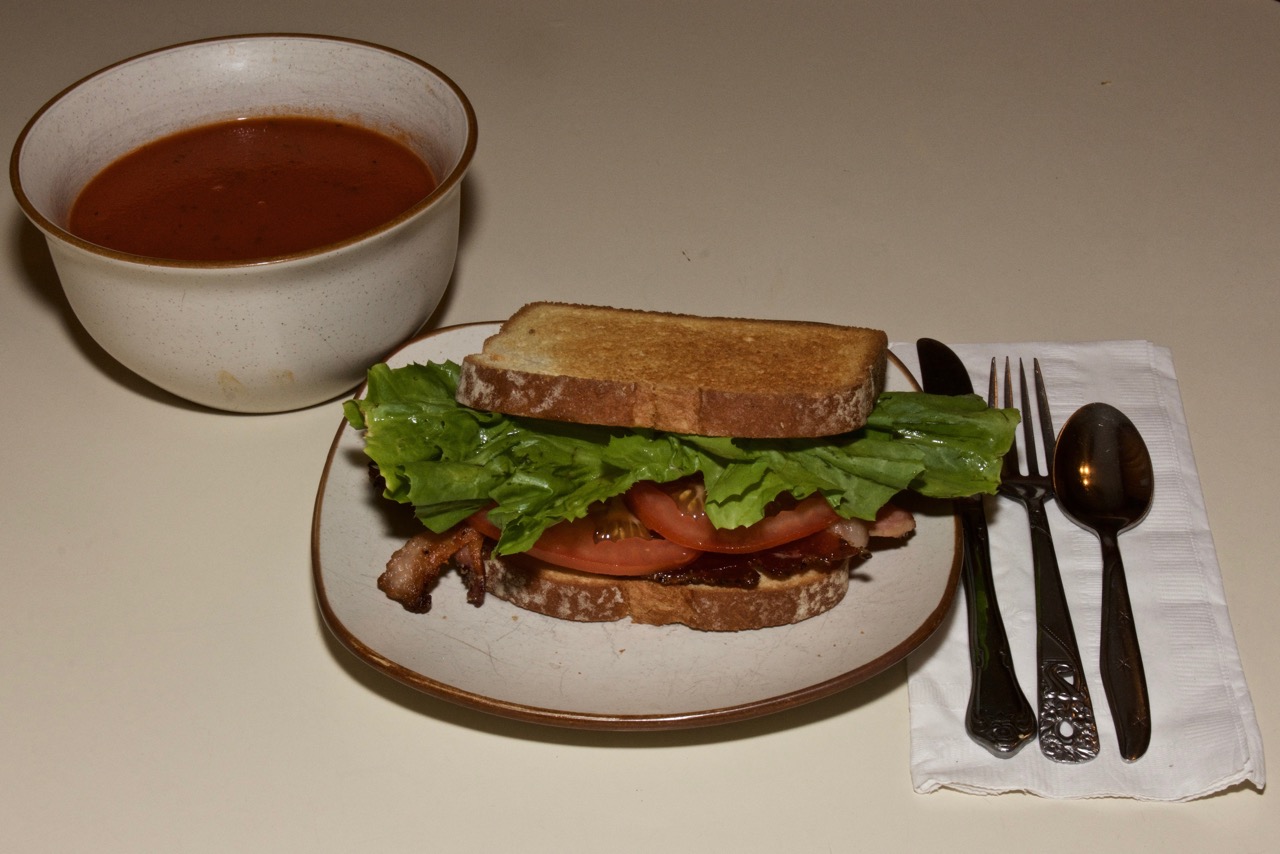
The sassy restauranteur serves John a bacon sandwich and tomato soup for lunch during his first visit. He doesn’t enjoy the meal surrounded by the more gossipy members of the town, but having Bea in his presence eases the awkwardness. The biggest surprise comes at the end of lunch when somehow John gets stuck with the entire check.

Bacon sandwiches are easy to make and don’t require a recipe. Two slices of your favorite bread toasted to your desired darkness, add as many slices of cooked bacon as you prefer, top with lettuce, tomato, and mayo—Viola! Bacon sandwich. I’m sure there are people who choose other condiments, vegetables, dressing, relishes, and those who leave off everything except the bacon. Really, the humble bacon sandwich is a matter of preference.

As for the tomato soup, while the majority of the items on Bea Turner’s menu are homemade, one place she cuts corners is by using good ole Campbell’s Tomato Soup. She is, after all, the only employee in her own restaurant.

I’ll not enter the debate on the sodium levels in canned soups and how Campbell’s added high fructose corn syrup to their soup to appease the American sweet tooth. I’d like to believe that during the summer of 1948, when John visited Bea’s diner, the soup was wholesome and tasty and the can wasn’t lined with bisphenol-A.

As recently as 2012, Campbell’s Tomato Soup still ranked as one of the top ten selling dry grocery items in U.S. grocery markets. It’s fairly healthy, too, for canned, modern industrial food. No fat, no cholesterol, no fake colors or flavors, laced with minerals, iron and Vitamin C. A two-serving can is only 270 calories before adding a bacon sandwich as a side.

There are organic choices on the market now as well as lower-sodium varieties and those made without high fructose corn syrup. Whichever option you choose, remember to add a tasty bacon sandwich, or the traditional grilled cheese, and enjoy your meal.

When Life Gives You Lemons

When Life Gives You Lemons 3In June of 1920, Prudence Welles Mayfield picked up her nephew, John, to take him to Baltimore to live with her.   The event proved to be a difficult time for her and her sister-in-law, Collie Mercer Welles.

Collie, the midwife who delivered John, raised him from the day he was born when his mother died due to complications from childbirth. She knew the opportunity to live and attend school in Baltimore would be one she could never provide for her youngest child, but the thought of letting him go broke her heart. For Prudence, anxiety came from her insecurities about parenting her nephew when she had absolutely no experience. A dose of guilt also plagued her because she alone knew her intentions weren’t as altruistic as they appeared on the surface.

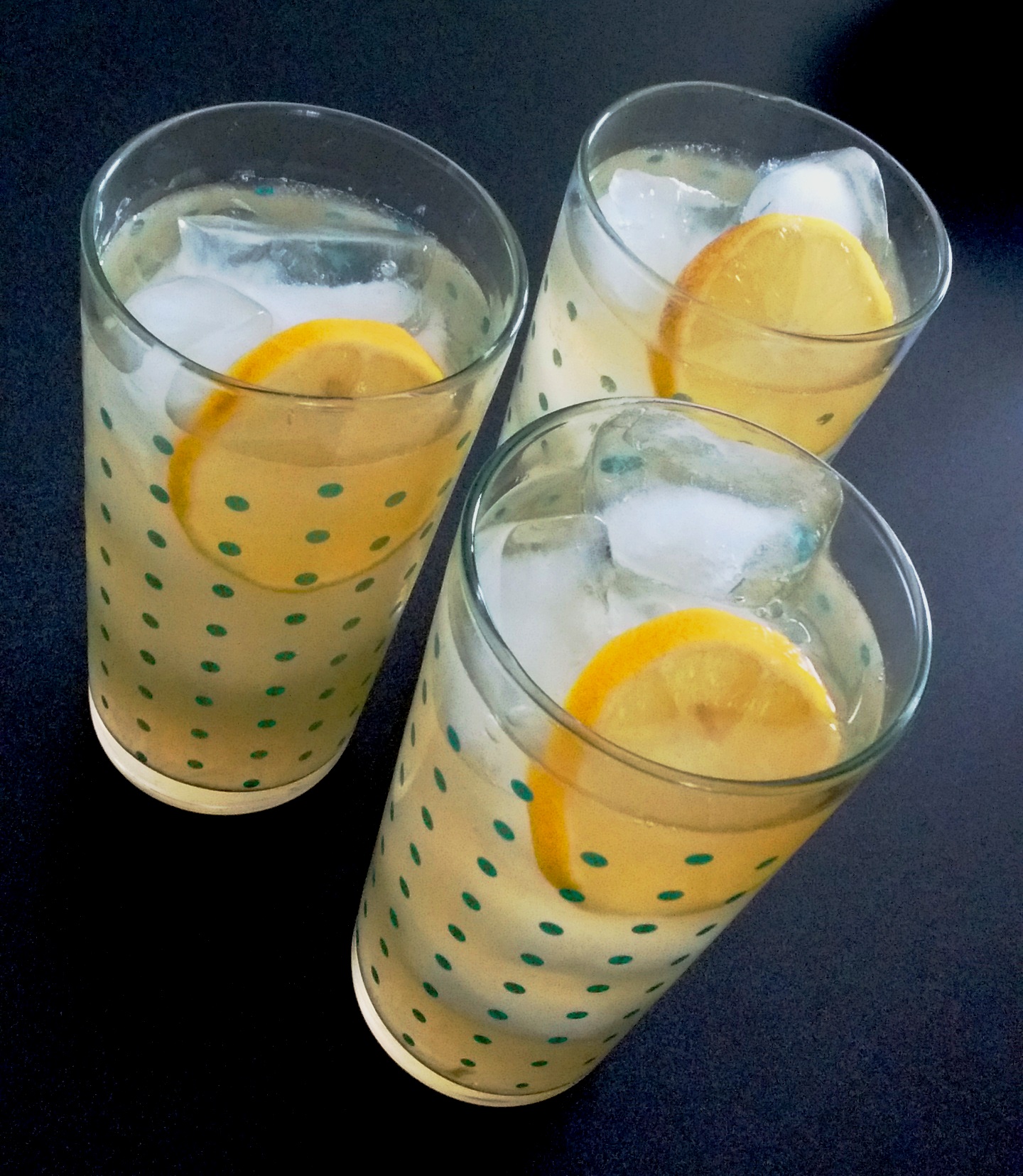
When Life Gives You Lemons 1The two women were never close and barely tolerated each other at best. The only thing they had in common was their deep, abiding love for John. They would never let him see them quarrel over his upbringing. And yet, a gentle tug of war went on just below the surface as they vied for John’s affections. Collie’s last ditch effort to lure her young son back to his family and life on the farm was the simple picnic she sent with Prudence and John for the trip to Baltimore. She hoped her good cooking, the favorite dishes John grew up eating, would produce a change of heart in the boy. Included with the meal was a Mason jar of lemonade, sweet and chilled, the perfect taste memory that would hopefully send John fleeing from his rich aunt and back into Collie’s waiting hug.

My own memories of lemonade began with that made by my Aunt Ann for family picnics. I remember she served it in a large brown crock; such an unusual container for a kid who grew up with Country Time Lemonade drink mix and Tupperware pitchers. I’ll never forget the first time I tasted Aunt Ann’s lemonade, lightly sweet and refreshing, as delicious as any food item on the picnic table at our family gathering.

The following recipe is the one that I had in mind when I wrote the above-mentioned scene. It’s every bit as wonderful as what my Aunt Ann made, and I hope you and your family will enjoy it.

Homemade Lemonade

6 – 8 large lemons, enough for 1 c of juice

1 c sugar, I use raw

1 c water

8 c water

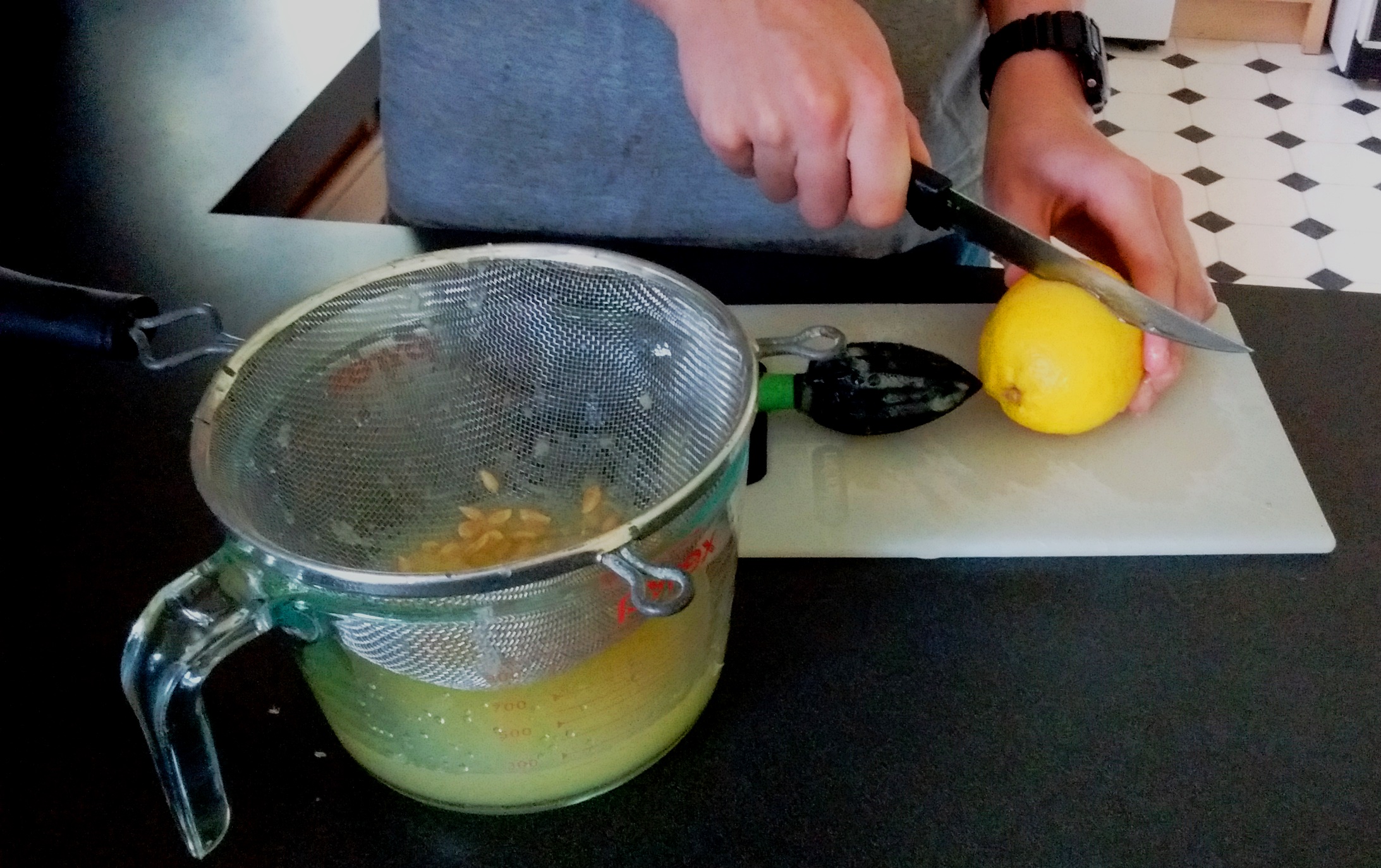
Squeeze enough lemons for one cup of juice and set aside. Cut remaining lemons into slices to float on the lemonade. Mix the sugar and one cup of water in a saucepan over medium heat. Stir until the sugar is dissolved and the mixture is heated through. Do not boil or scorch. Allow the sugar syrup to cool completely.  Raw sugar will produce a darker syrup and a deeper yellow lemonade, but it absolutely will not alter the flavor.

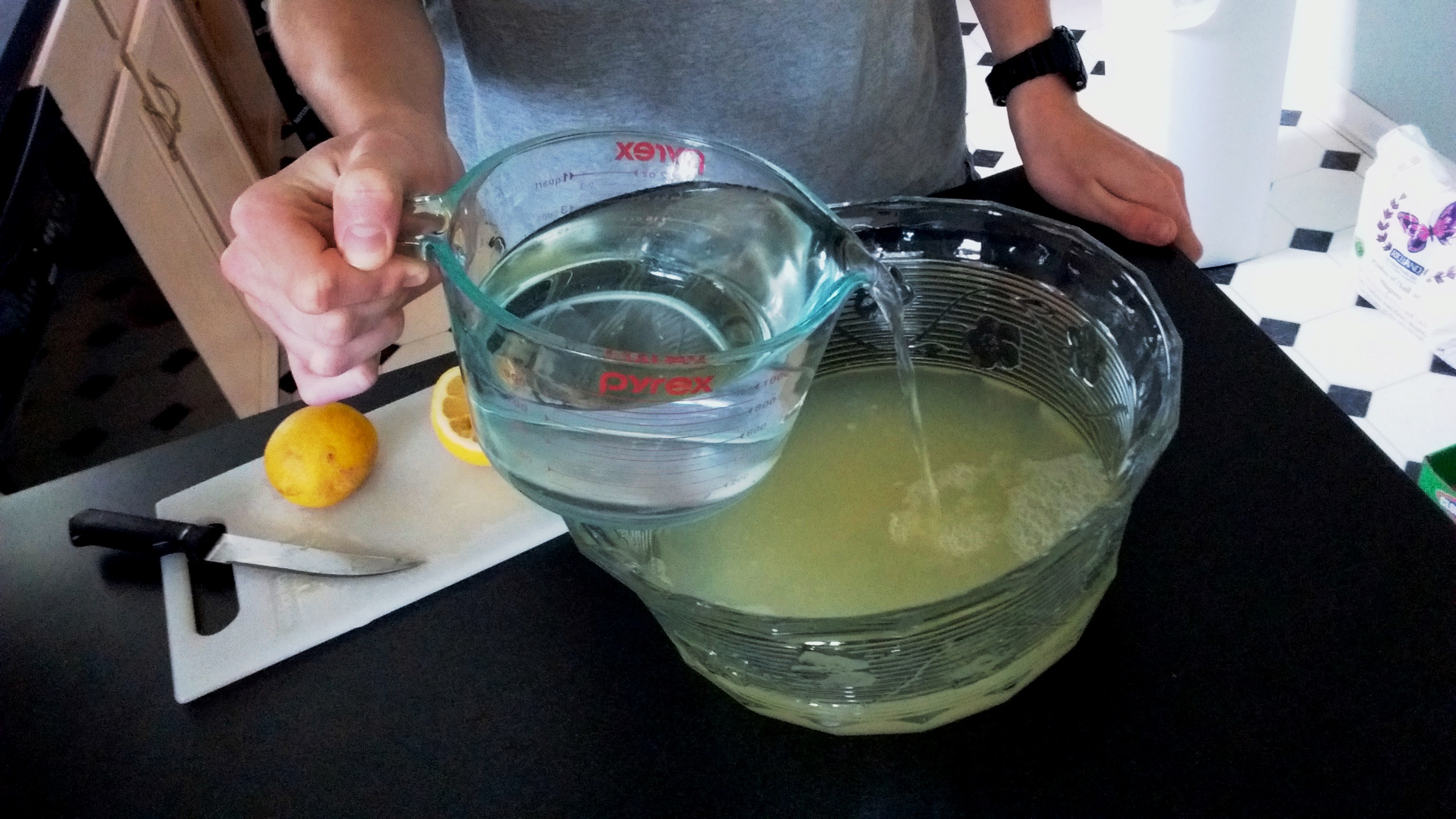
To prepare the lemonade, pour the lemon juice in a large glass bowl or crock, stir in the cooled sugar syrup and the 8 c of water. Float lemon slices on the surface. Stir thoroughly, cover with plastic wrap, and chill for at least an hour in the refrigerator.

For individual servings, fill glasses with ice and a slice of lemon. Ladle the lemonade over this and serve.  For a pitcher or beverage dispenser, fill the container with ice layered with lemon slices, pour the lemonade over this, and serve.  The ice will melt into the lemonade and dilute the tangy/sweet mixture to the perfect flavor.

When Life Gives You Lemons 2

Everything Is Just Peachy

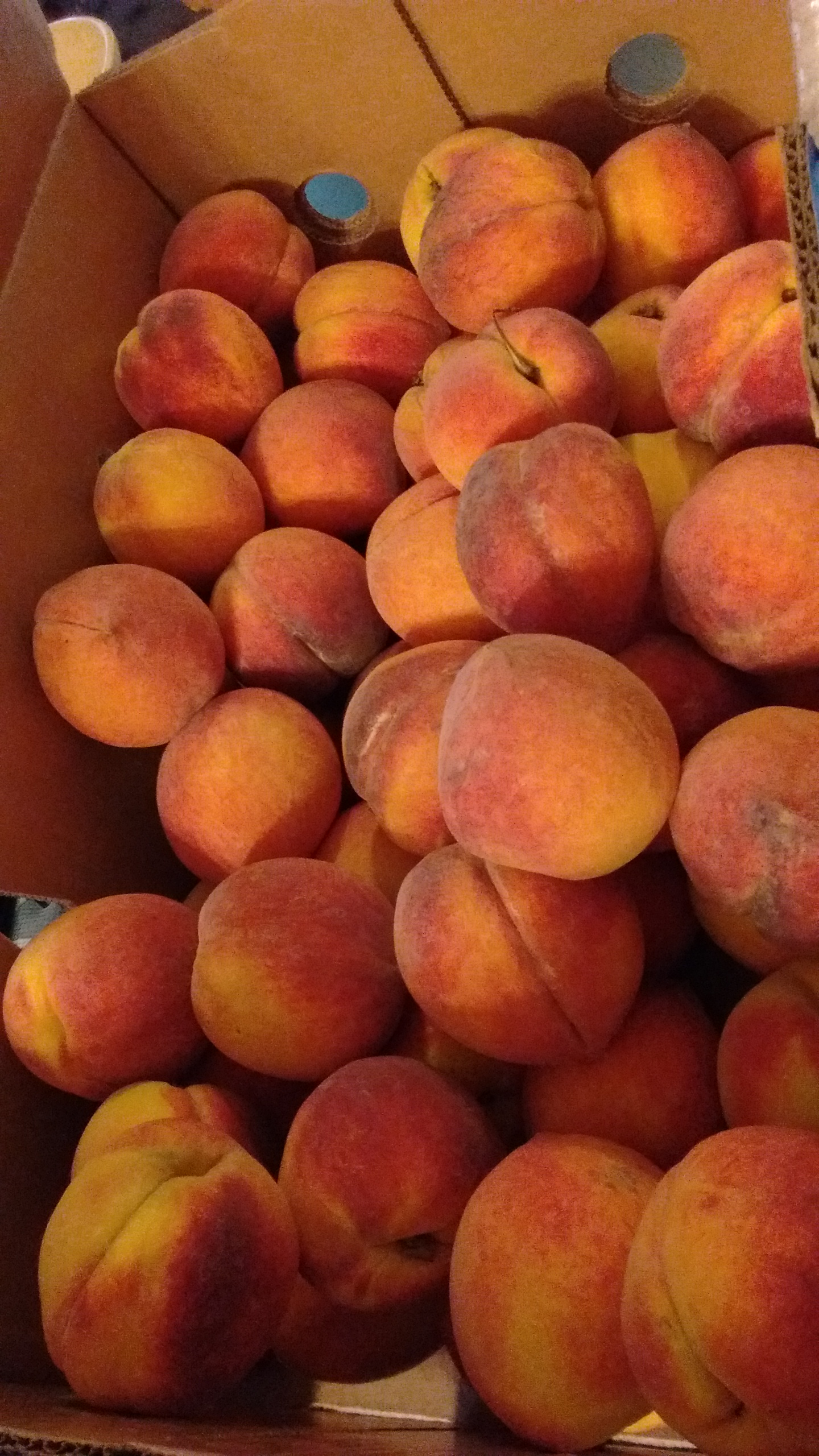
IMG_20160704_095721821Ah, the humble peach: sweet and juicy and the pride of Georgia. This year while perusing Facebook, I came across a post announcing the arrival of The Peach Truck. I would have passed right by it because there are stands all over our area selling peaches except that this truck was stopping at two well-known garden centers in the area. For some reason, that seemed incredibly important to me. If a truck loaded with peaches would announce its arrival at places with which I was familiar, I should probably check it out. Besides, I love peaches and the price per pound was phenomenal.

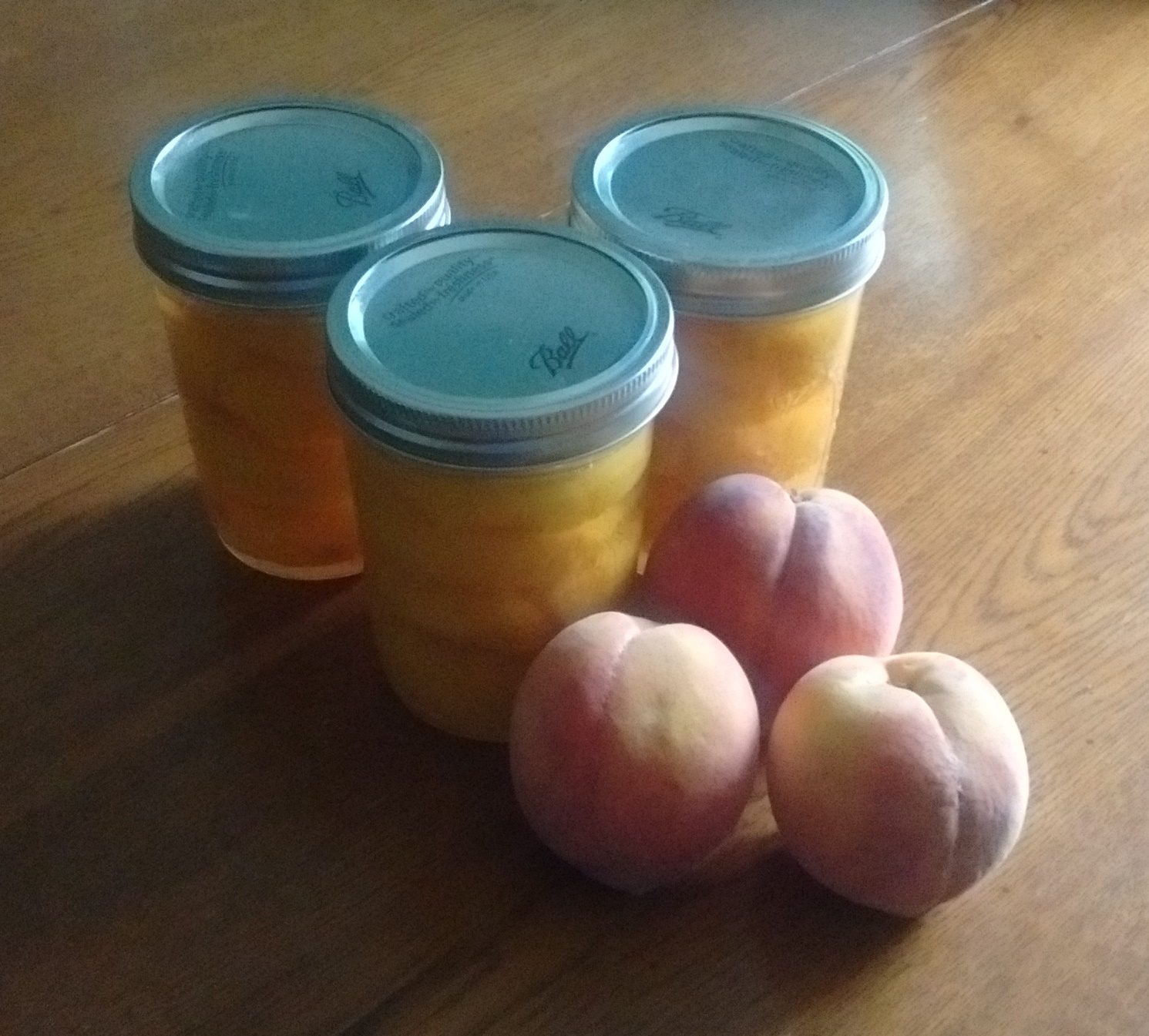
So, twenty-five pounds of peaches later, I had to come up with a way to use them. I must admit, the reason for my purchase had to do with a scene from my novel, The Secrets of Dr. John Welles, during which the midwife, Collie Mercer, served a humongous celebratory breakfast in honor of my protagonist’s birth. For whatever reason, I chose to have her serve canned peaches. I was probably thinking they would be extra special for breakfast and somewhat dessert like. Of course, in keeping with my posts for Edible Fiction, I have been preparing the foods from my novel and sharing the recipes on my blog. I have never in my life canned peaches. In fact, I’ve never canned anything.

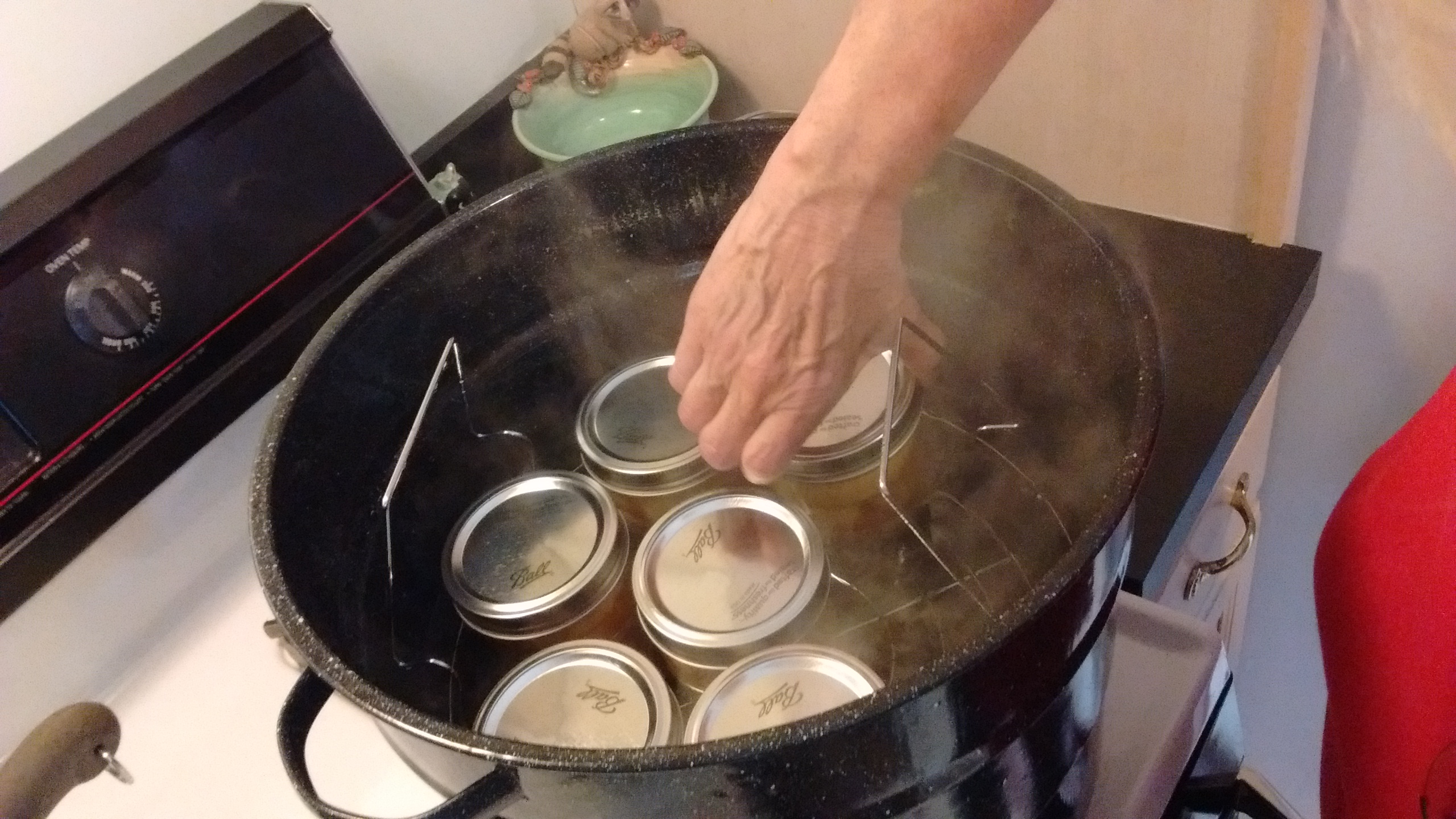
IMG_20160704_103204029Thankfully, my mother canned when I was a child. I remember all-day canning sessions of tomatoes, pickles, corn relish, and applesauce. She used a pressure canner, but my darling husband, William, supplied me with a water bath canner which was much less intimidating to a novice such as me. My best friend, Emily, provided all the canning jars I would need. I picked up new lids and rings, and I was ready to can.

The best part is that even if you don’t have a brilliant, experienced mother to fall back on, The National Center for Home Food Preservation offers detailed instructions for canning, drying, freezing, smoking, curing, and pickling foods. One simply cannot go wrong by accessing the wealth of knowledge provided here. Useful charts and step by step processes will guide you through preparation, various methods, quantities, etc. I direct you to this site in lieu of a recipe because you may choose to make larger batches than I did. One thing I will warn you though: canning is addictive. I’m already making plans for next year’s batch of peaches as well as other fruits and veg to can throughout the year.

Everything Is Just Peachy